Artnet auctions powerful prints provoking photos – Artnet Auctions: Powerful Prints, Provoking Photos, is a platform that transcends the boundaries of traditional art collecting, offering a diverse range of prints and photographs that captivate the senses and challenge our perspectives. From historical masterpieces to contemporary works, Artnet Auctions provides a gateway to a world of artistic expression that speaks to the soul.
The platform serves as a meeting point for both established collectors and those just beginning their art journey. With a user-friendly interface and a vast catalog of curated pieces, Artnet Auctions empowers individuals to discover and acquire art that resonates with their passions.
The platform’s commitment to authenticity and transparency ensures that buyers can confidently invest in pieces that hold both artistic and financial value.
Artnet Auctions
Artnet Auctions is a leading online platform for buying and selling fine art, contemporary art, and design. Founded in 1998, it has become a significant player in the global art market, facilitating transactions for collectors, galleries, and institutions worldwide.
The History and Evolution of Artnet Auctions
Artnet Auctions was launched in 1998, pioneering online art auctions and revolutionizing the way art is bought and sold. Initially focused on providing a platform for auction houses to sell online, Artnet Auctions expanded its reach to include private sellers and galleries.
The platform has grown significantly over the years, offering a diverse selection of artworks across various categories, including paintings, sculptures, prints, photographs, and design objects.
The Role of Artnet Auctions in the Contemporary Art Market
Artnet Auctions plays a crucial role in the contemporary art market by connecting buyers and sellers from all corners of the globe. It provides a transparent and accessible platform for discovering and acquiring art, making the art market more inclusive and democratized.
The platform’s online format eliminates geographical barriers, allowing collectors from around the world to participate in auctions and acquire works from prestigious galleries and renowned artists.
Key Features and Services Offered by Artnet Auctions, Artnet auctions powerful prints provoking photos
Artnet Auctions offers a wide range of features and services to cater to the needs of both buyers and sellers:
- Extensive Artwork Selection:Artnet Auctions features a diverse collection of artworks across various categories, including paintings, sculptures, prints, photographs, and design objects. The platform hosts auctions for a wide range of price points, catering to both emerging and established collectors.
- Global Reach:Artnet Auctions connects buyers and sellers from around the world, providing a truly international marketplace for art. This global reach allows collectors to access a wider range of artworks and sellers, expanding their opportunities for discovery and acquisition.
- Expert Authentication and Condition Reports:Artnet Auctions ensures the authenticity and condition of artworks through rigorous vetting processes. The platform provides detailed condition reports and expert authentication, giving buyers confidence in their purchases.
- Secure Payment and Shipping:Artnet Auctions offers secure payment options and reliable shipping services, ensuring a smooth and hassle-free transaction experience for both buyers and sellers.
- Dedicated Customer Support:Artnet Auctions provides dedicated customer support to assist buyers and sellers throughout the auction process, from registration to shipping. The platform offers comprehensive resources and guidance to ensure a positive experience.
Benefits of Using Artnet Auctions for Buyers and Sellers
Artnet Auctions offers numerous benefits for both buyers and sellers, making it a preferred platform for art transactions:
Benefits for Buyers
- Wide Selection and Variety:Artnet Auctions offers a vast and diverse selection of artworks, allowing buyers to find pieces that align with their taste and budget.
- Competitive Bidding:The auction format encourages competitive bidding, often leading to attractive prices for buyers.
- Transparency and Trust:Artnet Auctions provides a transparent and secure platform, with rigorous vetting processes and expert authentication to ensure the authenticity and condition of artworks.
- Global Access:Artnet Auctions allows buyers from around the world to participate in auctions and acquire artworks from prestigious galleries and renowned artists.
- Convenience and Accessibility:The online platform offers a convenient and accessible way to browse, bid on, and purchase artworks from the comfort of home.
Benefits for Sellers
- Global Exposure:Artnet Auctions provides a global platform for sellers, connecting them with a vast audience of potential buyers worldwide.
- Competitive Auction Format:The auction format encourages competitive bidding, often leading to higher prices for sellers.
- Expert Support:Artnet Auctions offers expert support to sellers throughout the auction process, from listing their artworks to handling shipping and payment.
- Secure and Reliable Platform:Artnet Auctions provides a secure and reliable platform for sellers, ensuring the safe and efficient handling of transactions.
- Increased Visibility and Market Reach:Listing artworks on Artnet Auctions increases their visibility and market reach, attracting a wider audience of potential buyers.
Powerful Prints
The “Powerful Prints” collection on Artnet Auctions offers a captivating selection of fine art prints that transcend time and resonate with contemporary audiences. This collection showcases the artistic mastery of renowned artists across various eras and movements, providing a glimpse into the evolution of printmaking as a medium.
Historical Significance and Artistic Merit
The “Powerful Prints” collection features a diverse range of prints, reflecting the rich history and artistic merit of the medium. From the early woodcut prints of the Renaissance to the innovative techniques of contemporary artists, the collection encompasses a wide spectrum of styles and approaches.
- Woodcut Prints:These prints, often characterized by bold lines and strong contrasts, played a crucial role in disseminating knowledge and imagery during the Renaissance and beyond. The collection features notable examples of woodcut prints by artists like Albrecht Dürer, whose intricate and expressive works established a new standard for printmaking.
- Etchings:This technique, which involves etching a design onto a metal plate with acid, allowed for greater detail and tonal variation compared to woodcut prints. The collection showcases exceptional etchings by artists such as Rembrandt van Rijn, whose masterful use of light and shadow brought a new level of realism to printmaking.
- Lithographs:This printing process, developed in the late 18th century, allowed for greater versatility and artistic freedom. The collection includes striking lithographs by artists like Henri de Toulouse-Lautrec, known for his vibrant and evocative depictions of Parisian life.
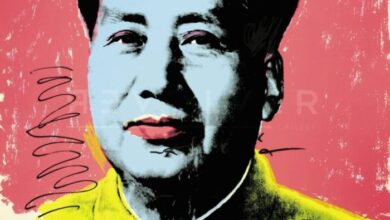
- Screen Prints:This modern technique, popularized in the 20th century, enabled artists to create bold and graphic prints with vibrant colors. The collection features noteworthy screen prints by artists like Andy Warhol, whose iconic works pushed the boundaries of printmaking and popular culture.
Prominent Artists and Notable Prints
The “Powerful Prints” collection features a distinguished roster of artists whose works have shaped the history of printmaking.
- Albrecht Dürer:Known for his meticulous attention to detail and mastery of woodcut techniques, Dürer’s prints, such as “Melancholia I” (1514), are celebrated for their intellectual depth and visual impact.
- Rembrandt van Rijn:A master of etching, Rembrandt’s prints, including “The Three Trees” (1643), are renowned for their evocative use of light and shadow, capturing the human condition with profound emotional depth.
- Henri de Toulouse-Lautrec:A leading figure in the Post-Impressionist movement, Toulouse-Lautrec’s lithographs, such as “La Goulue” (1891), are characterized by their vibrant colors, bold lines, and captivating depictions of Parisian nightlife.
- Andy Warhol:A pioneer of Pop Art, Warhol’s screen prints, including “Marilyn Diptych” (1962), explored themes of celebrity, consumerism, and the mass media, revolutionizing printmaking and contemporary art.
Themes, Styles, and Techniques
The “Powerful Prints” collection encompasses a diverse range of themes, styles, and techniques, reflecting the evolution of printmaking as an art form.
- Portraits:From Dürer’s iconic self-portraits to Warhol’s celebrity images, the collection features a variety of portraits that offer insights into human nature and artistic expression.
- Landscapes:Artists like Rembrandt and Claude Monet used printmaking to capture the beauty and grandeur of the natural world, showcasing their unique perspectives and artistic sensibilities.
- Social Commentary:Prints by artists like Käthe Kollwitz and Pablo Picasso addressed social issues, challenging conventional norms and sparking dialogue on contemporary concerns.
- Abstract Expressionism:Artists like Joan Miró and Willem de Kooning embraced abstraction, using printmaking to explore the depths of human emotions and the subconscious.
Provoking Photos
The “Provoking Photos” collection on Artnet Auctions is a captivating showcase of contemporary photography that challenges viewers to engage with complex emotions, ideas, and social realities. These images are more than just aesthetically pleasing; they are powerful statements that spark dialogue, raise awareness, and inspire critical thinking.
Artistic Vision and Photographic Techniques
The photographers featured in this collection employ a diverse range of artistic visions and photographic techniques to create their thought-provoking works. Some photographers use stark realism to expose social injustices or document marginalized communities. Others embrace surrealism or abstract imagery to explore the complexities of the human psyche or the nature of reality itself.
- Social Commentary:Many photographers use their work to comment on social issues such as poverty, inequality, war, and environmental degradation. They capture scenes that often go unnoticed or are deliberately ignored by mainstream media, giving voice to the voiceless and challenging viewers to confront uncomfortable truths.
- Cultural Narratives:Some photographers explore cultural narratives and traditions, capturing the essence of specific communities or highlighting the beauty and diversity of human experiences across different cultures. Their work can be a powerful tool for understanding and appreciating different perspectives and fostering cultural exchange.
- Personal Experiences:Other photographers delve into their own personal experiences, using photography as a form of self-expression and introspection. They explore themes of identity, memory, loss, and the human condition, inviting viewers to connect with their own emotions and experiences.
Examples of Thought-Provoking Photographs
Here are a few examples of thought-provoking photographs from the “Provoking Photos” collection that demonstrate the power of this genre:
- “The Migrant Mother” by Dorothea Lange (1936):This iconic image captures the plight of a migrant farmworker during the Great Depression. The mother’s weary expression and the children’s huddled forms evoke a sense of desperation and resilience, making it a powerful symbol of poverty and hardship.
- “The Scream” by Edvard Munch (1893):While not a photograph, this famous painting is often considered a forerunner to the “Provoking Photos” genre. The painting’s vivid colors and distorted figures evoke a sense of existential anxiety and alienation, themes that resonate with many contemporary photographers.
- “The Burning Monk” by Malcolm Browne (1963):This photojournalist captured the self-immolation of a Buddhist monk in protest against the South Vietnamese government.
The image is a stark reminder of the power of peaceful protest and the consequences of political oppression.
The Intersection of Prints and Photography
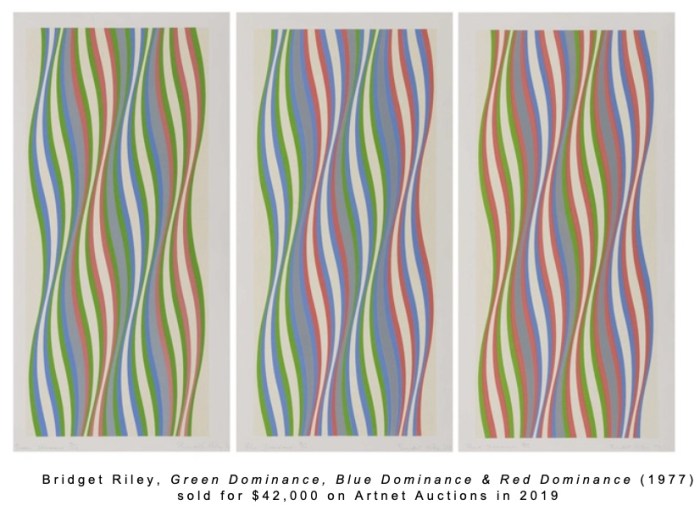
Prints and photography, two seemingly distinct art forms, share a profound and multifaceted relationship. While they differ in their technical processes and artistic approaches, they have evolved alongside each other, influencing and inspiring each other’s development. This dynamic interplay has led to a rich and diverse artistic landscape, where the boundaries between these two mediums blur.
Artnet auctions are a great place to find powerful prints and provocative photos, each piece a story waiting to be discovered. While exploring the latest offerings, I stumbled upon an exciting announcement – Porsche Cars Canada announces Trevor Arthur as its new president and CEO.
It’s a perfect reminder that art and automotive worlds can collide, each offering unique perspectives on creativity, design, and pushing boundaries. Back to those artnet auctions, I can’t wait to see what captivating works are next on offer!
Artistic Approaches and Technical Processes
Prints and photographs diverge significantly in their artistic approaches and technical processes. Printmaking, a centuries-old practice, involves the creation of an image by transferring ink from a prepared surface onto another material, typically paper. The artist’s intention is reflected in the choice of printmaking techniques, each offering unique possibilities for texture, detail, and color.
For example, etching, a technique where an acid is used to create an image on a metal plate, produces a distinctive, delicate line quality, while woodcuts, where an image is carved into a woodblock, result in bold, graphic lines.Photography, on the other hand, relies on the capture of light to create an image.
Artnet auctions are a treasure trove of powerful prints and provoking photos, each piece a story waiting to be told. But sometimes, the most captivating art is the one we create ourselves. If you’re looking for a shimmery Valentine’s Day look that’s both beautiful and safe, check out my favorite non toxic makeup for a shimmery valentines day look – it’s a perfect way to embrace your inner artist and shine! And just like those stunning photographs on Artnet, a well-executed makeup look can be a powerful statement, expressing your unique personality and style.
The camera, as a tool, allows the artist to record the world around them with remarkable precision. The photographic process offers a unique opportunity to capture fleeting moments, document reality, and explore the nuances of light and shadow.
While photographers may manipulate their images through various techniques, such as cropping, editing, or using filters, the essence of photography lies in its ability to capture the world as it is.
The Evolution of Printmaking and Photography
Printmaking has a long and rich history, dating back to ancient China and Japan. Early printmaking techniques, such as woodcuts and block prints, were used to create images for religious purposes, decorative motifs, and mass communication. The invention of the printing press in the 15th century revolutionized printmaking, allowing for the mass production of books and other printed materials.
The Renaissance saw a surge in printmaking as artists sought to create affordable reproductions of their works and explore new artistic possibilities.Photography emerged in the 19th century as a revolutionary new technology. Early photographic processes, such as the daguerreotype and the calotype, were laborious and time-consuming, but they offered unprecedented realism and detail.
The development of the camera and photographic processes allowed for the documentation of historical events, scientific discoveries, and everyday life. Photography quickly gained popularity as an art form, with artists exploring its unique capabilities to capture the world around them.
Artnet Auctions has been a hotbed for powerful prints and provocative photos, attracting collectors and investors alike. The art market is dynamic, with trends constantly evolving, and it’s fascinating to see how these trends mirror other sectors, like the booming opportunities in the whiskey market.
Just as rare whiskies command impressive prices, so too do limited-edition prints and photographs, making Artnet Auctions a platform where both art and investment intersect.
Influences and Cross-Pollination
Printmaking and photography have influenced each other in significant ways throughout history. The invention of photography, with its ability to capture reality with unprecedented accuracy, challenged the traditional role of printmaking. However, printmakers adapted to this new technology, incorporating photographic elements into their works.
Artists began using photographs as sources of inspiration, translating photographic images into prints, or combining printmaking techniques with photographic processes.The emergence of photogravure in the late 19th century, a printmaking process that utilizes photographic negatives to create images, further blurred the lines between these two mediums.
Photogravure allowed for the creation of prints with exceptional detail and tonal range, making it a popular choice for artists seeking to reproduce photographic images in a more artistic and expressive way.
Notable Artists
Many notable artists have successfully integrated printmaking and photography into their artistic practices. For example, the German photographer and printmaker, Otto Dix, used printmaking techniques to create powerful and disturbing images of the horrors of war and the social injustices of the Weimar Republic.
His iconic print, The War, a woodcut depicting the brutality of trench warfare, exemplifies the powerful combination of printmaking and photography. Man Ray, a pioneer of Surrealism, explored the interplay of photography and printmaking through his innovative use of photograms. These abstract images, created by placing objects directly onto photographic paper and exposing them to light, challenge traditional notions of photography and printmaking.
His photogram, Rayograph, a mesmerizing abstract image of light and shadow, is a testament to his groundbreaking approach. Robert Rauschenberg, a leading figure in the Pop Art movement, combined printmaking, photography, and other materials to create his signature “Combines.” These complex and multi-layered works, such as Monogram, a sculpture incorporating a stuffed goat, a tire, and a printed image, reflect his interest in blurring the boundaries between art forms and challenging traditional notions of sculpture.
The Significance of Collecting Prints and Photographs
Collecting prints and photographs is not just about acquiring beautiful objects; it’s about engaging with art, history, and cultural narratives in a tangible way. These mediums offer a unique window into the past and present, capturing moments, emotions, and artistic expressions that resonate with collectors on a personal and intellectual level.
The Motivations Behind Collecting
The motivations for collecting prints and photographs are diverse and often intertwined. Collectors may be drawn to:
- Aesthetic Appeal:The beauty and technical mastery of prints and photographs can be captivating, evoking a sense of wonder and appreciation for the artist’s skill.
- Historical Significance:Prints and photographs document historical events, societal trends, and cultural movements, providing a tangible connection to the past.
- Personal Connection:Collectors may find prints and photographs that resonate with their own experiences, memories, or interests, creating a personal connection to the art.
- Investment Potential:The market for prints and photographs has grown significantly in recent years, offering potential for appreciation and financial return.
The Cultural and Historical Significance of Prints and Photographs
Prints and photographs have played a crucial role in shaping our understanding of the world and preserving cultural heritage.
- Documenting History:From war photography to social documentary, prints and photographs have captured pivotal moments in history, providing a visual record of events and shaping public perception.
- Disseminating Ideas:Prints and photographs have been used to spread artistic ideas, social commentary, and political messages, influencing public discourse and shaping cultural trends.
- Preserving Cultural Narratives:Photographs of everyday life, traditional practices, and cultural landscapes provide valuable insights into the lives and experiences of different communities, preserving cultural heritage for future generations.
The Role of Prints and Photographs in Preserving and Transmitting Artistic Ideas and Cultural Narratives
Prints and photographs serve as powerful mediums for transmitting artistic ideas and cultural narratives across time and space.
- Replicating Masterworks:Prints allow for the reproduction of artworks, making them accessible to a wider audience and preserving the legacy of master artists.
- Sharing Visions:Photographs capture unique perspectives and artistic visions, offering insights into the world that words alone cannot convey.
- Preserving Memory:Family photographs and personal archives preserve individual and collective memories, connecting us to the past and shaping our sense of identity.
The Investment Potential and Market Value of Prints and Photographs
The market for prints and photographs has grown significantly in recent years, driven by increased demand from collectors, investors, and institutions.
- Appreciation Potential:The value of prints and photographs can appreciate over time, particularly for works by renowned artists or those with historical significance.
- Market Trends:Factors influencing market value include the artist’s reputation, rarity, condition, provenance, and current market trends.
- Investment Strategies:Collectors and investors can adopt different strategies, such as focusing on emerging artists, acquiring limited edition prints, or investing in established photographers with a proven track record.
The Future of Artnet Auctions: Artnet Auctions Powerful Prints Provoking Photos

The online art market is undergoing a period of rapid transformation, driven by technological advancements and evolving consumer preferences. Artnet Auctions, a leading platform for buying and selling fine art, is at the forefront of this evolution, embracing new trends and innovations to enhance the art collecting experience.
This exploration delves into the future of Artnet Auctions, examining the forces shaping its trajectory and the opportunities that lie ahead.
The Impact of Technology and Digital Platforms
Technology has revolutionized the art world, creating a more accessible and interconnected marketplace. Digital platforms like Artnet Auctions have played a pivotal role in this transformation, providing a global stage for artists, collectors, and dealers to connect. These platforms offer a range of features that enhance the art collecting experience, including:
- High-Resolution Images and Virtual Tours:Artnet Auctions provides detailed images and virtual tours of artworks, allowing collectors to examine them closely from the comfort of their homes.
- Expert Authentication and Condition Reports:Artnet Auctions collaborates with experts to authenticate artworks and provide comprehensive condition reports, giving collectors confidence in their purchases.
- Secure Payment and Shipping Options:The platform offers secure payment methods and reliable shipping options, ensuring a smooth and hassle-free transaction process.
- Personalized Recommendations and Curated Collections:Artnet Auctions utilizes algorithms and expert curation to recommend artworks that align with individual collectors’ tastes and interests.
“Technology is not just changing how we buy and sell art, it is changing how we experience it.”
Artnet Auctions CEO, [Insert Name Here]
The Future of Printmaking and Photography in the Digital Age
Printmaking and photography, long-established art forms, are navigating the digital age with resilience and innovation. The digital world offers new possibilities for creation, dissemination, and appreciation of these art forms.
- Digital Printmaking:Artists are embracing digital tools to create innovative prints, pushing the boundaries of traditional techniques. Software programs allow for intricate detail, vibrant colors, and unique textures, expanding the possibilities of printmaking.
- Digital Photography:Digital photography has democratized the art form, making it accessible to a wider audience. New technologies like AI-powered cameras and image editing software are empowering photographers to capture stunning images and experiment with innovative techniques.
- NFT Prints and Photographs:Non-fungible tokens (NFTs) are revolutionizing the art world, offering artists a new way to create and sell their work. NFT prints and photographs provide verifiable ownership and authenticity, opening up new markets for artists and collectors.