Transform Your Furniture: A Comprehensive Guide to Upholstery Painting Adventures
Embarking on an upholstery painting project offers a transformative and budget-friendly approach to refreshing tired furniture. Rather than a costly reupholstery job or a complete replacement, painting fabric provides a creative avenue to inject new life, style, and personality into chairs, sofas, ottomans, and more. This comprehensive guide delves into the intricacies of upholstery painting, covering everything from material selection and preparation to application techniques and finishing touches, ensuring a durable and aesthetically pleasing result.
The fundamental appeal of painting upholstery lies in its accessibility and the vast creative potential it unlocks. It allows individuals to mimic high-end designer looks, experiment with bold color palettes, or seamlessly integrate existing pieces into evolving decor schemes without significant financial outlay. The process, while requiring patience and attention to detail, is remarkably straightforward, making it an achievable DIY endeavor for most skill levels. Understanding the nuances of fabric types, paint formulations, and surface preparation is paramount to achieving professional-looking outcomes and ensuring the longevity of your painted furniture.
Before diving into the practicalities of application, a crucial first step involves meticulous fabric assessment. Not all upholstery fabrics are created equal when it comes to paint adhesion and flexibility. Natural fibers like cotton, linen, and canvas generally absorb paint well and remain pliable after application, offering a forgiving surface for beginners. Synthetic blends, such as polyester and microfiber, can also be painted successfully, but may require specific primers or paint types to ensure proper bonding. Conversely, tightly woven, slick, or heavily treated fabrics, like some velvets or silks, might resist paint or result in a stiff, uncomfortable finish. It is always advisable to test your chosen paint and technique on an inconspicuous area or a fabric scrap before committing to the entire piece. Consider the fabric’s texture; a smoother surface will generally yield a more even paint application and a less noticeable texture after painting. The weight of the fabric also plays a role; heavier upholstery fabrics tend to be more forgiving than lighter, drapier materials.
The selection of the right paint is arguably the most critical decision in an upholstery painting project. Traditional latex or acrylic paints are generally not suitable as they can crack, peel, or leave the fabric stiff and uncomfortable. Specialized fabric paints are formulated with binders and pigments that remain flexible once dry, allowing the fabric to retain a significant portion of its original drape and softness. Chalk paint, a popular choice for its matte finish and ease of use, is also frequently employed for upholstery. Its chalky texture often lends itself well to a vintage or distressed aesthetic. However, chalk paint can sometimes feel slightly more textured than dedicated fabric paints, and thorough sealing is essential for durability. Another viable option is milk paint, which offers a similar matte finish and can create beautiful chippy effects. Regardless of the chosen paint type, always opt for a water-based, non-toxic formula for ease of cleanup and improved air quality during application. Research brands specifically designed for upholstery or fabric painting, as they have undergone rigorous testing for flexibility and durability on textiles.
Preparation is the cornerstone of any successful painting project, and upholstery is no exception. The furniture piece must be thoroughly cleaned to remove any dust, dirt, oils, or residues that could interfere with paint adhesion. A vacuum cleaner with an upholstery attachment is essential for removing loose debris. For more ingrained dirt, a mild soap and water solution or a specialized upholstery cleaner can be used. Ensure the fabric is completely dry before proceeding to the next steps, as moisture can also affect paint application and drying times. Any loose threads or worn areas should be addressed; consider trimming loose threads and reinforcing worn areas with a suitable fabric adhesive or by patching if necessary, as painting will not hide significant damage. If the furniture has a protective coating or finish, it might need to be scuffed lightly with fine-grit sandpaper to create a porous surface for the paint to adhere to. For very dark fabrics or when transitioning to a very light color, applying a primer specifically designed for fabric or a white chalk paint as a base layer can significantly improve paint coverage and color vibrancy, reducing the number of paint coats required.
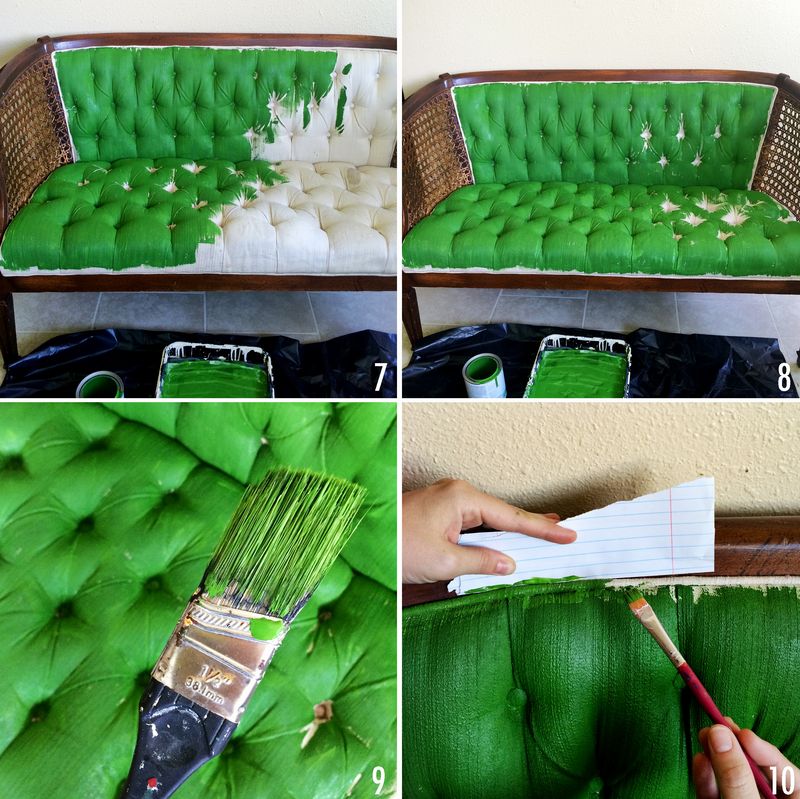
The application process itself requires a deliberate and patient approach. Most upholstery painting projects benefit from multiple thin coats rather than one thick application. This method ensures even coverage, minimizes brush strokes, and preserves the fabric’s flexibility. The most common application tools are high-quality synthetic bristle brushes, foam rollers, or even a paint sprayer. Brushes are ideal for detailed areas and corners, while rollers can provide a smoother, more uniform finish on larger surfaces. Paint sprayers offer the quickest and most even application, especially for complex shapes, but require careful masking to protect surrounding areas and necessitate good ventilation. When using a brush, work in small sections, applying paint in long, even strokes in one direction. Avoid overworking the paint, which can lead to streaks or an uneven texture. If using a roller, ensure it is lightly saturated with paint and roll with consistent pressure. For paint sprayers, follow the manufacturer’s instructions regarding spray distance and pattern to achieve an even mist. Allow each coat to dry thoroughly according to the paint manufacturer’s recommendations before applying the next. This drying time is crucial for flexibility and to prevent the paint from becoming muddy or gummy.
The number of paint coats needed will vary depending on the fabric, the paint color, and the desired level of coverage. It is common to apply anywhere from two to five coats, sometimes more, especially when covering a dark fabric with a light color. With each subsequent coat, the fabric’s texture will gradually change, becoming slightly firmer. This is a normal part of the process. The key is to build up the color gradually rather than attempting to achieve full opacity in a single application. As you apply more coats, the fabric will begin to feel more like a painted surface. Aim for a consistent sheen and color throughout. Inspect the piece under good lighting after each coat to identify any missed spots or areas that require additional attention. Rotate the furniture piece to access all angles and ensure uniform application.
Once the desired color and coverage are achieved, the painting process is not yet complete. Sealing is a critical step in protecting the painted upholstery and enhancing its durability and washability. For chalk paint and milk paint, a clear acrylic sealant, wax, or a specialized fabric sealant is typically used. These sealants not only protect the paint but also add a layer of water resistance and can help to soften the feel of the fabric. A water-based polycrylic or a polyurethane sealant can also be used, but ensure they are specifically formulated for flexibility. Apply the sealant in thin, even coats, allowing each layer to dry completely before applying the next. The number of sealant coats will depend on the level of protection desired and the type of sealant used. For high-traffic items or those prone to spills, multiple sealant coats are recommended. A spray-on fabric sealant can offer a more subtle finish and better preserve the fabric’s drape.
For dedicated fabric paints, many formulations are designed to be self-sealing, meaning they do not require an additional topcoat. However, even with these paints, an extra layer of sealant can provide added protection and longevity, especially in demanding environments. Test the sealant on a small, inconspicuous area first to ensure it doesn’t alter the color or texture of the painted fabric. The type of sealant will influence the final finish. Matte sealants will maintain the chalky look of chalk paint, while satin or semi-gloss finishes will impart a subtle sheen. Experimentation on scrap fabric is highly recommended to achieve the desired aesthetic.
The curing process is another essential phase in ensuring the long-term success of your painted upholstery. While the paint and sealant may feel dry to the touch after a few hours, they often require several days, or even weeks, to fully cure and reach their maximum hardness and flexibility. During the curing period, it is advisable to treat the furniture with care. Avoid excessive rubbing, cleaning, or heavy use. This allows the paint and sealant to bond fully with the fabric fibers. Adhering to the manufacturer’s recommended curing times will significantly contribute to the durability and longevity of your painted piece.
Cleaning and maintenance of painted upholstery require a gentle approach. Avoid harsh chemicals or abrasive cleaning tools. For routine cleaning, a soft brush or a vacuum cleaner with an upholstery attachment is usually sufficient. For minor spills or stains, a damp cloth with a mild soap solution can be used. Blot the area gently rather than rubbing, and allow it to air dry completely. Avoid saturating the fabric with water, as this can compromise the paint and sealant layers. For more stubborn stains, consult the recommendations provided by the paint manufacturer for their specific cleaning guidelines.
The creative possibilities with upholstery painting are virtually limitless. Beyond solid color transformations, consider techniques like stenciling to add intricate patterns, ombre effects to create a gradient of color, or even hand-painted designs for a truly unique piece. Metallic paints can add a touch of glamour, while distress techniques with sandpaper or steel wool can evoke a charming vintage feel. Layering different colors or using a wash of a contrasting color over a base coat can add depth and dimension. Experimentation is key, and the affordability of upholstery painting makes it an ideal medium for exploring new artistic directions.
When undertaking an upholstery painting adventure, remember to prioritize safety and ventilation, especially when working with paints and sealants. Ensure the room is well-ventilated, and consider wearing a mask to avoid inhaling fumes. Cover surrounding areas with drop cloths to protect them from paint drips. Patience is a virtue in this process; rushing can lead to mistakes and a less-than-ideal outcome. Break down the project into manageable steps, and enjoy the rewarding process of breathing new life into your furniture. The ability to customize and refresh your living space with painted upholstery offers a powerful and accessible way to express your personal style.
