
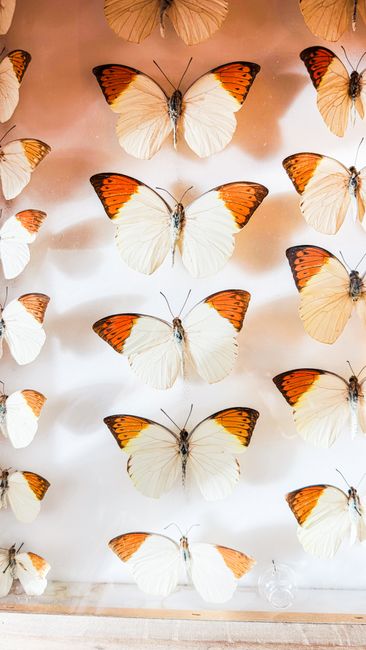
Mastering the Art of Display: Three Proven Tips for Showcasing Your Collections
Effective display of collections transcends mere organization; it transforms individual items into a cohesive narrative, capturing attention, fostering appreciation, and ultimately, elevating the perceived value of each piece. Whether your passion lies in antique postcards, artisanal pottery, vintage comic books, or a more esoteric pursuit, the principles of impactful presentation remain remarkably consistent. This article delves into three fundamental, yet often overlooked, strategies for displaying collections that are both aesthetically pleasing and optimized for discovery, ensuring your curated treasures are seen, understood, and admired. By focusing on context, illumination, and narrative, you can transform a simple arrangement into a captivating exhibition, drawing viewers in and encouraging deeper engagement with your passion.
Tip 1: Cultivate Context Through Strategic Grouping and Juxtaposition
The first and arguably most crucial element in displaying any collection is the strategic cultivation of context. Simply placing disparate items side-by-side, even if they belong to the same overarching category, rarely achieves maximum impact. Instead, by thoughtfully grouping items and employing juxtaposition, you can create visual dialogues and imbue your collection with deeper meaning. This involves moving beyond a purely taxonomic approach (e.g., all the blue vases together) and considering thematic, chronological, or stylistic connections.
Thematic Grouping: Identify overarching themes within your collection that resonate with viewers on an emotional or intellectual level. For instance, if you collect vintage cameras, consider grouping them by their era of innovation, their intended use (e.g., aerial photography, portraiture), or the iconic photographers who used them. A collection of rare stamps could be grouped by country of origin, by the historical events they commemorate, or by the artistic merit of their designs. This thematic approach provides an immediate entry point for understanding, allowing even novice observers to grasp the unifying thread of your passion. For SEO purposes, when describing these thematic groupings, use keywords that potential collectors or enthusiasts might search for. If your theme is "Victorian Era Jewelry," utilize terms like "Victorian engagement rings," "antique mourning jewelry," or "Art Nouveau brooches" within your descriptive text.
Chronological Sequencing: Presenting items in chronological order is a powerful way to illustrate evolution, historical progression, and the development of a particular craft or technology. This is particularly effective for collections that span significant periods. For example, a display of antique clocks could be arranged from early pendulum designs to later, more intricate mechanical movements. A collection of early printed books could showcase the transition from hand-scribed manuscripts to the Gutenberg press and beyond. This narrative arc creates a sense of journey and discovery for the viewer, allowing them to witness the passage of time reflected in your objects. When writing about chronological displays, employ keywords that denote historical periods and technological advancements, such as "18th-century timepieces," "pre-digital photography," or "early printing techniques."
Stylistic Juxtaposition: The deliberate placement of items with contrasting or complementary styles can create compelling visual tension and highlight specific characteristics of each piece. Consider placing a highly ornate Art Nouveau vase next to a minimalist Mid-Century Modern ceramic. This juxtaposition can emphasize the intricate detail of the former and the clean lines of the latter, encouraging viewers to appreciate the distinct aesthetic principles at play. Similarly, placing a mass-produced item alongside a rare, handcrafted equivalent can underscore the value of craftsmanship and uniqueness. This technique is excellent for engaging with audiences interested in design history and art movements. Use descriptive keywords related to artistic periods and design styles like "Bauhaus ceramics," "rococo furniture," or "brutalist sculpture" to attract relevant search traffic.
The Power of Storytelling Through Grouping: Beyond mere visual appeal, these grouping strategies transform your display into a narrative. Viewers are not just looking at individual objects; they are interpreting relationships, understanding historical trajectories, and appreciating design evolution. This narrative engagement is far more memorable and impactful than a haphazard arrangement. When discussing your collection online or in written descriptions, actively weave these contextual stories into your content. Use phrases that suggest narrative, such as "the evolution of," "a journey through," or "contrasting approaches to."
SEO Integration for Context: To maximize the SEO visibility of your collection display, ensure that the descriptions of your groupings are rich with relevant keywords. For each thematic, chronological, or stylistic group, identify the most probable search terms an interested individual would use. For example, if you have a group of antique maps, potential keywords might include "vintage cartography," "historical world maps," "exploration charts," or "nautical navigation." Similarly, for a collection of vintage toys, consider terms like "antique tin toys," "collectible action figures," or "retro board games." The more specific and accurate your keyword usage in describing these curated groupings, the more likely you are to attract a targeted audience searching for precisely what you have to offer. This granular approach to keyword integration within the context of your display is a fundamental aspect of effective SEO for collections.
Tip 2: Strategic Illumination: The Unsung Hero of Collection Display
Light is not merely a functional necessity for viewing; it is a powerful tool that can dramatically enhance the perceived beauty, texture, and value of your collection. Strategic illumination moves beyond general overhead lighting to employ targeted techniques that draw attention to specific elements, create mood, and reveal the intricate details that make your items special. Poor lighting can render even the most exquisite objects dull and unremarkable, while expertly applied light can breathe life into them.
Highlighting Texture and Detail: Different types of lighting reveal different aspects of an object. For items with intricate textures, such as woven textiles, carved wood, or embossed metalwork, raking light (light cast at a low angle across the surface) is highly effective. This technique exaggerates shadows and highlights the three-dimensional qualities of the surface, revealing every nuance of the artist’s or craftsman’s skill. For polished or reflective surfaces, such as glass, ceramics, or metal, softer, diffused lighting can prevent glare and allow the inherent sheen and color to be appreciated. Consider using directional spotlights with adjustable beams to precisely target these textured areas. Keywords for SEO here could include "textured antique rugs," "hand-carved wooden sculptures," "embossed silver plate," or "iridescent art glass."
Color Rendition and Mood Creation: The color temperature of your light source significantly impacts how the colors of your collection are perceived. Warmer light (lower Kelvin, more yellow/red) can create a cozy, intimate, and historical feel, often suitable for antique furniture, vintage photographs, or warm-toned ceramics. Cooler light (higher Kelvin, more blue) can lend a sense of clarity, modernity, and sophistication, ideal for contemporary art, minimalist designs, or items where vibrant, crisp colors are paramount. Furthermore, the intensity of light can evoke different moods. Brighter, more abundant light can create an energetic and inviting atmosphere, suitable for busy displays or items intended to be examined closely. Subtler, more ambient lighting can foster a sense of quiet contemplation and reverence, perfect for showcasing delicate or historically significant artifacts. When discussing lighting for SEO, use terms that describe the visual impact, such as "vibrant ceramic colors," "soft antique wood tones," or "moody lighting for vintage photography."
Preventing Damage and Optimizing Longevity: Beyond aesthetics, lighting choices have practical implications for the preservation of your collection. Many materials, including paper, textiles, and certain dyes, are susceptible to fading and degradation from prolonged exposure to ultraviolet (UV) radiation and excessive heat from light sources. Opting for LED lighting is generally the best practice, as LEDs produce very little UV radiation and minimal heat. If using other types of bulbs, ensure they are fitted with UV filters. Additionally, consider the duration of illumination. For particularly sensitive items, it may be prudent to limit direct lighting to exhibition hours or specific viewing periods. When creating content about display, keywords related to preservation are crucial, such as "UV-filtered lighting for archives," "LED illumination for delicate objects," or "climate-controlled display lighting."
Directional and Accent Lighting: Employing directional spotlights to highlight individual items or small groupings can create focal points within your display. This draws the viewer’s eye to the most important pieces and prevents the collection from appearing overwhelming. Accent lighting can also be used to illuminate display labels or informative plaques, ensuring that visitors can easily learn about the items they are admiring. For SEO purposes, when describing how you use accent lighting, use terms that indicate focus and prominence, such as "spotlighting rare artifacts," "accentuating key pieces," or "highlighting display details."
SEO Integration for Illumination: When discussing your lighting strategies, integrate keywords that are specific to lighting techniques and their impact on collections. For example, if you use raking light on a collection of antique textiles, use phrases like "raking light to reveal intricate weave," "textured textile display lighting," or "highlighting the tactile qualities of vintage fabrics." If you utilize LEDs for color accuracy on paintings, keywords might include "accurate color rendition with LED lighting," "museum-quality lighting for artwork," or "preserving vibrant paint colors." The more descriptive and technically accurate your language regarding illumination, the better you will attract searchers interested in the practical and aesthetic aspects of display, who may be using terms like "best lighting for collectibles," "how to illuminate art," or "display case lighting solutions."
Tip 3: Constructing Narrative Through Display and Description
The most compelling collections are not merely inert objects; they are dynamic stories waiting to be discovered. Constructing a narrative through your display and its accompanying descriptions is paramount to engaging your audience, fostering understanding, and leaving a lasting impression. This involves actively guiding the viewer’s eye, providing context, and using descriptive language that sparks curiosity and encourages deeper exploration.
Visual Storytelling through Arrangement: Beyond thematic grouping, the physical arrangement of your collection can actively tell a story. Consider creating a visual flow that leads the viewer through a progression of ideas, time periods, or stylistic developments. This might involve arranging items from left to right to represent chronological progression, or from bottom to top to symbolize growth or increasing complexity. The negative space around your objects is also a crucial storytelling element. Sufficient spacing prevents visual clutter and allows each item to command its own attention, preventing the viewer from feeling overwhelmed. Conversely, strategic clustering of related items can emphasize their interconnectedness. When describing this visual flow, use active verbs and phrases that suggest movement and progression, such as "leading the viewer through," "a journey from… to," or "building towards a crescendo." For SEO, use keywords that describe the visual experience, like "guided collection display," "flow of historical artifacts," or "visual narrative in curated exhibitions."
The Power of Descriptive Language: The written descriptions accompanying your collection are as vital as the objects themselves. They provide the necessary context, unlock the historical or artistic significance, and imbue the pieces with meaning. Go beyond simple labels. Share the provenance, the unique story behind a particular item, or the cultural context from which it emerged. Use evocative language that appeals to the senses and stimulates the imagination. For instance, instead of "Old Teacup," consider "A delicate porcelain teacup, hand-painted with celestial motifs, whispering tales of Victorian afternoon rituals." This level of detail transforms a mundane object into an engaging artifact. When crafting descriptions, research keywords that potential enthusiasts would use to find items like yours. If you have a collection of vintage fountain pens, consider terms like "classic writing instruments," "collectible calligraphy pens," "rare inkflow systems," or "ergonomic writing tools."
Layering Information for Deeper Engagement: Consider a tiered approach to information. A concise, general label can provide an immediate overview, while more detailed descriptions, accessible perhaps through QR codes or accompanying brochures, can offer deeper dives for those who are particularly interested. This caters to a broader audience, from casual observers to dedicated enthusiasts. For SEO, ensure that the accessible deeper descriptions are also keyword-rich. If you have a collection of antique locks and keys, your main label might say "Antique Locks and Keys," but your deeper description could include "17th-century iron lock mechanisms," "historical security devices," "ornate brass key designs," and "evolution of locksmithing."
Encouraging Interaction and Interpretation: A truly successful display invites interpretation and encourages interaction. Pose questions in your descriptions, or hint at unanswered mysteries associated with your collection. This prompts viewers to think critically and engage with the objects on a more profound level. For online displays, this can translate to encouraging comments, questions, and sharing among your audience. When creating website content or social media posts, use calls to action that prompt engagement, such as "What do you think inspired this design?" or "Share your favorite piece in the comments below."
SEO Integration for Narrative: Weaving narrative and descriptive elements into your SEO strategy is essential for attracting and retaining an audience. When creating content about your collection, use long-tail keywords that reflect the stories you are telling. If your collection tells the story of a particular artisan, use keywords like "biography of [Artisan Name]," "craftsmanship of [Artisan Name] pottery," or "[Artisan Name] signature glaze techniques." If your collection chronicles a specific historical event, incorporate keywords such as "artifacts from the [Event Name] era," "personal accounts of [Event Name]," or "objects that tell the story of [Event Name]." The more you integrate the narrative and descriptive richness of your collection into your keyword strategy, the more likely you are to connect with an audience that is seeking not just objects, but the stories and historical significance they represent. This layered approach to SEO, where storytelling and detailed descriptions are paramount, will drive more qualified and engaged traffic to your collection.

