Aspen, Colorado, stands as a premier global destination, uniquely positioned at the intersection of rugged Rocky Mountain wilderness and high-end urban sophistication. Spanning 3.8 square miles, the town has evolved from its mid-19th-century origins as a silver mining camp into a year-round hub for international commerce, elite winter sports, and cultural tourism. With four distinct mountain peaks—Aspen Mountain, Aspen Highlands, Buttermilk, and Snowmass—the area offers over 5,500 acres of skiable terrain, supported by a sophisticated hospitality infrastructure that caters to a discerning global demographic.

The evolution of Aspen’s luxury real estate market reflects broader shifts in American high-net-worth travel trends. Since the mid-20th century, when industrialist Walter Paepcke and his wife Elizabeth founded the Aspen Institute, the town has successfully branded itself as a "third place"—a center for the mind, body, and spirit. This historical trajectory has resulted in a tiered lodging market that balances the legacy of historic boutique hotels with the contemporary demands of high-density, amenity-rich condominiums and private villas.
The Historical Architecture of Aspen’s Hospitality
The hospitality landscape in Aspen is characterized by a deliberate preservation of its Victorian-era roots contrasted with modern, avant-garde design. The town’s architectural identity is largely protected by rigorous zoning laws and historic preservation ordinances that prevent the encroachment of generic, high-rise urban development.

The Hotel Jerome, established in 1889, serves as the cornerstone of this preservation effort. Built by Jerome B. Wheeler during the height of the silver boom, the hotel has remained a focal point of Aspen’s social life for over 130 years. Its restoration in the 21st century by Auberge Resorts Collection maintained the original brickwork and Western aesthetic while integrating contemporary HVAC, structural, and digital infrastructure required for modern luxury. This strategy of adaptive reuse has become the gold standard for luxury lodging in the region, ensuring that the town’s character remains intact while meeting current occupancy and safety standards.
Economic Impact and Tourism Trends
Data from the Aspen Chamber of Commerce and local economic indicators suggest that tourism remains the primary engine of the local economy. In recent fiscal years, the "shoulder seasons" (late spring and early autumn) have seen significant growth as the destination shifts its marketing focus toward environmental tourism, art, and the renowned Food & Wine Classic in June.

The economic implications of this year-round model are profound. By diversifying from a purely winter-centric destination, Aspen has stabilized local employment and tax revenue. The average daily rate (ADR) for luxury properties in the core continues to track as one of the highest in the United States, often exceeding $1,000 during peak winter months and major summer events. This price floor has, in turn, fueled a surge in the private rental market, with platforms like Airbnb and Vrbo facilitating a wider array of accommodation options for families and long-term visitors who seek the privacy of a residence over the communal nature of a hotel.
Analysis of Modern Lodging Categories
The lodging market in Aspen can be bifurcated into two primary categories: the traditional grand hotel and the boutique residential experience.

The Grand Hotel Experience
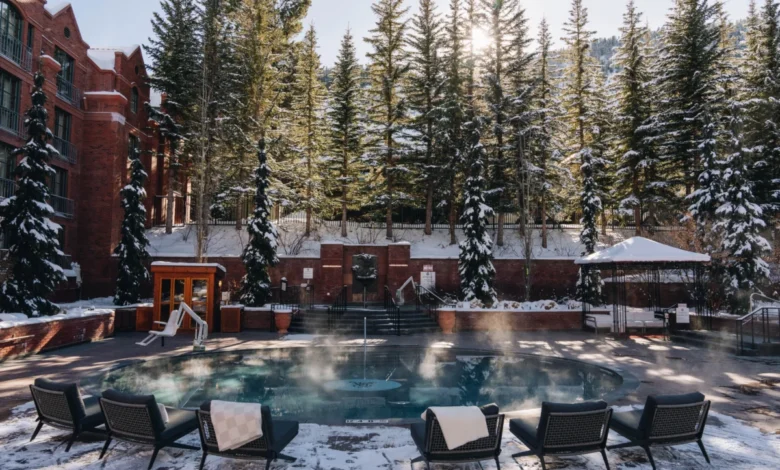
Institutions such as The St. Regis Aspen Resort and The Little Nell represent the pinnacle of service-oriented lodging. These properties operate on a model of "anticipatory service," where staff-to-guest ratios are maximized to provide highly personalized experiences. The Little Nell, notably the only AAA Five Diamond-rated property in the town, serves as the operational hub for much of the elite skiing infrastructure, including private gear fitting and mountain access. These properties often function as social nodes, hosting galas, conferences, and high-profile events that integrate the transient visitor with the local community.
The Boutique and Design-Forward Segment
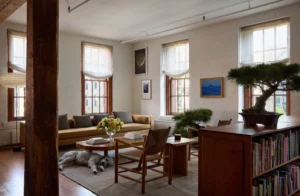
Conversely, newer entrants like the Mollie Aspen represent a shift toward a more minimalist, design-centric aesthetic. Influenced by Scandinavian and Japanese design principles, these properties emphasize communal spaces—lobbies, rooftops, and libraries—as centers for interaction. This reflects a broader trend in the hospitality sector where the "lobby culture" has replaced the traditional, enclosed hotel room as the primary value proposition for younger, design-conscious travelers.

Sustainability and Environmental Stewardship
Aspen’s growth is increasingly constrained by its geography. Situated in a valley, the town faces challenges regarding traffic congestion, housing affordability for service staff, and the environmental impact of high-intensity tourism. Consequently, recent hotel developments, such as the Aspen Meadows Resort—a property deeply rooted in the Bauhaus movement—have focused on optimizing land use and integrating sustainable practices.
The Aspen Meadows Resort’s commitment to the Herbert Bayer legacy is not merely aesthetic; it serves as a testament to the town’s focus on intellectual and artistic development. The property’s 40-acre campus facilitates a quieter, more meditative experience that contrasts with the high-energy core of downtown. This focus on "slower" tourism is a growing segment of the market, catering to guests who prioritize space and historical context over proximity to the nightlife of the downtown core.

Infrastructure and Logistics
Navigating Aspen requires a sophisticated logistical network. The Aspen-Pitkin County Airport (ASE) provides essential connectivity to major hubs, including Denver, Chicago, and Los Angeles. However, the town’s compact geography necessitates a reliance on shuttle services, both public and private. Major hotels have integrated their own fleets into their amenity packages, effectively removing the need for personal vehicles for the majority of guests. This reliance on shuttle transport is a critical component of the town’s environmental and traffic management strategy, helping to mitigate the carbon footprint of its high volume of visitors.
Future Outlook and Market Implications
As of the current decade, the luxury market in Aspen is showing resilience against broader economic fluctuations. The scarcity of available land for new development ensures that existing properties retain significant value. Analysts observe that the next phase of hospitality development will likely focus on "smart technology" integration—digitized concierge services, sustainable energy management systems, and improved high-speed connectivity for the growing demographic of "work-from-anywhere" luxury travelers.

The long-term success of the Aspen model depends on its ability to maintain its dual identity: a playground for the world’s elite and a protected historical landmark. As climate change impacts snowpack levels and seasons, the diversification into year-round activities—such as hiking, fly fishing, and cultural summits—will be essential to maintaining the economic health of the hospitality sector.
Summary of Key Accommodations
| Property | Primary Focus | Best For |
|---|---|---|
| The St. Regis | Heritage & Hedonism | Classic luxury seekers and socialites |
| Hotel Jerome | Historical Preservation | Cultural enthusiasts and history buffs |
| The Little Nell | High-End Ski Service | Serious skiers and culinary travelers |
| Mollie Aspen | Design-Focused Boutique | Modern travelers and design aficionados |
| Aspen Meadows | Art & Architecture | Intellectuals and those seeking space |
| Limelight Hotel | Urban Accessibility | Families and active travelers |
Conclusion
Aspen remains a global benchmark for successful mountain destination management. By carefully curating its hotel landscape to offer a range of experiences—from the historical prestige of the Jerome to the contemporary, quietude of the Meadows—the town ensures that it remains relevant to multiple generations of travelers. For the visitor, the choice of accommodation in Aspen is not merely a decision about where to sleep; it is a decision about how to engage with the town’s unique history, its present-day status as a cultural capital, and its future as an enduring monument to the Rocky Mountain experience. As availability remains tight, prospective travelers are encouraged to align their bookings with their specific lifestyle needs, whether those lean toward the center of the nightlife or the quiet margins of the valley’s vast, protected landscape.