
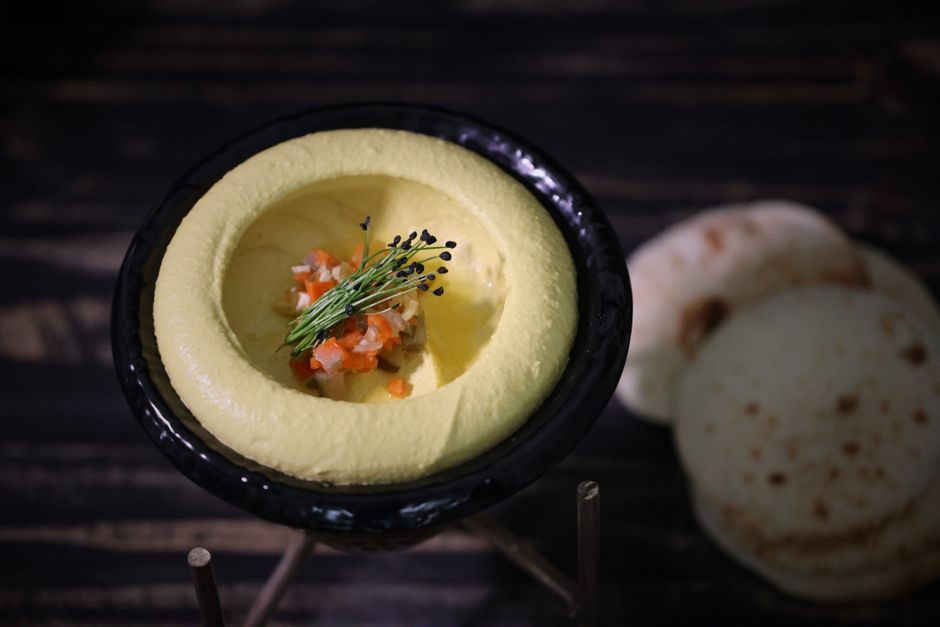
Black Eyed Pea Hummus: A Flavorful, Nutrient-Dense Alternative to Chickpea Classics
Black-eyed pea hummus, a vibrant and protein-rich dip, offers a compelling departure from the traditional chickpea-based spread. While chickpea hummus holds undisputed popularity, black-eyed pea hummus presents a unique nutritional profile and a subtly different flavor and texture that deserves exploration. This article delves into the multifaceted world of black-eyed pea hummus, covering its health benefits, preparation methods, flavor variations, serving suggestions, and its growing recognition as a versatile and delicious staple in healthy eating. Understanding the nuances of this legume-based dip is crucial for anyone seeking to expand their culinary horizons and incorporate more diverse plant-based proteins into their diet. The increasing demand for plant-based protein sources and allergy-conscious alternatives further elevates the importance of exploring legumes beyond the ubiquitous chickpea.
Nutritional Powerhouse: The Health Benefits of Black Eyed Pea Hummus
Black-eyed peas, scientifically known as Vigna unguiculata, are a nutritional powerhouse, and their transformation into hummus amplifies these benefits. They are an excellent source of plant-based protein, essential for muscle repair and growth, and a key component for vegetarians and vegans. Beyond protein, black-eyed peas are remarkably high in dietary fiber, both soluble and insoluble. Soluble fiber aids in cholesterol management and blood sugar regulation, contributing to cardiovascular health and a reduced risk of type 2 diabetes. Insoluble fiber promotes digestive regularity and satiety, making black-eyed pea hummus a satisfying snack that can aid in weight management. The fiber content also contributes to a healthier gut microbiome by acting as a prebiotic, feeding beneficial bacteria.
Furthermore, black-eyed peas are rich in essential minerals. They provide a significant amount of iron, crucial for oxygen transport in the blood and preventing anemia. This is particularly important for individuals who do not consume red meat. They also offer a good supply of folate, vital for cell growth and DNA synthesis, and are important during pregnancy. Potassium, abundant in black-eyed peas, plays a critical role in maintaining healthy blood pressure levels and fluid balance. Manganese, another key mineral found in these legumes, acts as an antioxidant and is involved in bone formation and metabolism.
Vitamins are also well-represented. Black-eyed peas are a source of B vitamins, including thiamine (B1), riboflavin (B2), niacin (B3), and pyridoxine (B6), all of which are essential for energy metabolism and neurological function. The presence of antioxidants, such as flavonoids and phenolic compounds, helps combat oxidative stress in the body, potentially reducing the risk of chronic diseases. The relatively lower glycemic index of black-eyed peas compared to some other carbohydrates means they release sugar into the bloodstream more slowly, leading to more stable energy levels and preventing sharp spikes and crashes. This makes black-eyed pea hummus a smart choice for sustained energy.
Comparing the nutritional profile to chickpea hummus, black-eyed pea hummus often boasts a slightly higher protein content and a similar, if not superior, fiber content. While both are healthy, the distinct mineral and vitamin contributions of black-eyed peas can offer a slightly different but equally beneficial nutritional package. This makes black-eyed pea hummus not just a delicious alternative, but a nutritionally distinct and equally valuable addition to a balanced diet. The versatility of black-eyed peas in absorbing flavors also means that when blended into hummus, they retain and enhance the health benefits of other ingredients like tahini and olive oil, further solidifying its status as a health-conscious food.
Mastering the Art of Black Eyed Pea Hummus: Preparation and Key Ingredients
Crafting excellent black-eyed pea hummus is a straightforward process, yielding impressive results with minimal effort. The foundational ingredients remain consistent with traditional hummus, but the star ingredient, the black-eyed pea, brings its unique characteristics to the fore.
The primary ingredient is, of course, dried or canned black-eyed peas. If using dried peas, soaking them overnight or for at least 8 hours is essential to rehydrate them and reduce cooking time. This step also aids in digestion by reducing phytic acid content. After soaking, drain and rinse the peas thoroughly. Cooking the peas until they are very tender is paramount. Boiling them in fresh water until they can be easily mashed with a fork is the goal. For canned black-eyed peas, simply drain and rinse them well. It is crucial to ensure the peas are thoroughly cooked and soft; otherwise, the hummus will have a grainy texture.
Tahini, a paste made from ground sesame seeds, is another non-negotiable ingredient. It provides the characteristic creamy texture and nutty depth to hummus. A good quality tahini is key to a superior hummus. The ratio of tahini to peas can be adjusted to personal preference, but a good starting point is usually around 1/4 to 1/3 cup of tahini per cup of cooked peas.
Fresh lemon juice is vital for brightness and acidity. It cuts through the richness of the tahini and peas, balancing the flavors. The amount of lemon juice can vary, so tasting and adjusting as you blend is recommended. It’s always better to start with less and add more.
Garlic, in its raw form, adds a pungent kick. The quantity of garlic is a matter of personal preference, but typically one to two cloves are sufficient for a standard batch. Roasting the garlic beforehand can mellow its flavor and add a subtle sweetness, which is a delightful variation.
Olive oil, preferably extra virgin, contributes to the smooth, creamy consistency and adds a rich, fruity flavor. It’s often blended in during the final stages of processing. Some recipes incorporate it both in the blender and as a finishing drizzle.
Water or aquafaba (the liquid from canned chickpeas, or in this case, could be the cooking liquid from the black-eyed peas) is used to achieve the desired consistency. Start with a small amount and add more as needed to reach your preferred smoothness. Aquafaba can also contribute to a particularly creamy texture.
Salt is essential for bringing out all the flavors. It’s best to season gradually and taste as you go.
Basic Preparation Steps:
- Cook the Black-Eyed Peas: If using dried, soak and boil until very tender. If using canned, drain and rinse.
- Combine Ingredients: In a food processor, combine the cooked black-eyed peas, tahini, lemon juice, garlic, and a pinch of salt.
- Blend: Process until a coarse paste forms.
- Emulsify with Olive Oil and Liquid: With the food processor running, slowly drizzle in the olive oil and a tablespoon or two of water (or aquafaba). Continue processing until the hummus is smooth and creamy. Add more liquid gradually, a tablespoon at a time, until the desired consistency is reached.
- Taste and Adjust: Taste the hummus and adjust seasoning with salt and lemon juice as needed.
The texture of black-eyed pea hummus tends to be slightly smoother and less "grainy" than chickpea hummus when prepared properly, due to the inherent texture of the peas. This makes it an excellent base for ultra-smooth dips. Over-processing can lead to a gummy texture, so it’s important to achieve a balance of smoothness without making it tough.
Flavor Variations and Culinary Adventures
The beauty of black-eyed pea hummus lies in its adaptability. Once the basic recipe is mastered, a world of flavor possibilities opens up, allowing for creative culinary expressions and catering to diverse palates.
Spicy Variations:
- Harissa Black-Eyed Pea Hummus: Incorporate a tablespoon or two of harissa paste into the food processor for a smoky, fiery kick. This North African chili paste, made from roasted red peppers, garlic, and spices, complements the earthy notes of the black-eyed peas beautifully.
- Jalapeño or Serrano Black-Eyed Pea Hummus: Add a fresh, chopped jalapeño or serrano pepper (seeds removed for less heat, if desired) to the blender. For a milder heat, consider a roasted poblano pepper.
- Smoked Paprika and Chili Flake Hummus: A simple yet effective variation, adding smoked paprika for depth and chili flakes for a touch of heat.
Herbal and Aromatic Variations:
- Cilantro-Lime Black-Eyed Pea Hummus: Blend in a generous handful of fresh cilantro and an extra squeeze of lime juice. This creates a vibrant, refreshing dip reminiscent of Mexican flavors.
- Mint and Parsley Black-Eyed Pea Hummus: A Middle Eastern-inspired blend of fresh mint and parsley offers a bright, herbaceous counterpoint to the richness of the hummus.
- Rosemary and Thyme Black-Eyed Pea Hummus: For a more robust, earthy flavor profile, add finely chopped fresh rosemary and thyme. This pairs well with roasted vegetables.
Earthy and Umami-Rich Variations:
- Roasted Red Pepper Black-Eyed Pea Hummus: Roast a red bell pepper until charred, peel it, and blend it into the hummus. This adds a natural sweetness and a smoky depth.
- Sun-Dried Tomato Black-Eyed Pea Hummus: Blend in a few oil-packed sun-dried tomatoes for an intense burst of savory, sweet flavor.
- Mushroom Black-Eyed Pea Hummus: Sauté finely chopped mushrooms (like cremini or shiitake) until golden brown and then blend them into the hummus for an extra layer of umami.
Sweet and Savory Combinations:
- Honey-Dijon Black-Eyed Pea Hummus: A touch of honey and Dijon mustard adds a delightful sweet and tangy complexity. This works surprisingly well as a dip for roasted chicken or pork.
- Curried Black-Eyed Pea Hummus: Stir in a teaspoon of your favorite curry powder and a pinch of turmeric for a warm, aromatic twist. A hint of ginger can also be added.
Exotic and Global Influences:
- Ginger-Scallion Black-Eyed Pea Hummus: Inspired by East Asian flavors, this variation includes grated fresh ginger and finely chopped scallions.
- Saffron and Cardamom Black-Eyed Pea Hummus: A more sophisticated blend, using the delicate floral notes of saffron and the warm spice of cardamom for a truly unique taste.
When experimenting with flavor variations, it’s important to consider the synergy between the added ingredients and the base black-eyed pea hummus. Start with smaller quantities of potent flavors and taste as you go. The goal is to enhance, not overpower, the natural goodness of the black-eyed peas. The subtle sweetness of black-eyed peas also makes them particularly well-suited for additions that have a touch of sweetness or acidity.
Serving Suggestions: A Versatile Condiment and Dip
Black-eyed pea hummus transcends its role as a mere dip, evolving into a versatile culinary asset that can elevate a wide array of dishes. Its creamy texture, appealing color, and nutritious profile make it an ideal accompaniment and ingredient across various meal occasions.
Classic Dipping Uses:
- Vegetable Crudités: The most traditional and always-appreciated use. Serve with an assortment of fresh, crisp vegetables like carrots, celery, bell peppers, cucumber, broccoli florets, snap peas, and cherry tomatoes.
- Pita Bread and Flatbreads: Warm pita bread, crusty baguette slices, or your favorite flatbreads are perfect vehicles for scooping up hummus.
- Crackers and Pretzels: A convenient and crowd-pleasing option for snacking. Opt for whole-grain crackers for added nutritional value.
Sandwich and Wrap Enhancement:
- Hummus as a Spread: Replace mayonnaise or other creamy spreads with black-eyed pea hummus in sandwiches and wraps. It adds moisture, flavor, and a protein boost. It pairs exceptionally well with grilled chicken, turkey, roasted vegetables, and falafel.
- Layered Wraps: Spread a generous layer of hummus on a tortilla, add your fillings, and roll. The hummus acts as a binder and adds a delicious creamy element.
Salad Star:
- Salad Dressing: Thin the hummus with a little water, lemon juice, or olive oil to create a creamy, flavorful salad dressing. It’s particularly good on grain-based salads or those featuring roasted vegetables.
- Salad Topping: Dollop a spoonful of hummus onto a salad for added texture, protein, and creaminess. It complements leafy greens, quinoa, farro, and bean salads.
Appetizer and Snack Ideas:
- Stuffed Vegetables: Use black-eyed pea hummus to stuff bell peppers, mushrooms, or mini zucchini. Bake until tender for a healthy and satisfying appetizer.
- Nachos and Dips: Instead of cheese sauce, drizzle warm black-eyed pea hummus over tortilla chips for a healthier take on nachos. It also works well as a dip base for a party platter.
- Skewers: Thread cherry tomatoes, cucumber chunks, olives, and cubes of grilled halloumi onto skewers, and serve with a side of black-eyed pea hummus for dipping.
As a Side Dish:
- Accompaniment to Grilled Meats and Fish: The tangy and creamy nature of hummus makes it an excellent counterpoint to richer flavors of grilled chicken, lamb, or fish.
- Dip for Roasted Potatoes or Sweet Potatoes: The earthy sweetness of roasted root vegetables is wonderfully complemented by the savory notes of black-eyed pea hummus.
Culinary Ingredient:
- Base for Sauces: Blend black-eyed pea hummus into sauces for pasta, grains, or vegetables to add a creamy texture and a subtle nutty flavor.
- Binding Agent: In vegetarian burgers or falafel, hummus can act as a binding agent, contributing to the structure and moisture.
The visual appeal of black-eyed pea hummus, often a lighter, more golden hue than chickpea hummus, makes it an attractive addition to any platter. Its versatility ensures that it can be incorporated into everyday meals or become the star of a special occasion. The key is to experiment and discover the many ways this humble legume can be transformed into something extraordinary. Its ability to absorb and complement a wide range of flavors makes it a chef’s best friend and a home cook’s secret weapon.
Market Trends and Future Outlook
The burgeoning interest in plant-based eating, coupled with a growing awareness of the nutritional benefits of legumes beyond the familiar, is propelling black-eyed pea hummus into the culinary spotlight. As consumers increasingly seek out diverse, protein-rich, and allergy-conscious food options, black-eyed pea hummus is well-positioned for significant growth.
The trend towards "free-from" diets – gluten-free, dairy-free, and often nut-free – makes black-eyed pea hummus an attractive option. It naturally fits these dietary requirements, offering a safe and delicious alternative for a broader demographic. Furthermore, the global appeal of hummus, with its Middle Eastern origins, is undeniable. As culinary boundaries blur and diverse cuisines gain wider acceptance, the exploration of variations like black-eyed pea hummus becomes more natural and expected.
The "superfood" narrative continues to influence purchasing decisions, and the comprehensive nutritional profile of black-eyed peas – high in protein, fiber, iron, folate, and antioxidants – aligns perfectly with this trend. Consumers are actively looking for foods that not only taste good but also contribute positively to their overall health and well-being. Black-eyed pea hummus delivers on both fronts.
The market for plant-based dips and spreads has seen consistent growth over the past decade, and black-eyed pea hummus is poised to capture a significant share of this expanding market. While chickpea hummus remains dominant, the demand for novelty and variety is substantial. Food manufacturers are increasingly recognizing the potential of less common legumes as bases for new and innovative products. This opens doors for black-eyed pea-based dips to appear in mainstream grocery stores and specialty food shops.
The accessibility and affordability of dried black-eyed peas also contribute to their potential for wider adoption. They are a cost-effective source of nutrition, making them an appealing ingredient for both home cooks and food producers. As supply chains become more robust and consumer demand escalates, the availability and variety of black-eyed pea hummus products are expected to increase.
Future developments may include enhanced pre-packaged options with diverse flavor profiles, catering to the convenience-seeking consumer. Innovations in processing techniques could further improve texture and shelf-life, making it an even more attractive option for food service and retail. The continued emphasis on sustainable and ethically sourced food products also plays into the favor of legumes, which are generally considered to have a lower environmental impact compared to animal-based protein sources.
In conclusion, the future of black-eyed pea hummus is bright. Its inherent nutritional value, culinary versatility, and alignment with major food trends position it as a significant player in the evolving landscape of healthy and plant-based eating. Its journey from a lesser-known legume to a staple dip is well underway, promising a more diverse and flavorful future for hummus enthusiasts worldwide. The exploration of this single legume underscores the vast potential within the plant kingdom to satisfy our palates and nourish our bodies.

