
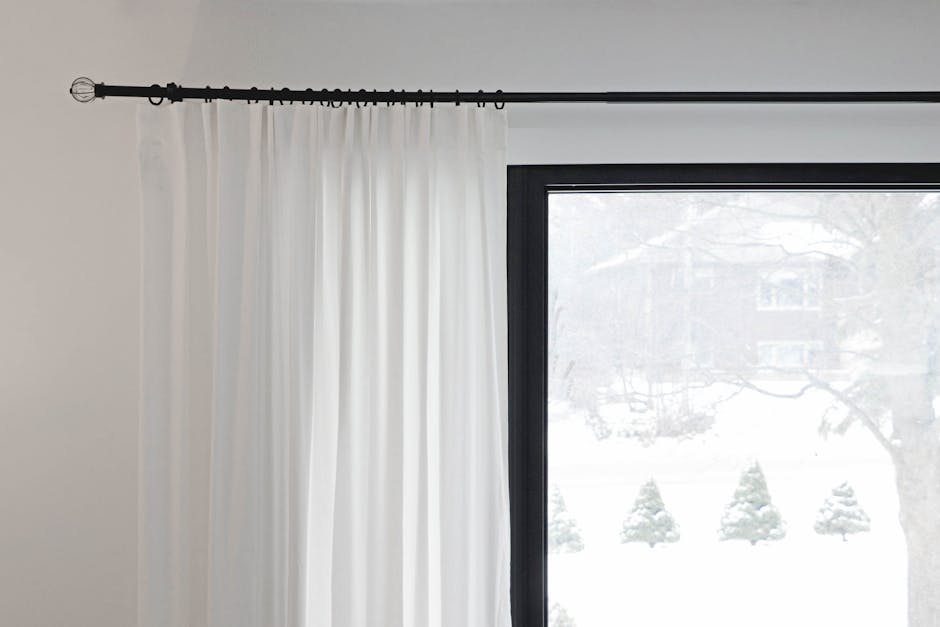
Budget Curtain Rod Finial DIY: Elevate Your Window Treatments Without Breaking the Bank
The seemingly small detail of curtain rod finials can dramatically alter the aesthetic of your window treatments. Often an overlooked element, these decorative end caps provide a finishing touch that can transition a plain rod into a statement piece. However, commercially purchased finials can carry a surprisingly hefty price tag, especially for unique or designer styles. Fortunately, with a bit of creativity and readily available materials, you can craft stunning and budget-friendly DIY finials that perfectly complement your home decor. This comprehensive guide explores various methods, materials, and techniques for creating your own custom finials, ensuring you achieve a high-end look without the high-end cost.
The fundamental principle behind DIY curtain rod finials is transforming everyday objects or readily sourced craft supplies into decorative elements. The key is to consider the overall style of your room and the existing curtain rod. Are you aiming for a modern, minimalist look, a rustic farmhouse vibe, a vintage charm, or a glamorous art deco feel? Your chosen materials and finishing techniques will dictate the final outcome. Before embarking on your DIY journey, take a moment to assess your current rod’s diameter and the threading mechanism (if any) for attaching finials. Most standard curtain rods have a threaded end, but some may require adhesive or a different attachment method.
One of the most accessible and versatile DIY finial methods involves repurposing common household items. Think about objects that have an interesting shape or texture. Old doorknobs, for instance, offer a wealth of possibilities. Vintage brass or porcelain doorknobs can lend an antique elegance, while sleek, modern metal doorknobs can contribute to a contemporary aesthetic. To attach a doorknob, you’ll typically need to drill a hole through its center and secure it to the curtain rod using a strong adhesive like E6000 or a screw. If the doorknob has a hollow interior, you might be able to thread a screw directly into it and then into the rod. For doorknobs with a central shaft, you may need to adapt a washer or a small piece of wood to create a stable connection. Always ensure the connection is secure and can withstand the weight of your curtains.
Another excellent source for DIY finial materials is the craft store. Unfinished wooden finials, spheres, cubes, or even small decorative figurines can serve as excellent bases. These can be painted, stained, decoupaged, or embellished to match your decor. For a minimalist look, a simple coat of matte black or brushed nickel paint can be incredibly effective. For a more opulent feel, consider metallic spray paints in gold, silver, or rose gold. Glitter can also be incorporated for a touch of sparkle, either applied directly or mixed into paint. Decoupage offers endless creative avenues. You can use patterned paper, fabric scraps, or even pages from old books or maps to cover wooden bases, creating unique and personalized finials. Seal your decoupage project with a clear polycrylic or Mod Podge to protect the design and provide a durable finish.
For those who appreciate a more organic or natural aesthetic, consider using natural elements. Pinecones, acorns, or even smooth stones can be transformed into rustic finials. Large pinecones can be spray-painted or left in their natural state. Acorns, when cleaned and sealed, can be glued onto a base or directly to the rod. Smooth river stones or decorative pebbles can be adhered to a suitable base and then attached to the rod. To attach natural elements, you’ll likely need a strong adhesive like E6000 or a hot glue gun. Ensure the elements are thoroughly cleaned and dried before application to prevent mold or decay. A clear sealant can also prolong their lifespan and enhance their appearance.
Sculpting your own finials from air-dry clay or polymer clay is another rewarding DIY approach. This method allows for complete creative control over shape, size, and texture. Air-dry clay is generally more affordable and readily available. Once sculpted, allow the clay to dry completely according to the manufacturer’s instructions. Then, you can paint, stain, or seal your creation. Polymer clay offers greater durability and a smoother finish, and it can be baked in a home oven to harden. When sculpting, remember to incorporate a hollow space or a pre-made attachment point for the curtain rod. For example, you can embed a small nut or a pre-drilled hole into the clay before it dries or bakes. Experiment with different sculpting tools to create unique textures and patterns.
For a truly unique and personalized touch, consider repurposing old jewelry. Beads, charms, pendants, or even broken pieces of statement jewelry can be strung together or glued onto a suitable base to create eye-catching finials. This is particularly effective for adding a bohemian or eclectic flair to your decor. Think about combining different textures and colors of beads for visual interest. A large, decorative pendant can serve as a central focal point, with smaller beads and charms cascading around it. Ensure that your jewelry components are securely attached to the base and that the overall weight is manageable for your curtain rod.
When it comes to attaching your DIY finials, security and stability are paramount. For threaded rods, many DIY finials can be created with a corresponding threaded insert or a hollow space that can accommodate the rod’s threaded end. You can often find threaded inserts at hardware stores or online craft suppliers. If your DIY finial base is solid, you may need to drill a pilot hole and then carefully thread in the rod’s end. For non-threaded rods or for finials that require a stronger hold, adhesive is your best friend. E6000 is a highly recommended industrial-strength adhesive that is both flexible and durable, making it ideal for this application. Ensure both surfaces are clean and dry before applying the adhesive. A small amount of epoxy putty can also be used to fill gaps and create a solid bond. For heavier finials or particularly heavy curtains, consider reinforcing the connection with a small screw drilled through the finial base and into the curtain rod.
The finishing touches are what elevate a DIY project from ordinary to extraordinary. Painting is perhaps the most transformative technique. Spray paints offer a smooth, even finish and come in a vast array of colors and effects. Metallic finishes can mimic the look of expensive metal finials. Matte finishes provide a sophisticated, understated look. For a more artisanal feel, consider hand-painting intricate designs or patterns. Acrylic paints are excellent for this purpose, offering good coverage and durability when sealed. Staining is another effective method, particularly for wooden bases, allowing the natural grain of the wood to show through while adding color. Experiment with different wood stains to achieve the desired tone.
Embellishment opens up a world of creative possibilities. Beads, rhinestones, studs, and decorative tacks can be applied to your finials to add texture and sparkle. For a glamorous look, liberally apply rhinestones or crystals. For a more industrial or punk-inspired aesthetic, consider using metal studs or rivets. Even small details like decorative nailheads can add a unique touch. Always consider the scale and proportion of your embellishments in relation to the size of your finial and the overall room.
Sealing your DIY finials is a crucial step in ensuring their longevity and protecting your hard work. A clear sealant will protect against dust, moisture, and wear and tear. For painted or decoupaged finials, a clear spray acrylic sealant or a brush-on polycrylic will provide a durable finish. For natural elements, a clear polyurethane or a water-based sealant can protect against the elements and enhance their natural beauty. Ensure you apply the sealant in a well-ventilated area and follow the manufacturer’s instructions for application and drying times.
When choosing your materials and design, always consider the weight of your curtains. Heavy, luxurious drapes will require sturdier finials and a more robust attachment method than lightweight sheers. If you’re concerned about the weight, opt for lighter materials or reinforce your attachment points. Test the stability of your finials by gently pulling on them before hanging your curtains.
The beauty of DIY curtain rod finials lies in their adaptability. You can create a cohesive look throughout your home by using the same materials and techniques for all your window treatments. Alternatively, you can experiment with different styles in different rooms to reflect the unique personality of each space. From the subtle elegance of painted wooden spheres to the statement-making glamour of crystal-embellished orbs, the possibilities are truly endless. By embracing creativity and utilizing readily available materials, you can transform your curtain rods into decorative focal points, adding a personalized and sophisticated touch to your home decor without overspending. The satisfaction of creating something beautiful and functional with your own hands is a reward in itself, making these budget-friendly DIY finials a project worth undertaking.

