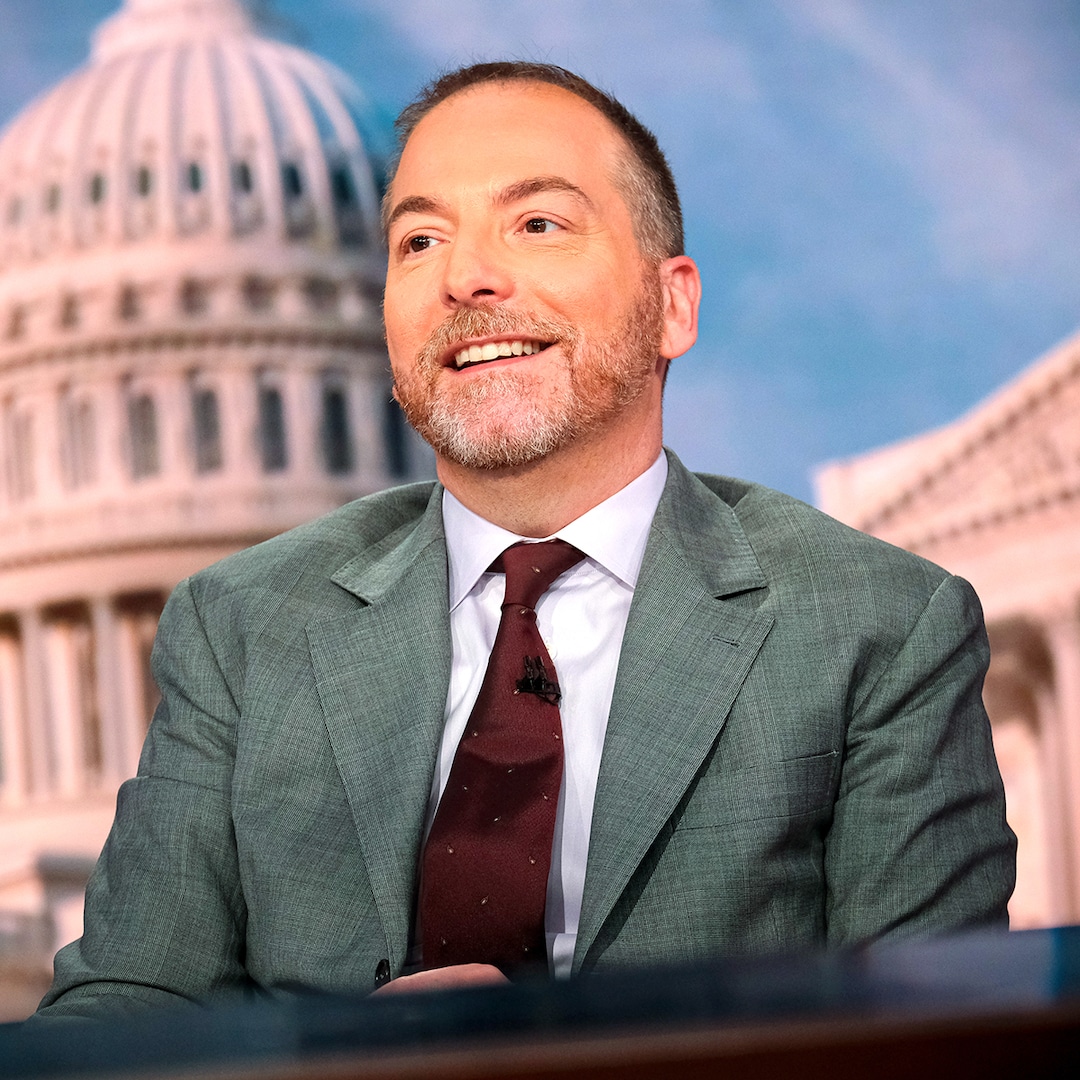

Chuck Todd’s NBC News Exit: A Shifting Political Landscape and Media Accountability
Chuck Todd’s departure from NBC News after a nearly two-decade tenure, a period that coincided with the seismic shifts in American politics brought about by the Trump presidency, marks a significant moment in political journalism. His exit from "Meet the Press," the venerable Sunday public affairs program he helmed for nine years, and his broader role within the network, invites a critical examination of the evolving media environment, the challenges of political reporting in an era of intense polarization, and the perennial question of media accountability. Todd’s time at NBC News spanned pivotal moments, from the Obama administration’s second term through the entirety of Donald Trump’s presidency and the subsequent political fallout. This era was defined by unprecedented challenges for journalists, including the rise of disinformation, the erosion of trust in institutions, and the relentless pressure to cover a political figure who frequently defied traditional norms and engaged in direct confrontation with the press. Todd, as the host of "Meet the Press," found himself at the forefront of these challenges, tasked with moderating discussions, interviewing key figures, and attempting to provide clarity and context in a rapidly changing political landscape. His departure, therefore, is not merely a personnel change but a signal that the media landscape itself is in flux, prompting a reevaluation of how political news is consumed and reported. The sheer duration of Todd’s involvement, nearly twenty years, signifies his deep immersion in the network’s political coverage and his intimate knowledge of the internal workings and external pressures that shape broadcast journalism.
The Trump era, in particular, presented a unique crucible for political journalists. Donald Trump’s unconventional communication style, his frequent use of social media to bypass traditional media filters, and his consistent attacks on journalists as "enemies of the people" created an environment of heightened tension and scrutiny. Todd, like many of his peers, had to navigate this terrain, balancing the imperative to report on Trump’s actions and statements with the need to fact-check and contextualize them. "Meet the Press," under his leadership, often featured direct confrontations with Trump allies and surrogates, aiming to hold them accountable for the administration’s policies and pronouncements. This approach, while sometimes lauded for its directness, also drew criticism from those who felt it either amplified Trump’s message or was too confrontational. The relentless news cycle, fueled by Trump’s constant stream of tweets and public appearances, placed an immense burden on news organizations to be constantly vigilant, discerning fact from fiction, and presenting information in a way that was both accurate and accessible to a diverse audience. Todd’s tenure was a testament to the difficulty of this task, as he grappled with the ethical dilemmas and practical challenges inherent in covering a presidency that deliberately sought to disrupt established journalistic practices. His departure raises questions about the long-term sustainability of such demanding roles within traditional media structures.
The specific reasons for Todd’s exit are likely multifaceted, as is often the case with high-profile departures in the media industry. While NBC News has not provided explicit details, speculation often centers on a combination of factors: the demanding nature of hosting a prominent political program, the desire for new challenges, potential shifts in network strategy, or even personal career aspirations. Hosting "Meet the Press" is a 24/7 commitment that requires constant engagement with political developments, preparation for interviews, and the management of a complex production. The pressures of maintaining ratings, navigating internal network politics, and responding to public and critical feedback can take a significant toll. Furthermore, the media industry itself is undergoing a period of profound transformation, with the rise of digital platforms, the fragmentation of audiences, and the economic challenges facing traditional broadcast news. These broader trends can influence career decisions for seasoned journalists. Todd’s nearly two decades at NBC News represent a significant investment of his career, and it is plausible that he is seeking a change in pace, a different type of journalistic endeavor, or an opportunity to explore new avenues of media engagement. The specific timing of his departure, occurring as the nation continues to grapple with the lingering effects of the Trump presidency and the ongoing evolution of its political discourse, adds another layer of significance.
Todd’s impact on political journalism is undeniable, particularly his role in shaping the conversation around "Meet the Press." He is known for his in-depth interviewing style, his commitment to fact-based reporting, and his willingness to engage in substantive discussions about policy and political strategy. Under his leadership, the program often delved into the intricacies of Washington D.C., aiming to provide viewers with a deeper understanding of the forces shaping American politics. He frequently employed visual aids and data-driven analysis to illustrate complex issues, a hallmark of his approach to making political news more digestible. His interviews were often characterized by a directness that aimed to elicit clear answers from politicians and policymakers, even when those answers were uncomfortable. This approach positioned "Meet the Press" as a significant platform for accountability journalism, where public figures were expected to defend their positions and explain their actions. The show’s influence extends beyond its immediate viewership, as its interviews and segments are widely disseminated and discussed across the media landscape, shaping the broader political narrative. Todd’s departure means the end of an era for "Meet the Press," and his successor will inherit a program with a long and storied history, as well as the immense challenge of continuing to engage a politically diverse and often skeptical audience.
The narrative of Chuck Todd’s exit is inextricably linked to the Trump presidency and its lasting impact on American politics and media. Trump’s presidency was marked by a sustained effort to delegitimize critical reporting, often labeling news organizations as "fake news" and individual journalists as biased. This created a challenging environment for those tasked with holding power accountable. Todd, as the host of "Meet the Press," was frequently a target of such criticism, both directly from Trump and from his supporters. Navigating this hostility required a delicate balance of reporting the facts, challenging falsehoods, and maintaining professional decorum. The rise of social media further complicated this dynamic, allowing political figures to communicate directly with their followers, often circumventing traditional media gatekeepers and fueling partisan echo chambers. Todd’s reporting and interviews often sought to bridge these divides, or at least to illuminate the differing perspectives and the underlying political forces at play. His departure can be seen as a reflection of the immense pressure and the shifting dynamics that political journalists have faced in the post-Trump era, an era that continues to grapple with the legacy of his presidency and the challenges of maintaining a shared understanding of reality. The increased polarization of the electorate means that political news itself has become a partisan battleground, making the task of objective reporting all the more difficult.
The future of political journalism in the wake of such shifts is a critical question. As established figures like Todd move on from prominent roles, it signals a potential transition in how political news is produced and consumed. The continued growth of digital media, the increasing reliance on social media for news, and the challenges of distinguishing credible information from disinformation all pose significant hurdles for traditional news organizations. The economic realities of the media industry, with declining advertising revenues and the pressure to achieve high viewership numbers, also play a role. This can sometimes lead to a focus on sensationalism or partisan appeals rather than in-depth, nuanced reporting. Todd’s departure from NBC News is not an isolated event but rather part of a larger trend of evolution within the media landscape. It prompts a broader discussion about the role of legacy media in a fragmented information ecosystem, the importance of media literacy for audiences, and the ongoing struggle to foster informed public discourse in an era of intense political division. The challenges that Todd faced during his tenure are indicative of the broader challenges confronting political journalism today, and his exit serves as a reminder of the dynamic and often turbulent nature of this vital profession. The question of how to effectively cover politics, hold power accountable, and inform the public remains a central and pressing concern, and the departure of prominent figures like Chuck Todd compels us to re-examine these fundamental questions. The search for his successor at "Meet the Press" will undoubtedly be closely watched, as it will offer clues about the network’s future direction in political coverage and the evolving landscape of broadcast journalism. The impact of his nearly two decades at NBC News, a period that witnessed profound political upheaval and transformation, will continue to resonate within the industry and the broader public discourse.

