The 78th Venice International Film Festival is set to showcase a compelling array of emerging cinematic voices at its prestigious Critics’ Week (Settimana Internazionale della Critica), a parallel section dedicated exclusively to debut feature films. This year’s selection, running from September 2 to September 12, 2021, presents a global tapestry of stories, exploring complex themes ranging from personal reconciliation and the lingering specters of colonialism to the disruptive power of technology and the universal quest for identity.
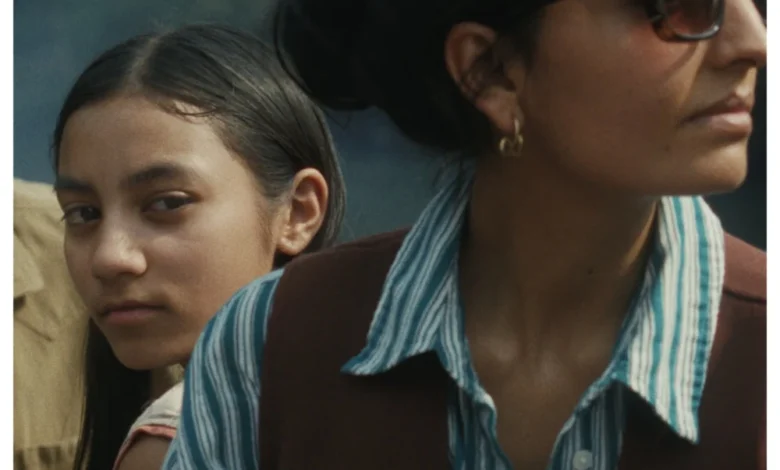
Leading the charge among the standout entries is "Our Share of Sand," the debut feature from London-based Chilean-Indian director Shalini Adnani. This deeply personal narrative centers on Maya, a 12-year-old girl who undertakes a poignant journey back to rural India to mend the fractured relationship with her estranged father. Adnani’s film promises an intimate exploration of familial bonds, cultural heritage, and the challenging process of reconnection, marking a significant moment for the emerging filmmaker. The film is a co-production between the United Kingdom, India, and Greece, underscoring its international scope and collaborative spirit.
The Critics’ Week section, renowned for its commitment to discovering new talent, features a robust representation from Latin America. Colombia, in particular, presents two highly anticipated titles. "The End of Times," a genre-bending fiction-documentary hybrid, is co-directed by Bibiana Rojas Gómez and Juan David Cárdenas. This ambitious project delves into the historical narratives of colonialism and capitalism in Colombia, utilizing artificial intelligence as a critical tool to analyze and reframe these complex issues. The film’s innovative approach to historical storytelling and its engagement with cutting-edge technology signal a bold direction for contemporary cinema.
Complementing "The End of Times" is Sebastián Múnera’s drama "Meteorite." This Colombian production tackles a provocative subject matter: the controversial plans to construct an amusement park on the former estate of notorious drug lord Pablo Escobar. The film is expected to dissect the societal implications and historical weight associated with such a development, raising questions about how nations confront and memorialize their most turbulent pasts. The juxtaposition of entertainment and a dark legacy offers fertile ground for cinematic exploration.
Italy also commands a significant presence in the Venice Critics’ Week lineup, reflecting the nation’s enduring contribution to the art of filmmaking. Tommaso Usberti, a director based in Paris, presents "Before the War" (Prima Della Guerra). This drama, selected for competition, tells the story of Guido, a young man raised in a Northern Italian environment steeped in racism, whose life is irrevocably altered when he falls in love with Sonia, a Kosovar immigrant. The film is poised to examine themes of prejudice, forbidden love, and the societal divisions that continue to shape contemporary Europe. Usberti’s Italian heritage and his artistic grounding in Paris offer a unique perspective on the film’s themes.
The section’s out-of-competition offerings are equally noteworthy. The opening film is Marco Santi’s "Giaffa the Great" (Il Grande Giaffa), an existential noir that promises a captivating and atmospheric start to the festival’s parallel section. The closing film, an Italian rap musical titled "Rider," is co-directed by Roan Johnson and the prominent local music producer known as Dade (Davide Pavanello). This vibrant musical follows a young food delivery driver whose mundane life takes an unexpected turn when a delivery to a lavish villa on the outskirts of Milan leads to an evening of unforeseen encounters and experiences. The blend of contemporary music and a narrative of chance encounters suggests a fresh and energetic conclusion to the Critics’ Week program.
The Venice Critics’ Week competition comprises seven films, all of which are world premieres and helmed by first-time directors. This focus on debut features underscores the section’s vital role in nurturing and amplifying new cinematic voices on the international stage.
Beyond the Italian and Colombian contributions, the competition slate is further enriched by diverse international entries. Kamel Laaridhi’s Tunisian dystopian drama, "The H@llow Man," transports audiences to the year 2059, where a biochip controls memory and suppresses emotion. This speculative fiction offers a timely commentary on surveillance, personal autonomy, and the potential consequences of technological integration into human consciousness.
From China, Dong Jie’s drama "Zoom In, Zoom Out" delves into the digital realm, following a young video game designer on a quest to find his missing roommate, Gao. The search is guided by a cryptic clue embedded within an online game, suggesting a narrative that blurs the lines between virtual and real-world mysteries.
Rounding out the competition is the Brazilian drama "London," directed by Victor Di Marco and Márcio Picoli. The film centers on a young adult with a disability, exploring the challenges and triumphs inherent in navigating life and societal expectations. The choice of "London" as a title for a Brazilian film may suggest a thematic exploration of global perspectives, aspirations, or perhaps a narrative that transcends geographical boundaries in its depiction of universal human experiences.
Beatrice Fiorentino, General Delegate of Venice Critics’ Week, articulated the significance of this year’s selection in a statement. "Whilst the industry at large is grappling with its crises," she remarked, "these works are proof that cinema never stopped asserting its own cruciality. This cinema is fierce and independent, daring and vibrant, resolute in its reminder that our collective imagination can, and indeed must, continue to be rewritten." Fiorentino’s words highlight the resilience and innovative spirit of independent filmmaking in the face of contemporary challenges.
A significant incentive for these emerging filmmakers is the opportunity to compete for the Lion of the Future award, a prestigious prize that recognizes the best debut film across all sections of the Venice Film Festival. The winner of the Lion of the Future receives a substantial $100,000 grant, providing crucial financial support for future projects and further cementing their presence in the global film landscape. All entries in the Venice Critics’ Week competition are eligible for this esteemed award, placing them directly in contention with films from the festival’s official selection.
The 83rd edition of the Venice International Film Festival is scheduled to take place from September 2 to September 12, 2021. The full lineup of the official selection was slated for announcement on Thursday, adding to the anticipation surrounding the festival’s grand unveiling. The Venice Critics’ Week program, with its diverse and thought-provoking selection of debut features, promises to be a vital platform for the future of cinema, offering audiences a glimpse into the stories and perspectives that will shape the cinematic conversation in the years to come.
Venice Critics’ Week 2021: Competition Lineup
The seven films vying for recognition in the competition section of the Venice Critics’ Week represent a global spectrum of emerging directorial talent. Each film marks a significant milestone as the director’s first feature-length production, and all are enjoying their world premieres on the prestigious Lido.
-
The End of Times
- Directors: Bibiana Rojas Gómez, Juan David Cárdenas
- Country: Colombia
- Genre: Fiction-Documentary Hybrid
- Synopsis: An exploration of colonialism and capitalism in Colombian history, leveraging artificial intelligence to reinterpret historical narratives.
-
The H@llow Man
- Director: Kamel Laaridhi
- Country: Tunisia
- Genre: Dystopian Drama
- Synopsis: Set in 2059 Tunisia, where a biochip governs memory and emotional expression, raising questions about societal control and individuality.
-
London
- Directors: Victor Di Marco, Márcio Picoli
- Country: Brazil
- Genre: Drama
- Synopsis: A narrative focusing on the experiences and challenges faced by a young adult with a disability.
-
Meteorite
- Director: Sebastián Múnera
- Country: Colombia
- Genre: Drama
- Synopsis: Examines the societal implications of plans to build an amusement park on the former estate of drug lord Pablo Escobar.
-
Our Share of Sand
- Director: Shalini Adnani
- Countries: India, United Kingdom, Greece
- Genre: Drama
- Synopsis: A 12-year-old girl, Maya, returns to rural India to reconnect with her estranged father.
-
Prima Della Guerra (Before the War)
- Director: Tommaso Usberti
- Countries: France, Italy
- Genre: Drama
- Synopsis: A young man raised in a racist milieu falls for a Kosovar immigrant, exploring themes of prejudice and forbidden love.
-
Zoom In, Zoom Out
- Director: Dong Jie
- Country: China
- Genre: Drama
- Synopsis: A young video game designer searches for his missing roommate, following clues found within an online game.
Venice Critics’ Week 2021: Out of Competition
The Critics’ Week also features significant films presented outside of the main competition, including its opening and closing presentations.
-
Il Grande Giaffa (Giaffa the Great) – Opening Film
- Director: Marco Santi
- Country: Italy
- Genre: Existential Noir
- Synopsis: The section’s opening film promises a stylish and thought-provoking dive into existential themes.
-
Rider – Closing Film
- Directors: Roan Johnson, Davide Pavanello (Dade)
- Country: Italy
- Genre: Musical
- Synopsis: A food delivery driver’s night takes an unexpected turn after delivering a large sushi order to a luxurious villa.
The inclusion of these films underscores the Venice Film Festival’s enduring commitment to fostering a diverse and dynamic international cinematic landscape, with the Critics’ Week serving as a crucial incubator for the next generation of filmmaking talent. The festival, a cornerstone of the global film calendar, continues to provide a vital platform for artistic expression and cultural dialogue.