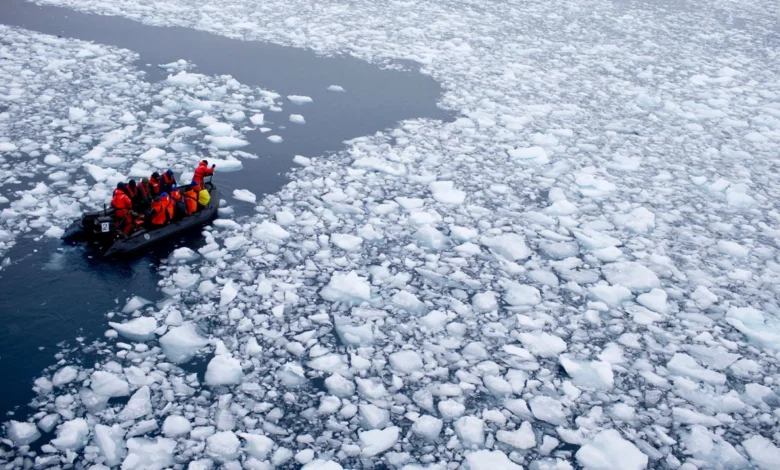
For decades, the behavior of the sea ice surrounding Antarctica was one of the most perplexing enigmas in climate science. While the Arctic experienced a steady and alarming decline in ice cover due to global warming, the Southern Ocean appeared to be moving in the opposite direction. From the late 1970s until roughly 2014, the extent of Antarctic sea ice actually expanded, reaching record highs even as the planet’s average temperature continued its upward trajectory. However, in 2016, this trend came to an abrupt and violent end. The ice began to contract at an unprecedented rate, reaching record lows that have persisted for nearly a decade.
A new study led by Earle Wilson, a polar oceanographer at Stanford University, has finally provided a comprehensive explanation for this sudden "regime shift." Published in the journal Proceedings of the National Academy of Sciences (PNAS), the research identifies a complex interplay between ocean salinity, atmospheric wind patterns, and the release of massive reservoirs of heat trapped deep beneath the surface. The findings suggest that the Southern Ocean has reached a tipping point, where the mechanisms that once protected the ice have now become the primary drivers of its destruction.
The Paradox of the Southern Ocean
To understand the current crisis, scientists have long looked at the unique stratification of the Antarctic waters. Unlike most of the world’s oceans, where the warmest water sits at the surface due to solar heating, the waters surrounding Antarctica are inverted. The frigid polar air cools the surface layer to near-freezing temperatures, while a layer of relatively warmer, saltier water circulates several hundred meters below.
For nearly forty years, this configuration allowed sea ice to expand. Increased precipitation and the melting of land-based glaciers added a layer of fresh water to the ocean’s surface. Because fresh water is less dense than salt water, it created a "lid" or stratification that prevented the deeper, warmer water from rising. This separation kept the surface cold enough for sea ice to form and persist, even as the global climate warmed.
However, this stability was deceptive. While the surface remained frozen, the layer of warm water below was effectively acting as a giant thermal battery. As the planet warmed, this subsurface layer began to accumulate heat, trapped by the freshwater lid above. By 2016, the system reached a breaking point where atmospheric forces began to peel back this protective layer, releasing the pent-up thermal energy.
The Role of Argo Floats in Deep-Sea Discovery
The breakthrough in understanding this process came from a network of sophisticated autonomous instruments known as Argo floats. These torpedo-shaped robots are approximately the size of a human and are deployed across the globe to monitor ocean health. Unlike traditional research vessels, which are limited by weather and seasonal access, Argo floats operate year-round, even under the thick Antarctic ice.
These robots are designed to sink to depths of up to 2,000 meters (about 6,500 feet), drifting with the currents and sampling temperature and salinity at various intervals. Periodically, they rise to the surface to transmit their findings via satellite to global data centers. In the Southern Ocean, these floats provided a high-resolution view of the changes occurring beneath the waves that were invisible to satellites.
"The ocean plays a huge role in modulating how sea ice can vary from year to year and decade to decade," noted Earle Wilson. The data from the Argo floats revealed that the salinity of the surface water was changing and that the "lid" was thinning. This allowed researchers to track the exact moment when the deep-ocean heat began to breach the surface.
The 2016 Shift: A Violent Release of Energy
The study highlights 2016 as a pivotal year in Antarctic history. During this period, atmospheric conditions over the Southern Ocean underwent a significant shift. The westerly winds that circle the continent intensified and shifted their position, driven by changes in the atmosphere that scientists link to global warming and the Southern Annular Mode (SAM).
These intensified winds acted like a giant whisk, churning the ocean and pushing the cold, fresh surface water away from the continent. This process, known as Ekman suction, drew the warm, salty water up from the depths. Wilson described this event as a "very violent release of all that pent-up heat."
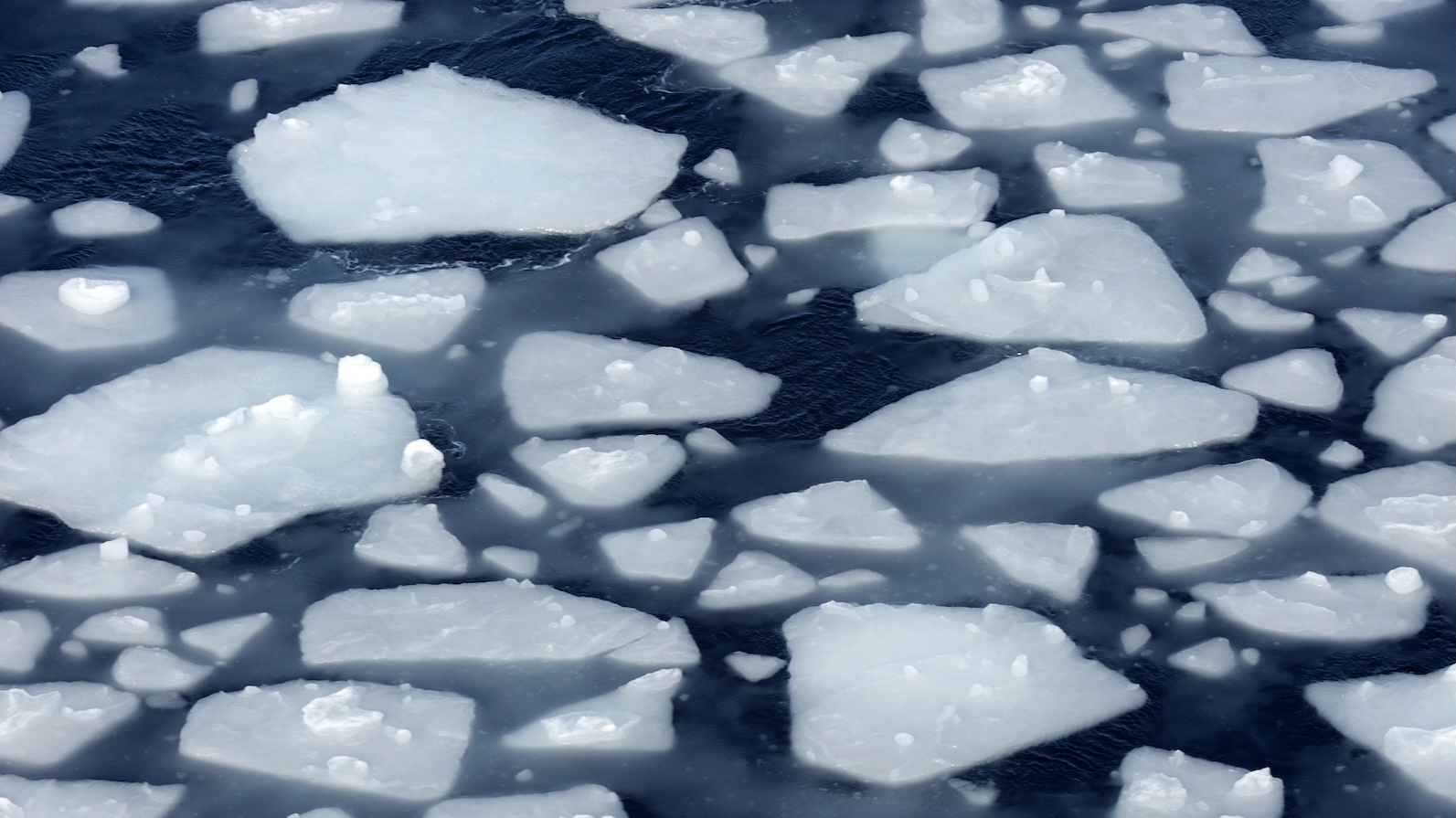
When this deep warmth reached the surface, it did more than just melt the existing sea ice; it prevented new ice from forming during the winter months. The year 2016 marked the beginning of a period of "extreme low" sea ice extent that has largely continued through 2023 and 2024. In February 2023, Antarctic sea ice reached its lowest extent since satellite records began in 1979, dropping below 2 million square kilometers for the first time.
Atmospheric Forcing and Natural Variability
While the Stanford study emphasizes the role of the ocean, it also acknowledges the contribution of the atmosphere. Zachary Labe, a climate scientist at Climate Central who was not involved in the study, noted that both atmospheric and oceanic warming are likely contributing to the sudden change.
"Recent research has shown that both atmospheric and oceanic warming is likely contributing to the sudden change in Antarctic sea-ice extent since 2016, and this paper helps to further develop the point that deeper ocean warmth is a significant player," Labe said.
One of the major questions facing researchers is how much of this change is due to anthropogenic (human-caused) climate change versus natural climate cycles. The Southern Ocean is known for its high degree of natural variability. However, many scientists argue that the sheer scale and speed of the decline since 2016 suggest that human-induced warming has pushed the system out of its natural equilibrium. The strengthening of the winds, in particular, is a known consequence of the widening temperature gap between the tropics and the poles, a hallmark of global warming.
Global Implications and the 190-Foot Threat
The disappearance of Antarctic sea ice is not merely a regional concern; it has profound implications for the entire planet. Sea ice serves two critical functions: it acts as a reflective shield and a physical buffer.
- The Albedo Effect: Sea ice is highly reflective, bouncing up to 80% of the sun’s energy back into space. When sea ice disappears, it exposes the dark ocean water, which absorbs about 90% of the solar radiation. This creates a feedback loop: more heat absorption leads to higher water temperatures, which in turn leads to even less ice.
- The Protective Buffer: Sea ice acts as a "fender" for the massive ice shelves that extend from the Antarctic landmass. These ice shelves are the gates that hold back the massive Antarctic ice sheet. By dampening the energy of ocean waves, sea ice prevents the shelves from being battered and broken apart.
The stakes are incredibly high. The Antarctic ice sheet contains enough frozen water to raise global sea levels by approximately 190 feet (58 meters). If the sea ice continues to decline, the ice shelves will become increasingly vulnerable to collapse. This would allow land-based glaciers to slide more rapidly into the ocean, accelerating sea-level rise at a pace that could threaten coastal cities worldwide within this century.
The Future of the Antarctic Frontier
The big question now is whether the Southern Ocean has entered a permanent "new normal" of low ice cover. Some models suggest that if the winds were to calm or the surface were to become significantly fresher again, the ice might see a temporary recovery. However, Wilson and his colleagues are skeptical that a full return to the pre-2016 expansion is likely.
"The long-term, multidecade trend will be negative," Wilson warned. "That would be my guess, but we don’t know for sure."
The scientific community is now calling for a massive increase in monitoring and international cooperation. While the Argo floats have been revolutionary, there are still vast "blind spots" in the Southern Ocean, particularly in the deep trenches and directly beneath the most unstable ice shelves. Scientists are scrambling to deploy more sensors and refine their climate models to better predict the timing of future ice loss.
As the world continues to burn fossil fuels, the Southern Ocean—long thought to be a resilient bastion against the worst effects of warming—is revealing its vulnerability. The "strange" swirling in the waters around Antarctica is no longer a mystery; it is a warning. The heat that was once hidden in the depths has come to the surface, and the consequences will be felt on every coastline on Earth.