
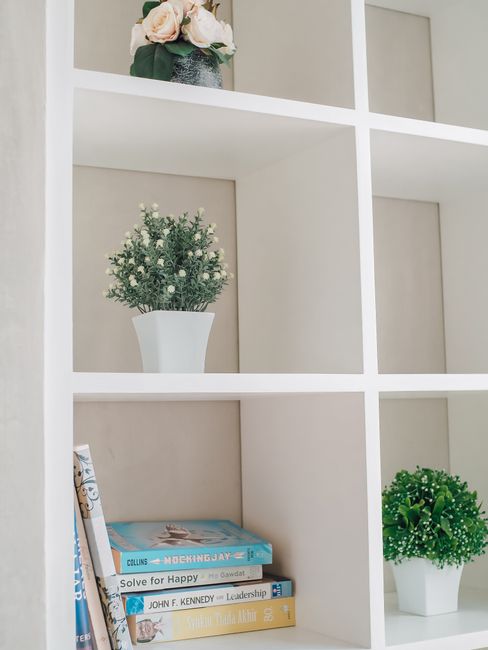
Design Your Own Bookshelf Lining: A Comprehensive Guide to Personalization and Protection
The humble bookshelf, a repository of knowledge, stories, and cherished memories, offers a prime opportunity for personalization through its lining. Beyond mere aesthetics, designing your own bookshelf lining can enhance the visual appeal of your space, protect your precious volumes, and even contribute to a more organized and enjoyable reading experience. This guide delves into the multifaceted aspects of bookshelf lining, from material selection and design considerations to practical application and maintenance, empowering you to transform a standard shelving unit into a bespoke statement piece.
Understanding the fundamental purpose of bookshelf lining is crucial before embarking on the design process. Primarily, lining serves an aesthetic function, introducing color, pattern, texture, and personality to what might otherwise be a plain wooden or metal structure. It can act as a backdrop, making your book spines pop, or create a cohesive design element that ties into the overall decor of a room. However, its utility extends beyond mere visual appeal. Lining can provide a protective barrier against dust, moisture, and the abrasive effects of direct contact with shelving materials. Certain materials can even offer minor insulation, potentially mitigating temperature fluctuations that can be detrimental to paper and binding over time. Furthermore, a well-chosen lining can add a subtle grip, preventing books from sliding and contributing to a neater, more organized appearance.
The first critical decision in designing your own bookshelf lining is material selection. The vast array of options caters to diverse preferences, budgets, and functional needs. Wallpaper, a perennial favorite, offers an almost limitless palette of colors, patterns, and textures. From classic damask and sophisticated geometrics to whimsical floral prints and bold abstract designs, wallpaper allows for a high degree of visual expression. Traditional paper-backed wallpapers are relatively easy to install and remove, making them ideal for renters or those who enjoy frequent decor changes. Vinyl-backed wallpapers provide enhanced durability and moisture resistance, making them a suitable choice for potentially humid environments or high-traffic areas. For a more textured and tactile experience, fabric linings are an excellent option. Linen, cotton, silk, and even velvet can bring a luxurious and inviting feel to your shelves. Fabric can be applied using wallpaper paste, spray adhesive, or even by stretching and stapling it to the back of the shelf, offering different levels of permanence and ease of installation. For a minimalist and modern aesthetic, paint is a straightforward and versatile choice. A contrasting paint color can make books stand out, while a subtle shade can create a serene backdrop. Various finishes, from matte to satin to high gloss, can further influence the overall look and feel. For those seeking an eco-friendly and natural option, consider cork or bamboo liners. Cork offers a unique texture, sound dampening properties, and is naturally resistant to mold and mildew. Bamboo, with its inherent strength and distinctive grain, can add an organic and sophisticated touch. Specialty adhesive papers, often referred to as contact paper or shelf liners, are specifically designed for this purpose. They are typically waterproof, durable, and come in a wide range of pre-printed designs, from faux wood grains and marble textures to solid colors and playful patterns. These are often the easiest to apply and remove, making them a popular choice for DIY enthusiasts. Finally, for a truly unique and artisanal approach, consider tiling. Small mosaic tiles or even larger ceramic tiles can create a stunning and durable surface, though this option requires more skill and commitment.
Once the material is chosen, the creative journey of design truly begins. Consider the existing color scheme and style of the room. The bookshelf lining should complement, not clash with, your decor. If your room is minimalist and neutral, a bold, patterned lining can serve as a striking focal point. Conversely, in a room already rich with color and pattern, a more subdued or monochromatic lining might be more appropriate to avoid overwhelming the space. Think about the size and type of books you will be housing. For small paperbacks, a busy pattern might obscure the spines. For larger, hardcover volumes, a more robust design can hold its own. The lighting in the room also plays a significant role. Darker linings can absorb light, making a shelf appear smaller or more intimate, while lighter, reflective materials can brighten the space and make the bookshelf feel more expansive.
Personalization can extend beyond simply choosing a pre-made pattern. Consider creating a custom design. This could involve hand-painting a mural on the back of the shelves, stenciling a unique motif, or even decoupaging with personal photographs, maps, or torn pages from old books. For a truly bespoke touch, consider commissioning an artist or designer to create a custom wallpaper or fabric print. The possibilities are virtually endless, allowing you to imbue your bookshelf with your individual story and personality.
The practicalities of installation demand careful consideration. Before you begin, thoroughly clean the interior surfaces of your bookshelf. Dust, grease, or debris can compromise adhesion and result in a less-than-perfect finish. For painted shelves, ensure the surface is smooth and free of any peeling paint. If you are using wallpaper, it’s often recommended to apply a primer to ensure better adhesion and a cleaner removal process in the future. Measure your shelves meticulously. It’s always better to have slightly too much material than too little. For wallpaper and fabric, plan your pattern repeat to ensure a seamless transition across multiple shelves or sections. If using a pattern, consider how the design will flow from one shelf to the next. For painted surfaces, consider masking tape to create clean lines and prevent accidental spills.
When applying wallpaper or fabric, patience is key. Work in small sections, carefully smoothing out any air bubbles as you go. A seam roller can be invaluable for achieving a professional finish with wallpaper. For adhesive liners, peel back the backing gradually, applying the material slowly and smoothing it down with a credit card or a specialized smoothing tool. If mistakes happen, don’t despair. Most wallpaper and adhesive liners can be repositioned if acted upon quickly. However, it’s essential to follow the manufacturer’s instructions for the specific material you are using.
For painted surfaces, ensure adequate ventilation and allow sufficient drying time between coats. Consider the type of paint you are using. A semi-gloss or satin finish can offer a good balance of durability and a subtle sheen, making it easier to wipe clean. A matte finish can provide a sophisticated look but may be more prone to showing scuffs and marks.
The size and type of your bookshelf will also influence the installation process. For built-in bookshelves, careful attention to detail is paramount, as these are often permanent fixtures. For freestanding units, you have more flexibility, and you might even consider lining the sides and top of the shelves for a more immersive design. If your bookshelf has adjustable shelves, you might choose to line each shelf individually or create a continuous backdrop across the entire unit.
Maintenance of your designed bookshelf lining will depend heavily on the material chosen. Painted surfaces can be wiped clean with a damp cloth. For wallpaper, check the manufacturer’s recommendations; some are washable, while others are more delicate. Fabric linings might require gentle spot cleaning or professional cleaning, depending on the fabric type. Adhesive liners are generally easy to wipe clean. Regular dusting will help to preserve the appearance and longevity of your lining, regardless of the material.
Beyond the aesthetic and protective benefits, consider the psychological impact of your designed bookshelf. A visually appealing and well-organized bookshelf can contribute to a sense of calm and order in your home. It can become a conversation starter, a reflection of your interests, and a source of daily inspiration. Experiment with different materials and designs, and don’t be afraid to take risks. The beauty of designing your own bookshelf lining lies in its inherent flexibility and the opportunity to create a space that is uniquely yours.
Think about the long-term implications of your choices. If you anticipate frequent book acquisitions or a desire for future redecoration, opt for materials that are easily removable or replaceable, such as removable wallpaper or adhesive liners. If your bookshelf is a cherished heirloom or a permanent fixture, you might opt for more permanent and durable solutions like high-quality paint or even a professionally applied fabric lining.
Consider the environmental impact of your material choices. Many manufacturers now offer eco-friendly wallpaper, paints, and fabrics made from sustainable materials or with low VOC (Volatile Organic Compound) emissions. This not only benefits the environment but also contributes to a healthier indoor air quality.
Ultimately, designing your own bookshelf lining is a journey of creative expression and functional enhancement. It’s an opportunity to infuse your living space with personality, protect your literary treasures, and elevate the humble bookshelf from a mere storage unit to a captivating focal point. By carefully considering material, design, and installation, you can transform your bookshelves into a reflection of your unique style and a testament to your love of books. Remember to measure twice, cut once, and embrace the creative process. The result will be a bookshelf that is not only functional but also a beautiful and personal expression of your individual taste.
