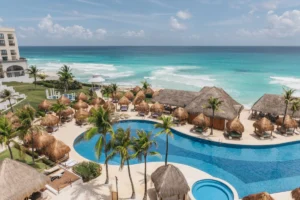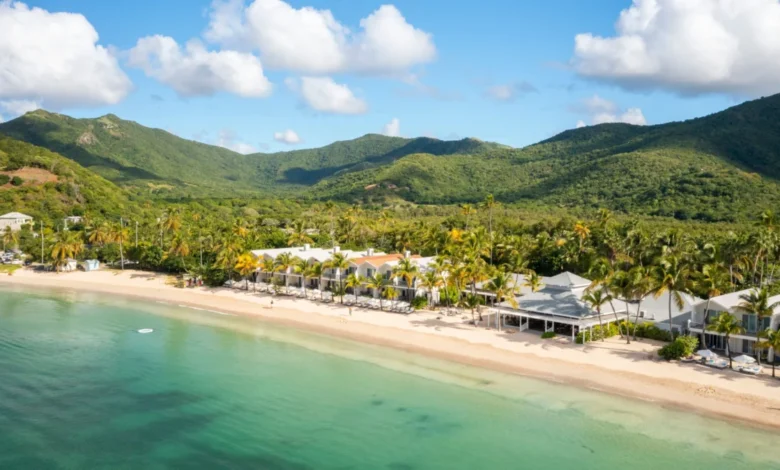
Antigua stands as one of the most geographically diverse and culturally rich destinations within the Lesser Antilles, anchoring the twin-island nation of Antigua and Barbuda in the Eastern Caribbean. Renowned globally for its breathtaking coastline, the island famously boasts 365 distinct beaches—purportedly one for every day of the year—ranging from bustling stretches of powdery white sand to secluded coves framed by dramatic volcanic rock formations. Beyond its coastal allure, Antigua encompasses acres of rugged, emerald-green rainforests and historical landmarks that reflect a complex colonial past, creating a multifaceted landscape that appeals equally to eco-tourists, history enthusiasts, and luxury travelers seeking absolute seclusion.
In recent years, the island’s tourism sector has undergone a strategic evolution, shifting toward high-end, sustainable hospitality without compromising the natural integrity of its ecosystems. The finest hotels and resorts in Antigua are meticulously integrated into their surrounding environments, offering guests immediate access to crystal-clear turquoise waters while prioritizing ecological preservation. This balanced approach to tourism development has positioned Antigua as a premier global destination for discerning travelers, driving significant foreign investment and reinforcing the nation’s economic backbone.
Geographical Landscape and Natural Wonders
The topography of Antigua is a direct result of its geological origins, characterized by a volcanic southwestern region, a central limestone plain, and a northeastern area marked by coral formations. Boggy Peak, officially renamed Mount Obama, serves as the island’s highest point, rising 1,319 feet above sea level and providing panoramic views of the entire island and neighboring islands such as Montserrat and Guadeloupe on clear days.
The island’s marine environments are equally compelling. Barrier reefs encircle much of Antigua, providing calm, protected waters ideal for sailing, snorkeling, and scuba diving. These coral ecosystems serve as vital habitats for a diverse array of marine life, including sea turtles, stingrays, and numerous species of tropical fish. Conservation efforts across the island have intensified, particularly regarding the protection of endangered sea turtle populations—such as the hawksbill and leatherback turtles—which routinely nest along Antigua’s shores. Environmental agencies, in partnership with local resorts, enforce strict guidelines during nesting seasons to ensure that human activity does not disrupt these vulnerable species.
A Historical Chronology of Antigua
To fully understand modern Antigua, one must examine the chronology of its development, which spans pre-colonial habitation, European colonization, and post-independence nationhood.
- Pre-Columbian Era: The earliest inhabitants of Antigua were the Suazey culture and the Saladoid people, who migrated from South America around 2400 BC. These indigenous communities practiced fishing, agriculture, and pottery-making before being displaced or assimilated by the Carib people.
- European Contact and Colonization (1493–1632): Christopher Columbus sighted the island during his second voyage in 1493, naming it Santa María la Antigua after a church in Seville. Permanent European settlement began in 1632 when English colonists from St. Kitts established control, transforming the island into a vital component of the British colonial empire.
- The Plantation Economy and the Slave Trade (17th–19th Century): The introduction of sugarcane cultivation in the mid-17th century fundamentally altered Antigua’s socio-economic structure. Enslaved Africans were forcibly brought to the island to labor on massive plantations, generating immense wealth for the British Crown. Nelson’s Dockyard, established in English Harbour, became a strategic British naval base used to protect these lucrative trade routes.
- Emancipation and Post-Slavery Era (1834): Slavery was officially abolished in the British Caribbean in 1834, though a period of forced apprenticeship followed until full freedom was achieved in 1838. The transition from slave labor to a wage-based economy presented significant economic challenges, leading to decades of social and political agitation.
- Labor Movement and Independence (20th Century): The trade union movement, spearheaded by figures like Vere Bird in the 1930s and 1940s, laid the groundwork for political autonomy. Antigua and Barbuda achieved associated statehood in 1967 and gained full independence from Great Britain on November 1, 1981, establishing a constitutional monarchy with a parliamentary democracy.
The Evolution of Antiguan Hospitality and Tourism
Tourism emerged as a primary economic driver in the mid-to-late 20th century, gradually replacing agriculture as the dominant contributor to the Gross Domestic Product (GDP). Recognizing the limitations of mass tourism, Antiguan authorities and hospitality developers pivoted toward an upscale, boutique model. The strategy focused on attracting high-net-worth individuals by offering world-class amenities, privacy, and authentic cultural immersion.
Today, the island’s top-tier resorts—ranging from sprawling, all-inclusive luxury compounds to intimate, eco-conscious hideaways—are strategically distributed along the coast. Locations such as Dickenson Bay, Jolly Harbour, and Half Moon Bay host properties that emphasize architectural harmony with the natural landscape. These resorts utilize renewable energy sources, implement rigorous waste reduction programs, and source ingredients from local farmers and fishermen, aligning with global shifts toward sustainable luxury travel.
Economic Implications and Sector Analysis
The hospitality industry remains the lifeblood of Antigua and Barbuda’s economy, accounting for a substantial portion of employment, foreign exchange earnings, and government revenue. According to recent data from the Caribbean Tourism Organization (CTO) and the World Travel & Tourism Council (WTTC), visitor arrivals to Antigua have steadily rebounded to pre-pandemic levels, bolstered by expanded airlift capacity from North America and Europe.
Economic analysts point out that the luxury hospitality segment has proven particularly resilient against global economic fluctuations. Wealthier travelers continue to prioritize experiential travel and wellness retreats, driving high occupancy rates across Antigua’s five-star properties. Furthermore, the government’s Citizenship by Investment Programme (CIP), which allows foreign investors to acquire citizenship through qualified real estate investments—including luxury resort developments—has injected hundreds of millions of dollars into the local economy, funding public infrastructure projects and community development initiatives.
Official Responses and Strategic Initiatives
Government officials and tourism leaders have consistently emphasized the necessity of balancing economic growth with environmental stewardship. Speaking at a recent regional tourism summit, the Minister of Tourism underscored the island’s commitment to preserving its natural assets for future generations.
"Our greatest asset is not merely our 365 beaches, but the pristine, authentic environment that envelops them," the Minister stated. "We are committed to sustainable development models that ensure our tourism sector grows responsibly. Every luxury resort we approve must adhere to stringent environmental benchmarks, protecting our marine ecosystems, conserving water resources, and minimizing carbon footprints."
Additionally, the Antigua and Barbuda Tourism Authority has ramped up marketing campaigns targeting niche demographics, including wellness travelers, eco-tourists, and sailing enthusiasts. The annual Antigua Sailing Week, one of the premier regattas in the world, continues to draw international competitors and spectators, injecting millions into the local economy during the shoulder season and demonstrating the island’s capacity to host world-class events.
Broader Impact and Future Outlook
Looking ahead, the trajectory of Antigua’s tourism and hospitality sector will likely be defined by technological innovation, climate resilience, and deepening community engagement. As climate change poses increasing threats to low-lying coastal regions and coral reefs, local hoteliers and government bodies are heavily investing in climate-resilient infrastructure, such as coastal erosion barriers, solar-powered microgrids, and advanced desalination plants.
Furthermore, industry experts emphasize the importance of economic inclusivity, ensuring that the benefits of the booming tourism sector are equitably distributed among local communities. Initiatives promoting culinary tourism, heritage tours led by local historians, and artisanal craft markets empower local entrepreneurs, allowing visitors to engage authentically with Antiguan culture beyond the confines of resort gates.
Ultimately, Antigua’s enduring appeal lies in its ability to offer a harmonious blend of untamed natural beauty and refined luxury. Whether visitors are drawn by the promise of swimming off a different beach every day of the year, witnessing the delicate emergence of baby turtles along the coastline, or simply unwinding in a world-class resort, the island remains a benchmark for sustainable, high-end Caribbean hospitality.