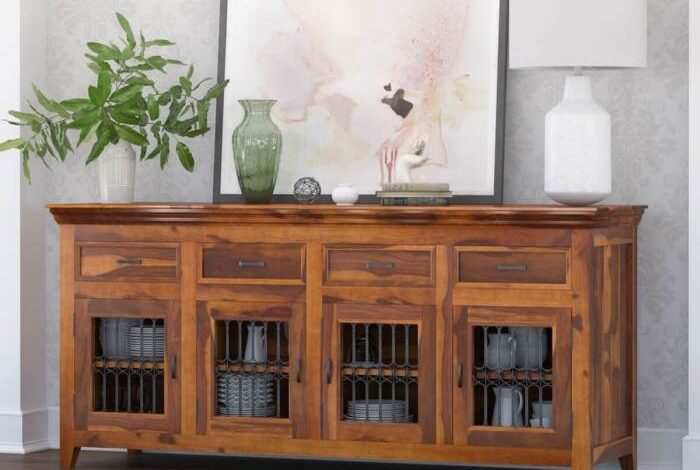
Built in buffet with arched opening – Built-in buffet with arched opening sets the stage for this enthralling narrative, offering readers a glimpse into a story that is rich in detail with personal blog style and brimming with originality from the outset.
Imagine a space where functionality meets elegance, where the allure of an arched opening seamlessly blends with the practicality of a built-in buffet. This architectural marvel transforms a simple storage solution into a focal point, adding character and sophistication to any room.
We’ll explore the intricacies of designing and incorporating a built-in buffet with an arched opening, delving into the world of aesthetics, functionality, materials, and integration.
Architectural Design and Aesthetics
An arched opening in a built-in buffet can significantly enhance its visual appeal and create a sense of grandeur. The arch adds a touch of elegance and sophistication, transforming a simple storage unit into a focal point of the room.
Arch Styles and Interior Styles
The choice of arch style can significantly influence the overall aesthetic of the buffet. Here are some popular arch styles and their suitability for different interior styles:
- Roman Arch:This classic arch, characterized by its semi-circular shape, is ideal for traditional, formal, and Mediterranean-inspired interiors. It exudes a timeless elegance and grandeur, adding a touch of history and sophistication to the space.
- Gothic Arch:Known for its pointed shape, the Gothic arch is well-suited for modern, minimalist, and industrial interiors. It offers a sleek and contemporary feel, adding a touch of drama and sophistication to the design.
- Tudor Arch:This arch, characterized by its four-centered shape, is often found in Tudor-style homes and adds a rustic and charming touch to the interior. It blends seamlessly with traditional and farmhouse aesthetics, creating a cozy and inviting atmosphere.
- Horseshoe Arch:Inspired by Islamic architecture, the horseshoe arch is a unique and eye-catching design element. It is ideal for eclectic, Moroccan, and bohemian interiors, adding a touch of exoticism and cultural richness to the space.
Advantages and Disadvantages of Arched Openings
Arched openings offer several advantages, but there are also some disadvantages to consider:
- Advantages:
- Enhanced Aesthetics:Arched openings add visual interest and elegance to the buffet, creating a focal point and enhancing the overall design.
- Increased Space:The curved shape of the arch can create a sense of openness and spaciousness, making the buffet feel less imposing and more inviting.
- Unique Character:Arched openings provide a distinctive and memorable element, adding personality and character to the room.
- Disadvantages:
- Construction Complexity:Building an arched opening requires specialized skills and knowledge, potentially increasing construction costs.
- Limited Storage Space:The curved shape of the arch can reduce the usable storage space within the buffet.
- Potential for Dust Accumulation:The nooks and crannies created by the arch can make cleaning more challenging, potentially leading to dust accumulation.
Functionality and Layout: Built In Buffet With Arched Opening
A built-in buffet with an arched opening offers a unique opportunity to blend style and functionality. This design element can be utilized to create a captivating focal point in your dining area while providing ample storage space for your culinary necessities.
A built-in buffet with an arched opening adds a touch of elegance to any dining room. The arched opening provides a sense of grandeur, while the buffet offers ample storage space for serving dishes and linens. To enhance the space, I’m planning to add some DIY rope-wrapped planters, which I found a great tutorial for on this website.
The planters will add a touch of greenery and texture to the space, complementing the warmth of the arched opening and the buffet’s functionality.
Storage Solutions within the Arched Opening
The arched opening can be strategically incorporated into the buffet design to maximize storage potential. The space above the opening can be utilized for display purposes, showcasing cherished china or decorative pieces.
A built-in buffet with an arched opening adds a touch of classic elegance to any dining room. The arched design creates a sense of grandeur and sophistication, while the buffet provides ample storage space for your china and serving pieces.
For a similar elegant feel in your bedroom, check out this board and batten bedroom makeover with Arhaus which incorporates arched doorways and built-in shelving. Both the buffet and the bedroom makeover feature a timeless design that will never go out of style.
- Open Shelving:Open shelving within the arch can be used to display decorative items, cookbooks, or serving pieces, adding visual interest and accessibility.
- Closed Cabinetry:Incorporating closed cabinetry within the arch allows for concealed storage of less frequently used items, maintaining a clutter-free aesthetic.
- Glass-Front Cabinets:Combining glass-front cabinets with the arched opening creates a beautiful display space while still providing protection for your valuable items.
Layout Design for a Built-in Buffet with an Arched Opening
A well-designed layout for a built-in buffet with an arched opening considers both aesthetics and practicality.
- Drawers:Lower drawers can be used for storing table linens, serving utensils, or other items that require easy access.
- Shelves:Open or closed shelves can be placed within the buffet for storing dishes, glassware, or other items that are not frequently used.
- Cabinets:Cabinets with doors can be incorporated for storing items that need to be concealed, such as cleaning supplies or extra serving dishes.
- Wine Rack:A built-in wine rack can be integrated into the buffet design, offering a convenient and stylish storage solution for your wine collection.
Example Layout:A built-in buffet with an arched opening could be designed with a lower section featuring drawers for linens and utensils. Above the drawers, open shelves could be incorporated for displaying decorative items or cookbooks. The arched opening could house a glass-front cabinet for showcasing fine china or a closed cabinet for storing less frequently used items.
The top section of the buffet could include a wine rack and additional closed cabinetry for storing other kitchen essentials.
Materials and Finishes
Choosing the right materials and finishes for your built-in buffet with an arched opening is crucial for achieving both durability and aesthetic appeal. The materials you select will determine the overall look, feel, and longevity of your buffet, while the finishes will add the final touches of style and personality.
Materials for Construction
The materials you choose for your buffet should be durable, resistant to wear and tear, and complement the overall design of your space.
A built-in buffet with an arched opening adds a touch of elegance to any dining space. It’s the perfect spot to showcase your culinary creations, especially those delicious pizzas with a crispy, golden crust. Speaking of crust, have you tried a garlic butter pizza crust ?
It’s a game-changer! The aroma alone will draw everyone to the buffet, making it the center of attention in your home.
- Wood: A timeless and versatile material, wood offers a wide range of options in terms of species, grain patterns, and finishes. Popular choices for buffets include oak, cherry, maple, walnut, and mahogany. Each wood species has its own unique characteristics in terms of color, grain, and durability.
Oak, for example, is known for its strength and durability, while cherry is prized for its rich reddish-brown hue.
- Engineered Wood: Engineered wood products, such as plywood and MDF (medium-density fiberboard), offer a cost-effective alternative to solid wood. They are often more stable and less prone to warping than solid wood, making them suitable for large surfaces like buffet tops.
- Stone: Natural stone, such as granite or marble, adds a touch of elegance and durability to a buffet. These materials are highly resistant to scratches and heat, making them ideal for countertops. However, they can be more expensive than other options.
- Metal: Metal accents, such as steel or brass, can add a modern or industrial touch to a buffet. They are durable and can be used for details like handles, legs, or trim.
Finishes for the Buffet
The finish you choose for your buffet will significantly impact its overall aesthetic. Here are some popular options:
- Paint: Painting a buffet offers a versatile and cost-effective way to customize its look. You can choose from a wide range of colors, from classic white to bold shades. Consider using a high-quality paint that is durable and easy to clean.
- Stain: Staining wood allows you to enhance its natural beauty and bring out its grain patterns. Stains come in a variety of colors and finishes, ranging from light washes to dark, rich hues.
- Varnish: Varnish provides a protective layer that seals the wood and enhances its natural beauty. It also makes the surface easier to clean and maintain. Varnishes come in different finishes, including gloss, semi-gloss, and matte.
- Lacquer: Lacquer is a durable and high-gloss finish that provides a smooth, protective layer. It is often used on furniture that requires a lot of durability, such as dining tables and buffets.
Impact of Wood Types and Finishes
The choice of wood type and finish can significantly influence the ambiance of your buffet.
- Light Woods: Light woods, such as maple or ash, create a bright and airy atmosphere. They are well-suited for rooms with a modern or minimalist design.
- Dark Woods: Dark woods, such as walnut or mahogany, create a warm and inviting ambiance. They are ideal for traditional or formal settings.
- Glossy Finishes: Glossy finishes reflect light, making a buffet appear larger and brighter. They are often used in modern or contemporary settings.
- Matte Finishes: Matte finishes absorb light, creating a more subtle and understated look. They are well-suited for traditional or rustic settings.
Lighting and Display
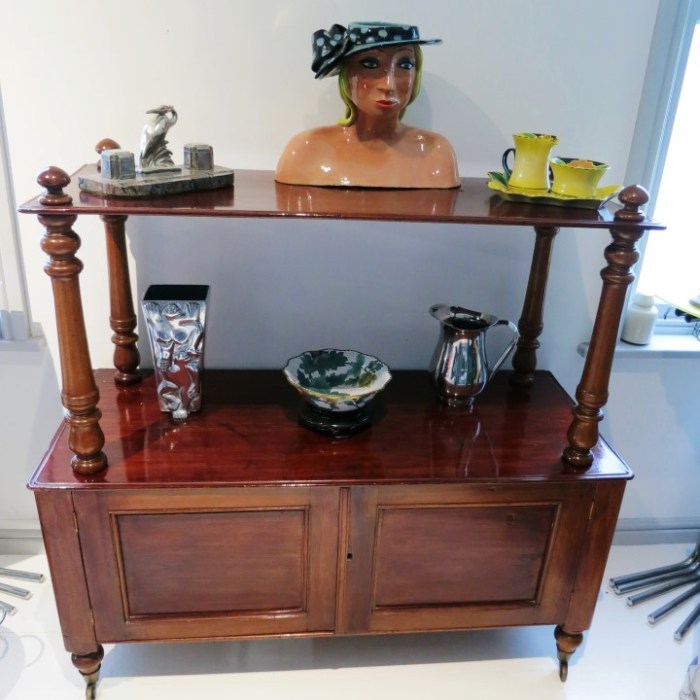
Lighting plays a crucial role in enhancing the beauty and functionality of a built-in buffet with an arched opening. It can create a warm and inviting atmosphere, highlight the architectural features, and showcase the displayed items to their best advantage.
Lighting Techniques for Displaying Dishes and Decor, Built in buffet with arched opening
Effective lighting techniques can dramatically impact how dishes and decor are presented within the buffet. Here are some examples:
- Accent Lighting:This technique uses focused light sources to highlight specific areas or objects. Accent lighting can be used to draw attention to a centerpiece, a collection of china, or a decorative element within the buffet.
- Recessed Lighting:Recessed lighting is installed flush with the ceiling or walls, providing a clean and unobtrusive light source. It can be used to create a general ambient light in the buffet area, while also highlighting the arched opening and its surrounding features.
- Under-Cabinet Lighting:Under-cabinet lighting is a practical and stylish way to illuminate the buffet’s surface and display area. This type of lighting provides task lighting for preparing and serving food, and it can also be used to highlight the texture and detail of the buffet’s cabinetry.
- Track Lighting:Track lighting offers flexibility and control, allowing you to adjust the direction and intensity of light. It can be used to highlight specific dishes or decor items, and it can be easily repositioned to suit changing display needs.
- Pendant Lighting:Pendant lights are suspended from the ceiling and can provide a focal point within the buffet area. They can be used to create a statement piece and to illuminate the buffet’s surface or a specific area.
Integration with the Room
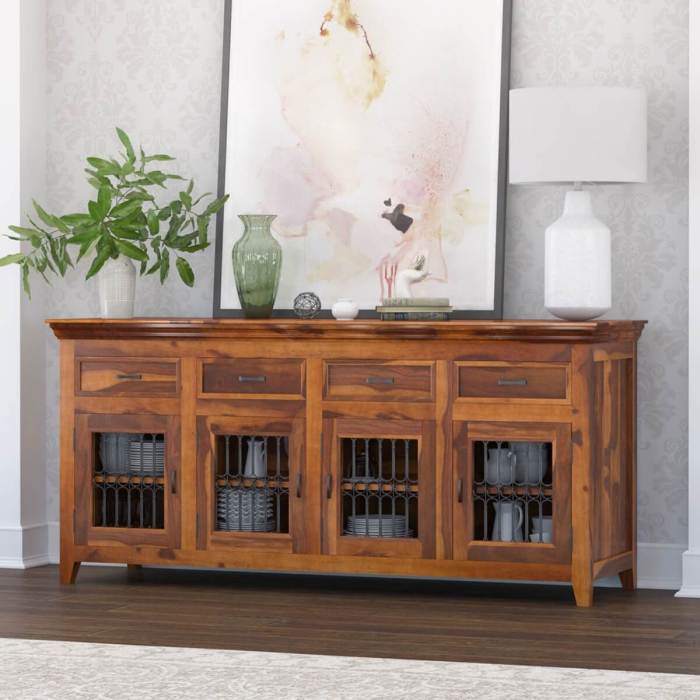
A built-in buffet with an arched opening can seamlessly integrate into a room’s existing decor and architecture, enhancing its visual appeal and functionality. The key is to create a cohesive design flow that blends the buffet with the surrounding space, making it appear as an integral part of the room’s overall design.
Examples of Cohesive Design Flow
Creating a cohesive design flow between the buffet and the surrounding space can be achieved in several ways. Here are a few examples:
- Matching Finishes and Colors:The buffet can be finished with the same materials and colors as the surrounding walls, cabinets, or trim. This creates a sense of continuity and unity, making the buffet appear as a natural extension of the room’s existing design.
For example, if the walls are painted in a warm beige, the buffet can be painted in the same color or a slightly darker shade of beige. This creates a harmonious flow between the buffet and the walls, making the buffet appear as an integrated element of the room.
- Repeating Architectural Elements:The arched opening of the buffet can be echoed in other architectural elements within the room, such as doorways, windows, or ceiling moldings. This repetition creates a sense of visual rhythm and balance, making the buffet feel like an integral part of the room’s design.
For example, if the room has arched doorways, the arched opening of the buffet can be designed to match the shape and style of the doorways, creating a cohesive design flow.
- Using Similar Styles and Materials:The buffet can be designed in a style that complements the existing furniture and decor in the room. For example, if the room has a traditional style, the buffet can be designed with classic moldings, intricate carvings, and a rich finish.
If the room has a modern style, the buffet can be designed with clean lines, simple shapes, and a sleek finish.
Styles of Built-in Buffets with Arched Openings
The style of a built-in buffet with an arched opening can vary greatly, depending on the desired aesthetic and functionality. Here’s a table showcasing different styles and their suitability for various room types and functions: