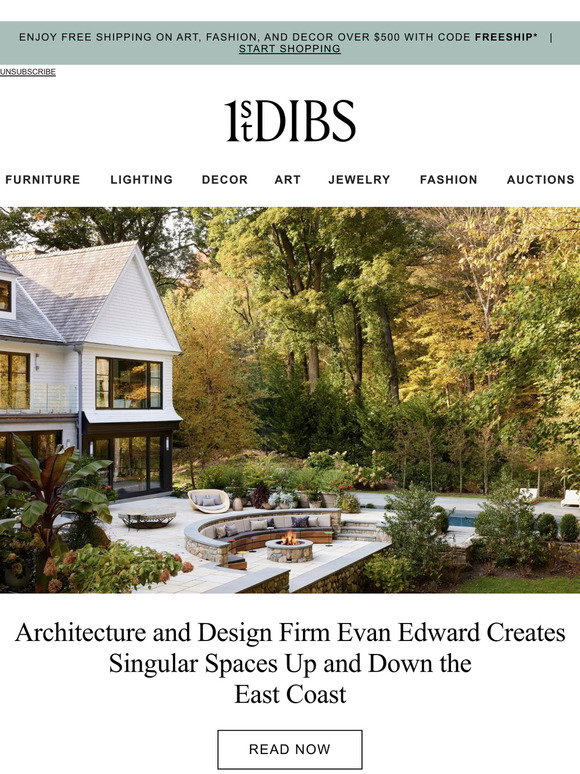
Singular Soulful Interiors: East Coast Havens of Character and Comfort
The East Coast of the United States, a tapestry woven with historical significance, diverse landscapes, and a vibrant cultural pulse, has long been a fertile ground for interior design that transcends mere aesthetics. It’s a region where the whispers of the past mingle with the innovations of the present, fostering an approach to home design that is deeply personal, evocative, and undeniably soulful. Singular soulful interiors on the East Coast are not characterized by fleeting trends or ostentatious displays of wealth. Instead, they are defined by a deliberate curation of elements that reflect the inhabitants’ lives, passions, and a profound connection to their surroundings. This is design that feels lived-in, loved, and imbued with stories. From the salty air of Maine to the historic charm of Charleston, these homes tell tales of their occupants and their environment through thoughtful material choices, carefully selected furnishings, and an unparalleled sense of atmosphere.
One of the hallmarks of soulful East Coast interiors is the masterful integration of natural materials. Wood, in its myriad forms, reigns supreme. Reclaimed barn wood, often salvaged from centuries-old structures, brings a rustic elegance and a tangible connection to history. Think of exposed beams in a New England farmhouse, their weathered surfaces telling tales of generations past, or a meticulously crafted dining table made from deconstructed wharf pilings in a coastal Massachusetts residence. Beyond wood, stone plays a crucial role, whether it’s the rugged granite found in the foundations of historic homes in Vermont or the polished marble adorning a sophisticated urban apartment in New York City. These materials are not simply decorative; they are foundational, grounding the space and imbuing it with a sense of permanence and authenticity. The tactile quality of these natural elements invites interaction, encouraging a deeper engagement with the home environment. The cool touch of a stone countertop, the rough grain of a wooden floor underfoot, all contribute to a sensory experience that fosters comfort and a sense of belonging. This appreciation for natural, enduring materials stands in stark contrast to the disposable nature of many contemporary design trends, aligning perfectly with the East Coast’s enduring architectural heritage.
Light, both natural and artificial, is another pivotal element in crafting soulful East Coast interiors. The quality of light on the East Coast can be uniquely atmospheric. Soft, diffused sunlight filtering through lace curtains in a Victorian parlor, or the dramatic, shifting light of a seaside sunset illuminating a contemporary beach house – these are moments that interior designers strive to capture and amplify. Strategically placed windows, skylights, and well-designed architectural openings maximize natural illumination, creating bright and airy spaces that feel connected to the outdoors. When it comes to artificial lighting, the focus is on creating warmth and ambiance. Layered lighting schemes, employing a mix of ambient, task, and accent lights, allow for dynamic adjustments to suit different moods and activities. A warm, low-wattage pendant light over a reading nook, the subtle glow of wall sconces in a hallway, or the soft illumination of a dimmable chandelier in a dining room – these elements contribute to an intimate and inviting atmosphere. The goal is not to simply flood a space with light, but to sculpt it, creating pockets of warmth and intrigue that draw the eye and encourage lingering. This thoughtful approach to illumination elevates the everyday, transforming functional spaces into havens of comfort and tranquility.
Color palettes in soulful East Coast interiors are often inspired by the surrounding natural environment. The muted blues and greens of the Atlantic Ocean, the earthy browns and grays of the coastal landscape, and the vibrant hues of autumn foliage frequently find their way into these homes. These palettes are rarely jarring or overly saturated. Instead, they are nuanced and sophisticated, creating a sense of calm and serenity. Think of the soft, sea-foam greens that evoke a breezy seaside cottage, or the deep, rich blues reminiscent of twilight over a historic harbor town. Even in more urban settings, a connection to nature can be maintained through the judicious use of these inspired hues. This deliberate choice of color fosters a psychological connection to the region, reinforcing the sense of place. It’s about creating an environment that feels in harmony with its surroundings, promoting a feeling of grounding and well-being. The use of color is not about making a statement; it’s about creating an atmosphere that resonates with the soul.
The integration of vintage and antique finds is a cornerstone of soulful East Coast design. These pieces are not merely decorative; they are imbued with history and character, adding layers of depth and personality to a space. A worn leather armchair passed down through generations, a collection of antique maps adorning a study wall, or a handcrafted quilt draped over a bed – these items tell stories and evoke a sense of nostalgia. The East Coast, with its rich historical tapestry, offers a wealth of opportunities to source these unique treasures. Antique shops in charming New England towns, flea markets in rural Pennsylvania, or the bustling antique districts of cities like Philadelphia and Boston all provide fertile ground for discovery. The art of integrating vintage finds lies in balancing them with contemporary elements, creating a harmonious blend of old and new that feels both timeless and relevant. It’s about curating a collection that speaks to personal taste and history, rather than simply filling a space with items.
The concept of "hygge," the Danish and Norwegian word for a cozy and content state of being, finds a natural parallel in soulful East Coast interiors. This translates to creating spaces that are warm, inviting, and conducive to relaxation and connection. Think of plush textiles – soft wool throws, inviting velvet cushions, and natural fiber rugs – that invite touch and comfort. The presence of fireplaces, whether grand and historic or a more modern interpretation, serves as a focal point for gathering and warmth, embodying the spirit of hygge. Bookshelves overflowing with well-loved volumes, art that sparks conversation, and personal mementos that hold sentimental value all contribute to a sense of lived-in comfort. These are spaces designed for lingering, for intimate conversations, and for quiet contemplation. The emphasis is on creating an atmosphere where inhabitants feel safe, nurtured, and deeply at ease. This philosophy extends beyond mere aesthetics; it’s about cultivating a lifestyle that prioritizes well-being and meaningful connections.
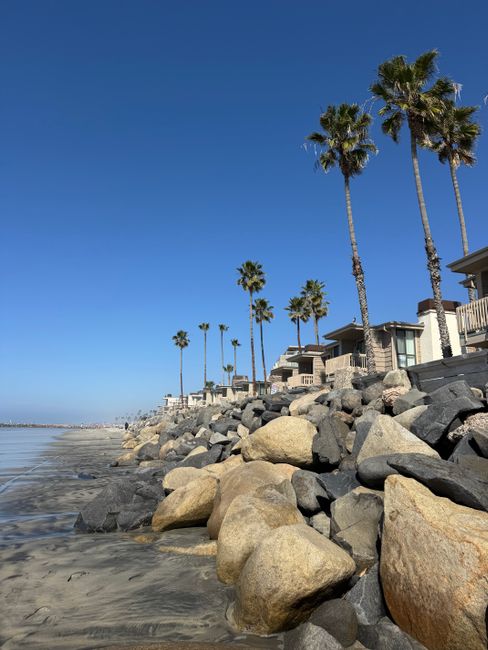
The influence of coastal living is undeniably potent on the East Coast, shaping interior design in distinct and evocative ways. Even in landlocked areas, the desire to capture the essence of the sea often manifests in design choices. This translates to a preference for light and airy spaces, often achieved through a predominantly white or neutral color palette accented with shades of blue and green. Natural materials like rattan, jute, and weathered wood are frequently incorporated, evoking the texture and warmth of beachside dwellings. Nautical motifs, when used subtly and thoughtfully, can enhance this coastal sensibility, appearing in the form of antique ship wheels, maritime art, or even the classic lines of certain furniture pieces. The key is to avoid literal interpretations and instead capture the feeling of the coast – the sense of openness, tranquility, and connection to the natural world. This often involves an emphasis on maximizing views, bringing the outdoors in through large windows and thoughtful landscaping. The sound of the ocean, even if distant, can be a constant inspiration, driving design choices that promote a sense of peace and rejuvenation.
The East Coast’s rich architectural heritage provides a unique canvas for soulful interior design. Historic homes, from colonial saltboxes to grand Victorian manors, often possess inherent character that can be preserved and enhanced. This might involve meticulously restoring original architectural details like crown molding, wainscoting, or intricate fireplace surrounds. In other instances, designers might choose to contrast the historic fabric with contemporary interventions, creating a dynamic interplay between the old and the new. A minimalist modern sofa placed against an exposed brick wall in a former industrial loft, or sleek, unadorned cabinetry within a period kitchen, can create a striking and sophisticated juxtaposition. The success of such projects lies in a deep understanding and respect for the existing architecture, ensuring that any additions complement, rather than compete with, the original structure. This approach honors the building’s history while infusing it with a modern sensibility, resulting in interiors that are both timeless and relevant.
The incorporation of art and personal collections is a vital component of soulful East Coast interiors. These are not spaces for mass-produced decorative items. Instead, they feature curated selections of art that hold personal meaning or regional significance. This could be anything from a vibrant abstract painting to a series of black-and-white photographs capturing local landscapes. Collections, whether they are antique ceramics, vintage books, or even a carefully arranged display of seashells gathered from a favorite beach, add layers of personality and tell a story about the inhabitants. The arrangement of these items is crucial; they are not simply placed on shelves but are thoughtfully displayed to create visual interest and narrative flow. This conscious curation transforms a house into a home, reflecting the unique interests and passions of its occupants. It’s about showcasing what is loved and meaningful, transforming everyday objects into elements of design.
Ultimately, singular soulful interiors on the East Coast are about creating a sense of belonging and authenticity. They are spaces that reflect the lives of the people who inhabit them, imbued with a deep connection to history, nature, and personal experience. This is design that prioritizes comfort, character, and a profound sense of well-being. It’s a testament to the enduring appeal of homes that feel not just decorated, but deeply lived-in and loved. These interiors are not aspirational ideals to be emulated, but rather invitations to embrace personal expression and create spaces that truly nourish the soul. The East Coast, with its inherent charm and rich cultural heritage, provides an unparalleled backdrop for this form of authentic and deeply resonant interior design. It’s a region where tradition and innovation converge, fostering homes that are as unique and captivating as the landscapes they inhabit.

