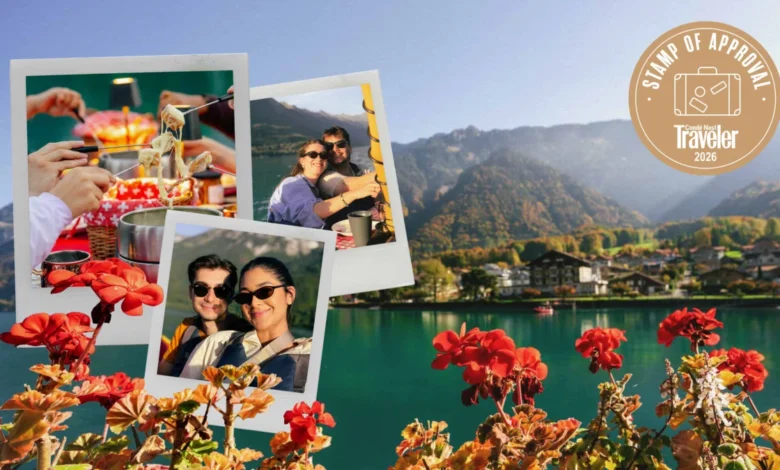
The evolution of modern tourism in the Swiss Alps has increasingly demanded a departure from traditional sightseeing toward immersive, highly shareable, and unconventional culinary experiences. Nowhere is this shift more evident than in the Bernese Oberland region of Switzerland, where adventure operators have redefined local gastronomy. Among the most notable innovations is a specialized excursion on Lake Brienz managed by Outdoor Switzerland: a floating cheese fondue experience hosted on red Zodiac rafts. Designed to blend alpine geography with culinary tradition, this unique offering has captured the attention of multi-generational travelers, international tourists, and industry analysts monitoring the changing preferences of contemporary consumers.
Background and Context of Alpine Tourism Evolution
For decades, the standard itinerary for visitors to the Bernese Oberland—encompassing destinations such as Grindelwald, the Jungfrau-Eiger massif, and Interlaken—focused on passive alpine appreciation. Visitors typically engaged in classic mountain sports, including downhill skiing, alpine hiking, mountain scooter rentals (known locally as trottinetting), and cable car excursions to high-altitude waterfalls. While these activities remain foundational to the region’s economy, tourism boards and private operators have observed a distinct behavioral shift, particularly among younger demographics such as Gen Z and millennial travelers.
These consumer segments increasingly prioritize experiential travel, defined by active participation, cultural authenticity, and distinct visual narratives suitable for digital platforms. In response, regional operators have innovated beyond traditional land-based restaurant dining. The introduction of the floating fondue experience represents a calculated effort to modernize Switzerland’s rich culinary heritage—specifically national staples like cheese fondue and regional wines—by integrating them with soft-adventure water sports.

Chronology of the Lake Brienz Fondue Experience
The operational history of the floating culinary tour reflects strategic adaptation to consumer demand. Originally conceptualized and launched by Outdoor Switzerland several years prior, the excursion initially featured raclette, another cornerstone of Swiss cuisine involving melted cheese scraped over boiled potatoes. However, market research and direct consumer feedback indicated that cheese fondue—globally recognized as Switzerland’s quintessential communal dish—offered broader international appeal and a more interactive dining format.
Consequently, operators replaced traditional raclette heating trays with caquelons (ceramic fondue pots) designed for stability and consistent heating on watercraft. The updated itinerary was subsequently listed on major global booking platforms, including GetYourGuide and Viator, expanding its reach to an international clientele.
A typical excursion follows a precise logistical timeline, adhering to strict safety and hospitality standards:
- Pre-Departure Briefing: Participants assemble in the village of Bönigen, situated a brief five-minute transit ride from downtown Interlaken on the shores of Lake Brienz. Following guest check-in, a certified professional guide delivers a mandatory safety briefing and oversees the fitting of personal flotation devices.
- Embarkation and Seating: Guests board specialized red Zodiac rafts, purposefully distributing body weight across opposing sides to maintain vessel equilibrium. Each raft features a decorative red-and-white-checkered tablescape outfitted with diningware, copper cups, and secure heating units for the fondue pots.
- The Voyage: Guided by professionals—often multilingual local experts—the watercraft departs the shore into Lake Brienz, recognized as the deepest lake in Switzerland. The journey lasts approximately 60 to 90 minutes, depending on weather and water conditions.
- Culinary Service and Cultural Integration: As the vessel navigates the glacial-fed, crystalline waters flanked by towering alpine peaks, the pre-mixed cheese fondue is heated. The experience includes a standardized beverage allocation, featuring regional white wine, mineral water, and hot tea. Traditional alpine music, including accordion melodies and folk tunes, accompanies the voyage via portable audio systems.
- Conclusion and Traditional Culmination: The experience concludes with the consumption of la religieuse, the toasted layer of cheese that forms at the base of the fondue pot, followed by a return transit to Bönigen.
Logistical Parameters and Booking Specifications

The floating fondue experience operates seasonally, running from September through April, subject to favorable meteorological conditions. Due to the winter and autumn operational windows, participants are advised to wear weather-appropriate apparel, including thermal coats, beanies, and gloves, to manage sustained exposure to alpine air temperatures on the water.
To maintain safety and intimacy, private charters are capped at a maximum of eight individuals per vessel. The minimum age requirement is established at eight years old, ensuring accessibility for families while mitigating risk factors associated with open-water dining. In addition to the flagship cheese fondue offering, operators have diversified the portfolio to include a Swiss chocolate fondue variant, catering to dessert enthusiasts with a menu featuring fresh fruit and marshmallows dipped in melted Swiss chocolate.
Economic and Industry Implications
The commercial success of unconventional excursions like the Interlaken floating fondue points to a broader trend within the global travel and hospitality sector: the premiumization of niche food and beverage experiences. According to recent tourism analytics, experiential dining now accounts for a significant share of vacation expenditures, with travelers increasingly willing to allocate discretionary funds toward activities that merge local culture with outdoor recreation.
For regional economies in Switzerland, such initiatives provide multiple economic benefits:

- Extended Seasonality: By offering operations through the autumn and winter months, operators help mitigate the traditional shoulder-season slump, sustaining employment and local vendor partnerships beyond the peak summer months.
- Supply Chain Integration: The experience reinforces local agricultural and viticultural sectors by sourcing regional cheeses and Swiss white wines, thereby promoting domestic producers to an international audience.
- Diversification of Appeal: By bridging the gap between passive sightseeing and active engagement, operators successfully attract multi-generational cohorts, satisfying older travelers seeking comfort and cultural immersion alongside younger demographics demanding novelty.
Future Outlook for Alpine Leisure
As alpine destinations compete globally to attract sophisticated travelers, the integration of gastronomy and soft adventure is expected to expand. Operators in the Bernese Oberland continue to refine safety protocols, vessel designs, and menu variations to maintain high satisfaction ratings across review platforms. While classic alpine pursuits such as mountaineering and cable car tourism remain vital, the rise of specialized aquatic dining underscores an industry-wide recognition that the future of travel lies in sensory, multi-dimensional engagement with the natural environment.