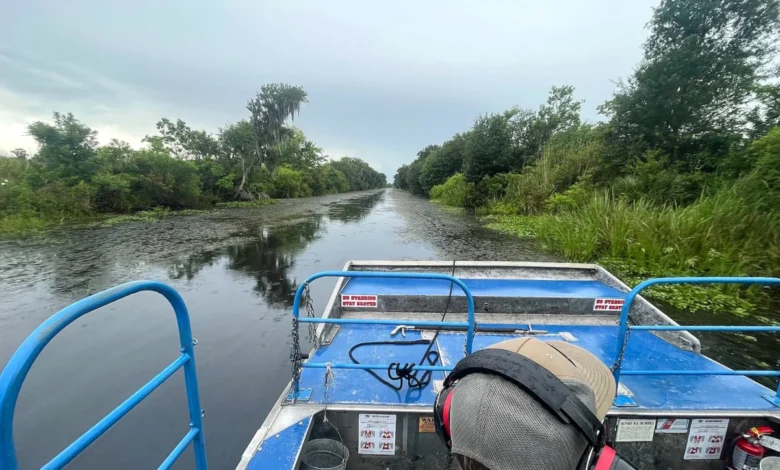
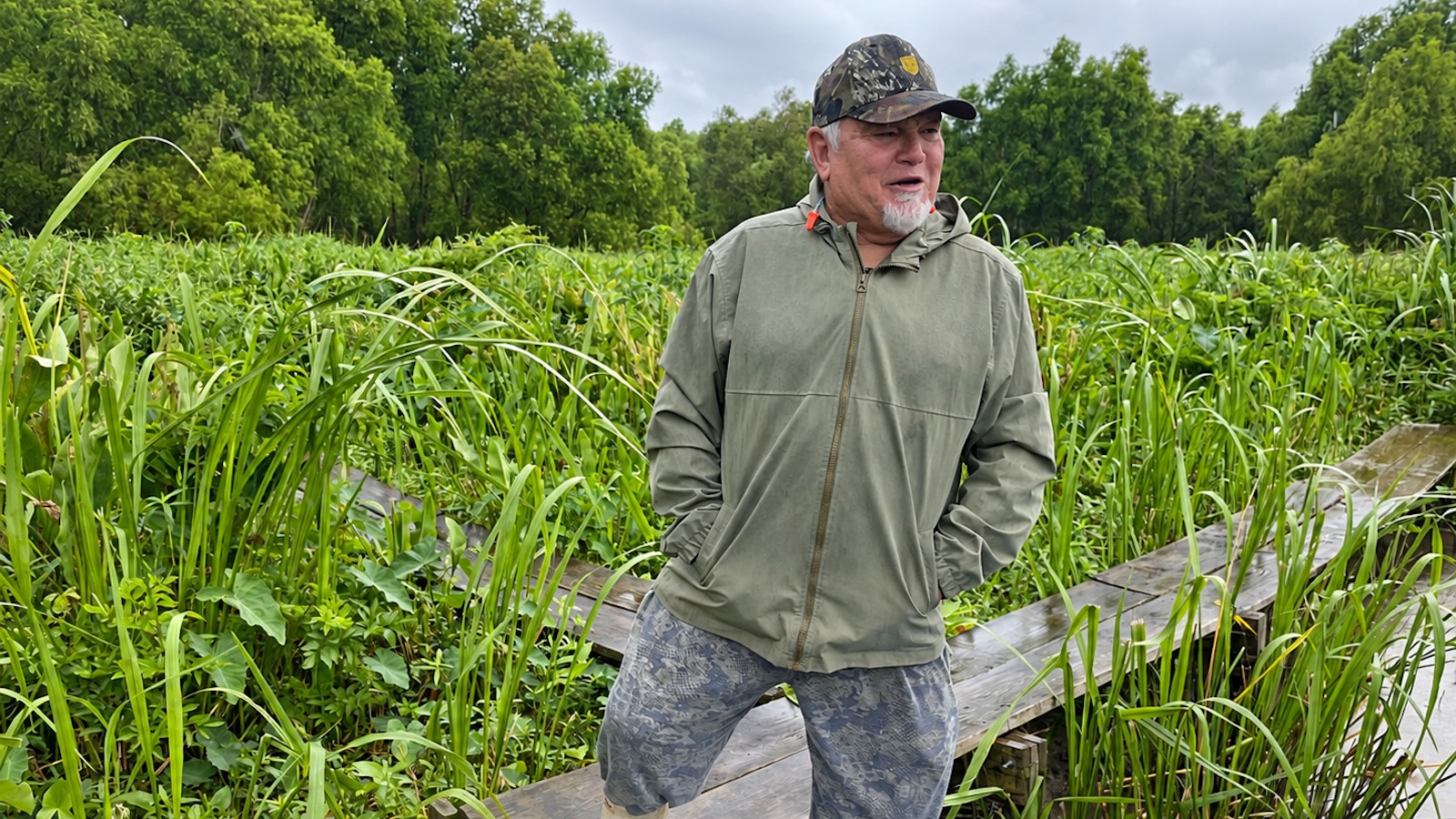
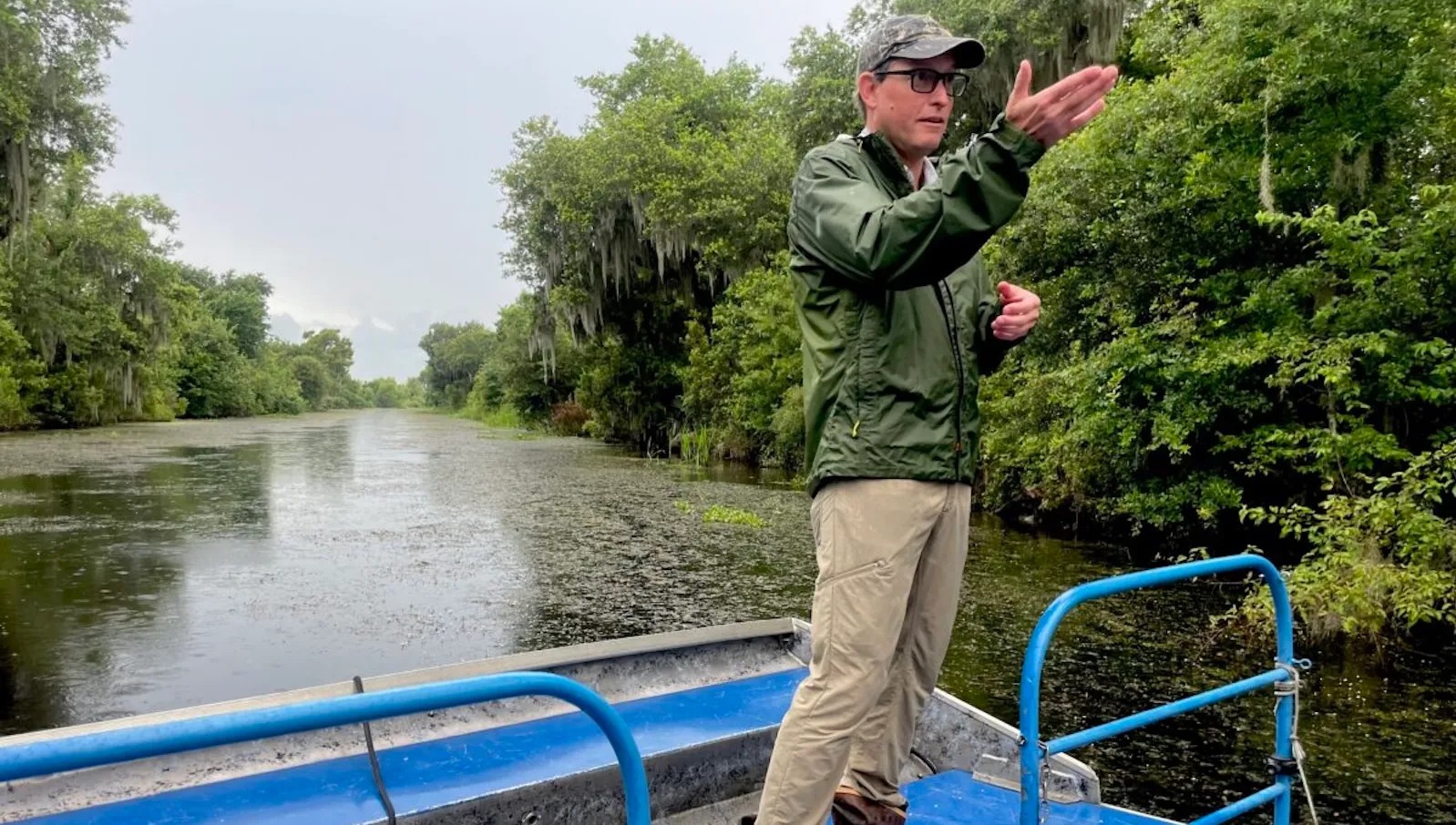
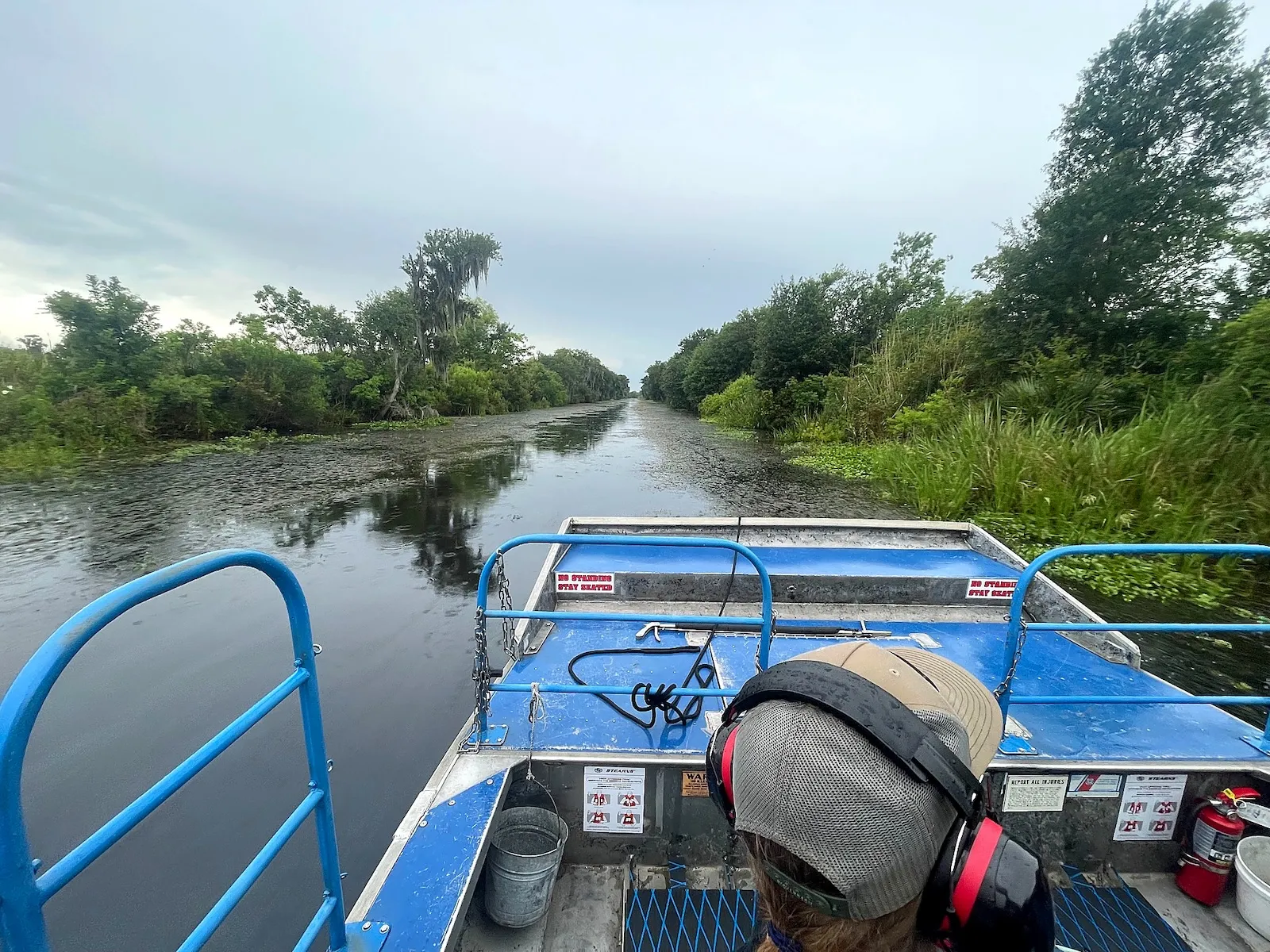
Arthur Matherne, a veteran of the Louisiana waterways, knows the rhythm of the Barataria Basin better than most. For decades, he navigated his airboat across vast, open expanses where the Gulf of Mexico’s relentless encroachment had dissolved once-thriving marshes into open water. Recently, however, he has found himself easing off the throttle. In a tucked-away corner of this 1.6-million-acre estuary, the channels have tightened. Native grasses are reclaiming the shallows, and oak branches, draped in iconic Spanish moss, are reaching out over water that once ran three feet deep but now barely covers the mud at three inches.
What Matherne is witnessing is a biological anomaly in a region defined by a century of land loss. While the broader Louisiana coast continues to vanish at a rate of approximately 11 square miles per year—a decline driven by subsidence, sea-level rise, and the legacy of industrial dredging—this specific patch of the Barataria Basin is expanding. The architect of this localized reversal is the Davis Pond Freshwater Diversion. Constructed by the U.S. Army Corps of Engineers in 2002, the project was originally intended to combat saltwater intrusion. However, it inadvertently proved that the Mississippi River, when allowed to spill its sediment-rich contents into the wetlands, acts as a powerful tool for land creation.
The Rise and Fall of the Big Diversion Strategy
For years, the state of Louisiana viewed these "sediment diversions" as the ultimate solution to its existential crisis. The most ambitious of these was the Mid-Barataria Sediment Diversion. Once touted by state officials as the largest and most significant environmental restoration project in the history of the United States, the $3 billion project promised to reconnect the river to the basin on a massive scale.
The project reached a milestone in 2023 when it officially broke ground. However, the political winds shifted rapidly following the inauguration of Governor Jeff Landry in 2024. A staunch critic of the project, Landry characterized the diversion as a costly, experimental failure that threatened the economic backbone of the region: the commercial fishing industry. By introducing large volumes of fresh water, critics argued the project would permanently alter the salinity levels required by oysters and drive shrimp populations away from traditional harvesting grounds.
In July 2025, the Landry administration officially terminated the Mid-Barataria project, effectively signaling the end of the state’s pursuit of "mega-diversions." Shortly thereafter, the $1.8 billion Mid-Breton Sediment Diversion—intended to restore wetlands southeast of New Orleans—was also shelved. This pivot marked a profound reversal in the state’s coastal master plan, moving away from large-scale, landscape-altering interventions toward smaller, more incremental projects.
A New Chapter: The 2027 Strategic Pivot
Despite the cancellation of these flagship projects, the Louisiana Coastal Protection and Restoration Authority (CPRA) is not abandoning the use of river water as a restoration tool. A review of the agency’s 2027 fiscal budget reveals a quiet but significant commitment to smaller-scale diversion efforts. The CPRA has earmarked at least $340 million for five distinct projects over the next several years, representing a marked increase from the $47 million spent on only three diversion projects in the two decades leading up to 2027.
The centerpiece of this new approach is the restoration of the Maurepas Swamp, a vast, Chicago-sized wetland on the western edge of Lake Pontchartrain. Since 2024, construction has been underway to install controlled gates in the Mississippi River levee near Garyville. The goal is to channel up to 2,000 cubic feet per second of fresh, sediment-rich water into the swamp. By flushing out stagnant, hypersaline water and providing the necessary silt to nourish the soil, the state aims to rejuvenate roughly 45,000 acres of cypress and tupelo forest. The project is expected to reach completion by late 2026.
The Scientific Debate: Land Building vs. Nutrient Loading
The shift toward smaller, more controlled diversions is not merely a political decision; it is a reaction to a fierce, ongoing scientific debate regarding the long-term health of these ecosystems. The efficacy of sediment diversions has been challenged by researchers like Eugene Turner, a professor of coastal sciences at Louisiana State University.
In a landmark 2019 study, Turner argued that while diversions might appear to create land in the short term, they may be causing net damage to the stability of the marsh. According to Turner, the Mississippi River’s modern water chemistry—heavily laden with nitrogen and phosphorus from upstream agricultural runoff—creates a "green toupee" effect. The excessive nutrients cause plants to grow rapidly above the surface, but they fail to develop the robust root systems necessary to hold the soil together during storms or high-current events.
"If your garden is fertilized too much, it puts all its growth aboveground," Turner noted. "It falls over because its roots never had to work hard." Turner’s research suggests that these "flabby" wetlands are more susceptible to erosion, effectively masking the long-term decline of the coast with a temporary, fragile layer of vegetation.
Conversely, other experts, including LSU colleagues John White and John Day, have defended the use of diversions. Their 2023 study concluded that the Davis Pond diversion resulted in a net gain of 1.3 square miles of land over its first two decades. They argue that satellite data used by critics like Turner is often too coarse to capture the nuances of small-scale marsh accretion. For them, the process is fundamental: the Delta cycle is the natural mechanism that built the Louisiana coast over millennia, and human-managed diversions are simply a way to force that natural process to continue in a targeted fashion.
Balancing Industry and Ecology
The economic implications of these projects remain a major hurdle for policymakers. The fishing industry’s concerns regarding oyster beds and shrimp migration were pivotal in the cancellation of the Mid-Barataria project. However, recent data from the Davis Pond area presents a more complex picture. According to Danielle Richardi, a CPRA coastal scientist, monitoring data from 2024 showed that oyster populations on public beds were performing above their 10-year average, and shrimp catches in the area hit a four-decade high.
These figures provide ammunition for those who believe that with careful management, the environment and the economy can coexist. In St. Charles Parish, local officials have formally endorsed a plan to study the potential for increasing flow rates at Davis Pond. They argue that the current operations are overly conservative and that more sediment could be delivered to the marsh without compromising the health of the estuary.
Looking Ahead: A Measured Approach
As the state moves forward, the "Medium Diversion at Myrtle Grove" has emerged as a compromise candidate. Originally proposed over 25 years ago, this project would be significantly smaller than the canceled Mid-Barataria diversion, diverting roughly one-third of the flow originally planned for the larger project. The CPRA is currently evaluating the integration of mechanical dredging alongside this diversion, which would allow for the direct placement of sediment into the marsh, potentially accelerating land growth while minimizing the risks associated with excessive fresh water.
The budget for the Myrtle Grove project remains fluid, with only $1.7 million allocated for preliminary planning between 2027 and 2029. Yet, the intent is clear: the state is seeking a "middle path." By moving away from massive, multi-billion-dollar interventions and toward smaller, data-driven projects, the CPRA hopes to avoid the political firestorms that derailed its previous efforts while still addressing the urgent need to stem the tide of coastal erosion.
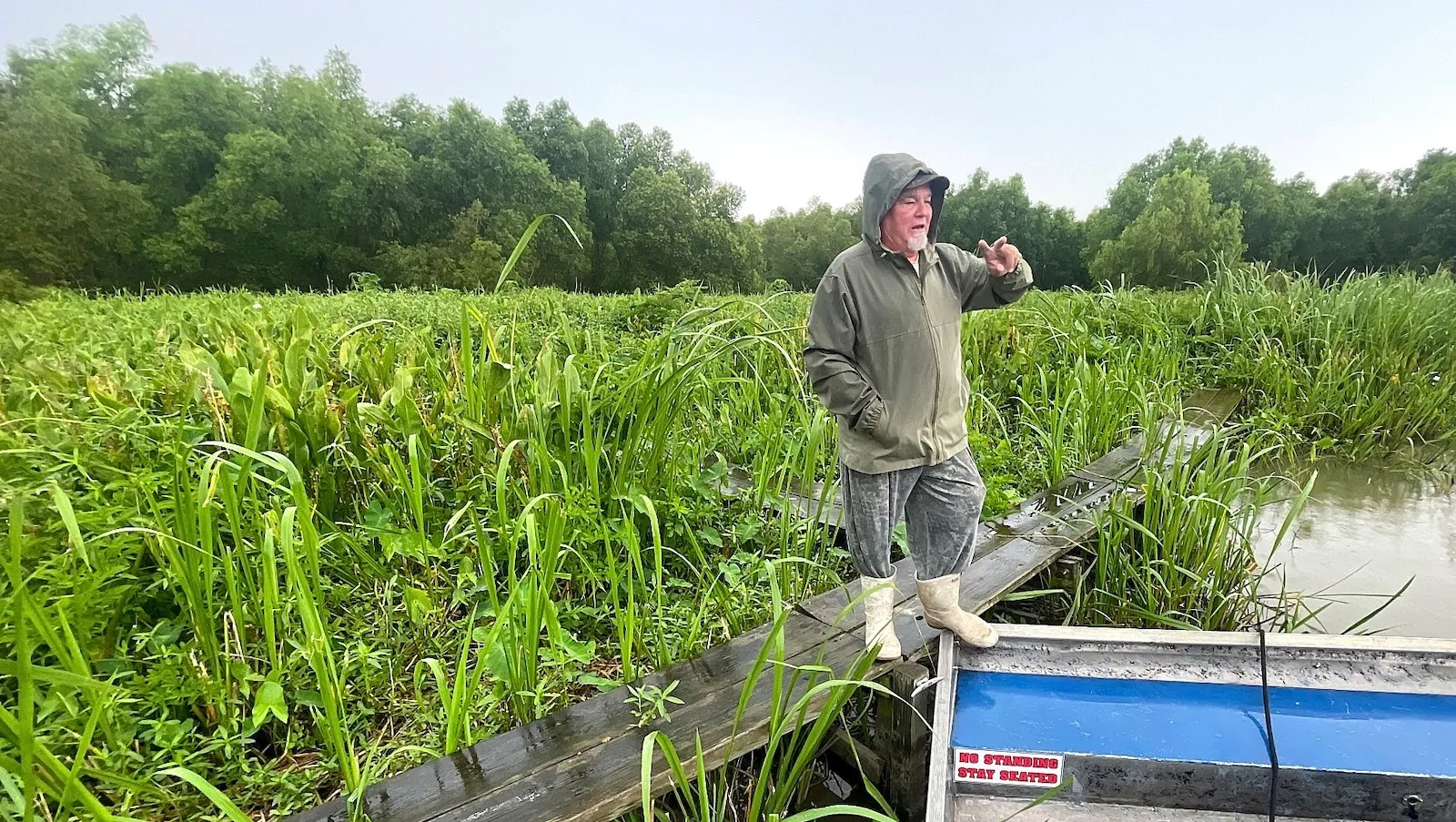
For individuals like Arthur Matherne, the policy debates in Baton Rouge are distant, but the physical reality on the water is immediate. He continues to see the resurgence of wildlife—alligators, migratory birds, and fish—in the areas where the river has been allowed to do its work. As the state recalibrates its strategy, the lesson of Davis Pond remains: the river can build land, but the success of that endeavor depends on the precision of human management, the quality of the water, and the ability to balance the needs of a changing environment with the needs of those who rely on it for their livelihood.
The era of the "boldest, largest" projects may have passed, but for the residents of the Louisiana coast, the smaller, more calculated efforts of the coming decade will be the true test of whether the state can hold its ground against the rising sea.