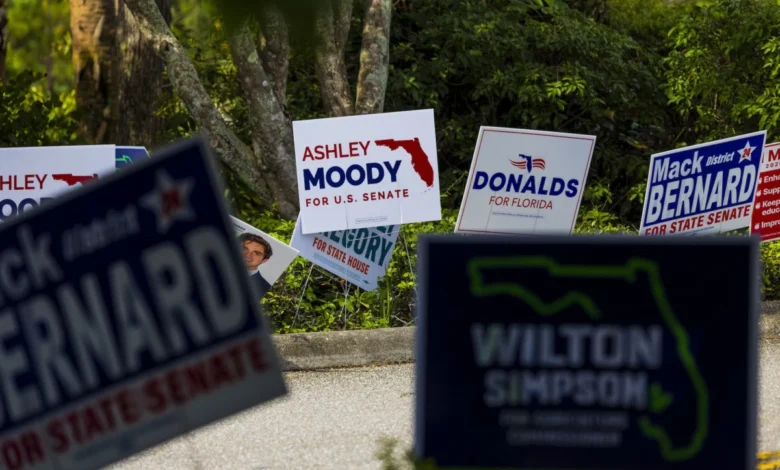
The Democratic Party achieved a resounding victory in Tuesday’s midterm elections, successfully flipping control of both the Senate and the House of Representatives while securing decisive wins in key gubernatorial and state-level races across the country. This political realignment marks a significant departure from the previous legislative paralysis that defined the first two years of the second Trump administration. Driven by voter concerns over inflation, rising energy costs, and the economic fallout of the conflict in Iran, the Democratic wave penetrated even traditional Republican bastions such as Ohio and South Carolina, setting the stage for a dramatic reversal of federal climate policy.
The results, which became increasingly clear by Wednesday morning, represent a seismic shift in Washington’s power dynamics. With control of both chambers of Congress, Democrats now possess the institutional leverage necessary to challenge the Trump administration’s aggressive deregulation agenda. For the first two years of the current term, the Democratic minority was relegated to issuing formal protests and strongly worded letters as the executive branch systematically suspended clean energy funding, gutted environmental protections for power plants and motor vehicles, and depleted the administrative capacity of the U.S. Forest Service and the Federal Emergency Management Agency (FEMA).

Chronology of the Legislative Shift
The road to this outcome began months ago, as voters in key swing districts began to voice profound dissatisfaction with the administration’s handling of infrastructure and climate-related crises. The initial frustration stemmed from the freezing of billions of dollars in climate-related funding, specifically capital allocated under the Inflation Reduction Act of 2022. By mid-2026, the Department of Energy had halted hundreds of experimental projects, including hydrogen production initiatives in Pennsylvania and decarbonization efforts for cement plants in California, while the Environmental Protection Agency (EPA) effectively shuttered a $7 billion community solar program.
These actions, viewed by the administration as necessary fiscal tightening, became a focal point for the Democratic campaign. Throughout the summer and fall of 2026, Democratic candidates framed the election as a referendum on the administration’s "unlawful" clawback of funds. With the new legislative majorities, Democratic leadership in the House Appropriations Committee has already signaled an intent to utilize the power of the purse. Representatives like Chellie Pingree have outlined plans to utilize subpoenas to compel testimony from administration officials, including EPA Chief Lee Zeldin, and to tie core operational funding for agencies to the release of previously authorized climate and energy resilience grants.

Data Centers and the Emerging Political Divide
A defining theme of this election cycle was the rapid politicization of the AI-driven data center boom. Across the nation, from Texas to Ohio and Pennsylvania, voters expressed intense skepticism regarding the massive power demands of these facilities. In many instances, the backlash against data centers proved to be the deciding factor in tight congressional and municipal races.
In Ohio, the defeat of Republican Jon Husted in the special Senate election can be traced, in part, to the effective campaign strategy of Democrats who utilized billboards to link incumbents directly to the local strain caused by massive data center developments. Similarly, in Pennsylvania’s 8th Congressional District, Paige Cognetti’s victory over Rob Bresnahan was secured by highlighting Bresnahan’s financial ties to the tech infrastructure industry.
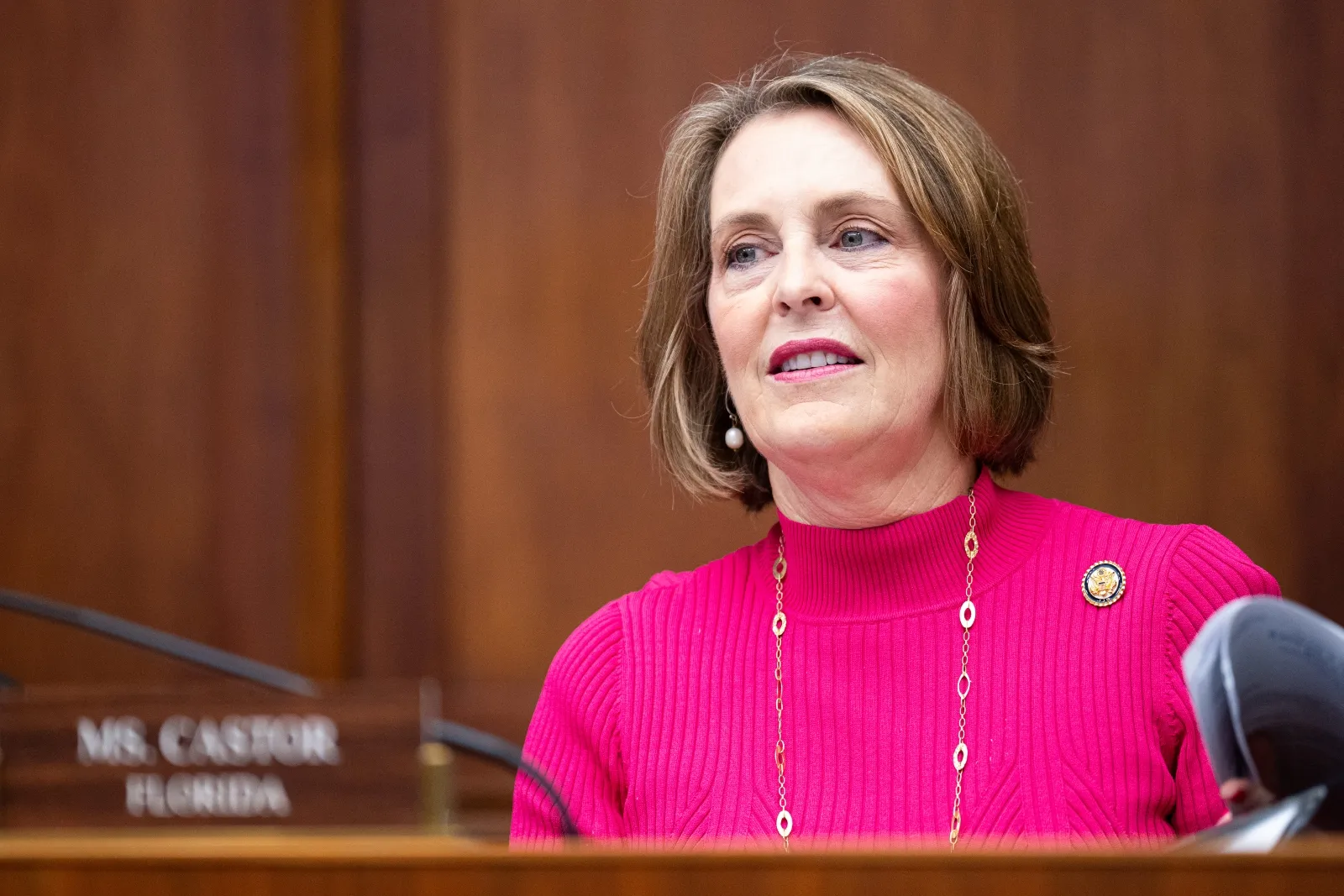
Municipal elections echoed these sentiments. The Washington Post reported that over 20 towns and cities successfully passed ballot measures to ban or restrict data center construction. In Sunbury, Ohio, a proposal for a $2 billion project was rejected by a 60-point margin, while in Pine Island, Minnesota, voter outrage over a proposed Google data center resulted in the ousting of local leadership. These results indicate that for a significant segment of the American electorate, the physical footprint of the digital economy has become a tangible environmental and economic grievance.
State-Level Transformations and Regional Impacts
The turnover at the state level may prove to be the most durable legacy of the 2026 midterms. Democrats achieved full control of state governments in Wisconsin, Arizona, and Pennsylvania—states that have historically experienced long periods of divided government or Republican dominance. In Pennsylvania, the Democratic-led state House has already announced an ambitious legislative package aimed at streamlining community and warehouse solar installations, alongside battery storage deployment.
In the South, the political map underwent a historic change. Texas, a state that accounts for over 40 percent of the nation’s oil and gas production, elected James Talarico as its first Democratic senator in nearly 40 years. Talarico’s platform—an "all-of-the-above" energy strategy—sought to reconcile the state’s fossil fuel dependence with a new commitment to renewable energy and local climate resiliency. Concurrently, Jon Rosenthal’s victory for a seat on the Texas Railroad Commission, the body responsible for regulating the oil and gas industry, signals a nascent shift in how the state manages its energy future, particularly regarding the plugging of methane-leaking abandoned wells.
Georgia also witnessed a significant shift, as Democrats secured majority control of the Public Service Commission for the first time in three decades. With the power to regulate utilities like Georgia Power, the commission will now be at the center of debates over rate hikes and the state’s reliance on fossil-fuel-heavy energy plans to meet the surge in demand from data centers.
Transit and Infrastructure Wins

Despite the national focus on energy, public transit also saw major victories. In the San Francisco Bay Area, the Regional Transit Measure passed, securing $1 billion in annual funding for the next 14 years. In Colorado, voters approved Measure 7A, which will implement a permanent sales tax to extend passenger rail service along the Front Range, a project projected to reduce carbon emissions by an amount equivalent to removing 29,000 cars from the road. Seattle and Lawrence, Kansas, also passed significant transit tax increases, suggesting that voters remain committed to local infrastructure investment even in an inflationary environment.
Implications for Federal Policy and Executive Oversight
The administration now faces a bifurcated reality: while Donald Trump remains in the White House, his executive authority is no longer unchecked. The Democratic control of Congress provides a constitutional check on the executive branch’s ability to unilaterally alter or dismantle environmental regulations.

Furthermore, the election results in areas affected by natural disasters have highlighted the political cost of neglecting federal disaster response. In western North Carolina, the victory of Jamie Ager in a district devastated by Hurricane Helene two years ago serves as a case study in the failure of current disaster policy. Ager successfully campaigned on the slow recovery efforts and the perceived inadequacy of Republican leadership, despite last-minute promises of aid from the President.
As the dust settles, the new Congress is expected to move quickly to restore clean energy tax credits and provide oversight to agencies like the Federal Emergency Management Agency (FEMA). Representative Jared Moskowitz, who won re-election in Florida, is poised to continue his push for legislation that would elevate FEMA to an independent, Cabinet-level agency, a move intended to insulate disaster response from political interference.
Conclusion: A New Era of Environmental Governance
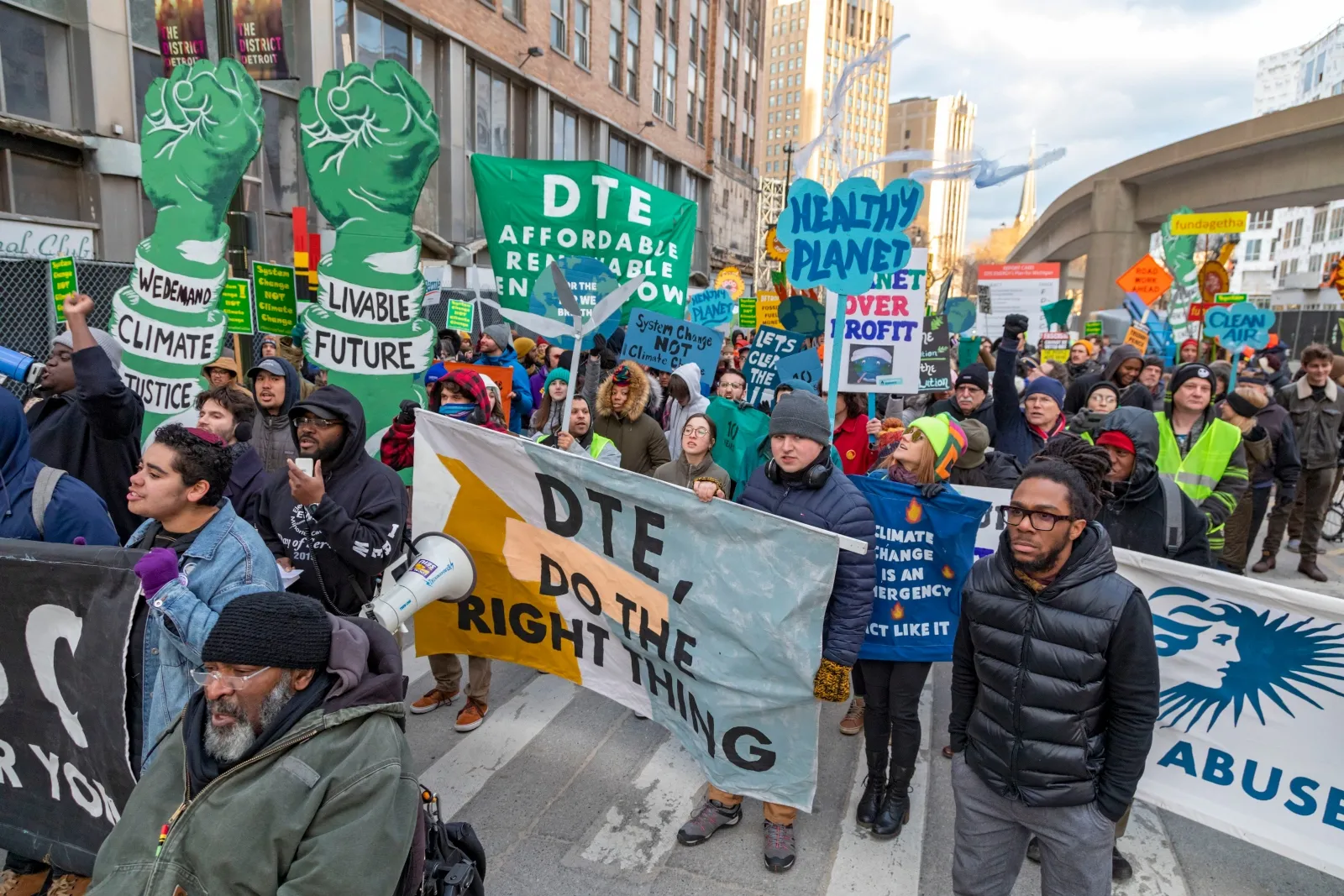
The 2026 midterm results reflect a country grappling with the intersection of climate change, economic volatility, and the rapid expansion of energy-intensive technologies. The Democratic sweep provides the party with a significant opportunity to redefine the terms of the national debate. By leveraging its new majorities, the party intends to move from a position of defense to one of active oversight and legislative reform.
Whether these gains will translate into long-term climate stability remains a question for the coming legislative sessions. However, the message from the electorate is clear: voters are increasingly sensitive to the impact of climate policy on their daily lives, from heating bills in Maine to home insurance premiums in Florida and the industrialization of their local communities by the tech sector. As the nation pivots toward the next two years, the focus will inevitably turn to whether this new coalition can deliver on its promises to balance energy demand with environmental protection.