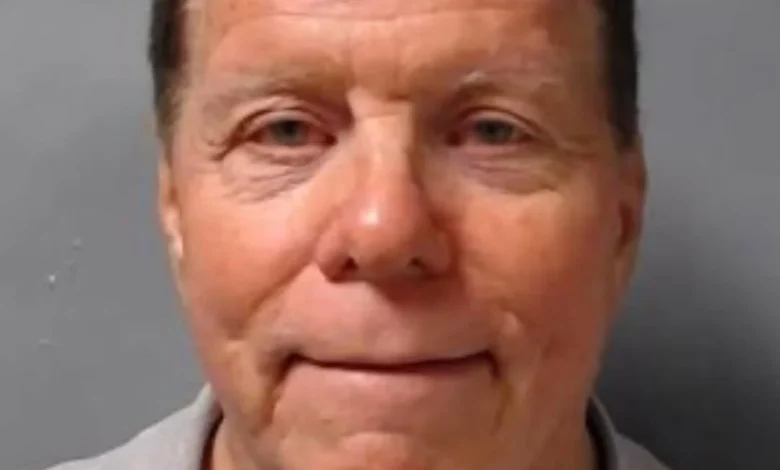
The extraordinary 20-year odyssey of a man known to law enforcement as a "master yachtsman, a world traveler, and internationally connected" fugitive concluded dramatically on July 16, [2023], with his apprehension aboard a 56-foot sailing vessel, The Silver Lining, on New York’s East River. Richard Graydon, also identified by authorities as Arthur G. Fischer, had been a long-standing fixture on the U.S. Marshals’ most wanted lists and was notably featured on the widely popular television program America’s Most Wanted. His capture, executed by a joint operation of the U.S. Marshals Service and the U.S. Coast Guard, brought an end to two decades of evasion, during which he meticulously constructed an elaborate new identity, culminating in a high-profile career within the cutting-edge biotech and pharmaceutical industries.
For years, the exact nature of Graydon’s activities during his extensive period as a fugitive remained largely shrouded in mystery. However, authorities had painstakingly documented over a dozen aliases he employed, painting a picture of a resourceful and adaptable individual adept at navigating various circles while maintaining his elusive status. The description provided by his police profile—"master yachtsman, a world traveler, and internationally connected"—suggested a sophisticated lifestyle that allowed him to blend seamlessly into diverse environments, leveraging maritime mobility and international connections to stay one step ahead of the law. This profile made him a particularly challenging target for law enforcement, as traditional methods of tracking often prove insufficient against individuals who deliberately operate outside conventional societal structures.
The Original Offense and Long Pursuit
While the precise details of the original charges leading to Richard Graydon’s fugitive status were not extensively detailed in initial reports, his designation as "one of Rhode Island’s longest wanted fugitives" by the U.S. Marshals Service indicates a serious offense committed within that jurisdiction, prompting a two-decade-long manhunt. The U.S. Marshals Service, the nation’s oldest federal law enforcement agency, has a primary mission to apprehend federal fugitives, a task that often involves extensive inter-agency cooperation and sophisticated investigative techniques. The sheer duration of Graydon’s evasion underscores the challenges faced by authorities in tracking individuals who possess the means and cunning to disappear into the vastness of global society. The inclusion of his case on America’s Most Wanted, a program renowned for enlisting public assistance in tracking down elusive criminals, further highlights the high priority placed on his capture and the difficulty inherent in the case. This national exposure would have kept his image and profile in the public consciousness, even as he was actively constructing a new life.
A Fabricated Identity: The Rise of a Biotech Executive
The most startling revelation in Graydon’s elaborate deception was his successful infiltration of the highly specialized and regulated biotech sector. Beginning around 2017, the fugitive began to solidify his new persona, leveraging fabricated credentials to ascend to significant positions within reputable companies. This period marks a critical phase in his double life, where the "master yachtsman" was replaced by the seemingly erudite "Dr. Richard Graydon."
In 2017, under the name Richard Graydon, he self-published a book titled The Genetic Risks of Cancer: The Effects of DNA, Genomics and Inheritance on Aging and Survival. This publication served as a crucial cornerstone for his fabricated professional identity. The book’s description boldly claimed Graydon was an oncologist who had served as a chief medical officer in the biotech and drug development industry. Such a claim, backed by a seemingly academic publication, would lend an air of legitimacy to his persona, allowing him to bypass initial scrutiny in an industry that places immense value on scientific expertise and medical credentials. Notably, the book had no reviews on Amazon, a detail that in retrospect, might have raised a red flag, but was likely overlooked amidst the more impressive claims. The act of self-publishing a specialized scientific text, while not inherently suspicious, served as a clever mechanism to generate a verifiable "publication record" without the rigorous peer review process of traditional academic publishing.
Infiltrating the Biotech Industry: A Chronology of Deception
The façade of Dr. Richard Graydon truly took hold in the latter half of his fugitive period, demonstrating a remarkable audacity and an apparent ability to convince highly skilled professionals of his qualifications.
-
October 2022: Appointment at Atossa Therapeutics. Seattle-based Atossa Therapeutics, a clinical-stage biopharmaceutical company focused on oncology and infectious diseases, announced it had hired "Richard Graydon" as its interim chief medical officer. This was a significant appointment, placing him in a leadership role within a publicly traded company. Steven Quay, Atossa’s CEO, expressed enthusiasm for the new hire at the time, stating, "We are privileged to welcome Richard to Atossa, where his deep experience in CAR-T cell therapy fits well with our current strategic direction as we explore our opportunities in cell therapy." This statement highlights the perception of Graydon’s expertise in a cutting-edge field of cancer treatment. CAR-T cell therapy, Chimeric Antigen Receptor T-cell therapy, is a revolutionary form of immunotherapy that harnesses a patient’s own immune cells to fight cancer, representing one of the most advanced and promising frontiers in oncology. The implication that Graydon possessed "deep experience" in such a specialized area speaks volumes about the credibility he was able to project.
-
March [2023]: Joining Immix Biopharma. Just months later, in March [2023], Immix Biopharma, another biopharmaceutical company, announced the hiring of "Graydon." Immix’s press release was even more effusive in its description of his qualifications, calling him a "board-certified hematologist-oncologist with over 20 years of experience in clinical development, most recently at Merck & Co. and Johnson & Johnson, where he led new and supplemental new drug applications and biologics license applications for 7 approved drugs including Darzalex, Carvykti, Keytruda, and Imbruvica." These claims are nothing short of extraordinary. Merck & Co. and Johnson & Johnson are two of the largest and most respected pharmaceutical companies globally. The drugs listed—Darzalex, Carvykti, Keytruda, and Imbruvica—are not merely significant; they are some of the bestselling and most impactful cancer medicines in the world, generating billions in revenue and profoundly changing treatment paradigms for various cancers. Keytruda, for instance, is a cornerstone of modern immunotherapy. To claim leadership roles in the development and approval processes for such a portfolio of drugs would place "Dr. Graydon" among the elite figures in pharmaceutical development.
-
Fabricated Academic Credentials. Immix’s announcement further bolstered the narrative by detailing "Dr. Graydon’s" academic background: "Dr. Graydon received his MD and PhD from Stanford University and trained at Harvard’s Massachusetts General Hospital." These institutions represent the pinnacle of medical and scientific education and training in the United States, lending an almost unassailable aura of intellectual rigor and professional excellence to his profile. However, subsequent investigations by Stat, a leading health and medicine news publication, revealed that they "could not verify any of that information," and Immix Biopharma notably "did not respond to requests for comment" regarding these discrepancies. This lack of verification and the subsequent silence from the hiring company raise serious questions about the due diligence processes employed in his recruitment.
The Arrest: The End of a Double Life
The meticulously constructed edifice of Richard Graydon came crashing down on July 16, [2023]. The U.S. Marshals Service, in conjunction with the U.S. Coast Guard, intercepted The Silver Lining as it sailed on the East River in New York. The fugitive, Arthur G. Fischer, was taken into custody "without incident." The location of the arrest, on a sailboat, provided a fittingly dramatic conclusion to a chase involving a man described as a "master yachtsman." The tranquil waters of the East River became the unlikely stage for the final act of a 20-year pursuit.
The U.S. Marshals Service, with its specialized fugitive task forces, often employs a blend of traditional investigative techniques, intelligence gathering, and inter-agency collaboration to track down long-term fugitives. The involvement of the U.S. Coast Guard suggests that maritime intelligence or surveillance played a role in pinpointing The Silver Lining‘s location, effectively cornering a suspect who had long used the open seas as a means of escape and anonymity. The phrase "without incident" implies a swift and professional apprehension, contrasting with the high-stakes image often associated with America’s Most Wanted profiles.
Implications for the Biotech Industry and Corporate Due Diligence
The exposure of Richard Graydon’s true identity sent ripples through the biotech industry, particularly impacting the companies that had unwittingly employed him. Immix Biopharma, in an SEC filing on the Monday following his arrest, reported Graydon’s termination. In an apparent effort to mitigate potential reputational and operational damage, the company stated that "Given his short tenure, management believes there is no material effect on the business." While legally defensible, this statement underscores the challenges companies face when confronted with such a profound lapse in vetting.
The incident highlights critical vulnerabilities in the hiring processes for senior executive roles, especially in highly specialized fields like biotechnology. The reliance on self-reported credentials, the allure of an impressive resume, and the rapid pace of growth within the biotech sector can sometimes lead to shortcuts in rigorous background checks. For positions involving medical expertise and leadership in drug development, the integrity of an individual’s professional and academic history is paramount, not just for the company’s reputation but also for patient safety and investor confidence.
- Erosion of Trust: Such a high-profile case of deception can erode public trust in the biotech industry, which relies heavily on credibility and scientific rigor. Patients and investors expect that the individuals leading the development of life-saving drugs are precisely who they claim to be, possessing the genuine expertise necessary for such critical work.
- Due Diligence Deficiencies: The inability of multiple companies to verify Graydon’s academic and professional claims suggests a systemic oversight. Robust due diligence processes typically involve contacting universities, verifying previous employment, and checking professional licenses and certifications. The fact that Stat could not verify his Stanford and Harvard claims suggests these basic checks were either not performed adequately or were somehow circumvented by Graydon’s sophisticated deception.
- Regulatory Scrutiny: This incident could prompt increased scrutiny from regulatory bodies regarding corporate governance and hiring practices, especially for companies dealing with new drug applications and clinical trials where the qualifications of medical officers are critical.
- Reputational Damage: While Immix stated "no material effect on the business," the reputational fallout for both Immix and Atossa is undeniable. Companies in this sector operate in a highly competitive and often public sphere, and any perceived lack of diligence can have long-term consequences for their brand and investor relations.
Looking Forward: Legal Ramifications and Lessons Learned
Arthur G. Fischer, now unmasked as Richard Graydon, faces the immediate prospect of being returned to Rhode Island to face the charges that initiated his 20-year flight from justice. Depending on the nature of the original offense and any potential new charges related to fraud or identity theft during his time on the lam, he could face significant legal penalties. The U.S. Marshals Service has successfully closed a chapter on one of its longest-running fugitive cases, demonstrating the unwavering commitment of law enforcement agencies to bring fugitives to justice, regardless of how much time has passed or how elaborate their new identities become.
The "Dr. Richard Graydon" saga serves as a stark reminder of the sophisticated lengths to which some individuals will go to evade accountability and the critical importance of vigilance in all sectors, particularly those entrusted with public health and significant financial investment. For the biotech industry, the incident will undoubtedly catalyze a reevaluation of hiring protocols, reinforcing the necessity of thorough, independent verification of credentials, especially for positions of immense responsibility and trust. The story of the master yachtsman who became a biotech executive is a testament to the enduring power of deception and the ultimate triumph of justice.