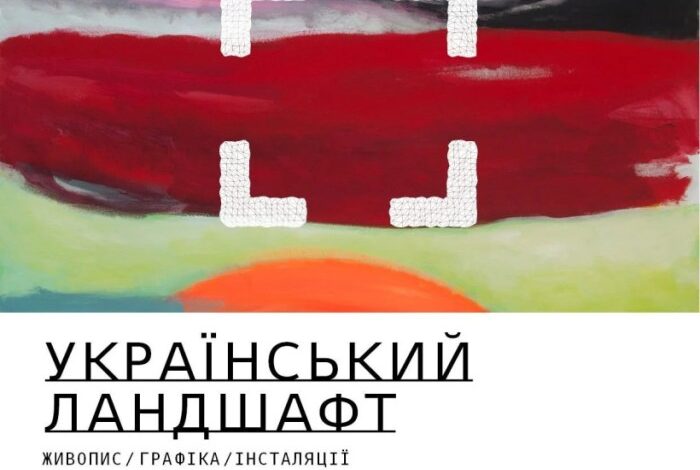
Explore ukrainian modern art at ra exhibition – Explore Ukrainian Modern Art at the RA Exhibition offers a captivating journey into the heart of contemporary Ukrainian art, a world that has been shaped by both profound beauty and turbulent history. The Royal Academy of Arts, renowned for its commitment to showcasing cutting-edge artistic expressions, has curated an exhibition that not only highlights the talent and creativity of Ukrainian artists but also provides a crucial platform for understanding the cultural resilience and artistic spirit of a nation undergoing significant transformation.
The exhibition delves into the historical context of Ukrainian modern art, tracing its evolution from the early 20th century to the present day. It explores the key movements, influential artists, and the impact of political and social events on the development of Ukrainian artistic expression.
Visitors will gain a deeper appreciation for the unique themes, styles, and techniques that characterize Ukrainian art, revealing the diverse perspectives and artistic narratives that have emerged from this dynamic nation.
Exploring Ukrainian Modern Art at the RA
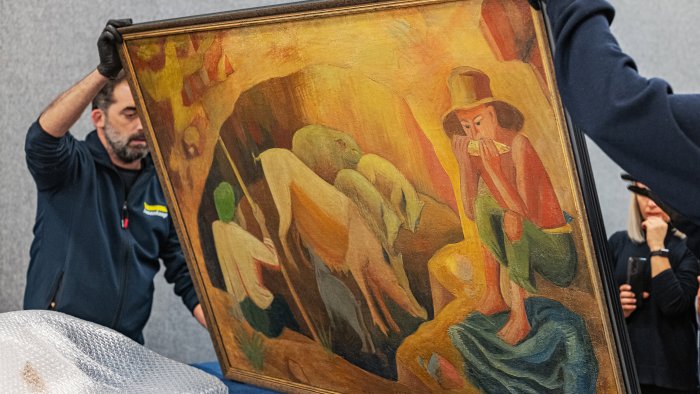
The Royal Academy of Arts (RA) is a renowned institution in London, playing a vital role in showcasing contemporary art from around the world. The RA’s commitment to presenting diverse artistic voices makes it a crucial platform for understanding global art movements and fostering cross-cultural dialogue.
The RA exhibition showcasing Ukrainian modern art was truly inspiring. It made me think about how creativity can be found in everyday objects, just like the intricate designs of a traditional Ukrainian folk art piece. And that got me thinking about how to create something beautiful and functional myself.
Perhaps I could try building a toy box for my niece, following the detailed instructions on this website: how to build a toy box. Maybe I could even incorporate some Ukrainian folk art motifs into the design! The RA exhibition definitely sparked my own creative spirit.
In the current global context, exploring Ukrainian modern art is particularly significant. Ukraine’s artistic scene has been profoundly shaped by its turbulent history, including the ongoing war with Russia. Through the lens of art, we can gain a deeper understanding of Ukrainian identity, resilience, and artistic expression in the face of adversity.
This RA exhibition offers a unique opportunity to engage with Ukrainian art, providing a platform for artists to share their perspectives and stories with a wider audience.
The Significance of Ukrainian Modern Art
The exhibition at the RA presents a compelling opportunity to delve into the complexities of Ukrainian modern art. The works on display reflect the country’s rich artistic heritage and its ongoing evolution, showcasing a diversity of styles, themes, and perspectives.
Ukrainian modern art is characterized by its unique blend of influences, drawing inspiration from both Western and Eastern artistic traditions. Artists have creatively responded to their historical context, incorporating elements of folk art, avant-garde movements, and contemporary art practices.
Historical Context of Ukrainian Modern Art: Explore Ukrainian Modern Art At Ra Exhibition
Ukrainian modern art emerged in the late 19th and early 20th centuries, a period of significant political and social upheaval. It was shaped by a complex interplay of influences, including the rise of nationalism, the impact of European avant-garde movements, and the tumultuous events of the 20th century.
Key Movements and Artists
The development of Ukrainian modern art can be traced through several key movements and artists.
Exploring Ukrainian modern art at the RA exhibition was a truly eye-opening experience, showcasing the resilience and creativity of artists amidst challenging times. It reminded me of the power of art to express emotions and stories, just like the hairdressers journal heard purple shampoo challenge , where hairdressers creatively tackled the challenge of maintaining vibrant hair colors.
Seeing the Ukrainian artists’ works, I felt a deep connection to their struggles and triumphs, reflected in the bold colors and powerful imagery.
- Ukrainian Impressionism, influenced by French Impressionism, emerged in the late 19th century. It focused on capturing the fleeting effects of light and color in landscapes and everyday scenes. Key figures include Ivan Trush, Mykola Pymonenko, and Serhiy Vasylkivsky.
- Ukrainian Symbolism, a movement that emerged in the early 20th century, explored themes of spirituality, mysticism, and the subconscious.
Notable artists included Mykhailo Vrubel, Oleksandr Murashko, and Mykola Bulakhovsky.
- Ukrainian Expressionism, inspired by German Expressionism, gained momentum in the 1910s. It emphasized emotional intensity, bold colors, and distorted forms. Key figures include David Burliuk, Vasyl Yermilov, and Oleksandr Bohomazov.
- Ukrainian Avant-Garde, a diverse movement that encompassed various styles and ideologies, flourished in the 1920s.
It embraced experimentation, innovation, and a rejection of traditional artistic norms. Prominent artists included Kazimir Malevich, Aleksandr Arhipenko, and Mykola Hlushchenko.
Comparison with Other Contemporary Art Movements
Ukrainian modern art shared many similarities with other contemporary art movements in Europe. It was influenced by the rise of Impressionism, Symbolism, and Expressionism, as well as by the avant-garde movements of Cubism, Futurism, and Dadaism. However, Ukrainian artists also developed their own unique styles and perspectives, reflecting the specific historical and cultural context of Ukraine.
Influence of Political and Social Events
The development of Ukrainian modern art was profoundly influenced by political and social events. The Russian Revolution of 1917 and the subsequent establishment of the Soviet Union had a significant impact on Ukrainian art. Many artists were forced to adapt their work to the demands of socialist realism, a style that emphasized the achievements of the Soviet state and the working class.
However, despite these challenges, Ukrainian artists continued to explore new forms and ideas, often through underground or non-conformist movements.
Examples of Artists and Their Work
- Kazimir Malevich(1879-1935) was a pioneering figure in the Ukrainian avant-garde. His iconic work, “Black Square,” created in 1915, is considered a foundational piece of abstract art. Malevich also developed the Suprematist movement, which focused on pure geometric forms and colors.
- Aleksandr Arhipenko(1887-1974) was a sculptor and painter who combined Cubist and Futurist elements in his work. He was known for his innovative use of form and space, and his sculptures often explored the human figure in abstract ways.
- Mykola Hlushchenko(1891-1969) was a prominent figure in the Ukrainian avant-garde.
His work encompassed various styles, including Cubism, Futurism, and Constructivism. He was known for his experimental use of materials and his innovative approach to composition.
Themes and Styles in the Exhibition
The exhibition showcases a diverse range of artistic styles and themes that reflect the turbulent and dynamic history of Ukraine in the 20th and 21st centuries. The works on display provide a powerful and multifaceted exploration of the country’s cultural identity, its struggles, and its aspirations.
Themes Explored in the Exhibition
The exhibition explores a range of themes that reflect the complex history and cultural landscape of Ukraine. These themes include:
- National Identity:The exhibition explores the evolution of Ukrainian national identity through the lens of art. Many artists used their work to express their pride in their heritage and to challenge the dominant narratives imposed by external forces. For example, the work of Kazimir Malevich, a prominent Ukrainian avant-garde artist, reflected his exploration of the unique cultural identity of Ukraine.
- Modernity and Tradition:The exhibition showcases the artists’ attempts to reconcile traditional Ukrainian art forms with modern artistic movements. This tension between the old and the new is evident in the works of artists like Alexander Archipenko, who incorporated traditional Ukrainian motifs into his avant-garde sculptures.
- Revolution and War:The exhibition addresses the impact of the two world wars and the Ukrainian Revolution on the country’s art scene. Artists often used their work to express their experiences of war, trauma, and hope. For instance, the works of Alexander Bohomazov, a Ukrainian avant-garde artist, depicted the chaos and destruction of war through abstract forms and bold colors.
- Social and Political Issues:The exhibition also examines the social and political issues that have shaped Ukrainian art, including themes of poverty, inequality, and censorship. Artists like David Burliuk, a Ukrainian avant-garde artist, used their work to critique the social injustices and political oppression of their time.
After spending a day exploring Ukrainian modern art at the RA exhibition, I was captivated by the vibrant colors and bold strokes. As I stepped out onto the street, I couldn’t help but notice a dazzling giant snowflake light up marquee illuminating the night sky.
It was a beautiful reminder of the artistry that can be found in unexpected places, just like the hidden gems I discovered in the RA exhibition.
- Post-Soviet Art:The exhibition highlights the emergence of a new generation of Ukrainian artists after the collapse of the Soviet Union. These artists explore themes of freedom, identity, and the challenges of rebuilding a nation.
Styles and Techniques
The exhibition features a wide range of artistic styles and techniques, including:
- Avant-garde:The exhibition features a significant number of works by Ukrainian avant-garde artists who were at the forefront of modern art movements in the early 20th century. These artists experimented with abstract forms, bold colors, and unconventional techniques.
- Expressionism:Expressionist artists sought to express their emotions and inner experiences through their art. This style is evident in the works of Ukrainian artists like Anatoly Petrytsky, who used distorted forms and vivid colors to convey his feelings.
- Social Realism:Social realism emerged in the Soviet Union and focused on depicting the lives of ordinary people and promoting socialist ideals. Ukrainian artists like Mykola Samoilenko employed this style to highlight the struggles and triumphs of the working class.
- Abstract Art:Abstract art explores form, color, and composition without representing any recognizable objects. Ukrainian artists like Vasyl Yermilov, who experimented with geometric shapes and abstract patterns, contributed to this movement.
- Contemporary Art:The exhibition also showcases the work of contemporary Ukrainian artists who explore a diverse range of themes and styles. These artists use a variety of media, including painting, sculpture, photography, and installation art.
Featured Artists and their Works
The exhibition showcases a diverse range of Ukrainian artists who have shaped the country’s modern art scene. Their works offer unique perspectives on Ukrainian history, culture, and identity, reflecting the dynamism and innovation that characterized the artistic landscape of the 20th and 21st centuries.
Key Artists and their Contributions, Explore ukrainian modern art at ra exhibition
The exhibition features a selection of prominent Ukrainian artists, each with their distinct artistic vision and contribution to the development of Ukrainian modern art.
| Name | Biography | Artistic Style | Examples of Work |
|---|---|---|---|
| Kazimir Malevich | Born in 1879 in Kyiv, Malevich is widely considered one of the pioneers of abstract art. He is best known for his Suprematist works, which explore the fundamental elements of form and color. | Suprematism | Black Square (1915), White on White (1918) |
| Aleksandr Archipenko | Born in 1887 in Kyiv, Archipenko was a sculptor and painter who embraced Cubist and Futurist principles. His works often feature fragmented forms and dynamic compositions, reflecting the movement and energy of modern life. | Cubism, Futurism | The Walking Woman (1912), The Dancer (1913) |
| Sonia Delaunay | Born in 1885 in Ukraine, Delaunay was a painter and designer who, alongside her husband Robert Delaunay, developed the Orphism art movement. Her works are characterized by vibrant colors, geometric shapes, and a focus on light and movement. | Orphism | Simultaneous Windows on the City (1912), Electric Prisms (1914) |
| Mykhailo Boichuk | Born in 1882 in Kyiv, Boichuk was a painter and art theorist who developed a distinct style known as “Monumentalism.” His works are characterized by bold lines, simplified forms, and a focus on the heroic and monumental aspects of Ukrainian history and culture. | Monumentalism | The Great Migration (1928), The Last Supper (1930) |
| Vasyl Yermilov | Born in 1894 in Kyiv, Yermilov was a painter and graphic artist who was a leading figure in Ukrainian avant-garde art. His works often explore themes of social realism and the everyday life of ordinary people. | Social Realism, Avant-garde | The Workers (1920s), The Collective Farm (1930s) |
| Mykola Hnatyuk | Born in 1907 in Kyiv, Hnatyuk was a painter and graphic artist known for his expressive landscapes and portraits. His works capture the beauty and serenity of the Ukrainian countryside, often imbued with a sense of nostalgia and longing. | Expressionism | The Ukrainian Landscape (1930s), The Village (1940s) |
| Oleksandr Bohomazov | Born in 1880 in Kyiv, Bohomazov was a painter and art theorist who played a significant role in the development of Ukrainian Cubo-Futurism. His works often incorporate geometric shapes, dynamic compositions, and a focus on the movement and energy of modern life. | Cubo-Futurism | The City (1914), The Landscape (1916) |
Impact and Significance of the Exhibition
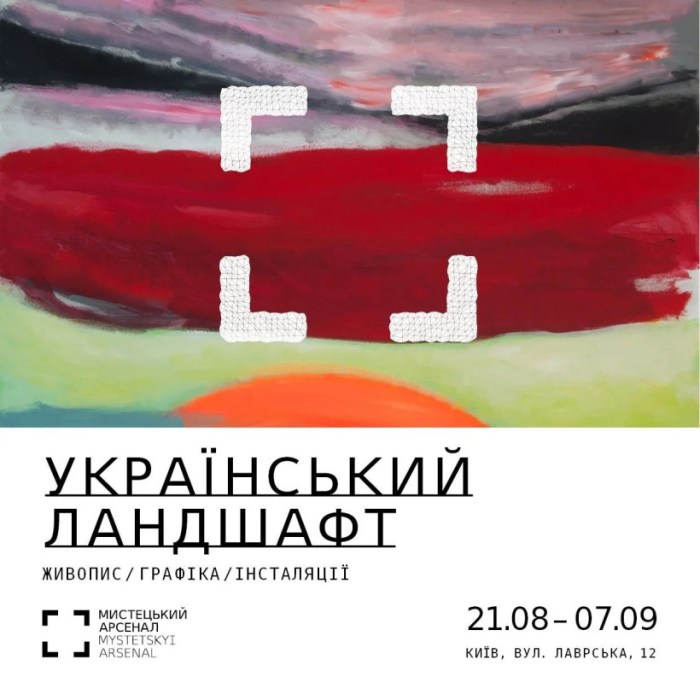
The “Exploring Ukrainian Modern Art at the RA” exhibition has had a profound impact on the art world, not only for its compelling display of Ukrainian artistic talent but also for its timely and necessary spotlight on Ukrainian culture and identity.
The exhibition has served as a platform for dialogue, education, and a deeper understanding of Ukrainian artistic expression, contributing to a broader global appreciation for Ukrainian art and its historical context.
Impact on the Art World
The exhibition has significantly influenced the art world by introducing a new generation of artists and their works to an international audience. It has sparked discussions about the significance of Ukrainian art in the global art historical narrative, challenging existing canons and expanding the boundaries of what is considered “important” art.
The exhibition has also fostered collaborations between Ukrainian and international artists, institutions, and collectors, creating new opportunities for exchange and dialogue.
Raising Awareness about Ukrainian Art and Culture
The exhibition has played a crucial role in raising awareness about Ukrainian art and culture on a global scale. By showcasing the diverse styles, themes, and historical contexts of Ukrainian modern art, the exhibition has challenged preconceived notions and stereotypes about Ukrainian art and culture.
It has provided a platform for Ukrainian artists to share their perspectives and stories with the world, contributing to a more nuanced and informed understanding of Ukrainian identity.
Contribution to Understanding Ukrainian Identity and Artistic Expression
The exhibition has offered valuable insights into the complexities of Ukrainian identity and artistic expression. It has highlighted the role of art as a tool for cultural preservation, resistance, and self-expression, particularly in the face of political and social challenges.
The exhibition has also demonstrated the diverse ways in which Ukrainian artists have responded to the historical, political, and social contexts of their time, showcasing the rich tapestry of artistic traditions and influences that shape Ukrainian art.