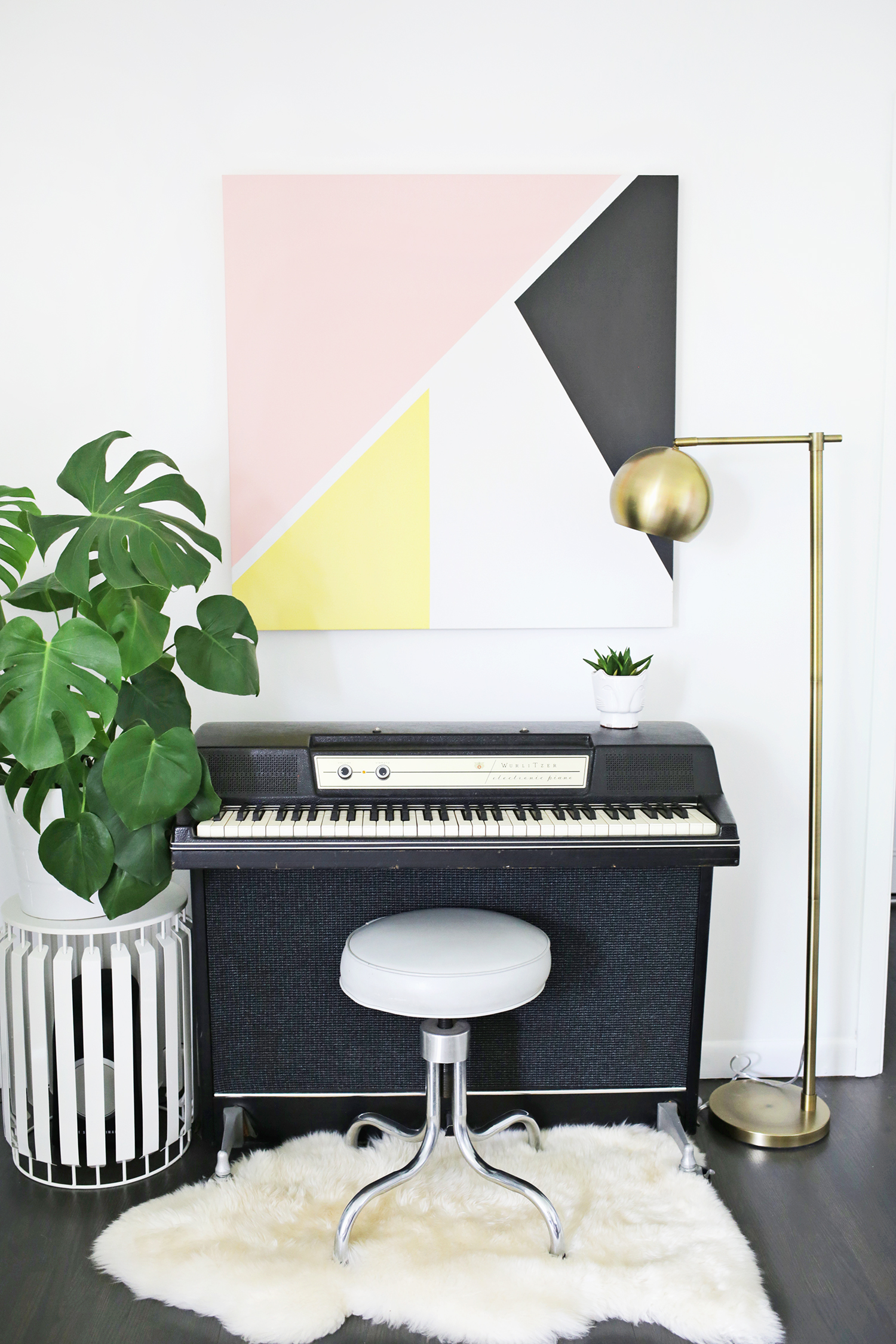

Embrace the Abstract: Your Guide to Creating Stunning Modern Art DIY
Dive headfirst into the exhilarating world of abstract modern art creation with this comprehensive, SEO-optimized guide. Forget rigid rules and traditional techniques; abstract art is about liberating your creative spirit and translating emotions, ideas, or simply colors and forms onto a canvas. This DIY approach empowers you to craft unique, visually captivating pieces that reflect your personal aesthetic and add a striking contemporary touch to your living or working spaces. We’ll explore a variety of accessible methods, materials, and conceptual approaches, ensuring that whether you’re a complete beginner or have dabbled in art before, you can achieve impressive results. The beauty of abstract modern art DIY lies in its inherent subjectivity. There’s no "right" or "wrong" way to create. It’s about exploring texture, color, composition, and movement to evoke a feeling or tell a story without relying on representational imagery. This article will equip you with the knowledge and inspiration to embark on your abstract art journey, demystifying the process and highlighting the accessibility of creating impactful modern art within your own home.
Understanding the Fundamentals of Abstract Modern Art for DIY
Before you pick up a brush, a foundational understanding of abstract art principles will significantly enhance your DIY endeavors. Abstract art, at its core, moves away from literal representation. It focuses on expressing ideas, emotions, or sensations through forms, colors, lines, and textures. Key elements to consider for your DIY projects include:
-
Color Theory: While abstract art doesn’t adhere to strict representational palettes, understanding color relationships is crucial. Explore complementary colors for high contrast, analogous colors for harmony, and monochromatic schemes for subtle depth. Consider the psychological impact of colors – warm colors (reds, oranges, yellows) often evoke energy and passion, while cool colors (blues, greens, purples) tend to be calming and contemplative. Don’t be afraid to experiment with bold, unexpected color combinations to create visual tension or excitement.
-
Line and Shape: Lines can be bold and gestural, delicate and precise, or broken and fragmented. They guide the viewer’s eye, create rhythm, and define space. Shapes can be geometric and structured or organic and fluid. The interplay of different lines and shapes can create a sense of movement, depth, or stability within your artwork. Think about how a jagged line differs in its emotional impact from a smooth, flowing curve.
-
Texture: Texture adds a tangible, physical dimension to your abstract pieces. This can be achieved through various mediums – impasto painting (thick application of paint), incorporating found objects, using textural mediums, or even the surface of your canvas itself. Varied textures can create visual interest and depth, inviting the viewer to look closer.
-
Composition: Even in abstract art, composition is vital for creating a balanced and engaging artwork. Consider the rule of thirds, leading lines, and the overall flow of the piece. How do your elements interact? Is there a focal point, or is the energy distributed throughout? Experiment with asymmetrical balance, where elements of unequal visual weight are arranged to create a sense of equilibrium.
-
Concept and Emotion: What are you trying to convey? Even if it’s just a feeling of joy or a sense of chaos, having a guiding concept, however abstract, can provide direction. Think about the emotions you want to evoke in the viewer. This isn’t about dictating their interpretation but about providing a starting point for their engagement with the work.
Essential Materials for Your Abstract Art DIY Studio
The beauty of abstract modern art is its versatility in terms of materials. You don’t need to invest in highly specialized or expensive supplies to create stunning pieces. Here’s a breakdown of essential materials and some creative additions:
-
Surfaces:
- Canvas: Stretched canvas is the classic choice. Available in various sizes and textures (primed and unprimed), they offer a durable and versatile base.
- Canvas Boards/Panels: More affordable and rigid, ideal for smaller pieces or practicing techniques.
- Wood Panels: Offer a smooth, rigid surface that can be interesting for certain techniques and create a more substantial feel.
- Paper: Heavyweight watercolor paper or mixed-media paper can be used for smaller studies or as a base for collage elements.
-
Paints:
- Acrylic Paints: The most popular choice for DIY abstract art due to their versatility, quick drying time, water solubility (when wet), and ability to be layered. They come in student and artist grades.
- Gouache: Opaque watercolor that dries to a matte finish. Excellent for vibrant, flat color areas and layering.
- Oil Paints: Offer a rich, luminous finish and longer working time, but require solvents for cleanup and have a longer drying time.
- Spray Paints: Excellent for creating soft gradients, graffiti-inspired effects, and covering large areas quickly.
-
Application Tools:
- Brushes: A variety of sizes and shapes – flat, round, filbert – are essential. Synthetic bristles are great for acrylics.
- Palette Knives: For applying thick paint, creating texture, and scraping effects.
- Spatulas and Scrapers: Can be used to spread paint, create marks, and remove excess.
- Rollers: For applying large areas of color evenly or creating textured patterns.
- Sponges: For dabbing, blending, and creating organic textures.
- Spray Bottles: For water (to dilute acrylics or create drips) or various mediums.
-
Mediums and Additives: These are crucial for expanding the possibilities of your paints.
- Gels and Pastes: Thickening mediums that add body and texture to acrylics, allowing for impasto techniques.
- Glazing Mediums: Increase transparency and flow, ideal for creating translucent layers and subtle color shifts.
- Texture Mediums: Contain aggregates like sand, marble dust, or fibers to create specific textural effects.
- Pouring Mediums: Specifically designed for fluid art techniques, allowing paints to flow smoothly and create cells and intricate patterns.
-
Mark-Making Tools:
- Markers: Permanent markers, paint pens, and alcohol markers can add fine details and bold lines.
- Charcoal and Pastels: For expressive lines and soft blending.
- Pens and Ink: For intricate details, hatching, and line work.
- Found Objects: Old credit cards, cardboard edges, twigs, bubble wrap – anything that can create interesting marks.
-
Protective Gear and Workspace:
- Apron or Old Clothes: Protect your clothing.
- Gloves: For messy projects or when working with solvents.
- Drop Cloth or Newspaper: Protect your floors and surfaces.
- Well-Ventilated Area: Especially important when using spray paints or oil paints.
DIY Abstract Art Techniques to Master
Now, let’s get hands-on with some popular and accessible DIY abstract art techniques:
-
The Fluid Art Pour (Pour Painting): This is a highly popular and rewarding technique for creating mesmerizing abstract patterns.
- Method: Mix acrylic paints with a pouring medium (like Floetrol or a commercial pouring medium) and a bit of water to achieve a pourable consistency. Pour the paints directly onto a tilted canvas, allowing them to flow and blend. You can use various pouring methods:
- Dirty Pour: Layer multiple colors in a cup and then pour onto the canvas.
- Flip Cup: Pour colors into a cup, place the canvas on top, and flip.
- Swiping/Raking: Use tools to gently move the wet paint.
- SEO Keywords: Fluid art DIY, acrylic pouring techniques, abstract canvas art, pour painting tutorial, DIY wall art.
- Method: Mix acrylic paints with a pouring medium (like Floetrol or a commercial pouring medium) and a bit of water to achieve a pourable consistency. Pour the paints directly onto a tilted canvas, allowing them to flow and blend. You can use various pouring methods:
-
Impasto and Texture Creation: This technique focuses on building thick layers of paint to create a tactile and dimensional surface.
- Method: Use heavy body acrylics or mix regular acrylics with a thickening gel medium. Apply the paint thickly with palette knives, spatulas, or even your fingers. Experiment with layering different colors and textures. You can also embed materials like sand, beads, or fabric into the wet paint.
- SEO Keywords: Impasto painting DIY, textured abstract art, thick paint art, DIY art techniques, palette knife art.
-
Collage and Mixed Media: This approach combines different materials to build a visually rich and complex artwork.
- Method: Start with a base (canvas, board, or thick paper). Glue down a variety of materials: torn paper, fabric scraps, old book pages, photographs, leaves, or even found objects. Once the glue is dry, you can paint over the collage, adding layers of acrylics, ink, or markers.
- SEO Keywords: Mixed media art DIY, abstract collage tutorial, DIY recycled art, textured paper art, creative art projects.
-
Sgraffito and Scratching Techniques: This involves applying layers of paint and then scratching or scraping away sections to reveal underlying colors or textures.
- Method: Apply a layer of paint, let it dry partially or completely, and then apply another contrasting color. While the top layer is still wet or semi-dry, use a sharp tool (palette knife, skewer, the end of a brush) to scratch through the paint, revealing the color underneath. You can create lines, patterns, or abstract designs.
- SEO Keywords: Sgraffito art DIY, scratching paint techniques, abstract art with layers, DIY drawing on paint, textured painting methods.
-
Stenciling and Masking: This technique allows for controlled creation of shapes, lines, and patterns.
- Method: Use pre-made stencils or create your own from cardstock or acetate. Apply paint over the stencil using brushes, sponges, or spray paint. Masking tape can be used to create sharp geometric lines and block off areas.
- SEO Keywords: Stencil art DIY, geometric abstract art, DIY pattern art, masked painting techniques, modern wall decor.
-
Drip and Splatter Art: Embrace a more gestural and energetic approach with dripping and splattering.
- Method: Thin down acrylic paints with water or a pouring medium. Load a brush with the thinned paint and flick it onto the canvas. You can also load a palette knife or a spray bottle and let the paint drip down. Experiment with different heights and pressures to control the size and density of the drips and splatters.
- SEO Keywords: Drip painting DIY, splatter art tutorial, gestural abstract art, action painting art, DIY expressive art.
Conceptualizing Your DIY Abstract Art Piece
While abstract art can be purely intuitive, having a guiding concept can elevate your DIY project from a mere decorative item to a meaningful piece of art. Consider these approaches:
- Emotional Expression: What emotion are you feeling or want to evoke? Anger, joy, serenity, chaos? Translate this emotion into color, line, and texture.
- Nature Inspired: Abstract the essence of a landscape, a cloud formation, or the movement of water. Focus on the colors, shapes, and textures found in nature.
- Music and Sound: How does a piece of music look? Translate the rhythm, melody, and dynamics into visual elements.
- Abstracted Forms: Take a recognizable object or form and break it down into its basic geometric or organic shapes.
- Color Studies: Dedicate a piece to exploring the interaction of specific colors. What happens when you place a vibrant red next to a deep blue?
- Intuitive Exploration: Sometimes, the best approach is to simply start without a preconceived idea and let the materials and your subconscious guide you.
Step-by-Step Guide to Your First Abstract Modern Art DIY Project
Let’s walk through a general process for creating a DIY abstract piece, incorporating the techniques and principles discussed.
Project: Abstract Acrylic Canvas with Texture and Color Exploration
Difficulty: Beginner to Intermediate
Estimated Time: 2-4 hours (plus drying time)
Materials:
- Stretched canvas (e.g., 12×16 inches)
- Acrylic paints in a chosen palette (e.g., blues, greens, white, black)
- Acrylic mediums: thickening gel, pouring medium (optional)
- Palette knives, stiff brushes
- Spray bottle with water
- Cardboard or old credit card
- Drop cloth
- Apron
Steps:
-
Prepare Your Workspace: Lay down your drop cloth and ensure good ventilation. Put on your apron. Have your paints, mediums, and tools within easy reach.
-
Base Layer (Optional but Recommended): Apply a thin, even layer of a neutral color (like white or grey) or a color from your palette across the entire canvas. This creates a unified base and can influence subsequent layers. You can use a large brush or a roller. Let it dry slightly.
-
Introduce Texture (Impasto): Squeeze generous amounts of acrylic paint onto your palette. Mix in some thickening gel medium to create a thicker, more sculptural consistency. Using your palette knives, apply the paint to the canvas in bold strokes, thick layers, and interesting shapes. Don’t be afraid to build up peaks and valleys. You can also use the edge of a cardboard piece or an old credit card to scrape and create distinct lines and textures.
-
Color Blocking and Contrasts: While the impasto layer is still wet or slightly tacky, introduce contrasting colors. You can use a different palette knife or brush to apply areas of color adjacent to or on top of the textured areas. Think about how the colors will interact. Consider placing complementary colors next to each other for visual vibrancy.
-
Drips and Splatters (Optional): If you want to add a dynamic element, thin down a few colors with your pouring medium or water. Load a brush and flick it onto the canvas, allowing the paint to drip. You can also use a spray bottle filled with thinned paint to create finer splatters.
-
Sgraffito and Mark Making: Once some layers have started to dry (but are not completely hard), use the tip of a palette knife, a skewer, or the end of a brush to scratch into the paint. Reveal the colors underneath, create lines, or add small details. This adds depth and visual interest.
-
Refinement and Balance: Step back and assess your work. Are there areas that feel too busy or too empty? Use smaller brushes or finer tools to add small touches, refine lines, or introduce subtle color variations. Consider the overall balance of the composition.
-
Drying: Allow your artwork to dry completely. Acrylics dry relatively quickly, but thicker impasto layers can take longer.
-
Varnishing (Optional): Once completely dry, you can apply a layer of acrylic varnish (matte, satin, or gloss) to protect your artwork and enhance the colors.
SEO Optimization Strategies for Your DIY Abstract Art Content
To ensure your DIY abstract art creations and tutorials are discoverable online, integrate these SEO strategies:
- Keyword Research: Identify relevant keywords that people use when searching for abstract art DIY. Use tools like Google Keyword Planner, Ahrefs, or SEMrush. Think broadly (e.g., "abstract art") and narrowly (e.g., "DIY textured acrylic painting for beginners").
- Title Tags and Meta Descriptions: Craft compelling and keyword-rich titles and meta descriptions for your blog posts or website pages.
- Header Tags (H1, H2, H3): Structure your content logically using header tags. Your main title should be an H1, and subheadings should be H2 and H3. Incorporate keywords naturally within these headings.
- Image Alt Text: Optimize your images by using descriptive alt text that includes relevant keywords. This helps search engines understand the content of your images.
- High-Quality Content: Produce detailed, informative, and engaging content that provides genuine value to your readers. Aim for comprehensive articles that answer common questions.
- Internal Linking: Link to other relevant articles on your website to keep readers engaged and improve your site’s SEO. For example, link from a "fluid art" article to a "color theory for abstract art" piece.
- External Linking: Link to reputable external resources where appropriate.
- Readability: Use clear, concise language and break up text with paragraphs, bullet points, and visuals. Ensure your content is easy to scan and understand.
- Mobile-Friendliness: Ensure your website and content are responsive and display well on all devices.
- URL Structure: Use clean, descriptive URLs that include keywords.
Conclusion: Unleash Your Inner Abstract Artist
Creating abstract modern art through DIY is a rewarding and accessible journey of self-expression. By understanding the fundamental principles, experimenting with a diverse range of materials and techniques, and embracing your intuition, you can produce stunning, contemporary artworks that add a unique flair to any space. This guide has provided a robust foundation, from understanding color theory and composition to mastering techniques like fluid art and impasto. Remember, there are no mistakes in abstract art, only opportunities for discovery. So, gather your supplies, clear your mind, and let your creativity flow. The canvas awaits your unique vision. Start creating, start exploring, and transform your space with the power of DIY abstract modern art.
