Beginning in January, a historic power shift will take hold in Georgia as the Public Service Commission (PSC) transitions to a Democratic majority for the first time in three decades. With three of the five seats now held by Democrats, the commission—a body that wields significant influence over the state’s utility landscape—is poised to pivot toward a new agenda focused on ratepayer affordability, clean energy integration, and rigorous oversight of the state’s dominant utility provider, Georgia Power.
The PSC has long operated as a low-profile regulatory board, yet recent economic pressures, including surging household energy bills and the massive power requirements of an expanding data center corridor, have thrust the commission into the political spotlight. For years, critics have argued that the body lacked the transparency required to hold large utility monopolies accountable. With this electoral transition, the commission faces a mandate to redefine how energy is priced, planned, and delivered across the state.
A Chronology of Regulatory Change
The transformation of the PSC did not happen overnight; it was the result of a two-year strategic effort to mobilize voters around the tangible impact of utility regulation. Historically, PSC elections were often overshadowed by statewide gubernatorial or legislative races. However, as energy costs climbed and the environmental impacts of infrastructure projects like Plant Vogtle became more pronounced, advocacy groups shifted their tactics.
In the 2024 and 2025 election cycles, grassroots organizations such as the Georgia Conservation Voters centered their platforms on the "energy burden"—the percentage of household income spent on utility bills. By framing the PSC not as an obscure bureaucratic board but as a direct manager of household budgets, these groups successfully elevated the commission’s profile. The resulting Democratic majority, consisting of commissioners Peter Hubbard, Shelia Edwards, and Alicia Johnson, marks a definitive break from 30 years of Republican control.
The Challenge of Rising Utility Demands
The urgency behind the new commission’s agenda is driven by a unique set of economic pressures in Georgia. The state has become a global hub for artificial intelligence and cloud computing, leading to a massive influx of data centers. These facilities are incredibly energy-intensive, requiring constant, reliable power.
Georgia Power has maintained that the growth associated with these data centers is a net positive for all customers. The utility utilizes a concept it calls "downward pressure," arguing that the revenue generated from serving massive industrial clients offsets the costs of building new power infrastructure, thereby preventing steeper rate hikes for residential users. Recently, the utility touted a deal to serve a new OpenAI data center as an example of this dynamic, claiming it would provide $15 of "downward pressure" on the average residential bill each month.
However, skepticism remains widespread. Critics point to the fact that "downward pressure" does not mean bills will decrease; it merely suggests they might increase less rapidly than they would have otherwise. Furthermore, the lack of granular data—often protected by the utility as trade secrets—has made it difficult for independent analysts and consumer advocates to verify these claims.
The Transparency Gap
A primary point of contention for the incoming majority is the perceived lack of transparency in the PSC’s decision-making process. A flashpoint for this debate was the approval of a temporary rate freeze last year. The freeze was announced by Georgia Power rather than through a traditional, public-facing regulatory docket. While the move provided short-term relief, it bypassed the public hearing process, depriving consumer advocates of the opportunity to cross-examine the utility’s financial claims.
"I absolutely think transparency is potentially one of the biggest impacts here," said Kristin Phillips, an associate professor at Emory University who specializes in energy burden. According to Phillips, the historical reliance on redactions in public filings—whereby details regarding construction costs, service contracts, and energy procurement deals are shielded from public view—has created a "black box" environment. The new Democratic commissioners have signaled that they intend to open this box, potentially forcing a more public audit of future rate cases.
Agenda for the New Commission
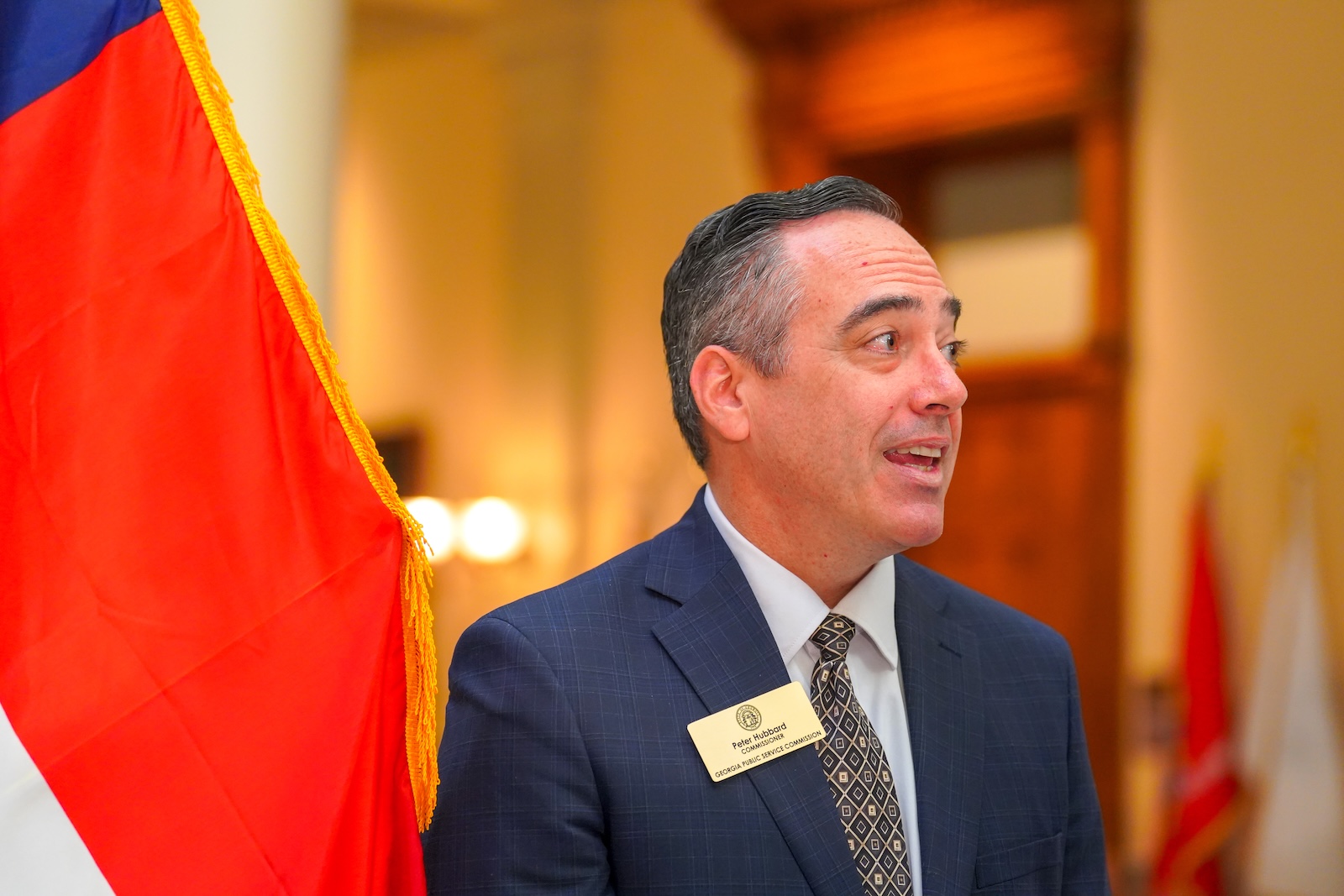
Commissioner Peter Hubbard, recently reelected, has laid out an ambitious, if measured, roadmap for the next four years. Recognizing that structural changes in utility regulation take time, Hubbard emphasized the need for a strategic "triage" of issues.
Among the primary initiatives is the launch of an "affordability docket." This series of hearings will serve as a deep dive into the underlying components of utility bills, aimed at identifying cost-saving measures and evaluating the efficacy of current rate structures. Hubbard has also indicated an interest in conducting a rate case for the state’s natural gas utilities, noting that such a comprehensive review has not been performed in over a decade.
For the 2028 rate-setting process, the commission is expected to demand more rigorous documentation from Georgia Power regarding its long-term resource planning. This includes the utility’s forecasts for energy demand and its plans to transition its generation portfolio to include more renewable energy sources.
Industry Response and Market Stability
Despite the change in leadership, the corporate sector and the utility industry are expressing a cautious, wait-and-see attitude. Chris Womack, CEO of Southern Company, the parent company of Georgia Power, addressed the shift during a recent third-quarter earnings call. Womack framed the utility’s current performance—including its rate freezes and community investment initiatives—as a stable platform that should satisfy the new commission’s mandate.
"We think that’s a strong platform to stand on," Womack said, signaling confidence that the company can navigate the new regulatory environment without significant disruption to its business model or capital investment plans. Industry analysts suggest that while the commission may demand more transparency, the underlying physical and economic realities of Georgia’s power grid—specifically the need for massive infrastructure investment to support the booming data center economy—will constrain the extent to which the commissioners can force a radical departure from current policies.
Broader Implications for Georgia
The shift in the PSC is part of a larger national trend where energy regulatory bodies are becoming the front lines of the climate and economic policy debate. As states across the U.S. struggle to balance the high energy demands of the digital economy with the need for low-cost, sustainable power, the Georgia PSC’s upcoming term will be closely watched by observers across the country.
The economic implications are significant. Georgia’s residential electricity rates have been subject to upward pressure due to the construction of new nuclear units and the grid upgrades required for industrial expansion. If the new commission can successfully implement reforms that lower this burden, it could serve as a model for other states grappling with similar industrial growth. Conversely, if the regulatory process becomes gridlocked by friction between the commission and the utility, it could lead to legal challenges or delays in essential infrastructure projects.
Looking Toward the Future
The next four years will be defined by the tension between the utility’s drive for expansion and the commission’s mandate for public accountability. While experts like Professor Phillips caution that "we may not be able to expect immediate effects on our wallets," the administrative shift in how decisions are made is expected to be profound.
By prioritizing public hearings, questioning the necessity of certain capital projects, and challenging the opacity of service contracts, the Democratic-led commission is setting the stage for a new era of governance. As Hubbard stated, the goal is to leverage this four-year window to push for long-lasting reforms that move the state toward a more sustainable and transparent energy future. Whether this results in lower bills or simply a more informed public remains to be seen, but the era of the "obscure regulatory body" in Georgia has effectively come to an end.