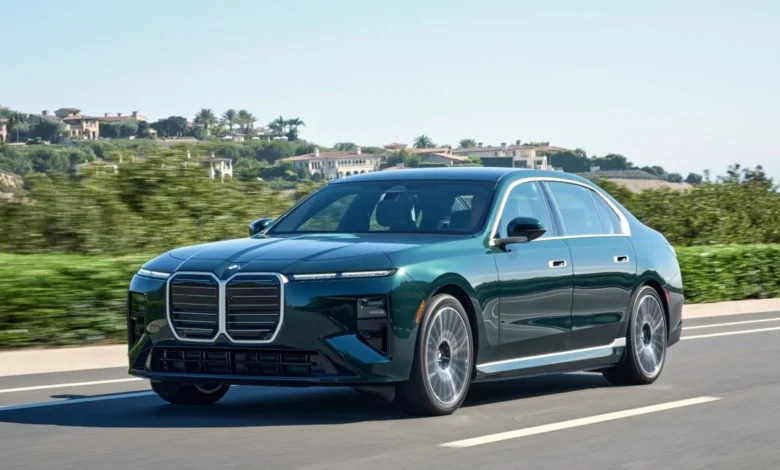
The automotive landscape has undergone a monumental shift since BMW first introduced its flagship seventh-generation 7 Series in 2022. Rather than pursuing the segregated platform strategy adopted by competitors like Mercedes-Benz—which maintains a distinct and divisive aesthetic divide between its traditional internal combustion S-Class and its electric EQS counterpart—BMW made the bold decision to integrate its powertrains into a singular, cohesive vehicle architecture. Buyers could choose between a traditional V8 internal combustion engine or opt for a pure battery-electric drivetrain, with the only visual giveaways being subtle badging and the absence of exhaust pipes. As the German automaker continues to aggressively
expand its electric vehicle footprint across the 3 Series, 5 Series, and expanding SUV lineups, the pressure to keep its crown jewel technologically competitive has intensified. For the 2027 model year, BMW has introduced a comprehensive mid-lifecycle update to the flagship i7 sedan. Moving far beyond a superficial fascia refresh, the latest iteration incorporates sixth-generation electric vehicle architecture, significantly increased battery capacities, and advanced cabin technology derived from the upcoming clean-sheet Neue Klasse platform.
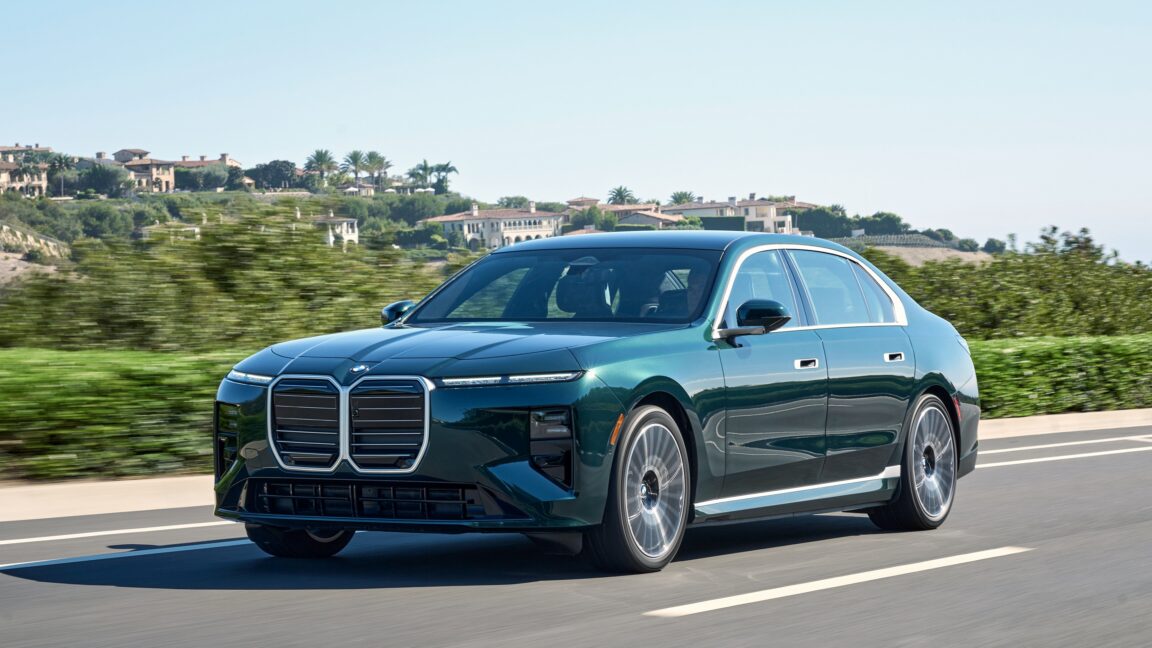
Evolution of the Sixth-Generation Electric Powertrain
To fully appreciate the scope of the 2027 updates, it is necessary to examine BMW’s rapid technological pivot over the last several years. The brand’s initial generation of modern EVs relied heavily on battery packs constructed from prismatic cells. However, engineering teams have steadily transitioned toward more energy-dense cylindrical cell arrangements. While the propulsion system continues to rely on electrically excited synchronous motors (EESMs), the drive units have been completely re-engineered. They now incorporate cutting-edge silicon carbide inverters and benefit from significantly more compact packaging metrics.
This sixth-generation electric powertrain was originally conceived for the clean-sheet Neue Klasse vehicle family. Beyond optimizing raw efficiency, the Neue Klasse engineering philosophy discarded the traditional automotive legacy approach of scattering dozens of discrete, single-function electronic control units throughout the chassis. Instead, the architecture consolidates vehicle operations into a handful of immensely powerful domain controllers. These centralized computers possess vastly superior processing power, allowing for advanced chassis control, real-time powertrain efficiency optimizations, and seamless over-the-air software updates.
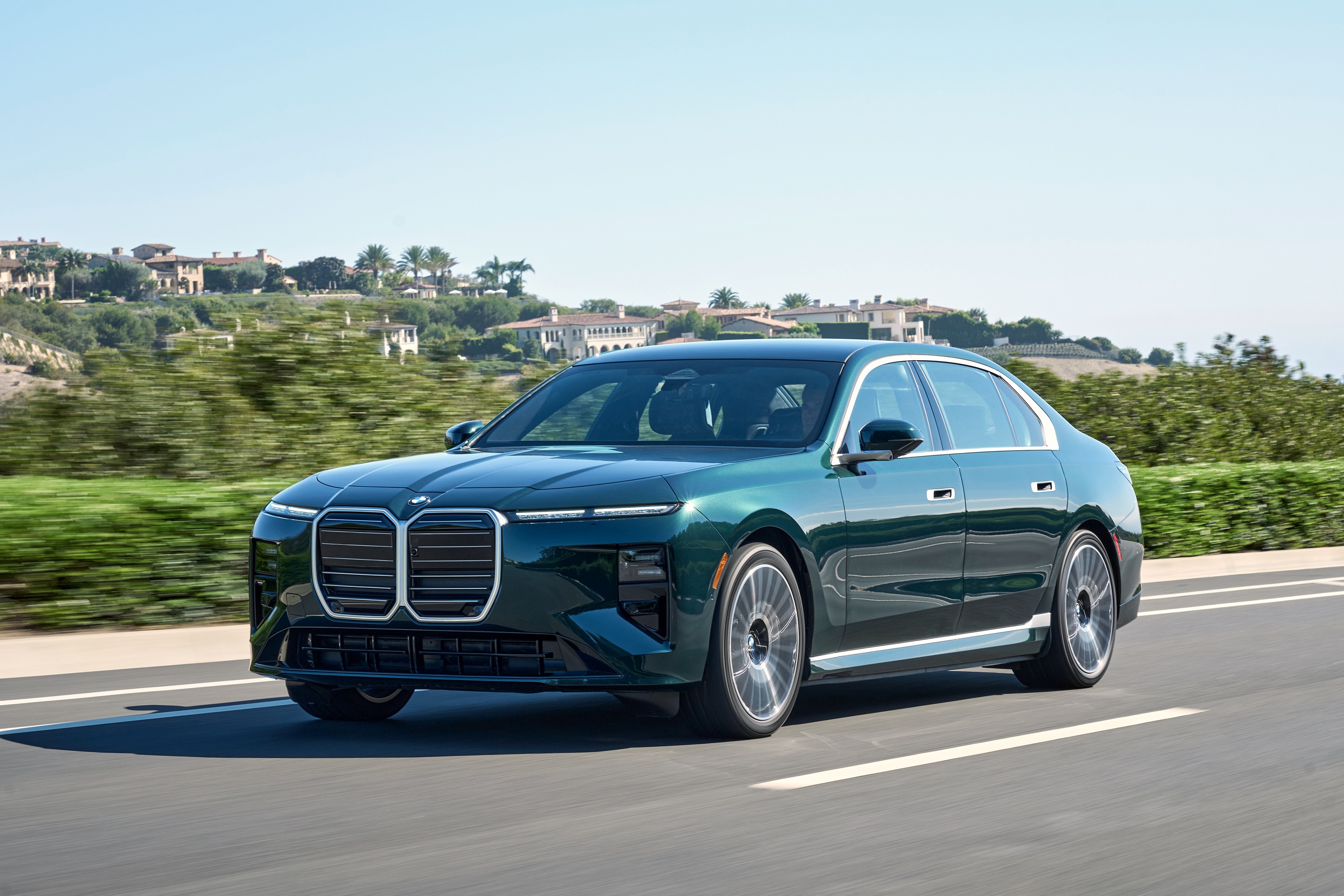
Faced with the prospect of its flagship vehicle being technically outperformed by smaller, newer stablemates in the corporate portfolio, BMW’s board of directors greenlit a major under-the-skin engineering overhaul for the 2027 i7.
Battery Capacity, Charging Architecture, and Range Enhancements
The most transformative mechanical upgrade for the 2027 BMW i7 is found beneath the floorboards. The net capacity of the high-voltage battery pack has been substantially increased from 101.7 kWh to a robust 112.5 kWh. Despite this energy density leap, BMW has chosen to retain a 400-volt electrical architecture for the flagship sedan, diverging from the higher-voltage systems seen in other upcoming platform architectures.
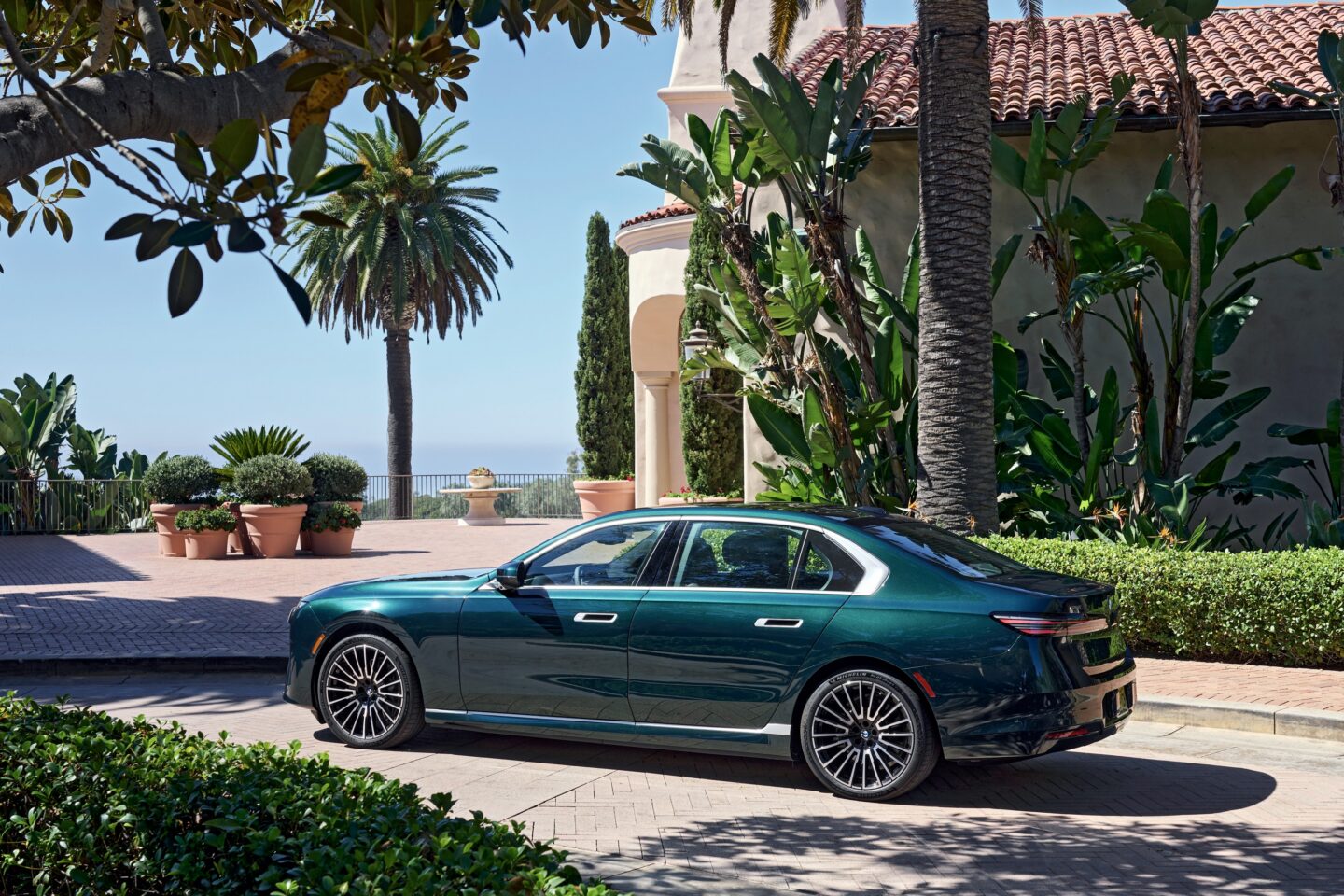
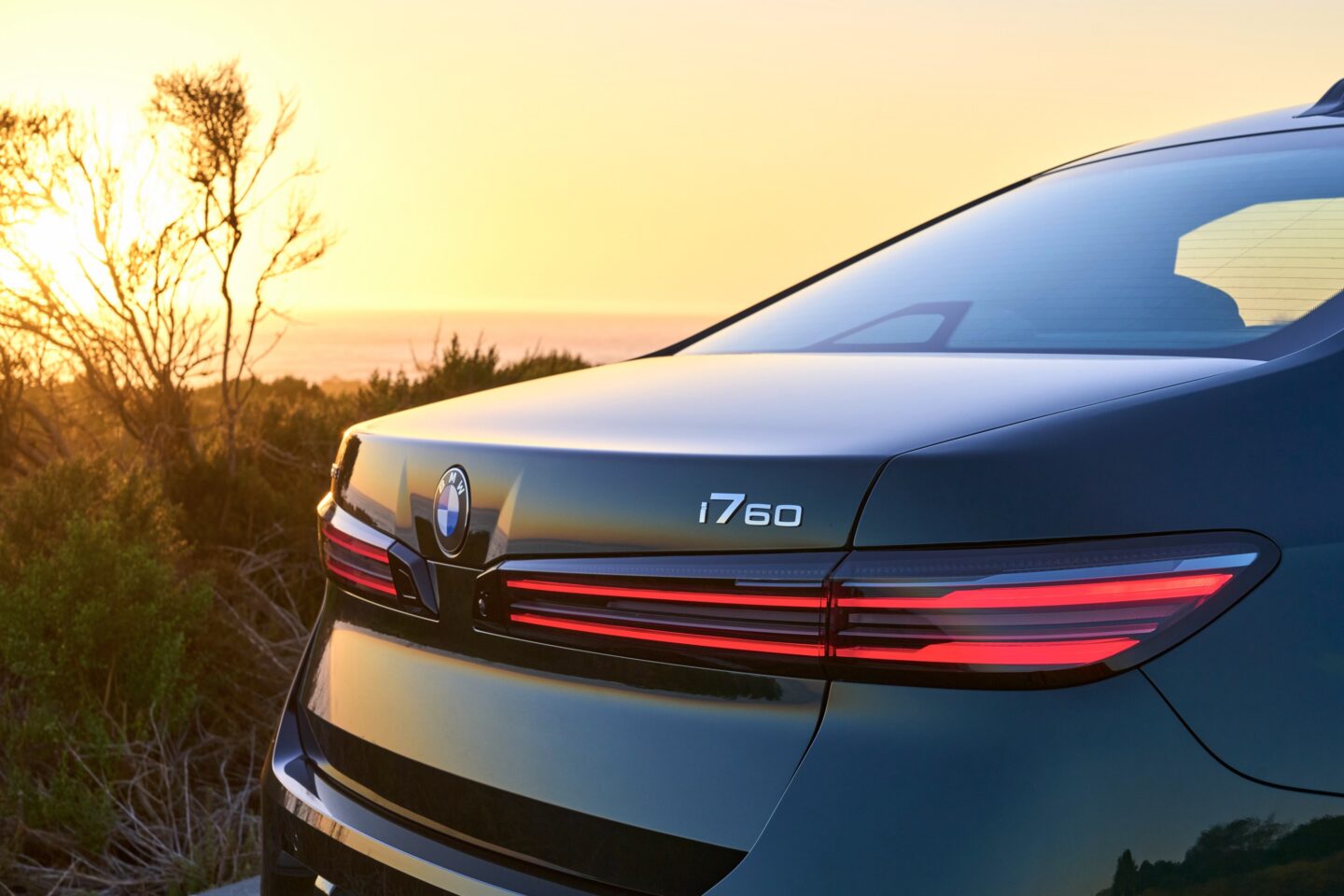
The revised i7 lineup is spearheaded by a trio of distinct variants, including the entry-level 50 xDrive, the midrange 60 xDrive, and the ultra-high-performance M70 xDrive. The midrange 60 xDrive model, which serves as the benchmark for initial media evaluations, delivers a combined output of 544 horsepower (400 kW) and 549 lb-ft (745 Nm) of torque—figures roughly mirroring the pre-facelift vehicle.
Despite generating immense power and torque, the i7 60 prioritizes serene cruising dynamics over razor-sharp track performance. Tipping the scales with considerable mass, the vehicle does not mimic the aggressive cornering posture or visceral responsiveness of a dedicated sports sedan like the Porsche Taycan. Instead, the driving experience leans heavily into a "magic carpet ride" philosophy, evoking the tranquil isolation typically associated with BMW’s luxury SUV portfolio or its ultra-exclusive corporate cousin, the Rolls-Royce Spectre.
In terms of raw acceleration, launch control enables a 0-to-60 mph sprint in 4.6 seconds. While this performance metric would have placed the vehicle at the pinnacle of executive transport decades ago—easily outpacing the mid-1990s V12-powered 750i by multiple seconds—the modern electric vehicle segment features competitors from Lucid, Tesla, Porsche, and a wave of emerging global manufacturers capable of cutting that time in half. Drivers searching for spine-snapping acceleration will need to look elsewhere, as the i7 is purposefully tuned for composure and tranquility.
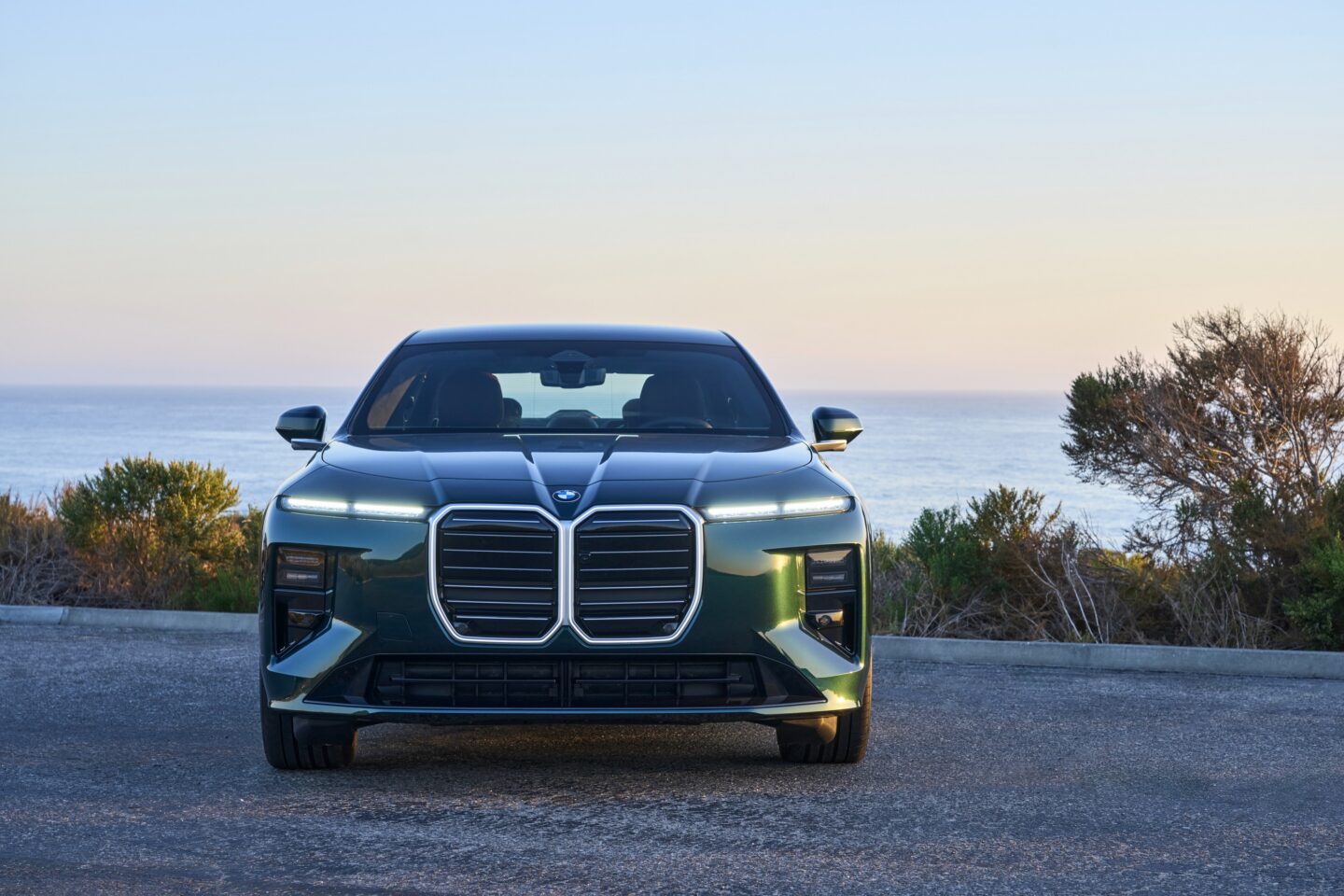
On the road, the vehicle displays remarkable poise. Even with stability and traction control systems dialed back, the chassis maintains unwavering composure on dry tarmac. The steering remains weighted with precision, while the electrically excited synchronous motors provide zero mechanical drag when coasting downhill or cruising, significantly enhancing efficiency. Furthermore, the regenerative braking system offers a seamless, progressive transition to a complete stop, mirroring the refined pedal calibration seen across BMW’s latest electric offerings.
Range and charging capabilities have also received critical enhancements. Official EPA estimates place the driving range between 344 and 362 miles, depending heavily on the selected wheel and tire configuration. Benefiting from the updated 400-volt charging hardware, peak DC fast-charging capacity has been raised to 250 kW, up from the previous 195 kW ceiling. This improvement allows the vehicle to replenish its battery from 10 to 80 percent in approximately 28 minutes. Additionally, aligning with BMW’s broader corporate strategy for the 2027 model year, the i7 now features a native North American Charging Standard (NACS) charging port, granting direct access to high-speed Supercharger infrastructure.
Intelligent Route Planning and Energy Optimization
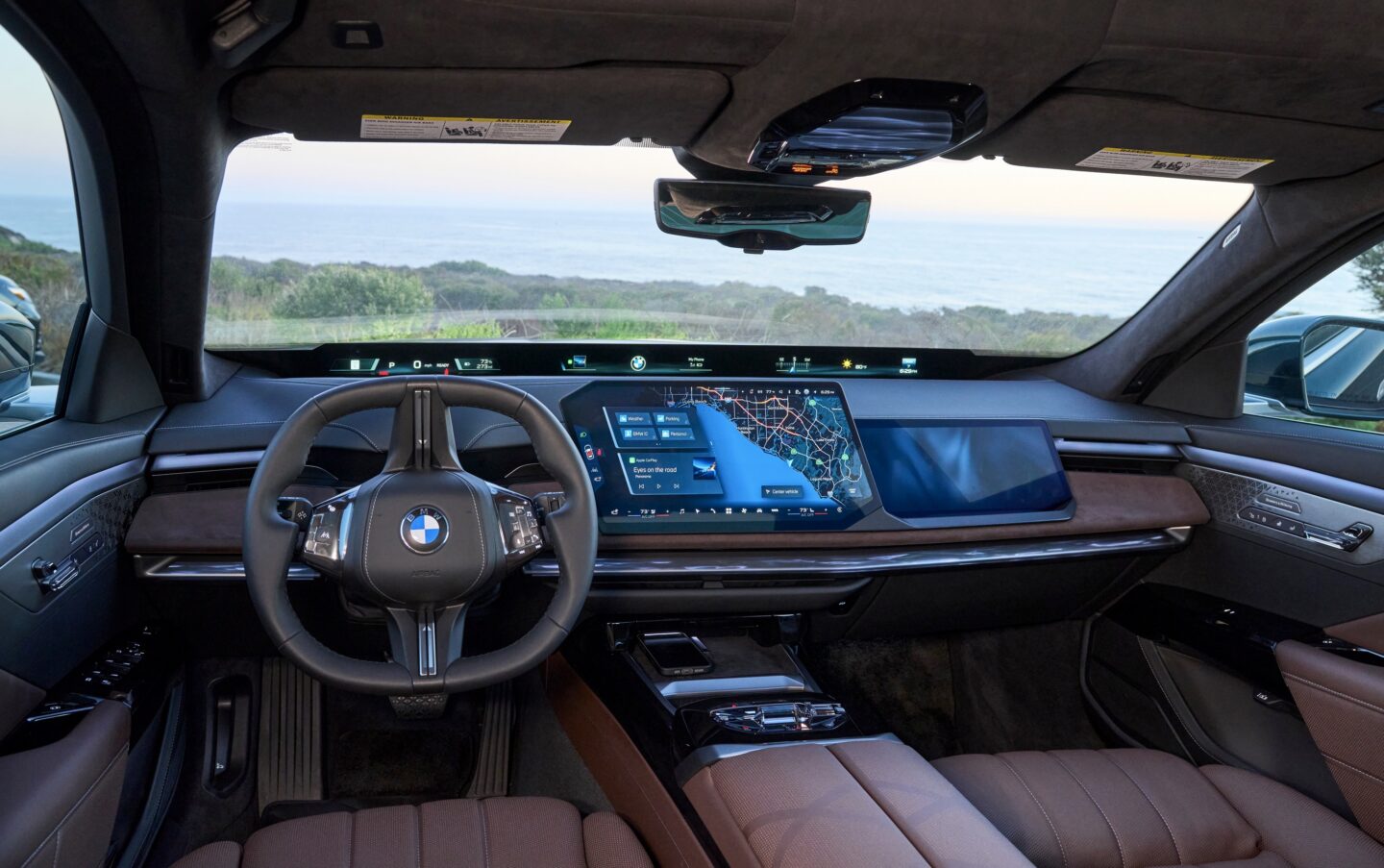
To maximize real-world efficiency, the powertrain’s centralized domain controller works in tandem with an advanced cloud-connected route-planning navigation suite. BMW utilizes artificial intelligence simulations based on historical charging cycles and driving behavior to optimize long-distance travel itineraries. When mapping out a destination, the system meticulously calculates optimal charging stops, factoring in real-time energy pricing variations (cost per kWh) across different charging networks to minimize travel expenses and charging durations for the driver.
Radical Cabin Redesign and Infotainment Technology
Inside the cabin, BMW engineers executed a radical restructuring of the interior environment. The dashboard layout has been modernized with the implementation of the new Panoramic iDrive screen, which stretches horizontally along the base of the windshield, complemented by a new trapezoidal central infotainment touchscreen that replaces older design cues previously inspired by boutique hotel aesthetics.
A dedicated domain controller manages the complex infotainment ecosystem. Notably, the front passenger display and the massive 31.3-inch theater screen—which folds downward from the roof lining for rear occupants—operate entirely independently from one another and from the primary driver instrumentation. Passengers can log into independent streaming profiles (such as YouTube or Disney+) without cross-contaminating sessions across displays.
However, practical execution of the rear theater screen presents minor ergonomic hurdles. While the 31.3-inch display boasts stunning 8K resolution, its ultra-wide cinematic aspect ratio means that standard video content or live television broadcasts typically occupy only the middle third of the screen, leaving prominent black vertical pillars on either side. Additionally, rear passengers must maintain an upward head tilt to comfortably view the display. On the audio front, the integrated Dolby Atmos surround sound system delivers exceptional acoustic fidelity, receiving high praise for its clarity and depth.
Despite upgrades to internal processing hardware, minor interface latency remains occasionally noticeable on the primary central touchscreen. Conversely, the Alexa-based voice recognition software demonstrates marked improvements in natural language processing and responsiveness compared to earlier iterations tested in sister vehicles like the iX3.

Market Positioning and Pricing Strategy
As the automotive industry navigates the complex transition toward widespread electrification, BMW’s strategy with the updated 7 Series demonstrates a commitment to maintaining technical parity across its entire vehicle lineup. By grafting advanced Neue Klasse-derived electronic architecture and higher-density battery technology onto its flagship sedan, BMW has ensured that its most expensive passenger vehicle remains competitive against dedicated EV upstarts.
Market rollout for the refreshed flagship is slated to begin shortly, with the entry-level i7 50 xDrive starting at $106,200, while the comprehensively equipped midrange i7 60 xDrive commands a base MSRP of $124,700. As traditional luxury sedans face increasing pressure from shifting consumer preferences toward crossovers and SUVs, BMW’s continuous technological refinement of the i7 signals a resolute belief in the enduring relevance of the executive electric sedan.