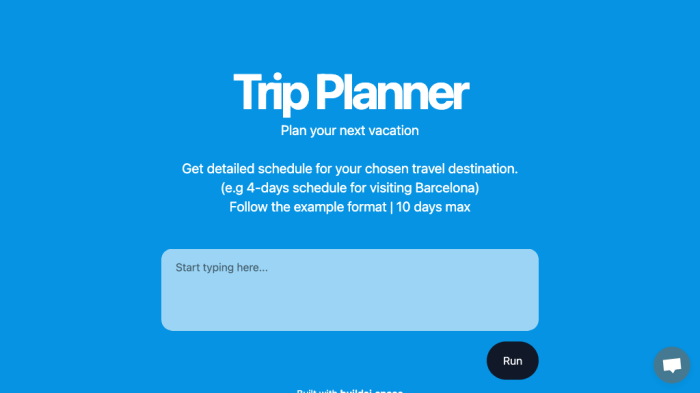

Gogobot AI: Revolutionizing Travel Planning with Intelligent Automation
Gogobot AI represents a significant leap forward in the realm of travel planning, leveraging the power of artificial intelligence to create a personalized, efficient, and dynamic experience for travelers. Gone are the days of sifting through countless websites, wrestling with complex booking engines, and enduring generic recommendations. Gogobot AI is designed to understand individual preferences, adapt to changing circumstances, and proactively offer solutions that cater to the unique needs and desires of each user. This article will delve into the core functionalities, technological underpinnings, benefits, and future implications of Gogobot AI in transforming how we plan and experience travel.
At its heart, Gogobot AI functions as an intelligent travel concierge. It goes beyond simple search algorithms by employing advanced Natural Language Processing (NLP) and Machine Learning (ML) techniques to understand user input, even if it’s expressed in a conversational and nuanced manner. Instead of requiring users to input specific keywords and filters, they can describe their ideal trip in plain English. For example, a user might say, "I’m looking for a romantic, off-the-beaten-path honeymoon in Southeast Asia for two weeks in October, with a budget of around $5000, focused on cultural immersion and relaxation, and I prefer boutique hotels with good reviews." Gogobot AI can parse this request, identifying key parameters such as destination region, duration, time of year, budget, travel companions, desired activities, and accommodation preferences. This intuitive interaction drastically lowers the barrier to entry for complex trip planning.
The AI’s ability to learn from user interactions is a crucial component of its effectiveness. As users engage with Gogobot AI, providing feedback on suggestions, making bookings, and sharing their travel experiences, the AI continuously refines its understanding of their preferences. This creates a personalized profile that becomes increasingly accurate over time. If a user consistently favors eco-friendly accommodations or has a penchant for vegetarian cuisine, Gogobot AI will proactively surface options that align with these learned preferences, even if they weren’t explicitly stated in an initial query. This iterative learning process ensures that recommendations become more relevant and valuable with each interaction, fostering a sense of trust and reliability in the platform.
Gogobot AI’s scope extends across the entire travel lifecycle, from initial inspiration and itinerary creation to booking and on-the-ground support. For the inspiration phase, it can suggest destinations based on abstract concepts like "a place to escape the winter blues" or "an adventure that will challenge me," drawing on vast datasets of travel trends, weather patterns, and cultural events. Once a destination is chosen, the AI can generate a highly customized itinerary, factoring in travel time between locations, optimal visiting hours for attractions, and even suggesting local dining experiences based on the user’s culinary preferences and dietary restrictions. This goes far beyond a static list of attractions; it’s a dynamic blueprint for a seamless journey.
The integration of real-time data is another cornerstone of Gogobot AI’s power. It monitors flight prices, hotel availability, local events, weather forecasts, and even potential disruptions like strikes or natural disasters. This allows the AI to provide timely alerts and proactively suggest alternative arrangements. For instance, if a user’s flight is delayed, Gogobot AI could automatically search for alternative flights or suggest hotel options near the airport for an overnight stay. This proactive problem-solving capability minimizes stress and ensures that travel plans remain robust even in the face of unexpected challenges.
Gogobot AI’s underlying technology stack is a sophisticated amalgamation of several AI disciplines. NLP is essential for understanding human language input. ML algorithms, including recommender systems, predictive modeling, and clustering, are employed to analyze user data, identify patterns, and make personalized recommendations. Graph databases are often utilized to represent the complex relationships between travel entities such as destinations, accommodations, activities, and transportation options, enabling efficient querying and discovery. Big data analytics plays a vital role in processing the vast amounts of information Gogobot AI needs to access and analyze, from user preferences to global travel trends.
The benefits of employing Gogobot AI for travel planning are multifaceted and impactful. For individuals, it offers unparalleled convenience and efficiency, saving significant time and mental energy. It empowers travelers with personalized recommendations that are likely to enhance their enjoyment and satisfaction, leading to more fulfilling travel experiences. For travel businesses, AI-powered platforms like Gogobot AI can lead to increased customer engagement, higher conversion rates, and improved customer loyalty. By understanding customer needs at a deeper level, businesses can tailor their offerings and marketing efforts more effectively.
One of the key differentiators of Gogobot AI is its ability to handle complex and nuanced queries that traditional search engines struggle with. For example, planning a multi-city trip with specific requirements for each stop, such as "I want to spend three days in Rome exploring ancient history, then take a high-speed train to Florence for two days of art and Renaissance culture, followed by a relaxed four days in the Tuscan countryside with wine tasting." Gogobot AI can break down this complex request, orchestrate the logistical challenges of transportation and accommodation across different cities, and suggest activities that align with the stated interests for each segment of the trip.
Furthermore, Gogobot AI’s capacity for "explainable AI" is an emerging area of development. While the AI’s recommendations are often highly accurate, users can benefit from understanding why a particular suggestion was made. For instance, if Gogobot AI recommends a specific hotel, it might explain that it was chosen because of its proximity to a desired attraction, its high guest ratings for cleanliness, and its sustainable operational practices, which aligns with the user’s stated preference for eco-friendly travel. This transparency builds trust and allows users to further refine their preferences based on the AI’s reasoning.
The impact of Gogobot AI on the travel industry is already being felt and is poised to accelerate. It democratizes sophisticated travel planning, making it accessible to a broader audience. Travelers are no longer limited by their own research capabilities or the generic offerings of mass-market travel agencies. This leads to more diverse and personalized travel experiences, fostering a greater appreciation for different cultures and destinations. For travel providers, it necessitates a shift towards a more data-driven and customer-centric approach. Those who fail to adapt to AI-powered personalization risk being left behind.
Beyond itinerary planning, Gogobot AI can also facilitate in-trip support. Imagine a traveler who is lost in a foreign city. They could simply ask Gogobot AI, "How do I get to the Colosseum from here?" and receive real-time navigation instructions, potentially with alternative routes if there are local events or traffic congestion. Similarly, if a user experiences a problem with their hotel booking or needs to make a last-minute change to their reservation, Gogobot AI can act as an intermediary, communicating with service providers on behalf of the user, thereby streamlining problem resolution.
The future of Gogobot AI in travel planning is exceptionally bright. We can anticipate even more sophisticated predictive capabilities, such as forecasting travel demand and pricing fluctuations with greater accuracy, allowing for more strategic booking decisions. Integration with wearable devices and augmented reality could further enhance the in-trip experience, providing contextual information and recommendations directly to the traveler as they explore. The AI could also play a more significant role in promoting sustainable tourism by suggesting eco-friendly transportation options, recommending local businesses that support conservation efforts, and helping travelers minimize their environmental impact.
Ethical considerations and data privacy are paramount in the development and deployment of AI technologies like Gogobot AI. Robust data security measures and transparent data usage policies are essential to build and maintain user trust. Users should have control over their data and understand how it is being used to personalize their travel experiences. The industry must also address potential biases in AI algorithms that could inadvertently lead to discriminatory recommendations. Continuous monitoring and refinement of the AI’s learning processes are crucial to ensure fairness and inclusivity.
In conclusion, Gogobot AI represents a transformative force in travel planning. By harnessing the power of artificial intelligence, it offers a personalized, efficient, and adaptive approach that caters to the evolving needs of modern travelers. From understanding nuanced requests to providing real-time support, Gogobot AI is fundamentally reshaping how we discover, plan, and experience the world. Its continued development promises even more innovative solutions, making travel more accessible, enjoyable, and ultimately, more meaningful. The era of generic travel planning is over; the age of intelligent, AI-driven exploration has truly begun.

