The Ultimate Guide to Halfway Handmade Plush Bunnies: Unpacking Comfort, Craftsmanship, and Collector Appeal
Halfway handmade plush bunnies represent a fascinating intersection of mass production and individual artistry, offering consumers a unique blend of affordability, charm, and a touch of personal touch. These beloved soft toys, often characterized by their distinctive "halfway" nature, aren’t fully factory-made nor entirely hand-stitched. Instead, they typically involve a core manufacturing process for the primary body and limbs, followed by manual additions or embellishments by artisans or hobbyists. This hybrid approach allows for a wider accessibility to unique, characterful plushies that retain a sense of individuality, making them highly sought after by collectors, gift-givers, and those seeking comforting companions. Understanding the nuances of halfway handmade plush bunnies – from their creation to their care and market value – is crucial for anyone looking to acquire, appreciate, or even create these special items.
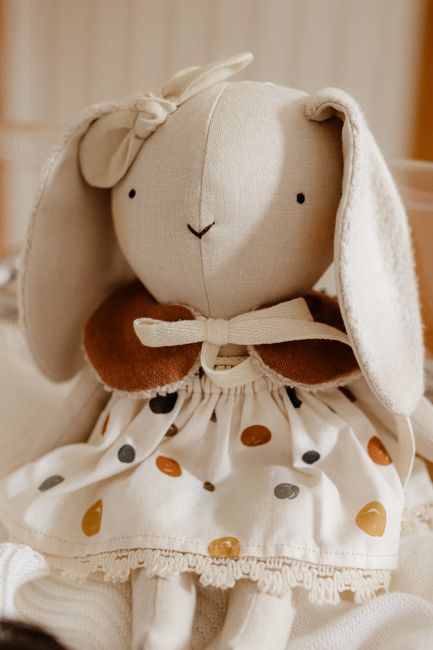
The "halfway handmade" designation itself is a key identifier. It signifies that while the bulk of the bunny’s construction – the sewing of seams, the stuffing of the body, the attachment of basic limbs – is likely performed by machines in a factory setting to ensure consistency and scalability, certain elements are meticulously added by hand. These handmade elements can vary significantly. They might include the hand-stitching of the face, the delicate embroidery of eyes and noses, the careful placement and attachment of accessories like clothing, ribbons, or even custom-designed ears. In some cases, a halfway handmade bunny might be a standard production model that is then customized by an independent artist who adds unique markings, painted details, or unique accessories, transforming a common item into a one-of-a-kind treasure. This duality is what gives them their appeal: the efficiency and affordability of mass production combined with the bespoke charm and personality that only handcrafting can provide.
The appeal of halfway handmade plush bunnies extends across various demographics. For children, they offer the comforting familiarity of a plush toy, often with a slightly more unique character than their entirely factory-produced counterparts. The subtle variations in stitching or the unique expression on a hand-embroidered face can create a stronger emotional connection. For adults, particularly collectors, these bunnies are highly desirable. The handmade elements signify a level of artistry and effort that sets them apart. They represent an investment in a tangible piece of craftsmanship that often holds a story, whether it’s the story of the individual artisan or the unique journey the bunny has taken to reach its owner. Gift-givers also find them to be an excellent choice, as a halfway handmade bunny offers a personalized touch that can convey a deeper level of thought and care than a generic toy. The inherent uniqueness of each piece means that a gift of this nature is less likely to be duplicated, making it truly special.
The production process of a halfway handmade plush bunny, while varied, generally follows a structured path. It begins with the design phase, where a concept for the bunny is developed, encompassing its size, shape, color, and overall aesthetic. Patterns are then created for the various body parts. For the mass-produced elements, these patterns are used to cut fabric, which is then sewn together, often by industrial sewing machines, to form the basic structure of the bunny. Stuffing is then inserted, typically using automated machinery for consistency. The "halfway" element comes into play during the finishing stages. This is where skilled artisans or dedicated craftspeople take over. Hand-sewing might be employed for attaching appendages, closing seams that are not suitable for machine work, or adding intricate details. Hand-embroidery is extremely common for facial features, allowing for a range of expressions that are difficult to replicate with machine stitching. Accessories, such as felt ears, fabric clothing, or decorative bows, are often meticulously attached by hand, ensuring precision and a polished finish. The use of specialized threads, yarns, or even paints can further enhance the handmade quality. This careful integration of both machine and hand processes is what defines the halfway handmade plush bunny, offering a harmonious balance of efficiency and artisanal skill.
Materials play a significant role in the quality and feel of a halfway handmade plush bunny. High-quality fabrics are essential for both the mass-produced and the handmade components. Soft, durable plush fabrics like polyester minky, velboa, or even natural fibers like cotton are often used for the main body. For handmade details, finer materials might be chosen. Silk threads or high-quality embroidery floss can elevate the look and feel of facial features. Small pieces of felt, satin, or lace can be used for accents and accessories. The stuffing itself is also important, with options ranging from standard polyester fiberfill to more natural fillings like cotton or even dried beans for a weighted feel. The choice of materials not only impacts the tactile experience but also the longevity and aesthetic appeal of the bunny. Collectors often appreciate the use of premium materials that contribute to a sense of luxury and lasting value.
The market for halfway handmade plush bunnies is diverse and dynamic. Independent artists and small businesses often specialize in these types of creations, selling them through online marketplaces like Etsy, their own websites, or at craft fairs and conventions. Larger toy manufacturers may also produce lines of plushies that incorporate halfway handmade elements, often marketing them as premium or artisanal collections. The price point for these bunnies can vary widely, depending on the complexity of the design, the quality of materials used, the reputation of the maker, and the rarity of the piece. A simple, mass-produced bunny with a hand-embroidered face might be relatively affordable, while a highly detailed, artist-designed bunny with intricate accessories could command a significantly higher price. The collectibility factor is also a major driver of market value. Limited edition runs, unique colorways, or collaborations with popular franchises can all contribute to a bunny becoming a sought-after item for collectors, driving up its resale value.
Caring for a halfway handmade plush bunny requires a slightly different approach than for its fully machine-made counterparts. While the machine-stitched portions are generally robust, the handmade elements, particularly embroidery and delicately attached accessories, can be more fragile. Gentle spot cleaning is usually recommended for minor spills or stains. For more thorough cleaning, hand washing in cool water with a mild detergent is often the best option. Avoid harsh chemicals or abrasive scrubbing, as these can damage the fabric or the intricate details. When drying, air drying is preferable to machine drying, which can cause the plush to clump or lose its shape. Laying the bunny flat on a clean towel or hanging it to dry away from direct sunlight or heat is ideal. For any attached clothing or accessories, follow the same gentle cleaning principles. Proper care will ensure that the halfway handmade plush bunny retains its charm and structural integrity for years to come, preserving its aesthetic appeal and sentimental value.
The emotional connection people form with halfway handmade plush bunnies is undeniable. Beyond their aesthetic appeal and collectible nature, these toys often become cherished companions. The subtle imperfections that come with handcrafting can imbue a bunny with a unique personality, making it feel more "alive" and relatable. For children, a well-loved plush bunny can be a source of comfort, security, and imaginative play. The tactile experience of petting soft fur and the visual appeal of a friendly face can have a calming effect. For adults, these bunnies can evoke nostalgia for childhood, serve as a reminder of a special occasion, or simply bring a sense of joy and whimsy into their living spaces. The fact that a portion of the bunny was made by human hands adds a layer of warmth and authenticity to this connection. It’s a tangible link to the care and intention that went into its creation, fostering a bond that is deeper than what might be felt with a mass-produced item.
The trend towards supporting independent artisans and valuing handcrafted goods has significantly boosted the popularity of halfway handmade plush bunnies. Consumers are increasingly seeking out products that are not only aesthetically pleasing but also ethically produced and imbued with a sense of individuality. This shift in consumer consciousness has created a thriving market for makers who pour their passion and skill into creating these unique toys. The ability to directly connect with the maker, often through online platforms, also adds to the appeal, allowing customers to understand the story behind the creation and appreciate the artistry involved. This transparency and personal connection are powerful drivers in the demand for halfway handmade items.
The future of halfway handmade plush bunnies looks bright, as the demand for unique, artisanal goods continues to grow. As technology evolves, we might see even more innovative ways of integrating mass production with handcrafting, perhaps through advancements in 3D printing for molds or more sophisticated robotic arms for certain finishing tasks that can be overseen by human artisans. However, the core appeal of the halfway handmade plush bunny – the human touch, the individual artistry, and the emotional connection – is likely to remain its defining characteristic. The continued appreciation for craftsmanship and the desire for items with personality will ensure that these charming creations continue to hop their way into hearts and homes for years to come. Whether as a collector’s item, a comforting friend, or a thoughtful gift, the halfway handmade plush bunny embodies a beautiful fusion of art, industry, and affection.

