Transforming Textiles: Crafting Custom Fabrics with Martha Stewart Paints
Creating unique fabric designs is an accessible and rewarding DIY endeavor, particularly when leveraging the vibrant and versatile color palettes offered by Martha Stewart paints. This comprehensive guide explores the techniques, considerations, and creative potential inherent in making your own fabric using Martha Stewart paints, transforming ordinary textiles into personalized artistic statements. The inherent quality and extensive color range of Martha Stewart paints make them an ideal medium for fabric customization, allowing for a spectrum of applications from home décor accents to bespoke fashion pieces.
The foundational step in crafting custom fabric with Martha Stewart paints involves understanding the types of paints suitable for textile applications and proper fabric preparation. While Martha Stewart offers a broad range of craft paints, not all are inherently designed for fabric. For optimal results and durability, look for Martha Stewart Specialty Paints, specifically her line of Fabric Paints or Multi-Surface Paints that are explicitly stated as being fabric-friendly or capable of adhering to textiles. Standard acrylic craft paints, without appropriate additives or sealing, may not offer the flexibility, washability, or colorfastness required for wearable or frequently laundered items. Multi-surface paints, often formulated to adhere to a variety of substrates including fabric, can be a good alternative if dedicated fabric paints are unavailable, but always test for flexibility and washability on a scrap piece of fabric first.
Fabric selection is paramount to the success of your painted fabric project. The type of fabric will influence how the paint adheres, the resulting texture, and the overall drape of the material. Natural fibers such as cotton, linen, and canvas tend to absorb paint well, producing rich, opaque colors. Their natural texture can add an appealing character to the finished fabric. Synthetic fibers like polyester blends might require specific fabric mediums or paints formulated for synthetic materials, as they can be more challenging for paint to adhere to. For a softer, more fluid look, consider rayon or silk, though these require careful handling and potentially thinner paint applications to avoid stiffening the fabric. The weave of the fabric also plays a role; a tightly woven fabric will hold finer details, while a looser weave might allow the paint to bleed slightly, creating a softer, more watercolor-like effect. Always pre-wash your fabric without fabric softener to remove any sizing agents or residues that could interfere with paint adhesion. This also accounts for any potential shrinkage before you begin your design.
Before embarking on your masterpiece, proper setup is crucial to ensure a smooth and successful painting experience. Work in a well-ventilated area, protecting your workspace with drop cloths or old newspapers to prevent accidental spills. Secure your fabric tautly to a flat surface. This can be achieved by using masking tape or painter’s tape along the edges, securing it to a sturdy table or a foam board. Alternatively, for larger projects, consider a quilting frame to maintain consistent tension. Having all your chosen Martha Stewart paints, brushes of various sizes, water containers for rinsing, paper towels or rags for blotting, and any stencils or design tools readily accessible will streamline the process and prevent interruptions.
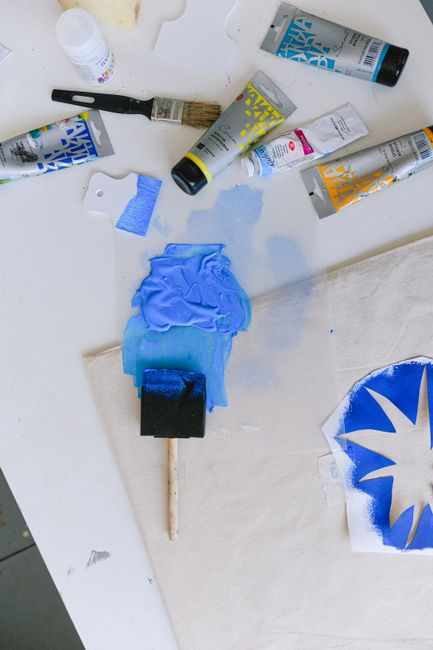
The application techniques for creating custom fabric with Martha Stewart paints are diverse, allowing for a wide range of visual outcomes. Direct brush application is the most straightforward method, enabling freehand designs, broad strokes, or intricate details. Varying brush pressure and the amount of paint loaded onto the brush can create different textures and opacities. For sharper lines and geometric patterns, stenciling is highly effective. Martha Stewart offers a vast array of stencils, or you can create your own using cardstock or vinyl. Apply paint through the stencil using a stencil brush, dabbing or lightly brushing to avoid paint seeping under the edges. Sponging with natural or synthetic sponges can create mottled, textured effects, perfect for abstract backgrounds or mimicking natural elements. Squeegee application can produce bold, graphic designs with smooth, even coverage, particularly effective for larger areas.
Achieving specific effects often involves layering and combining techniques. Dry brushing, where you use a brush with very little paint that has been mostly dried on a paper towel, can create a distressed or textured look. Water-soluble techniques, where you dilute Martha Stewart paints with water (or a fabric medium), can mimic watercolor effects on fabric, offering translucent washes of color. This is particularly beautiful on natural fibers like linen. For a more opaque, solid coverage, apply the paint thickly, ensuring even distribution. Ink resist techniques, where you draw outlines with a permanent fabric marker or even a wax crayon before painting, can define shapes and add a graphic element.
The color selection from the Martha Stewart paint collection is a key aspect of this creative process. Her extensive range of vibrant hues, subtle pastels, and sophisticated metallics offers an almost limitless palette. Consider the overall mood and purpose of your fabric. For a cheerful home décor item, bold and bright colors might be appropriate. For a sophisticated garment, a more muted or monochromatic scheme could be ideal. Experiment with color combinations, understanding how different hues interact. Martha Stewart’s collection often includes complementary colors, analogous colors, and monochromatic palettes that can inspire your design. Don’t be afraid to mix colors to achieve custom shades. A small amount of Martha Stewart Metallic Paint can add a touch of glamour and dimension to any design, be it a subtle shimmer or a bold statement.
Sealants and Fixatives are crucial for ensuring the longevity and durability of your painted fabric. Once your painted design is completely dry, the next step is to heat-set the paint. This process permanently binds the pigment to the fabric fibers, making it washable and colorfast. The specific heat-setting instructions will vary depending on the Martha Stewart paint used. Generally, this involves ironing the painted fabric on the reverse side without steam, using a medium to high heat setting appropriate for your fabric type, for a recommended duration (typically 3-5 minutes). Always consult the paint manufacturer’s instructions for precise details. Some fabric paints may also benefit from a fabric medium or sealant applied before or after painting, which can enhance flexibility and durability. Always test the heat-setting process on a scrap piece of painted fabric to ensure it doesn’t damage the paint or the material.
Troubleshooting common issues is part of the learning process. If the paint appears too thick and stiffens the fabric excessively, try diluting it slightly with water or a fabric medium on future projects, or using thinner coats. If colors are not as vibrant as expected, consider applying a white or light-colored base coat of Martha Stewart Multi-Surface Paint (specifically formulated for fabric compatibility) before applying your desired colors. This acts as a primer and can significantly boost the vibrancy of subsequent layers, especially on darker fabrics. For bleeding edges when stenciling, ensure the stencil is securely adhered and use a pouncing motion with the stencil brush rather than sweeping strokes. If the paint cracks after drying or washing, it likely indicates insufficient heat-setting or that the paint used was not flexible enough for the fabric.
Creative applications for your custom-painted fabric are vast and limited only by imagination.
- Home Décor: Custom throw pillows, upholstery for chairs or ottomans, unique curtains, placemats, table runners, and wall hangings can all be brought to life with personalized fabric designs. Imagine a set of coasters painted with delicate floral motifs or a striking geometric pattern adorning a bench cushion.
- Fashion and Accessories: Design your own unique clothing pieces by painting directly onto garments like t-shirts, denim jackets, or canvas tote bags. Create bespoke scarves, clutch purses, or even add custom panels to existing garments for a one-of-a-kind look.
- Craft Projects: Fabric painted with Martha Stewart paints is ideal for appliqué, quilting, mixed-media art, and unique gift wrapping. Create personalized fabric patches for backpacks or denim.
- Children’s Items: Design durable and washable fabric for play mats, personalized blankets, or costumes. The vibrant colors of Martha Stewart paints are perfect for engaging children’s imaginations.
When working with Martha Stewart Specialty Paints for fabric, testing is your best friend. Before committing to your final project, always create swatches on the same type of fabric you intend to use. Test your chosen paint colors, application techniques, and heat-setting methods on these swatches. This will allow you to assess the paint’s coverage, saturation, flexibility, and how it withstands washing and drying. Pay attention to the drying time between coats, especially when layering colors or building up texture. Rushing this process can lead to muddied colors or uneven application.
Maintaining your custom fabric is essential for preserving its beauty. After heat-setting, wash your painted fabric in cool water on a gentle cycle, preferably turned inside out, to protect the painted surface. Use a mild detergent. Air-drying is generally recommended to further extend the life of the paint, although if machine drying is necessary, use a low heat setting. Avoid using harsh chemicals or bleach, as these can degrade the paint and the fabric. Regular care will ensure your handmade fabric remains a vibrant and cherished part of your home or wardrobe.
The accessibility of Martha Stewart paints, combined with their high quality and extensive color selection, empowers individuals to move beyond mass-produced textiles and cultivate a truly personal aesthetic. By understanding the fundamental principles of fabric preparation, paint application, and heat-setting, anyone can embark on the rewarding journey of creating bespoke fabrics that reflect their unique style and creativity. The satisfaction of using a material that you have not only designed but also brought into existence with your own hands is a powerful motivator for embracing this craft.
