Vancouver has long commanded global attention for its striking juxtaposition of dramatic coastal landscapes and a sleek, modern metropolis. Nestled between the snow-capped peaks of the Coast Mountains and the deep blue waters of the Pacific Ocean, British Columbia’s largest city offers a dynamic urban environment where nature and civilization seamlessly intersect. However, for lifelong residents and seasoned travelers alike, the true heartbeat of Vancouver lies far beyond the high-rise glass towers of the downtown core and standard tourist hotels. To truly understand the cultural fabric, culinary evolution, and daily rhythms of the city, visitors are increasingly looking past conventional accommodations and embracing neighborhood-based short-term rentals.
Choosing to base oneself in a residential community rather than a commercial downtown hotel fundamentally alters the travel experience. It shifts the itinerary from a standard checklist of sightseeing destinations to an immersive exploration of distinct enclaves, each maintaining its own architectural identity, socio-economic flavor, and culinary traditions. From the historic, cobblestone pathways of Gastown to the sun-drenched shores of Kitsilano and the bohemian, coffee-infused corridors of Commercial Drive, Vancouver’s neighborhoods offer a mosaic of micro-cultures. This shift toward localized lodging reflects a broader global travel trend: the desire for authenticity, neighborhood integration, and a temporary lifestyle rooted in community living rather than tourism isolation.
The Evolution of Vancouver’s Neighborhood Identity
To comprehend the current urban landscape of Vancouver, it is essential to examine its historical development. Founded in the late 19th century as a modest lumber settlement named Gastown—centered around a saloon established by John "Gassy Jack" Deighton—the city expanded rapidly following the arrival of the Canadian Pacific Railway in 1887. Over the ensuing decades, distinct municipal pockets formed, driven by immigration patterns, industrial development, and geographical boundaries.
Neighborhoods such as Strathcona became historically significant as some of the city’s oldest residential areas, housing waves of European and Asian immigrants who shaped the multi-cultural bedrock of the region. Meanwhile, areas like Shaughnessy were deliberately planned in the early 1900s by the Canadian Pacific Railway as exclusive, leafy garden suburbs for the city’s economic elite, featuring sprawling mansions and meticulous landscaping.
In contrast, the East Side developed a reputation for working-class resilience, artistic counterculture, and grassroots community activism. Commercial Drive, historically the heart of the city’s Italian immigrant community in the mid-20th century, gradually transformed into an eclectic melting pot of independent bookstores, radical politics, live music venues, and artisanal cafes. This historical stratification has left Vancouver with a rich tapestry of neighborhoods that refuse to homogenous, making the choice of where to stay a critical determinant of a traveler’s overall experience.
Navigating the City: Infrastructure and Transit Integration
One of the primary concerns for travelers eschewing the downtown core in favor of residential neighborhoods is accessibility. Fortunately, Vancouver boasts one of North America’s most integrated and efficient public transit networks, operated by TransLink. The system encompasses the driverless SkyTrain rapid transit rail system, an extensive bus grid, and the SeaBus passenger ferry service connecting downtown to the North Shore.
For visitors staying in neighborhoods such as Mount Pleasant or Commercial Drive, the SkyTrain’s Expo and Millennium lines provide rapid, seamless connectivity to downtown terminals, regional hubs, and even Vancouver International Airport (YVR) without the necessity of a personal vehicle. Furthermore, the city has invested heavily in active transportation infrastructure over the past two decades. Vancouver is widely recognized as a cycling-friendly city, featuring an extensive, protected network of bike lanes known as the "Greenway" system. This infrastructure allows visitors residing in beachfront communities like Kitsilano or Point Grey to commute to cultural institutions, parks, and business districts via bicycle or on foot with ease.
For those planning excursions beyond the municipal boundaries—such as traversing the Sea-to-Sky Highway toward Whistler or taking the BC Ferries terminal at Tsawwassen or Horseshoe Bay toward Vancouver Island—automotive rentals remain a viable option. However, urban planners and municipal authorities consistently advocate for public transit and active mobility within the city proper, citing reduced congestion, lower carbon emissions, and a more intimate engagement with the urban streetscape.
Economic and Regulatory Framework of Short-Term Rentals
The rise of platforms like Airbnb has significantly altered the hospitality and real estate landscapes in major global destinations, and Vancouver is no exception. In response to housing affordability concerns and neighborhood preservation demands, the City of Vancouver implemented stringent regulations governing short-term rentals.
Under current municipal bylaws, hosts are legally required to obtain a valid business license and display the license number on all listing advertisements. Furthermore, provincial and municipal regulations stipulate that short-term rentals are restricted to a host’s principal residence—the dwelling where they reside for the majority of the calendar year. This legal framework is designed to prevent long-term housing stock from being converted into commercial ghost-hotels, thereby balancing the economic benefits of tourism with the housing needs of local residents.
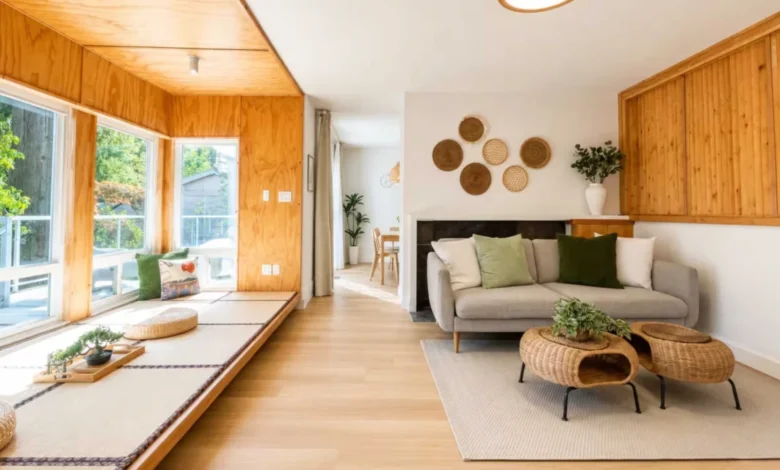
For travelers, engaging with legally compliant short-term rentals ensures not only adherence to municipal policy but also guarantees a higher standard of guest accountability. Platforms and local hosts frequently emphasize Superhost and Guest Favorite designations, relying on verified reviews, stringent cleanliness protocols, and clear amenity disclosures to build trust within the marketplace. These vetted properties range from architectural masterpieces perched on coastal bluffs to character-filled heritage conversions in historic districts, offering diverse aesthetic experiences that standard hotel rooms rarely replicate.
Top Neighborhoods for an Immersive Stay
When planning an extended or weekend itinerary in Vancouver, matching traveler interests with the appropriate neighborhood is paramount. The city’s geography naturally segregates these areas, each offering distinct advantages.
Kitsilano: The Coastal Haven
Situated directly south of English Bay, Kitsilano—affectionately known by locals as "Kits"—epitomizes the West Coast outdoor lifestyle. Famed for its wide sandy beach, outdoor saltwater pool, and sweeping views of the downtown skyline against the backdrop of the North Shore mountains, this neighborhood attracts wellness enthusiasts, families, and beachgoers. Staying in a residential suite or character home steps from West 4th Avenue places visitors within walking distance of organic grocery markets, yoga studios founded by homegrown athletic brands, and vibrant patio dining.
Mount Pleasant and Main Street: The Creative Epicenter
Once an industrial and working-class district, Mount Pleasant has undergone a rapid cultural and economic transformation over the past two decades. Centered around Main Street, the neighborhood is the epicenter of Vancouver’s craft brewery scene, independent art galleries, vintage boutiques, and farm-to-table gastronomy. Accommodations here often take the form of modern laneway houses or thoughtfully renovated heritage apartments, appealing to travelers seeking a contemporary, youthful, and intellectually vibrant atmosphere.
Gastown and Yaletown: Historic Contrast and Modern Chic
For those drawn to urban density and historical narratives, Gastown provides a distinct visual journey. As the city’s oldest neighborhood, its iron-stanchion street lamps, Victorian-era brick facades, and the iconic steam clock hallow a district now populated by high-end interior design showrooms, cocktail lounges, and cutting-edge culinary establishments. Just a short distance away, Yaletown presents a polished contrast. Formerly a heavy industrial rail yard dominated by red-brick warehouses, it has evolved into a chic, marina-adjacent neighborhood characterized by upscale dining, pedestrian promenades, and seamless access to the seawall.
Essential Itinerary Recommendations: Balancing Nature and Culture
Tourism industry analysts and local destination marketing organizations frequently emphasize Vancouver’s unique selling proposition: the rare capability to experience world-class urban amenities and pristine wilderness within the same twenty-four-hour cycle.
A well-curated three-day itinerary typically balances cultural immersion with outdoor recreation. Day one is frequently dedicated to the urban core and immediate surrounds, including the 405-hectare Stanley Park—larger than New York’s Central Park—where visitors can cycle the seawall or explore old-growth temperate rainforest trails. Afternoon hours can be spent exploring the global culinary offerings at Granville Island Public Market, accessible via the small, iconic Aquabus ferries that crisscross False Creek.
Day two often redirects focus to the arts and neighborhood exploration, patronizing the Vancouver Art Gallery, historical museums, and regional dining establishments that highlight Pacific Northwest cuisine—emphasizing fresh seafood, locally foraged ingredients, and Indigenous culinary traditions.
Day three invariably encourages venturing beyond the city limits to the North Shore. Attractions such as the Capilano Suspension Bridge Park and the alpine trails of Grouse Mountain offer rigorous physical activity and panoramic vistas, cementing Vancouver’s reputation as an elite destination for active travelers.
Broader Economic and Tourism Implications
The ongoing preference for neighborhood-based lodging over traditional hotel stays signals a permanent shift in consumer behavior within the travel sector. Travelers increasingly view themselves as temporary residents rather than passive tourists. This behavioral evolution distributes tourism revenue more equitably across non-traditional commercial districts, supporting independent coffee roasters, neighborhood bakeries, and local artisans rather than concentrating economic impact solely within downtown commercial zones.
As Vancouver continues to navigate the complexities of urban growth, housing policy, and sustainable tourism, the relationship between residents, municipal regulators, and visitors remains dynamic. By honoring the distinct character of each neighborhood and adhering to progressive municipal frameworks, Vancouver preserves the very authenticity that draws global travelers to its shores in the first place, ensuring that every stay—whether in a harbor houseboat or a leafy residential laneway—offers an authentic glimpse into the soul of the Pacific Northwest.