Homemade Peanut Butter Cups: A Comprehensive Guide to Crafting Chocolatey Perfection
The allure of the classic peanut butter cup lies in its deceptively simple yet utterly satisfying flavor combination. Salty, creamy peanut butter enveloped in rich, smooth chocolate is a culinary masterpiece, and recreating this beloved treat at home is not only achievable but incredibly rewarding. This guide delves deep into the art of making homemade peanut butter cups, covering everything from ingredient selection and preparation to troubleshooting and creative variations. We’ll explore the science behind achieving that perfect melt and temper, the nuances of different peanut butter and chocolate types, and practical tips to elevate your homemade creations from good to extraordinary. For those seeking a healthier alternative, we will also touch upon mindful ingredient choices and portion control. Whether you’re a seasoned baker or a kitchen novice, this comprehensive resource aims to empower you to craft peanut butter cups that rival, and perhaps even surpass, their store-bought counterparts.
The foundation of any great peanut butter cup is, unequivocally, the peanut butter. While the convenience of pre-made peanut butter is undeniable, the homemade version offers a superior texture and flavor profile, and importantly, allows for control over ingredients. Opt for natural peanut butter, which typically contains only peanuts and a bit of salt. This type of peanut butter, with its looser consistency and intense peanut flavor, blends seamlessly with the chocolate and creates that signature smooth, melt-in-your-mouth experience. Avoid peanut butters with added sugars, hydrogenated oils, or emulsifiers, as these can negatively impact the texture and flavor of your finished cups. For a richer, nuttier taste, consider toasting your peanuts before grinding them. This process intensifies their natural oils and brings out a deeper, more complex flavor. If you’re feeling adventurous, experiment with different nut butters, such as almond butter, cashew butter, or even a blend, to create unique flavor profiles. However, for the classic experience, unsalted, natural peanut butter is the gold standard. The texture of the peanut butter filling is crucial. It should be smooth and spreadable but firm enough to hold its shape. Some recipes call for adding a small amount of melted butter or coconut oil to the peanut butter to achieve this desired consistency, especially if using very stiff natural peanut butter. This addition also contributes to the overall richness and mouthfeel. The salt content of the peanut butter is also a consideration. If your peanut butter is unsalted, you will likely need to add a pinch of salt to the filling to balance the sweetness of the chocolate and enhance the peanut flavor. Taste your peanut butter before incorporating it into the recipe and adjust the salt accordingly.
The chocolate component is equally vital. While semi-sweet chocolate chips are a common and accessible choice, exploring higher-quality chocolate will significantly elevate your homemade peanut butter cups. Look for chocolate with a high cocoa butter content, which ensures a smooth melt and a satisfying snap. Dark chocolate, with its intense cocoa flavor, provides a sophisticated contrast to the sweet peanut butter. Milk chocolate, on the other hand, offers a sweeter, creamier profile that appeals to a broader audience. White chocolate can also be used for a unique twist, though its sweetness requires careful balancing with the peanut butter. When choosing chocolate, consider the percentage of cocoa solids. Higher percentages in dark chocolate (60% and above) will yield a less sweet, more intense flavor, which is often preferred in homemade confections. For the smoothest finish, it is highly recommended to use chocolate that is specifically designed for melting and enrobing, often labeled as “couverture” chocolate. This type of chocolate contains a higher proportion of cocoa butter, resulting in a superior texture and shine. If using standard chocolate chips, be aware that they often contain stabilizers that can make them more difficult to melt smoothly. In such cases, you might need to add a small amount of vegetable shortening or coconut oil to help achieve a fluid consistency. The process of melting chocolate requires careful attention to avoid scorching.
Melting chocolate can be achieved through two primary methods: the double boiler and the microwave. The double boiler method involves placing the chocolate in a heatproof bowl set over a pot of simmering water. The steam from the water gently melts the chocolate without direct heat, minimizing the risk of burning. Stir the chocolate frequently with a heatproof spatula until it is completely smooth. The microwave method is faster but requires more vigilance. Place the chocolate in a microwave-safe bowl and heat on 50% power in 30-second intervals, stirring thoroughly between each interval. It’s crucial to under-melt slightly, as the residual heat will continue to melt the chocolate as you stir. Overheating chocolate can lead to a grainy or seized texture, making it unusable for enrobing. For optimal results, particularly for those aiming for a professional-looking finish, tempering chocolate is the key. Tempering involves carefully heating and cooling chocolate to specific temperatures to stabilize its cocoa butter crystals. This process results in chocolate that is glossy, snaps cleanly when broken, and resists blooming (the formation of white streaks or spots). While tempering can seem daunting, it’s achievable with a thermometer and patience. The basic tempering process involves melting the chocolate, cooling it down to a specific temperature while stirring, and then gently reheating it to a working temperature. Several methods exist for tempering, including seeding, tabling, and using a tempering machine. For home cooks, the seeding method, where a small amount of finely chopped tempered chocolate is added to melted chocolate to initiate crystallization, is often the most practical.
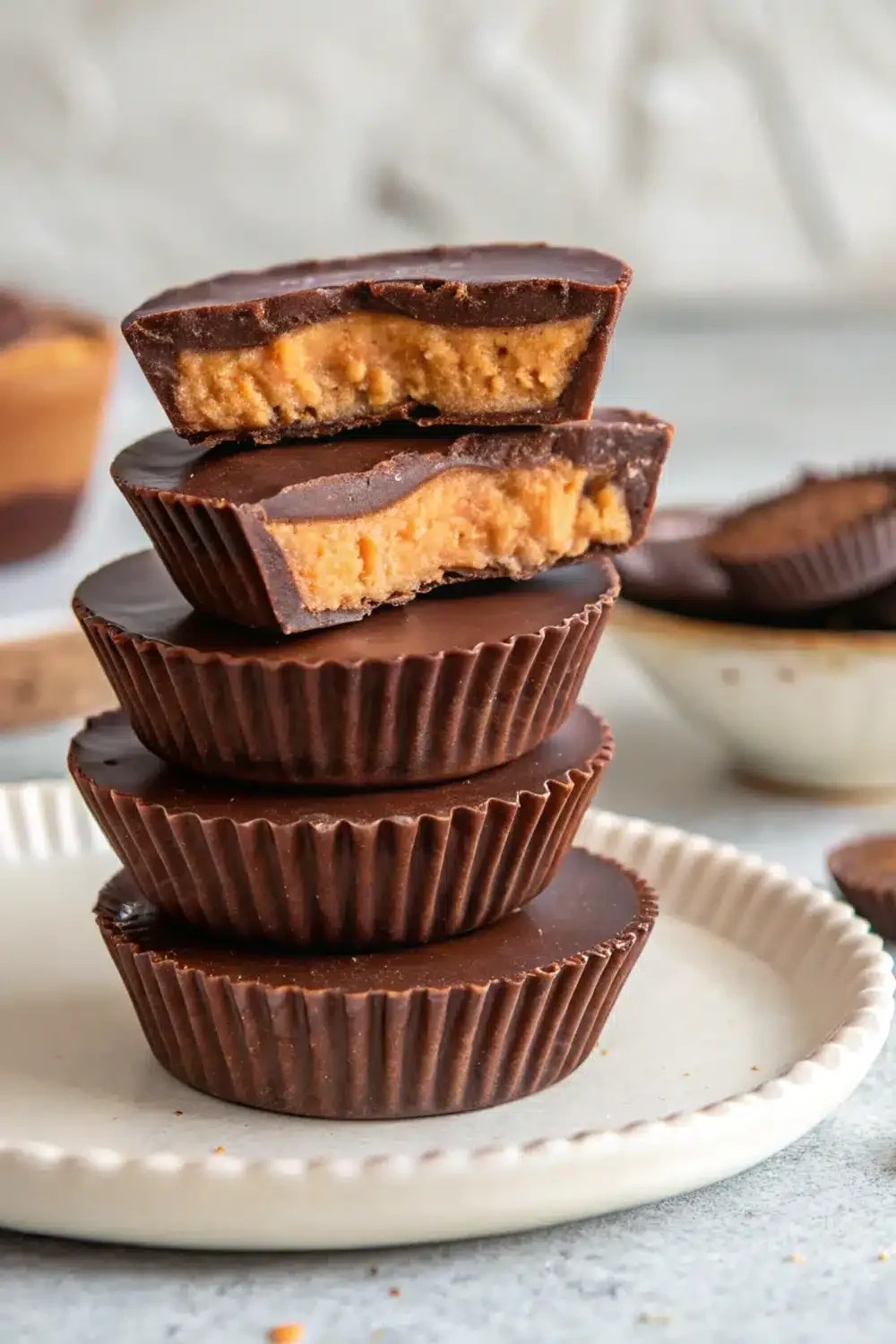
The assembly of your homemade peanut butter cups is where the magic truly happens. The most common method involves using silicone or paper candy molds. Silicone molds are incredibly versatile and allow for easy removal of the finished cups. For the classic layered effect, begin by spooning a thin layer of melted chocolate into the bottom of each mold cavity. Ensure the chocolate covers the base and extends slightly up the sides. Chill the mold for about 10-15 minutes, or until the chocolate has set. This initial layer acts as a barrier and prevents the peanut butter from touching the outer chocolate shell directly, which can sometimes lead to a softer texture. While the chocolate base is setting, prepare your peanut butter filling. This typically involves combining your chosen peanut butter with a binder and sweetener. Powdered sugar is often used to thicken and sweeten the peanut butter, while melted butter or coconut oil contributes to a smoother, more cohesive texture. Some recipes also incorporate a pinch of salt to enhance the flavor. The consistency of the peanut butter filling is crucial. It should be firm enough to scoop and shape into small balls or discs that fit neatly into the chocolate cups, but not so stiff that it crumbles. Once the chocolate base has set, spoon a portion of the peanut butter filling into the center of each mold. Avoid overfilling, as you need enough space for the top layer of chocolate. Gently press down on the peanut butter to ensure it’s level and forms a compact layer. Finally, spoon the remaining melted chocolate over the peanut butter filling, ensuring it completely covers the peanut butter and reaches the edges of the mold to seal the cup. Tap the mold gently on your work surface to release any air bubbles and create a smooth surface. Chill the molds again until the chocolate is completely set, which usually takes about 30-60 minutes in the refrigerator.
For those who prefer a more rustic or artisanal approach, an alternative assembly method involves using parchment paper or wax paper. Spoon a dollop of melted chocolate onto the parchment paper, then place a scoop of peanut butter filling on top. Gently flatten the peanut butter and then cover it with another dollop of melted chocolate. Smooth the edges to create a cup-like shape. This method is less precise but can yield charming, handmade results. The key to a good peanut butter cup is the ratio of chocolate to peanut butter. Experiment to find your perfect balance. A common ratio is approximately 2:1 or 3:1 chocolate to peanut butter, but personal preference plays a significant role. Some prefer a thicker layer of peanut butter, while others favor a more chocolate-dominant experience. The temperature of your ingredients also matters. Ensure your peanut butter filling is cool enough to handle but not so cold that it’s difficult to shape. Similarly, your melted chocolate should be at the correct working temperature for optimal fluidity and setting.
Troubleshooting common issues is an integral part of the homemade candy-making process. One of the most frequent problems is seized chocolate, which appears lumpy, grainy, and dry. This usually occurs due to the presence of a small amount of water or steam during melting. If your chocolate seizes, try adding a tablespoon of hot, unsalted butter or vegetable oil and stirring vigorously. This can sometimes help to loosen it up, but it’s not always salvageable. Another issue is bloomed chocolate, which appears as white streaks or a chalky coating. This is a sign of unstable cocoa butter crystals. While it doesn’t affect the taste, it detracts from the appearance. Proper tempering of the chocolate is the best way to prevent blooming. If your peanut butter cups are difficult to remove from silicone molds, ensure you are not overfilling them and that the chocolate is fully set. Gently flexing the silicone can help release them. For paper liners, if they stick to the chocolate, it may be due to the quality of the liner or insufficient chilling. If your peanut butter filling is too soft and spreads when you add the top layer of chocolate, it may need more powdered sugar or chilling. Conversely, if it’s too stiff and crumbles, add a little more melted butter or coconut oil. Achieving the perfect texture and appearance often involves a few practice runs.
Storage of your homemade peanut butter cups is straightforward. Once completely set, they can be stored at room temperature in an airtight container for up to two weeks. For longer storage, or in warmer climates, they can be refrigerated. However, refrigeration can sometimes lead to condensation on the chocolate, affecting its sheen. If refrigerating, allow them to come to room temperature for about 15-20 minutes before serving to allow the chocolate to soften slightly. Freezing is also an option for long-term storage. Wrap them individually in parchment or wax paper, then place them in an airtight container. They can be stored in the freezer for up to three months. Thaw them slowly in the refrigerator before consuming.
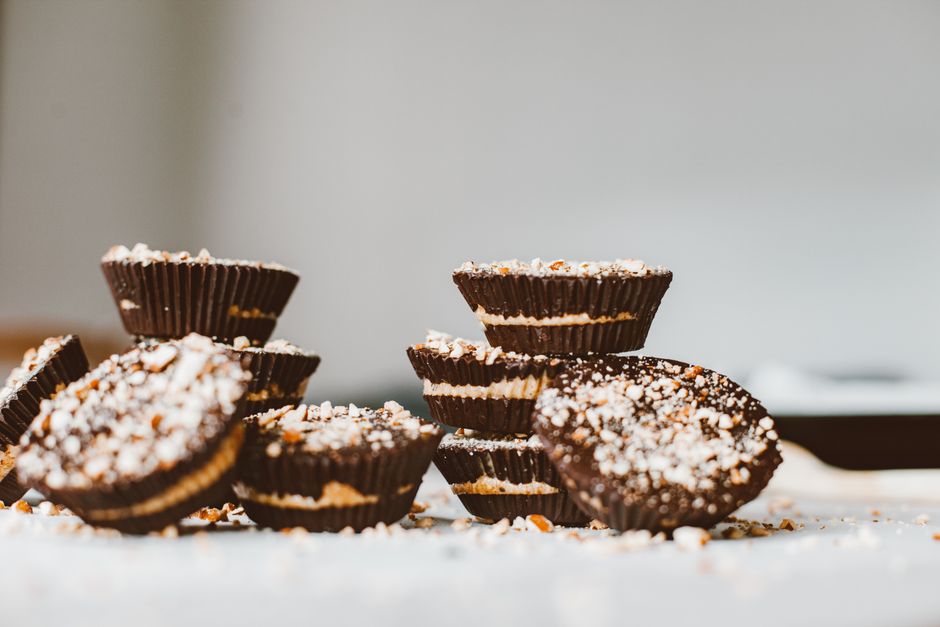
Variations on the classic peanut butter cup are endless, allowing for a personalized touch. Consider adding a pinch of sea salt flakes on top of the chocolate just before it sets for a sophisticated sweet and salty crunch. Infuse your peanut butter filling with a touch of honey, maple syrup, or even a hint of cayenne pepper for a subtle kick. Experiment with different extracts like vanilla, almond, or even a hint of espresso powder in the peanut butter. For a more decadent treat, drizzle melted chocolate over the finished cups or swirl a contrasting color of chocolate on top. Incorporating crunchy elements such as finely chopped toasted nuts, crispy rice cereal, or even crushed pretzels into the peanut butter filling can add an interesting textural dimension. For a truly unique experience, consider using flavored chocolates, such as raspberry-infused dark chocolate or salted caramel milk chocolate. The possibilities are limited only by your imagination and culinary curiosity. These variations not only enhance the flavor but also the visual appeal, transforming your homemade peanut butter cups into edible works of art.
For those seeking healthier alternatives, mindful ingredient choices can make a significant difference. Opt for dark chocolate with a high cocoa content (70% or more) as it contains more antioxidants and less sugar. Use natural peanut butter with no added sugar or oils. For a binder in the peanut butter filling, consider using a small amount of coconut oil or unsweetened applesauce. Instead of powdered sugar, experiment with natural sweeteners like stevia or erythritol in moderation, adjusting to taste. Portion control is also key when enjoying any sweet treat. Making smaller, bite-sized peanut butter cups can help manage intake without sacrificing satisfaction. Consider incorporating superfood ingredients like a sprinkle of chia seeds or flaxseeds into the peanut butter filling for added nutritional benefits. While these variations may alter the classic taste and texture slightly, they offer a way to enjoy the beloved peanut butter cup experience with a more health-conscious approach. The goal is to find a balance that satisfies your sweet cravings while aligning with your dietary goals.
The process of making homemade peanut butter cups is a deeply satisfying culinary endeavor. It’s an opportunity to control the quality of ingredients, customize flavors, and produce a treat that is both delicious and visually appealing. By understanding the fundamentals of melting and potentially tempering chocolate, preparing a well-textured peanut butter filling, and employing effective assembly techniques, anyone can achieve impressive results. This comprehensive guide serves as a roadmap, empowering you to embark on your own journey of chocolatey, peanut buttery perfection, whether for personal indulgence or to delight friends and family with your homemade creations. The joy derived from biting into a perfectly crafted homemade peanut butter cup, knowing the care and attention that went into its creation, is truly unparalleled.

