Homemade Pepper Jack Crackers: A Spicy, Cheesy Revelation for Savory Snack Lovers
Embarking on the culinary adventure of crafting your own pepper jack crackers offers a delightful fusion of heat, savory depth, and satisfying crunch. Unlike their mass-produced counterparts, homemade versions allow for precise control over ingredients, spice levels, and texture, transforming a simple snack into an artisanal treat. This comprehensive guide delves into the intricacies of creating superior pepper jack crackers, from selecting the optimal ingredients to mastering baking techniques, ensuring a consistently delicious and impressive result. The foundation of any great cracker lies in its dough. For pepper jack crackers, the interplay of cheese and spice is paramount. The dough itself should be neutral enough to showcase the star ingredients but possess enough structure to hold its shape and achieve a perfect crisp.
The ideal flour for homemade crackers is typically a low-protein all-purpose flour or a pastry flour. High-protein flours, like bread flour, can lead to a chewier texture, which is undesirable for crackers. The lower gluten development in all-purpose or pastry flour results in a more tender, brittle cracker that shatters pleasingly with each bite. Sifting the flour is a crucial step that introduces air, contributing to a lighter texture and preventing lumps. A common ratio for cracker dough involves approximately two cups of flour. This serves as a solid base for experimentation. For a truly authentic and superior cracker, consider incorporating a small amount of whole wheat flour, perhaps one-quarter cup, to add a subtle nutty flavor and a touch more complexity. This also adds a touch of fiber without compromising the crispness if handled correctly.
Fat plays a pivotal role in cracker texture, contributing to tenderness and flakiness. Butter, with its rich flavor, is a popular choice. For pepper jack crackers, using unsalted butter is recommended to allow for precise salt control. Cutting cold butter into the flour creates small pieces that, when baked, melt and create steam, resulting in flaky layers. Aim for approximately 4-6 tablespoons of cold, cubed butter per two cups of flour. Shortening can also be used, and some bakers opt for a blend of butter and shortening for enhanced flakiness. The key is keeping the fat cold, just as with pie crusts. Rubbing the cold butter into the flour until it resembles coarse meal is essential. This can be achieved using a pastry blender, your fingertips, or a food processor. Overworking the dough at this stage can develop too much gluten, resulting in tough crackers.
The cheese component, pepper jack, is what elevates these crackers from ordinary to extraordinary. Grating the pepper jack cheese finely is crucial for even distribution and melt. A microplane or the smallest holes on a box grater work best. The amount of cheese can be adjusted to personal preference, but a good starting point is 1 to 1.5 cups of finely grated pepper jack cheese. Ensure the cheese is well-chilled before grating, as this makes it easier to handle and prevents it from clumping. Some bakers prefer to mix the grated cheese directly into the flour mixture before adding any liquid, ensuring a more uniform incorporation. Others prefer to add it later in the process. Experimentation will reveal your preferred method for achieving optimal cheese distribution and melt.
The liquid used to bind the dough is typically cold water. The amount of water needed can vary depending on the humidity and the type of flour used, so it’s important to add it gradually. Start with about 1/4 cup of ice-cold water and add more, a tablespoon at a time, until the dough just comes together. Over-hydrating the dough will make it sticky and difficult to roll thinly, leading to less crispy crackers. A slight touch of acidity can enhance the flavor and texture of crackers. A tablespoon of white vinegar or lemon juice added to the ice water can tenderize the dough and contribute to a crisper outcome.
Flavor enhancers are where you can truly personalize your pepper jack crackers. Beyond the star cheese, consider adding a pinch of cayenne pepper for an extra kick, or a touch of smoked paprika for depth. Garlic powder and onion powder are classic additions that complement the cheese beautifully. A sprinkle of dried herbs like rosemary or thyme can also add a sophisticated aromatic layer. For the pepper jack, consider the spice level of the cheese itself. If it’s mild, you might want to amplify the heat with additional red pepper flakes. The ideal seasoning blend will balance the richness of the cheese with the heat of the peppers and the savory notes of the other spices. A good starting point for a standard recipe would be 1/2 teaspoon garlic powder, 1/4 teaspoon onion powder, and a pinch of cayenne pepper, in addition to the cheese.
Once the dough has come together, it needs to be handled with care. Overworking will create toughness. Gently bring the dough together into a cohesive ball. For the thinnest, crispiest crackers, chilling the dough is an imperative step. Wrap the dough tightly in plastic wrap and refrigerate for at least 30 minutes, or up to 24 hours. This allows the gluten to relax, making the dough easier to roll and preventing it from shrinking during baking. It also solidifies the fat, which is crucial for flakiness.
The rolling process is critical for achieving uniform thickness and maximum crispness. On a lightly floured surface, roll the chilled dough out as thinly as possible. Aim for a thickness of about 1/16th to 1/8th of an inch. The thinner the dough, the crispier the cracker. A pasta roller is an excellent tool for achieving consistent, paper-thin dough. If using a rolling pin, work systematically, rotating the dough frequently to prevent sticking and ensure an even surface. Consider dividing the dough into smaller portions for easier handling and more manageable rolling.
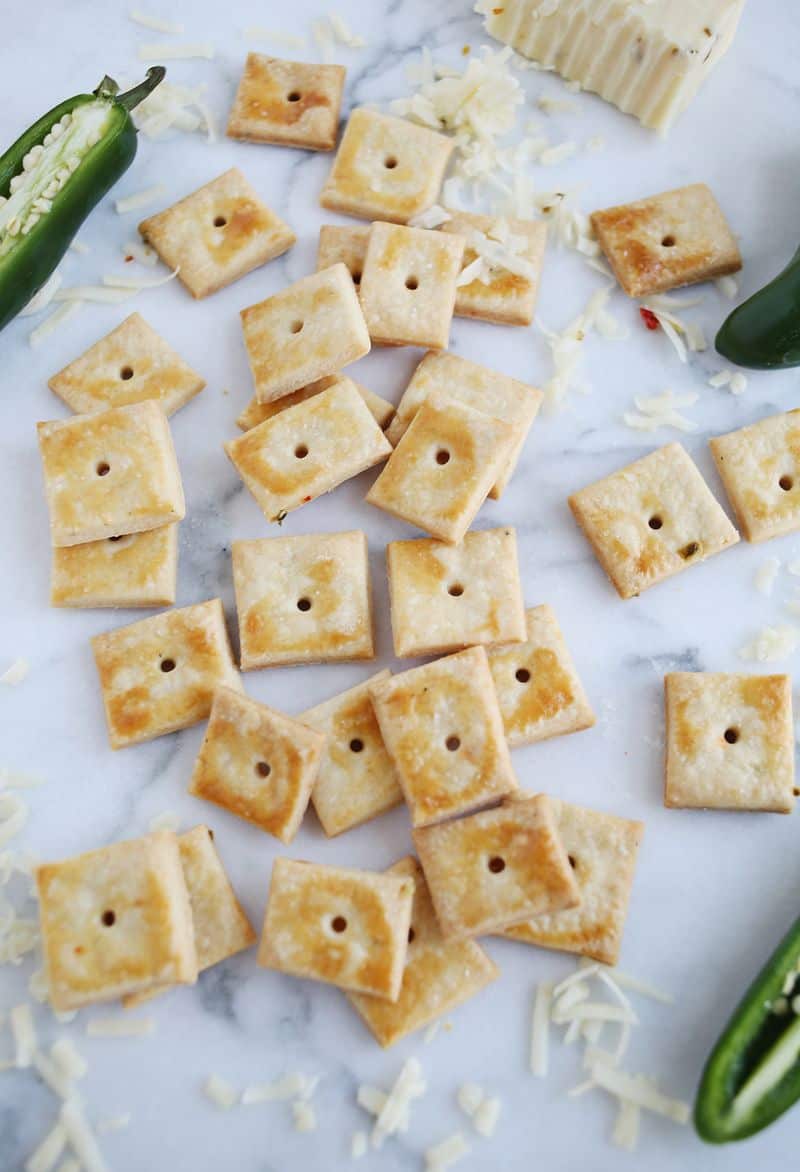
After rolling, the dough needs to be cut into desired shapes. Traditional squares or rectangles are easy to cut with a pizza cutter or a sharp knife. For more elaborate shapes, cookie cutters can be used. Before cutting, some bakers like to prick the dough all over with a fork. This is called "docking" and prevents the dough from puffing up unevenly during baking, ensuring a flatter, crisper cracker. The removed dough scraps can be gently re-rolled once, but overworking them will result in tough crackers.
Arranging the cut crackers on baking sheets is another important step. Use parchment paper or silicone baking mats to prevent sticking and ensure easy cleanup. Leave a small amount of space between each cracker to allow for even air circulation during baking, which promotes crispness. For a more artisanal look and added flavor, some bakers like to brush the tops of the crackers with a little melted butter or olive oil and sprinkle them with flaky sea salt, additional pepper flakes, or a dusting of Parmesan cheese.
Baking pepper jack crackers requires a moderate oven temperature to ensure they crisp up without burning. A preheated oven at 350-375°F (175-190°C) is typically ideal. The baking time will vary depending on the thickness of the crackers and the efficiency of your oven, but it generally ranges from 12-20 minutes. Keep a close eye on them, especially towards the end of the baking time. They are done when they are golden brown around the edges and feel firm to the touch. Flipping the crackers halfway through the baking process can ensure even browning and crisping on both sides, although this is not always necessary if the dough is rolled thinly and evenly.
Cooling the crackers properly is as important as baking them. Once baked, carefully transfer the crackers to a wire rack to cool completely. This allows air to circulate around them, preventing them from becoming soggy. Crackers will continue to crisp as they cool. Storing homemade pepper jack crackers in an airtight container at room temperature will maintain their crispness for several days. If humidity is a concern, consider adding a small food-safe desiccant packet to the container.
For those seeking even deeper flavor and a more complex texture, there are variations and enhancements to consider. Infusing the fat with spices before incorporating it into the dough can create a more nuanced flavor profile. Gently heating butter with dried chilies or peppercorns and then straining it can add a subtle but persistent heat. Adding a touch of nutritional yeast to the dough can provide an additional layer of savory, cheesy flavor without adding more cheese. For those who enjoy a tang, a small amount of sour cream or Greek yogurt can be incorporated into the dough, providing a subtle richness and tenderizing effect.
The inclusion of different types of chilies can significantly alter the flavor and heat. Beyond the standard pepper jack, consider adding finely minced fresh jalapeños or serranos for a bright, fresh heat. Dried chili powders like ancho or chipotle can introduce smoky and earthy notes. The key is to balance the heat of the chilies with the richness of the cheese and the other seasonings. Experiment with the ratio of different chilies to achieve your desired flavor profile.
For a truly gourmet experience, consider a double bake. After the initial bake, reduce the oven temperature to a lower setting, around 200-250°F (95-120°C), and continue to bake for another 10-20 minutes. This low-temperature bake dries out the crackers even further, resulting in an exceptionally crisp and shelf-stable product. This technique is particularly beneficial for thicker crackers or when aiming for a very brittle texture.
The versatility of homemade pepper jack crackers extends beyond a simple snack. They make an excellent accompaniment to soups and stews, adding a welcome textural contrast and a burst of flavor. They can be crumbled over salads for a savory crunch or served as a base for appetizers, topped with cream cheese and smoked salmon, or a dollop of avocado crema. Their robust flavor profile also pairs wonderfully with charcuterie boards, complementing the variety of cured meats and cheeses.
When troubleshooting common issues, consider these points. If your crackers are too tough, you likely overworked the dough, developed too much gluten, or used too much liquid. If they are not crisp enough, they may not have been rolled thin enough, the oven temperature was too low, or they were not baked long enough. If they are burning before they crisp, the oven temperature is too high, or they are too thick. Paying attention to each step, from ingredient selection to cooling, is paramount for success.
Ultimately, the creation of homemade pepper jack crackers is a rewarding process that yields a superior snack. By understanding the science behind cracker making and embracing the opportunity for personalization, you can consistently produce a batch of spicy, cheesy delights that are sure to impress. The journey from simple ingredients to a perfectly crisp, flavorful cracker is a testament to the joy of home baking and the satisfying crunch of a truly exceptional snack.

