
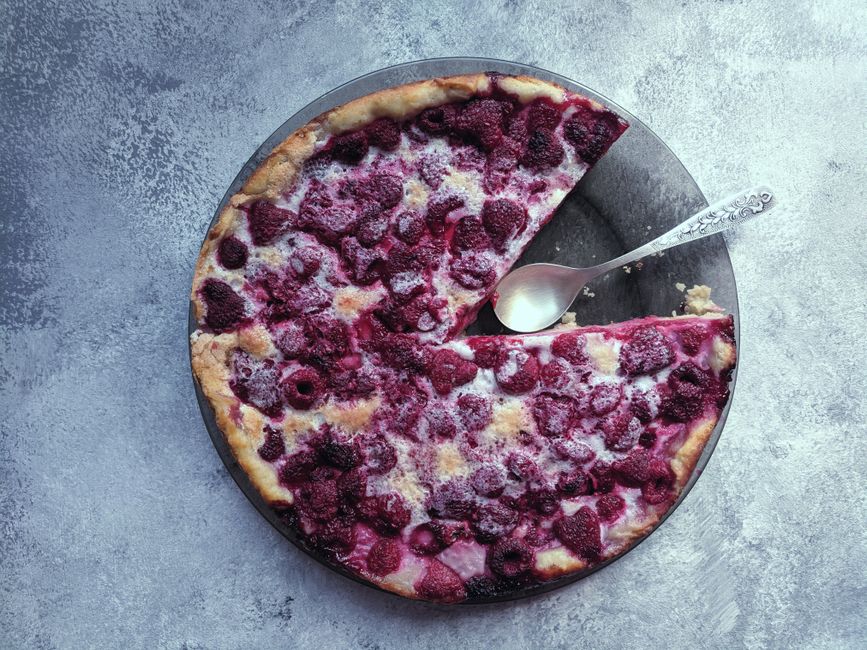
Ricotta Raspberry Pie: A Delectable Exploration of Flavor, Texture, and Baking Techniques
Ricotta raspberry pie, a delightful fusion of creamy, subtly sweet ricotta cheese and the vibrant, tart burst of fresh raspberries, stands as a testament to simple ingredients transformed into an elegant dessert. This pie, often overlooked in favor of more ostentatious creations, offers a nuanced flavor profile that appeals to a sophisticated palate. The inherent richness of ricotta, a soft, Italian whey cheese, provides a silken, almost custardy base, which is beautifully counterpointed by the sharp, juicy tang of raspberries. This dynamic pairing creates a balanced sweetness that avoids being cloying, making each bite a complex and satisfying experience.
The foundation of a successful ricotta raspberry pie lies in the quality of its components. High-quality, whole-milk ricotta is paramount. Its higher fat content contributes to a smoother, creamier texture, preventing a grainy or watery filling. The raspberries, whether fresh or frozen, should possess a bright, distinct flavor. Overripe or bland berries will diminish the tartness that is so crucial to balancing the richness of the ricotta. The pie crust, whether homemade or store-bought, must be flaky and sturdy enough to hold the substantial filling without becoming soggy. A blind-baked crust is often recommended to ensure optimal crispness.
The preparation of the ricotta filling typically involves combining ricotta cheese with sugar, eggs, and flavorings. The sugar content needs to be carefully calibrated. Too little, and the filling will be bland; too much, and it will overpower the delicate flavors of the ricotta and raspberries. Eggs act as a binder, setting the filling and giving it a smooth, cohesive texture. Vanilla extract is a common addition, enhancing the sweetness and adding a warm, aromatic undertone. Some recipes incorporate a touch of lemon zest or juice, which further brightens the flavors and cuts through the richness of the cheese. The key to a superior filling is to avoid overmixing, which can introduce too much air and lead to a soufflé-like texture rather than the desired dense creaminess.
The integration of raspberries into the ricotta filling can be approached in several ways, each yielding distinct results. Whole raspberries can be gently folded into the filling, creating pockets of intense fruit flavor and bursts of juice when bitten into. Alternatively, raspberries can be lightly mashed or pureed before being incorporated, distributing their flavor more evenly throughout the filling and lending a beautiful pink hue. For a more intense raspberry essence and a smoother texture, a raspberry coulis or jam can be swirled into the ricotta mixture. This technique creates visual appeal and ensures a consistent flavor throughout.
Baking a ricotta raspberry pie requires attention to temperature and timing. A moderately hot oven, typically around 350-375°F (175-190°C), is generally employed. The pie is usually baked until the filling is set but still has a slight wobble in the center. Overbaking can lead to a dry, rubbery filling and a cracked surface. Conversely, underbaking will result in a runny interior. A visual cue is when the edges of the filling appear set, and a toothpick inserted near the center comes out mostly clean, with perhaps a few moist crumbs attached. Resting the pie after baking is crucial for the filling to fully set and for the flavors to meld. Allowing it to cool completely on a wire rack, and then chilling it in the refrigerator for several hours, is the ideal scenario for achieving the perfect texture and flavor.
Variations on the classic ricotta raspberry pie abound, catering to different preferences and skill levels. A no-bake ricotta raspberry pie offers a quicker, simpler alternative, often relying on whipped cream or cream cheese to achieve a firm set. This version typically uses a cookie crumb crust, such as graham cracker or digestive biscuit, and the filling is chilled until firm. Another popular variation involves incorporating a layer of raspberry jam or preserves at the bottom of the pie crust before adding the ricotta filling. This adds an extra layer of intense raspberry flavor and a slightly different textural contrast. Some bakers opt for a lattice crust or a decorative top crust, enhancing the visual appeal of the pie.
The culinary history of ricotta cheese, native to Italy, lends itself naturally to dessert applications. Its mild flavor profile makes it an excellent canvas for a variety of fruits and sweeteners. The pairing with berries, particularly raspberries, is a time-honored tradition, celebrated for its ability to balance sweetness with tartness. The inclusion of eggs and sugar in ricotta-based desserts is a common practice, transforming the cheese into a rich, custard-like filling. The evolution of this dessert into a distinct "ricotta raspberry pie" is a testament to its enduring appeal and adaptability in various culinary contexts.
For those seeking to optimize their ricotta raspberry pie, several key considerations can elevate the final product. The sweetness of the ricotta itself can vary, so tasting the cheese before adding sugar is advisable. If the ricotta is particularly mild, a little more sugar might be needed. Conversely, if it has a natural sweetness, less sugar is appropriate. The acidity of the raspberries also plays a role. If using very tart raspberries, a touch more sugar in the filling might be beneficial. If the raspberries are exceptionally sweet, one might consider reducing the sugar slightly. The type of sweetener used can also influence the flavor profile. Granulated sugar is standard, but brown sugar can add a subtle caramel note, and honey or maple syrup, used judiciously, can introduce unique aromatic qualities.
The texture of the ricotta is perhaps the most critical element. To ensure a smooth, velvety filling, it is essential to drain any excess liquid from the ricotta. This can be achieved by placing the ricotta in a fine-mesh sieve lined with cheesecloth and allowing it to drain for at least an hour, or even overnight, in the refrigerator. Gently pressing out any remaining moisture will prevent a watery pie. Some recipes suggest passing the ricotta through a food mill or a fine-mesh sieve before using it to guarantee an exceptionally smooth texture.
The role of eggs in the filling extends beyond binding. They contribute to the richness and structure of the pie. While whole eggs are commonly used, some recipes might call for additional egg yolks for a richer, more custardy texture, or egg whites whipped to soft peaks and gently folded in for a lighter, airier consistency. The temperature of the eggs can also matter; room-temperature eggs tend to incorporate more smoothly into the ricotta mixture.
Flavor enhancements for ricotta raspberry pie are diverse. Beyond vanilla and lemon zest, other complementary flavors include almond extract, which pairs beautifully with both ricotta and raspberries, and a hint of orange zest for a brighter, more citrusy note. A pinch of salt is often overlooked but is crucial for balancing sweetness and enhancing the overall flavor profile of the filling. For an adult twist, a tablespoon or two of a complementary liqueur, such as Chambord (raspberry liqueur) or a light brandy, can add a sophisticated depth of flavor.
The raspberry component can be manipulated for textural interest. For a more uniform texture, the raspberries can be lightly crushed or pulsed in a food processor before being added to the filling. This will distribute their flavor more evenly and create a smoother, more homogenous filling. If a more pronounced raspberry presence is desired, consider making a separate raspberry swirl by pureeing a portion of the raspberries with a tablespoon of sugar and a squeeze of lemon juice, and then swirling this mixture into the ricotta filling just before baking. This creates beautiful visual patterns and bursts of intense raspberry flavor.
The crust is the often-unsung hero of any pie. For a ricotta raspberry pie, a buttery, flaky pastry crust is ideal. A classic Pâte Brisée (shortcrust pastry) is a popular choice. Ensuring the dough is not overworked and is kept cold during preparation are key to achieving flakiness. Blind baking the crust is highly recommended, especially for a wet filling like ricotta. This involves lining the unbaked crust with parchment paper, filling it with pie weights or dried beans, and baking it until lightly golden. This pre-bakes the bottom and sides of the crust, preventing it from becoming soggy during the final bake.
When assembling the pie, avoid overfilling the crust, as this can lead to spills during baking. A consistent layer of ricotta filling ensures even cooking. The placement of raspberries is also worth considering. If whole raspberries are used, gently nestling them into the ricotta mixture can prevent them from sinking to the bottom during baking.
The cooling and chilling process are not merely suggestions; they are essential steps for optimal texture and flavor. Allowing the pie to cool on a wire rack permits heat to escape, preventing condensation from forming and making the crust soggy. Refrigeration for at least four hours, and preferably overnight, allows the ricotta filling to fully set, firming up the texture and allowing the flavors to meld and deepen. This is particularly important for a no-bake version, which relies on chilling to achieve its set.
Serving ricotta raspberry pie is best done slightly chilled or at room temperature. It pairs wonderfully with a dollop of unsweetened whipped cream, a scoop of vanilla bean ice cream, or a light dusting of powdered sugar. The simplicity of the pie allows these accompaniments to enhance rather than overpower its delicate flavors.
For SEO purposes, incorporating relevant keywords throughout the article is crucial. Phrases like "ricotta raspberry pie recipe," "creamy ricotta pie," "easy raspberry dessert," "Italian-style pie," "fruit and cheese pie," "baked ricotta pie," and "no-bake ricotta pie" will attract users searching for these specific terms. The detailed exploration of ingredients, techniques, and variations also caters to users seeking in-depth information and solutions to common baking challenges. The inherent popularity of both ricotta and raspberries as dessert components ensures a broad search interest for this delectable combination. The article’s comprehensive nature, covering aspects from ingredient selection to serving suggestions, makes it a valuable resource for home bakers and culinary enthusiasts alike.

