
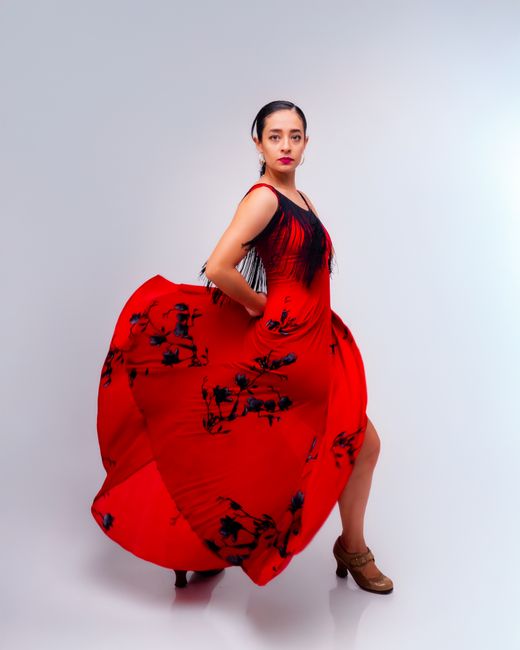
The Flamenco Dress: A Dynamic Evolution in Silhouette, Fabric, and Embellishment
The flamenco dress, a potent symbol of Spanish cultural identity and the passionate art form of flamenco, is far from a static garment. While its core elements – the fitted bodice, voluminous skirt, and ruffles (volantes) – remain recognizable, the flamenco dress is in a constant state of evolution, subtly and sometimes boldly reflecting the currents of global fashion trends. This evolution is driven by designers seeking to innovate, dancers demanding greater comfort and expressive potential, and a broader appreciation for the dress as a statement piece transcending its traditional performance context. Understanding this evolution requires examining changes in silhouette, fabric choices, and the embellishment techniques that define its aesthetic.
Silhouetting the Dancer: From Traditional to Contemporary Forms
Historically, the flamenco dress silhouette was dictated by the practical needs of dance and the prevailing aesthetic of its origins. The fitted bodice, often structured with boning, provided support and emphasized the torso, a crucial element in flamenco’s expressive arm and upper body movements. The voluminous skirt, characterized by cascading layers of ruffles, created visual drama as the dancer moved, exaggerating spins, kicks, and footwork. The quintessential "traje de flamenca" or "gitana" dress, particularly the style worn for fairs and festivals, typically featured a high neckline and long sleeves. However, contemporary interpretations have dramatically diversified this foundational silhouette.
One of the most apparent shifts is in the neckline. While high necklines still feature, designers are increasingly experimenting with plunging V-necks, off-the-shoulder styles, and even halter necks, offering a more modern and alluring aesthetic. Similarly, sleeve lengths are being reinterpreted. Sheer, diaphanous sleeves, sometimes adorned with delicate lace or embroidery, offer a lighter feel than the traditionally solid fabrics. Three-quarter length sleeves, cap sleeves, and even sleeveless designs are becoming more common, especially in warmer climates or for less formal interpretations. The hemline, too, has seen significant alteration. While the floor-length skirt remains dominant for traditional performances, shorter, knee-length, or even mini flamenco-inspired dresses are emerging, particularly for fusion performances, music videos, and as avant-garde fashion statements. The number and scale of ruffles are also subject to variation. Designers are playing with fewer, more architectural ruffles, or conversely, incredibly abundant, exaggerated volantes that create a dramatic, almost sculptural effect. The placement of these ruffles is also being explored, moving beyond the traditional hemline to adorn sleeves, bodices, and even creating entirely new ruffled structures. The concept of a "trained" skirt, once a hallmark of some styles, is also being revisited, with designers creating flowing trains that add an element of regal drama or a contemporary fluidity.
The rise of the "mermaid" silhouette, borrowed from bridal wear, has also influenced flamenco dress design. This style, fitted through the hips and flaring out dramatically at the knee or mid-calf, creates a striking visual contrast and allows for a different type of movement, emphasizing the lower body. Furthermore, the integration of elements from other cultural garments, such as the flowing sleeves of an Arabic caftan or the structured shoulders of a military jacket, are subtly woven into the flamenco dress’s form, demonstrating a cross-pollination of styles.
Fabric as Foundation: From Traditional Cotton to Modern Synthetics and Beyond
The choice of fabric is fundamental to the flamenco dress’s drape, movement, and overall aesthetic. Traditionally, natural fibers like cotton and sometimes silk were favored. Cotton provided breathability and a pleasing weight for the voluminous skirts, while silk offered a luxurious sheen. However, the demands of modern dance, the desire for enhanced visual effects, and the accessibility of new materials have led to a significant diversification in fabric selection.
Today, designers are embracing a wider spectrum of textiles. Stretch fabrics, including Lycra and elastane blends, are increasingly incorporated into the bodice and even the skirt panels. This provides dancers with unparalleled freedom of movement, allowing for more dynamic and athletic choreography without sacrificing the characteristic fitted silhouette. The comfort factor is paramount, and these modern materials offer a snug yet flexible fit. Sheer fabrics like organza, chiffon, and georgette are being used for overlays, sleeves, and even entire skirts. These materials create an ethereal, almost dreamlike quality, allowing light to play through the layers and adding a sense of lightness and transparency. The juxtaposition of opaque, structured bodice fabric with diaphanous skirt layers is a popular design trope.
Velvet, once reserved for more opulent or theatrical flamenco dresses, is now being integrated into contemporary designs, often in rich, jewel tones. Its luxurious texture and deep color saturation add a sophisticated dimension. Lace, a perennial favorite, continues to be employed in various forms, from delicate Chantilly lace for subtle accents to bold guipure lace for statement panels and overlays. The trend towards sustainability is also influencing fabric choices. Designers are exploring eco-friendly options like organic cotton, recycled polyester, and innovative plant-based textiles, demonstrating a growing awareness of environmental responsibility within the fashion industry. The use of metallic threads woven into fabrics or applied as embellishments is also a significant trend, adding a dazzling shimmer that catches the light and enhances the visual impact during performances. The interplay between matte and shiny fabrics is another area of exploration, creating depth and visual interest within a single garment.
Embellishment as Expression: From Traditional Trim to Contemporary Artistry
Embellishment has always been a defining characteristic of the flamenco dress, adding visual richness and reinforcing its cultural narrative. However, the types and applications of embellishments are evolving, reflecting contemporary design sensibilities and technological advancements.
Traditional embellishments include macramé lace, fringe, braids, and contrasting fabric trims, often applied to the edges of ruffles and along seams. These elements continue to be important, but their scale, placement, and integration are being reimagined. Beading and sequins, once used sparingly, are now often employed in more elaborate and intricate patterns. Designers are creating elaborate beaded bodices that mimic the effect of embroidery, or cascading sequin embellishments that shimmer with every movement. The application of embroidery itself is seeing a resurgence and innovation. While traditional floral motifs remain popular, contemporary designs incorporate abstract patterns, geometric shapes, and even photographic imagery rendered in thread. Machine embroidery allows for precision and complexity, while hand embroidery offers a unique artisanal touch.
The use of appliqués, where fabric shapes are layered onto the base material, is another area of creative exploration. These can range from delicate floral cutouts to bold, graphic elements. The trend towards artisanal craftsmanship is also evident in the resurgence of intricate hand-painted details and custom-dyed fabrics that create unique color gradients and patterns. The integration of non-traditional embellishments, such as metal hardware, leather accents, or even elements of costume jewelry, is pushing the boundaries of what constitutes a flamenco dress. The concept of "less is more" is also being explored, with some designers opting for a single, dramatic embellishment, such as a large, sculpted ruffle or a strategically placed panel of intricate lace, rather than an overall abundance of decoration. The use of three-dimensional embellishments, such as sculpted fabric flowers or intricately folded fabric elements, adds another layer of texture and visual intrigue. Reflective materials and optical illusions are also being explored, creating dynamic visual effects as the dancer moves.
The influence of haute couture techniques, such as intricate pleating, ruching, and fabric manipulation, is also being seen in flamenco dress design. These techniques add a sophisticated textural quality and a sense of bespoke artistry. Furthermore, the increasing prevalence of digital design and printing allows for incredibly detailed and personalized embellishments, enabling designers to create unique patterns and motifs that were previously impossible to achieve. The emphasis on individuality and self-expression in contemporary fashion is leading to a greater desire for personalized embellishments that reflect the dancer’s personality and the specific narrative of their performance.
The flamenco dress, therefore, is not a relic of the past but a vibrant, evolving entity. Its evolution reflects not only changes in the art of flamenco itself but also the broader landscape of global fashion, where innovation, comfort, and individual expression are increasingly valued. This dynamic interplay between tradition and modernity ensures that the flamenco dress will continue to captivate and inspire for generations to come, adapting and transforming while retaining its powerful cultural resonance. The exploration of sustainability, the integration of digital design, and the continuous push for new material applications all point towards a future where the flamenco dress will be more versatile, expressive, and globally relevant than ever before. The concept of the flamenco dress as a canvas for artistic expression, transcending its purely functional origins, is a testament to its enduring appeal and its capacity for reinvention.

