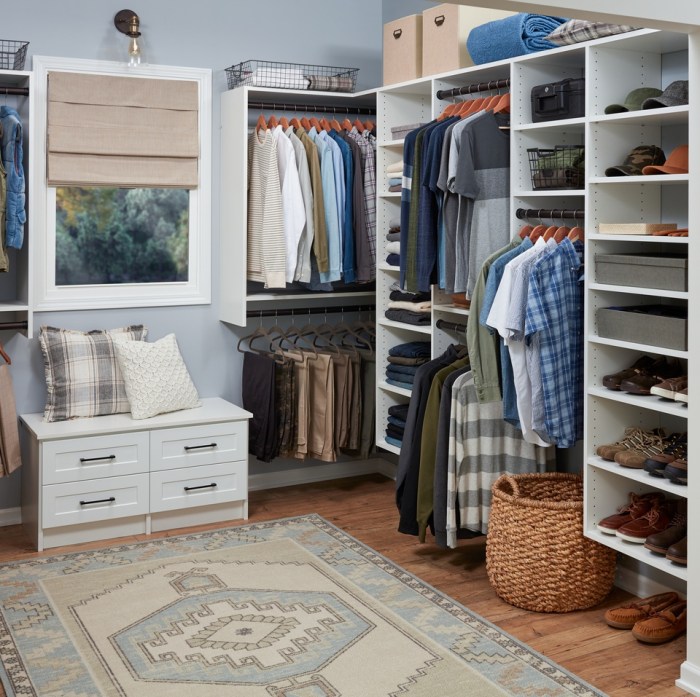

Transforming Your Store-Bought Closet System: A Comprehensive Guide to Customization
Store-bought closet systems offer a fantastic starting point for organizing your belongings, but their generic nature often leaves room for improvement. Whether you’ve purchased a basic wire shelving unit, a modular melamine system, or a more elaborate pre-fabricated closet organizer, customization is the key to unlocking its full potential and tailoring it to your specific needs and aesthetic. This guide will walk you through the essential steps and creative ideas for personalizing your store-bought closet system, maximizing both functionality and style.
Assessing Your Needs and Existing System:
Before any modifications begin, a thorough assessment of your current closet system and your organizational requirements is paramount.
- Inventory Your Belongings: What do you store? How much of each item do you have? Categorize your items by type (clothing, shoes, accessories, linens, miscellaneous) and frequency of use. This inventory will inform the types and placement of storage solutions you need.
- Measure Everything: Accurately measure the interior dimensions of your closet – height, width, and depth. Note the location and size of any existing shelves, hanging rods, or structural elements. Measure your belongings as well, especially bulky items like coats or large handbags.
- Identify Pain Points: What are the current frustrations with your closet system? Are there dead spaces? Is there not enough hanging space? Are smaller items getting lost? Are you struggling to access certain items? Pinpointing these issues will guide your customization efforts.
- Evaluate the Existing System’s Material and Construction: Understand what you’re working with. Is it particleboard, MDF, metal, or wire? This will determine the types of tools and adhesives you can use and the weight capacity you can expect for added elements.
Enhancing Functionality: Practical Modifications:
The most impactful customizations focus on improving how your closet serves its primary purpose: storage.
-
Adding Shelving: Most store-bought systems offer basic shelving. You can significantly improve this by:
- Adding More Shelves: If your system has large vertical gaps, you can easily add more shelves. Measure the spacing between existing uprights and cut melamine or plywood to size. Use shelf pins or brackets for support. For wire systems, specialized add-on shelves are available.
- Adjustable Shelving: If your system isn’t already adjustable, consider retrofitting it. This involves drilling holes at desired intervals in the side panels and using shelf pins. This provides unparalleled flexibility as your needs change.
- Dividing Existing Shelves: For deep shelves, consider adding dividers to create smaller compartments for folded items, accessories, or shoes. This prevents items from toppling over and maximizes usable space.
- Floating Shelves: For a more modern aesthetic and to add decorative storage, install floating shelves above existing units. These are mounted directly to the wall and give the illusion of being suspended.
-
Optimizing Hanging Space:
- Adding or Relocating Hanging Rods: If your system lacks sufficient hanging space, add a second rod below an existing one (double hanging) for shirts, blouses, and folded pants. Ensure you have adequate clearance for garments. Consider varying rod heights for different clothing types.
- Specialty Hangers: Invest in slimline velvet hangers to maximize rod space and prevent clothes from slipping. For ties, belts, or scarves, consider specialized hanging organizers.
- Extending Rods: If you have a deep closet and a shorter rod, consider extending it to utilize the full depth, especially for long coats or dresses. This might involve adding a support bracket in the middle.
-
Drawer and Bin Integration:
- Adding Drawers: Many systems can be adapted to include drawers. You can purchase pre-made drawer units that fit within existing cubbies or build your own custom drawers. Ensure the runners are compatible with your chosen material.
- Utilizing Bins and Baskets: This is a simple yet highly effective customization. Use fabric bins, woven baskets, or clear plastic containers to corral smaller items, accessories, shoes, or seasonal clothing. Label them clearly for easy identification. These can sit on shelves or within open cubbies.
-
Maximizing Vertical Space:
- Over-the-Door Organizers: These are excellent for shoes, accessories, cleaning supplies, or toiletries, freeing up valuable shelf and floor space.
- Wall-Mounted Accessories: Install hooks, pegboards, or wall-mounted racks on any available wall space within the closet for belts, bags, hats, or even cleaning tools.
Enhancing Aesthetics: Personalizing the Look and Feel:
Beyond pure functionality, customizing your closet system can elevate its appearance and make your space more enjoyable.
-
Painting or Refinishing:
- Melamine or Particleboard: If your system is made of these materials, a fresh coat of paint can dramatically transform its look. Light colors can make a small closet feel larger and brighter. Consider a durable semi-gloss or satin finish for easier cleaning. For a more sophisticated look, consider a high-gloss finish.
- Wood Systems: Sand and refinish existing wooden components to a color or stain that complements your decor. You can also opt for a bold, unexpected color for a statement piece.
- Consider Accent Colors: Paint the back of the closet or the inside of specific cubbies with an accent color for visual interest.
-
Contact Paper or Wallpaper:
- Shelf Liners: Cover shelves with decorative contact paper or wallpaper to add pattern, texture, or a pop of color. This is a less permanent and easier-to-clean option than painting.
- Backsplash Effect: Apply contact paper to the back wall of open shelving units for a decorative backsplash effect.
-
Hardware Upgrades:
- Drawer Pulls and Knobs: If your system includes drawers or doors, replacing the standard hardware with more stylish pulls or knobs can instantly upgrade its appearance. Choose materials and styles that match your overall decor.
- Hanging Rod Finishes: If you’re adding new hanging rods, consider finishes like brushed nickel, matte black, or antique brass to enhance the aesthetic.
-
Lighting Integration:
- LED Strip Lights: Install adhesive LED strip lights under shelves or along the edges of your closet system. This provides excellent visibility, makes it easier to find items, and creates a more sophisticated ambiance. Battery-powered options are readily available for closets without an accessible power source.
- Puck Lights: Small, battery-operated puck lights can be strategically placed within shelves or cubbies for targeted illumination.
-
Mirror Integration:
- Full-Length Mirror: A full-length mirror mounted on the inside of the closet door or a wall panel can be both functional and make the space feel larger and brighter.
- Decorative Mirrors: Smaller decorative mirrors can be incorporated into the design for added visual appeal and to reflect light.
Advanced Customizations and DIY Projects:
For those looking to go the extra mile, several more involved customizations can create a truly bespoke closet.
- Building Custom Sections: If you’re comfortable with basic woodworking, you can build custom sections like dedicated shoe cubbies, jewelry drawers, or even a small vanity area within a larger closet.
- Integrating Built-in Features: For a truly seamless look, consider building in features like a pull-out ironing board, a laundry hamper, or a sliding tie/belt rack.
- Modifying Existing Components: If you have a particular need, don’t be afraid to modify existing components. For example, you could cut down a shelf to create a specific size cubby or reconfigure a drawer unit.
- Adding Doors or Doors: If your system is open shelving, consider adding doors or a curtain to conceal items and create a cleaner look. You can use sliding doors, bifold doors, or even fabric curtains.
Tools and Materials You Might Need:
- Measuring Tape: Essential for all measurements.
- Level: To ensure shelves and rods are installed straight.
- Screwdriver Set: For assembling or disassembling components.
- Drill and Drill Bits: For creating holes for shelf pins, screws, and mounting brackets.
- Saw (Circular Saw or Hand Saw): For cutting materials like melamine or wood.
- Utility Knife: For cutting contact paper or thin materials.
- Sandpaper: For preparing surfaces for painting or refinishing.
- Paint Brushes and Rollers: For painting.
- Adhesives (Wood Glue, Construction Adhesive): For securing components.
- Shelf Pins and Brackets: For supporting shelves.
- Hanging Rods and Brackets: For clothing storage.
- Screws and Anchors: For securing components to the wall.
- Contact Paper, Wallpaper, Paint: For aesthetic enhancements.
- Hardware (Knobs, Pulls): For drawers and doors.
- Lighting Fixtures (LED strips, puck lights): For illumination.
Tips for a Successful Customization Project:
- Plan Thoroughly: Before you start cutting or drilling, create a detailed plan, including sketches and measurements.
- Prioritize Functionality: While aesthetics are important, ensure your customizations address your primary organizational needs.
- Test Fit Everything: Before permanently attaching anything, test fit your components to ensure they align and fit correctly.
- Safety First: Wear safety glasses when drilling or cutting. Ensure any added weight is properly supported to prevent collapse.
- Start Small: If you’re new to DIY, begin with simpler customizations like adding shelves or bins before tackling more complex projects.
- Don’t Be Afraid to Experiment: Closet customization is an iterative process. You can always make adjustments as you go.
- Consider Your Budget: Determine how much you’re willing to spend on materials and tools. Many effective customizations can be achieved on a budget.
- Clean as You Go: Keep your workspace tidy to prevent accidents and to ensure you can easily find the tools and materials you need.
By investing a little time and effort into customizing your store-bought closet system, you can transform it from a generic storage solution into a highly functional, personalized, and aesthetically pleasing space that perfectly suits your lifestyle and organizational requirements.

