
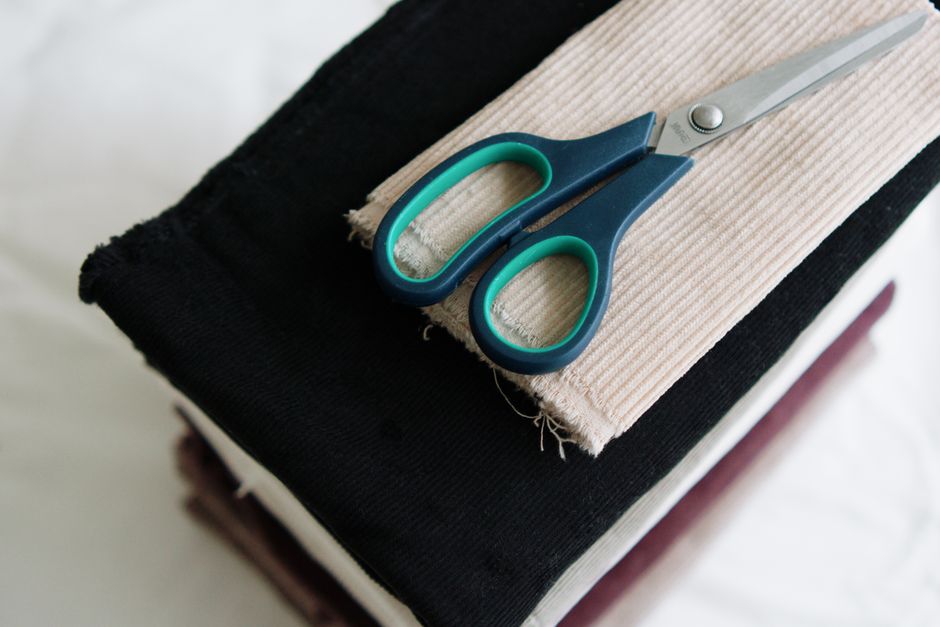
Sew Your Own Leggings: A Comprehensive Guide to DIY Athletic and Loungewear Pants
Creating your own leggings offers unparalleled control over fabric choice, fit, and design, making them perfect for activewear, casual wear, or even a stylish layering piece. This guide provides a detailed, step-by-step process, covering everything from selecting materials to achieving a professional finish. Understanding basic sewing terminology and having access to a sewing machine, serger (optional but recommended for knits), pins, scissors, and a measuring tape are prerequisites.
Choosing the Right Fabric for Your Leggings
The success of your homemade leggings hinges on selecting appropriate fabric. For athletic leggings, prioritize stretch, moisture-wicking properties, and opacity. Polyester and nylon blends with spandex (Lycra or elastane) are standard. Look for fabrics with at least 50% stretch in both the lengthwise and crosswise directions. A weight of 6-10 ounces per linear yard is generally suitable, providing enough substance without being overly restrictive. For loungewear or more casual leggings, softer knits like cotton-spandex jersey, bamboo knit, or modal knit are excellent choices. These offer comfort and drape but may have less structural integrity for high-impact activities. Always pre-wash your chosen fabric according to the manufacturer’s instructions to account for any shrinkage.
Essential Pattern Selection and Preparation
Numerous legging patterns are available online, both free and paid. Consider your desired fit: tight and compressive, or more relaxed. Many patterns offer variations in waistband height and inseam length. Download and print your pattern, ensuring it’s scaled correctly. A common mistake is not printing at 100% or "actual size." Lay out pattern pieces on a flat surface and use pattern weights or masking tape to secure them while you make adjustments.
Taking Accurate Measurements for a Perfect Fit
Precise measurements are crucial for a well-fitting garment. You’ll need to measure:
- Waist: Measure around the narrowest part of your natural waist.
- Hips: Measure around the fullest part of your hips and rear.
- Inseam: Measure from the crotch point down to your desired hemline. This is typically along the inside of your leg.
- Outseam: Measure from your natural waistline down to your desired hemline along the outside of your leg.
- Thigh: Measure around the fullest part of your thigh.
- Calf: Measure around the fullest part of your calf.
Compare these measurements to the pattern’s size chart. Most patterns have grading, allowing you to blend sizes if your measurements fall between categories. For instance, you might have a larger hip size and a smaller waist size.
Pattern Adjustments: Customizing for Your Body
- Length Adjustments: If your inseam or outseam measurements differ significantly from the pattern, you’ll need to adjust the length. Add or subtract fabric equally from the hem and the thigh or calf area to maintain proportional balance. For example, to lengthen the pattern by 1 inch, add 0.5 inches to the hem and 0.5 inches to the thigh area.
- Full and Small Seat Adjustments: If you have a more pronounced curve in your seat, you might need a full seat adjustment. This involves adding a wedge of fabric at the crotch curve of the back pattern piece. Conversely, a small seat adjustment requires removing fabric. Tutorials for these specific adjustments are readily available online and often illustrated within pattern instructions.
- Waistband Adjustments: For a snugger or looser waistband, you can adjust the width of the waistband piece or the length of the waistband casing.
Cutting Your Fabric: Precision is Key
Lay your pre-washed fabric flat, ensuring the selvages are aligned and there are no wrinkles. Place your pattern pieces on the fabric according to the grainline indicated on each piece. The grainline is a long arrow on the pattern that should be parallel to the fabric’s selvage edge. This ensures the fabric stretches appropriately and prevents twisting. Pin the pattern pieces securely to the fabric.
Using sharp fabric scissors or a rotary cutter and mat, carefully cut around the pattern pieces. It’s recommended to cut on a single layer of fabric if possible, especially with slippery or stretchy materials, to ensure accuracy. If cutting on a double layer, make sure the edges are perfectly aligned. Pay close attention to notches and markings on the pattern; these are vital for aligning pieces during construction.
Understanding Seam Finishes for Knit Fabrics
Knit fabrics require specific sewing techniques to accommodate their stretch.
- Serger (Overlocker): A serger is ideal for sewing knit fabrics. It simultaneously trims the seam allowance, stitches the seam, and overcasts the raw edge, creating a durable and stretchy finish. Use a three- or four-thread overlock stitch.
- Sewing Machine with a Stretch Stitch: If you don’t have a serger, your sewing machine can still produce excellent results. Utilize a stretch stitch, such as a zigzag stitch (set to a narrow width and medium length), a twin needle stitch, or a proprietary stretch stitch like the Lightning Stitch or Wave Stitch. A straight stitch will likely pop when the fabric is stretched.
- Seam Allowance: Most knit patterns specify a seam allowance of 3/8 inch (1 cm) or 1/2 inch (1.25 cm). Ensure you maintain this consistent seam allowance throughout.
Step-by-Step Construction of Your Leggings
-
Prepare the Front and Back Leg Pieces: If your pattern has separate pieces for the front and back legs, begin by sewing the inseam of each leg. Place the front leg piece right sides together with the back leg piece, aligning the curved inseam. Sew along the inseam using your chosen stitch for knits. Repeat for the other leg.
-
Sew the Crotch Seam: With the legs still right sides out, place one leg inside the other. Align the crotch seams (the curved seam at the top of the legs), ensuring the inseams meet perfectly. Pin securely. Sew along the entire crotch seam, continuing up to meet the waistband. This is a crucial seam, so reinforce it if desired by sewing over it a second time or using a stronger stitch.
-
Attach the Waistband:
- Fold-Over Waistband (Elastic Casing): If your pattern includes a separate waistband piece that folds over, you will typically create a casing for elastic. Fold the waistband piece in half lengthwise, right sides facing. Sew the short ends of the waistband together to form a loop. With the leggings right sides out, align the raw edge of the waistband with the raw top edge of the leggings. Pin the waistband to the leggings, easing it to fit. Sew along the raw edge. Then, fold the waistband down towards the inside of the leggings. Press the seam allowance up towards the waistband. Stitch close to the folded edge of the waistband, leaving a small opening for inserting elastic. Insert your elastic, stitch the ends together, and then stitch the opening closed.
- Fitted Waistband: Some patterns have a waistband that is sewn directly to the leggings. Align the raw edge of the waistband to the raw top edge of the leggings, right sides together. Sew around the entire circumference. Finish the top raw edge of the waistband using a serger or a zigzag stitch.
-
Hem the Leggings: Try on your leggings to determine the desired hem length. Fold the raw edge of each leg opening up twice (creating a double hem) to enclose the raw edge. The first fold should be approximately 1/4 inch (0.6 cm), and the second fold should be wide enough to encompass the raw edge and create your desired hem width. Pin in place.
-
Hemming Techniques:
- Twin Needle: This is an excellent choice for a professional-looking hem on knits. Install a twin needle in your sewing machine and use a straight stitch for the top thread. The bobbin thread will form a zigzag stitch on the underside, allowing for stretch.
- Coverstitch Machine: If you have a coverstitch machine, this is the ideal tool for a retail-quality hem.
- Double Fold Hem with Zigzag Stitch: If using a regular sewing machine, use a narrow zigzag stitch to secure the hem. Sew close to the folded edge.
-
Final Touches: Trim any loose threads. Press your seams gently if your fabric allows (some knits don’t require extensive pressing).
Adding Pockets and Other Embellishments
- In-Seam Pockets: These are a popular addition. Cut out your pocket pieces and carefully insert them into the inseam or side seams of your leggings during the construction phase, following your pattern’s instructions or general pocket-sewing techniques for knits.
- Contrast Panels or Piping: Introduce different colored fabrics or decorative piping along seams for visual interest.
- Reflective Elements: For athletic leggings, consider adding reflective tape or accents for increased visibility.
Troubleshooting Common Legging Sewing Issues
- Wavy Seams: This is often due to overstretching the fabric as you sew. Ensure consistent tension and feed on your sewing machine or serger. Avoid pulling the fabric; let the machine do the work.
- Skipped Stitches: This can be caused by a dull needle, incorrect needle type (use a ballpoint or stretch needle for knits), or improper tension.
- Fabric Curling at the Edge: This is common with some knit fabrics. A serger with proper differential feed settings can help. You can also try stabilizing the edge with a lightweight interfacing or a fusible knit tape before hemming.
- Leggings Twisting: This indicates an issue with the grainline. Ensure you cut your pattern pieces with the grainline parallel to the fabric’s selvage.
Care and Maintenance of Your Handmade Leggings
To ensure the longevity of your custom leggings, follow these care instructions:
- Washing: Machine wash on a gentle cycle with cold water. Avoid using fabric softeners, as they can degrade the elasticity of the fabric over time. Wash with similar colors.
- Drying: Tumble dry on low heat or, preferably, lay flat to dry. High heat can damage the spandex fibers.
- Ironing: If ironing is necessary, use a low heat setting and test on an inconspicuous area first. Avoid prolonged direct heat, which can melt synthetic fibers.
Conclusion
Sewing your own leggings is a rewarding project that allows for complete customization. By understanding fabric selection, pattern adjustments, and appropriate sewing techniques for knits, you can create high-quality, perfectly fitting leggings that rival any store-bought version. This comprehensive guide provides the foundational knowledge to embark on your DIY legging journey, empowering you to craft both functional activewear and comfortable loungewear.

