
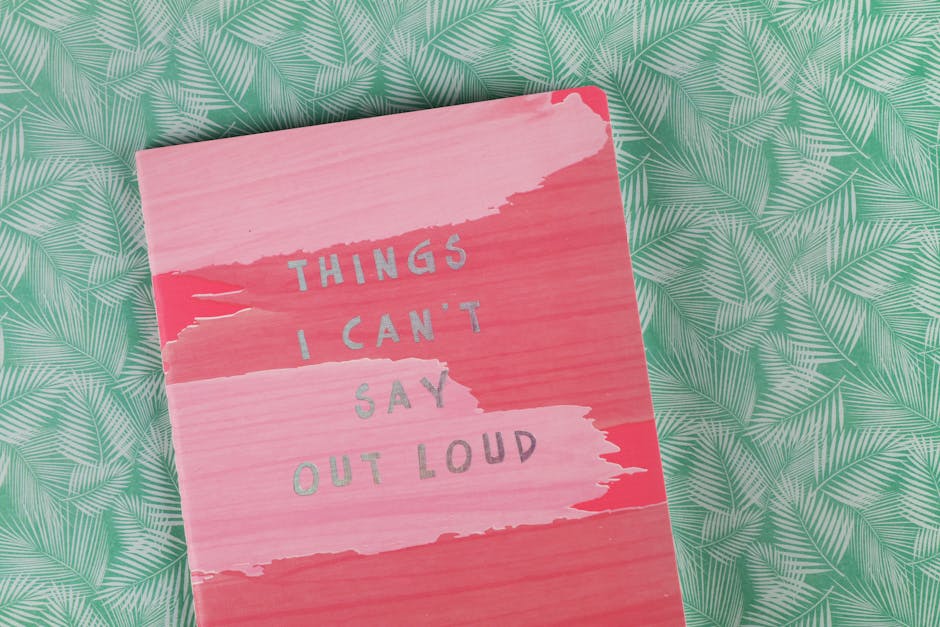
I Like Boring Things Print: Embracing the Quiet Charm of the Mundane
The phrase "I like boring things" often elicits a raised eyebrow, a polite chuckle, or even a touch of pity. In a world obsessed with constant stimulation, novelty, and the pursuit of excitement, admitting to finding joy in the mundane can feel almost counter-cultural. However, a growing movement, often expressed through merchandise and art labeled "I Like Boring Things Print," celebrates this quiet appreciation for the ordinary. This isn’t about a lack of imagination or a deficiency in personality; rather, it’s a deliberate and often profound embrace of the subtle beauty, inherent peace, and deep satisfaction found in things that don’t demand immediate attention. This article delves into the philosophy behind "I Like Boring Things Print," exploring its appeal, its various manifestations, and its significance in a hyper-stimulated society.
The appeal of "I Like Boring Things Print" stems from a multifaceted desire. At its core, it’s a rejection of the performative nature of modern life. Social media, advertising, and even everyday conversations often encourage us to present an exciting, dynamic, and perpetually engaged persona. The pressure to be always "on," to have an endless stream of captivating experiences, can be exhausting. "I Like Boring Things Print" offers a gentle rebellion against this, an affirmation that it’s perfectly acceptable, even desirable, to find contentment in activities and aesthetics that others might deem uneventful. This includes a love for routines, for familiar comforts, for the predictable rhythm of daily life. It’s about finding solace in the absence of drama, in the quiet hum of the ordinary.
The "print" aspect of "I Like Boring Things Print" is significant. It signifies a tangible expression of this philosophy, translating an internal feeling into external, visible items. These prints can take many forms: minimalist wall art featuring simple geometric shapes or serene landscapes, t-shirts or tote bags with understated text, stationery adorned with subtle patterns, or even decorative objects that prioritize functionality and clean lines over ostentation. The aesthetic of these prints often mirrors the sentiment they convey. Think muted color palettes, clean typography, uncluttered compositions, and an emphasis on natural materials or textures. There’s a deliberate avoidance of anything garish, overwhelming, or overtly attention-seeking. The print itself becomes a quiet statement, a signal to like-minded individuals and a gentle reminder to oneself.
Exploring specific categories where "I Like Boring Things Print" thrives reveals its diverse applications. In home decor, this translates to a preference for neutral tones, natural materials like wood and linen, and furniture that prioritizes comfort and practicality over trendiness. Imagine a living room with soft, earth-toned furnishings, a collection of well-loved books, and perhaps a single, beautifully crafted ceramic vase. The "I Like Boring Things Print" in this context would be a subtle piece of art depicting an everyday object with an almost meditative focus, or a throw pillow with a simple, repeating pattern. It’s about creating a sanctuary of calm, a space that soothes rather than stimulates.
Fashion is another prominent area. "I Like Boring Things Print" in clothing often manifests as a love for classic silhouettes, high-quality basics, and a wardrobe built on versatility and comfort. Think well-fitting neutral-colored t-shirts, comfortable jeans, simple cardigans, and sturdy, reliable footwear. The "print" here might be a subtle embroidered logo, a small graphic that evokes a sense of quiet appreciation, or even just the inherent beauty of a well-made, unembellished garment. It’s about looking put-together without trying too hard, about expressing personal style through understated elegance and an appreciation for enduring quality.
The rise of "I Like Boring Things Print" can also be understood as a response to the over-saturation of visual information in the digital age. We are bombarded with images, advertisements, and notifications constantly. The constant influx of novel stimuli can lead to a form of sensory fatigue. "I Like Boring Things Print" offers an antidote, a deliberate choice to curate one’s visual environment with elements that are calming and grounding. This could involve opting for a minimalist phone wallpaper, choosing to follow social media accounts that feature serene imagery, or selecting books with simple, elegant covers. The print itself serves as a visual anchor, a small pocket of peace in a chaotic world.
Furthermore, the philosophy behind "I Like Boring Things Print" often intersects with mindfulness and intentional living. By embracing the "boring," individuals are encouraged to be more present in their everyday experiences. Instead of constantly seeking the next big thrill, they learn to appreciate the subtle joys of a quiet morning, the satisfaction of completing a routine task, or the comfort of familiar surroundings. The print becomes a reminder to slow down, to observe, and to find beauty in the often-overlooked details of life. It’s about cultivating a deeper connection with oneself and with the present moment.
The economic implications of "I Like Boring Things Print" are also noteworthy. In a consumer culture that thrives on novelty and rapid obsolescence, this trend champions longevity and enduring value. Products associated with "I Like Boring Things Print" often prioritize quality craftsmanship and timeless design. This appeals to consumers who are looking to invest in pieces that will last, rather than constantly chasing fleeting trends. It’s a conscious choice to move away from fast fashion and disposable goods towards items that hold their appeal and their functionality over time. The "print" in this context is not just decorative; it’s a symbol of thoughtful consumption.
The "boring" in "I Like Boring Things Print" is not a pejorative term; it’s a reclaimed and recontextualized descriptor. It represents a conscious decision to prioritize peace, consistency, and understated beauty over constant excitement and superficial stimulation. It’s about finding a quiet joy in the familiar, in the predictable, and in the simple elegance of everyday objects and experiences. This philosophy resonates with individuals who are seeking a more authentic and grounded way of living, and the "print" serves as a tangible expression of this internal shift.
The search term "I Like Boring Things Print" itself suggests a growing audience actively seeking out this specific aesthetic and philosophy. Online marketplaces and design platforms often feature curated collections of products that align with this sentiment. Keywords associated with this trend include: minimalist art, understated home decor, quiet aesthetics, slow living decor, simple graphic design, comfortable fashion, intentional living prints, mindfulness art, neutral color palette, classic style, timeless design, everyday objects art, and subtle statement pieces. By utilizing these keywords and variations, content creators and retailers can effectively reach individuals who resonate with the "I Like Boring Things Print" ethos.
The popularity of "I Like Boring Things Print" can also be seen as a form of escapism, albeit a gentle one. In a world that can feel overwhelming, the embrace of the mundane offers a refuge. It’s a way to create a personal bubble of calm, to surround oneself with elements that are predictable and reassuring. This is particularly appealing to those who experience anxiety or stress, as familiar routines and aesthetically pleasing, uncluttered environments can have a profoundly therapeutic effect. The print acts as a visual cue, a constant reminder of this chosen sanctuary.
Furthermore, the "I Like Boring Things Print" movement fosters a sense of community. While the individual appreciation for the mundane might seem solitary, the shared expression of this preference through prints and other merchandise creates a connection. It allows like-minded individuals to identify with each other, to find solace in knowing they are not alone in their quiet inclinations. This can manifest in online forums, social media groups, or even through the subtle recognition of shared aesthetic choices in public spaces.
In conclusion, "I Like Boring Things Print" is far more than a catchy phrase or a niche trend. It represents a profound philosophical shift, a deliberate embrace of the quiet charm and inherent beauty found in the mundane. It’s a rejection of hyper-stimulation, a celebration of intentional living, and a testament to the power of understated aesthetics. The "print" aspect signifies the tangible expression of this philosophy, offering products that resonate with a growing audience seeking peace, authenticity, and contentment in the ordinary. As society continues to grapple with the pressures of constant engagement, the appeal of "I Like Boring Things Print" is likely to grow, offering a much-needed balm for the overstimulated soul.

