
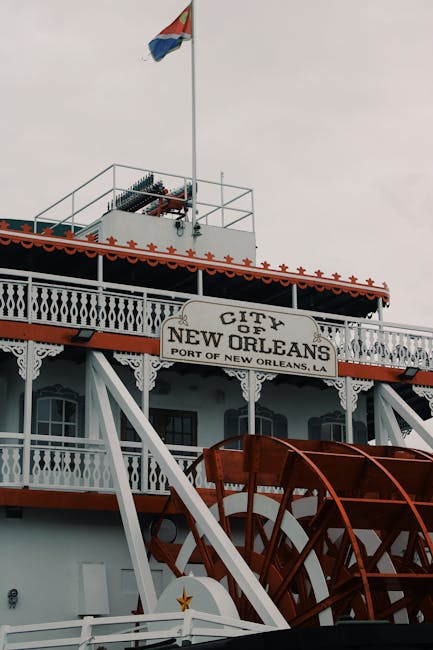
New Orleans Louisiana Travel Guide: Experiencing the Soul of the Crescent City
New Orleans, Louisiana, a city unlike any other in the United States, pulsates with a unique rhythm born from a rich tapestry of cultures. Its history, a captivating blend of French, Spanish, African, and Caribbean influences, has sculpted its vibrant soul, evident in its iconic architecture, legendary cuisine, and, of course, its irrepressible music scene. This comprehensive travel guide delves into the heart of the Crescent City, offering an insider’s look at its must-see attractions, culinary delights, musical havens, and practical tips for navigating this enchanting destination. Whether you’re drawn by the allure of Mardi Gras, the soulful strains of jazz, or the tantalizing flavors of Creole and Cajun cooking, New Orleans promises an unforgettable experience that will linger long after you depart.
The French Quarter, also known as the Vieux Carré, stands as the undisputed epicenter of New Orleans’ charm and historical significance. Established by the French in 1718, this iconic neighborhood transports visitors back in time with its wrought-iron balconies, colorful Creole cottages, and cobblestone streets. Bourbon Street, while undeniably lively and famous for its nightlife, is just one facet of this multifaceted district. Venture beyond its boisterous reputation to discover hidden courtyards, charming boutiques, and an array of historic buildings. Jackson Square, a central park adorned with majestic oak trees and punctuated by the imposing St. Louis Cathedral, serves as a vibrant gathering place. Street performers, artists selling their creations, and fortune tellers create a sensory spectacle. The St. Louis Cathedral, a beacon of Gothic Revival architecture, is a must-visit for its stunning interior and historical importance. Adjacent to the square are the historic Cabildo and Presbytère, former government buildings now housing fascinating museum exhibits detailing Louisiana’s rich past. Strolling through the French Quarter at dawn offers a peaceful perspective, allowing for appreciation of its architectural nuances before the crowds descend. Evening brings a different kind of magic, with the sounds of live music drifting from open doorways and the aroma of exquisite food filling the air. Numerous art galleries showcase the talent of local artists, and souvenir shops offer unique mementos of your visit. Don’t miss a walk down Royal Street, known for its antique shops and art galleries, offering a more refined browsing experience compared to the energetic pace of Bourbon Street.
Beyond the immediate confines of the French Quarter, New Orleans boasts a wealth of diverse neighborhoods, each with its own distinct character and allure. The Garden District, a testament to antebellum opulence, is renowned for its grand mansions, lush gardens, and tree-lined streets. Embark on a self-guided walking tour or join a guided excursion to admire the architectural masterpieces and learn about the influential families who once resided here. Lafayette Cemetery No. 1, one of the city’s oldest and most picturesque cemeteries, offers a glimpse into New Orleans’ unique burial traditions, with above-ground tombs reflecting the city’s high water table. The Marigny neighborhood, just east of the French Quarter, is the undisputed heart of live jazz music. Frenchmen Street, its main artery, is a mecca for musicians and music lovers, boasting a vibrant collection of clubs and bars where you can experience authentic New Orleans jazz, blues, and funk. The atmosphere on Frenchmen Street is electric, with artists performing on street corners and a palpable sense of community among patrons and musicians. Further afield, the Bywater neighborhood offers a bohemian vibe, characterized by its colorful cottages, vibrant street art, and burgeoning culinary scene. This area is a hub for artists and creatives, offering a more laid-back and alternative experience. The historic Tremé neighborhood, one of the oldest African-American neighborhoods in the United States, is steeped in musical history and cultural significance, serving as the birthplace of jazz. While often overlooked by mainstream tourism, Tremé offers a powerful and authentic glimpse into the city’s African American heritage and its profound impact on American music.
New Orleans’ culinary landscape is a gourmand’s paradise, a delicious fusion of French, Spanish, African, and Southern influences that defines its unique Creole and Cajun cuisines. No visit is complete without indulging in classic dishes like Gumbo, a rich and savory stew that varies widely in its ingredients but is always a comforting staple. Jambalaya, a flavorful rice dish, and Étouffée, a smothered seafood or chicken dish served over rice, are other essential culinary experiences. For a taste of classic New Orleans fare, Commander’s Palace in the Garden District offers an elegant fine-dining experience with impeccable service and a menu that celebrates regional specialties. Galatoire’s, a historic establishment on Bourbon Street, provides a more traditional and unpretentious Creole dining experience. For more casual yet equally delicious options, try a po’boy, a classic New Orleans sandwich filled with fried seafood, roast beef, or other meats, served on a French bread roll. Parkway Bakery & Tavern and Domilise’s are highly regarded for their po’boys. Beignets, a square piece of fried dough, generously dusted with powdered sugar, are a quintessential New Orleans treat. Café Du Monde, a beloved institution near Jackson Square, is the most famous spot for these sweet delights, but numerous other bakeries and cafes offer their own delicious versions. The city’s love for seafood is evident in its abundance of oyster bars and seafood restaurants. Acme Oyster House and Felix’s Restaurant & Oyster Bar are popular choices for fresh, raw oysters and other coastal delicacies. Exploring the city’s diverse food scene can be an adventure in itself, with hidden gems and local favorites waiting to be discovered in every neighborhood. Consider a food tour to gain deeper insights into the history and cultural significance of the city’s iconic dishes.
The soul of New Orleans beats to the rhythm of its music. Jazz, blues, funk, and zydeco are not just genres here; they are the very lifeblood of the city. While Frenchmen Street offers a concentrated dose of live music, various venues across the city cater to every musical taste. The historic Preservation Hall in the French Quarter is a legendary venue for traditional New Orleans jazz, offering an intimate and authentic experience. Tipitina’s, a beloved New Orleans institution, hosts a wide range of local and national artists, showcasing the city’s diverse musical talent. The Maple Leaf Bar is another popular spot for live music, particularly funk and blues. Beyond the dedicated music venues, spontaneous performances can erupt on street corners and in courtyards, adding to the city’s vibrant and unpredictable atmosphere. Don’t be surprised to stumble upon a brass band marching down the street, their infectious rhythms compelling you to join the impromptu parade. Mardi Gras, the city’s most famous celebration, is intrinsically linked to its musical heritage, with elaborate parades featuring marching bands and the iconic sounds of Mardi Gras Indians. The New Orleans Jazz & Heritage Festival, held annually in late spring, is a massive celebration of music and culture, attracting artists from around the globe and showcasing the best of New Orleans’ musical legacy. Even outside of festival season, the spirit of music permeates every aspect of New Orleans life, offering a constant soundtrack to your explorations. Consider attending a second line parade, a traditional New Orleans procession that is a joyous celebration of life, often accompanied by a brass band.
Exploring New Orleans extends beyond its culinary and musical offerings to a rich array of cultural attractions and historical sites. The National WWII Museum, consistently ranked among the top museums in the United States, provides an immersive and moving experience detailing the American experience in World War II. The New Orleans Museum of Art (NOMA), located in City Park, houses an impressive collection of art spanning various periods and cultures, with a notable emphasis on French and American art. Adjacent to NOMA is the Besthoff Sculpture Garden, an expansive outdoor space showcasing contemporary sculptures amidst lush greenery, offering a serene escape from the city’s bustle. The historic streetcar system, a charming and efficient mode of transportation, allows for easy access to various neighborhoods and offers a picturesque way to see the city. The St. Charles Avenue streetcar line, in particular, winds through some of the most beautiful residential streets, past grand oak trees and antebellum homes. The Jean Lafitte National Historical Park and Preserve offers opportunities to explore the unique ecosystems of the Louisiana bayous and wetlands, with ranger-led tours providing insights into the region’s natural and cultural history. Swamp tours are a popular way to experience the bayous, often encountering wildlife like alligators and diverse bird species. For a deeper understanding of the city’s complex history, consider visiting the Whitney Plantation, a museum dedicated to the history of slavery in Louisiana, offering a powerful and educational perspective.
Practical considerations are essential for a fulfilling New Orleans travel experience. The best time to visit depends on your preferences. Spring (March-May) and fall (September-November) offer pleasant temperatures and are ideal for outdoor activities and festivals. Summer (June-August) can be hot and humid, while winter (December-February) brings cooler temperatures and the world-renowned Mardi Gras celebrations, though lodging and flights can be significantly more expensive during this peak season. Getting around New Orleans is relatively easy. The French Quarter and surrounding areas are walkable, and the historic streetcar system provides an affordable and scenic way to navigate the city. Ride-sharing services and taxis are also readily available. For exploring further afield, renting a car might be beneficial, although parking in the French Quarter can be challenging and expensive. It’s advisable to book accommodations and popular tours in advance, especially during peak seasons. Be mindful of your surroundings, particularly in crowded areas, and exercise common sense precautions for personal safety. Embracing the local pace of life and being open to spontaneous encounters are key to truly experiencing the magic of New Orleans. Don’t hesitate to strike up conversations with locals; they are often the best source of insider tips and recommendations. The city’s unique charm lies in its ability to surprise and delight at every turn, so allow for flexibility in your itinerary and be ready to immerse yourself in its captivating atmosphere.

