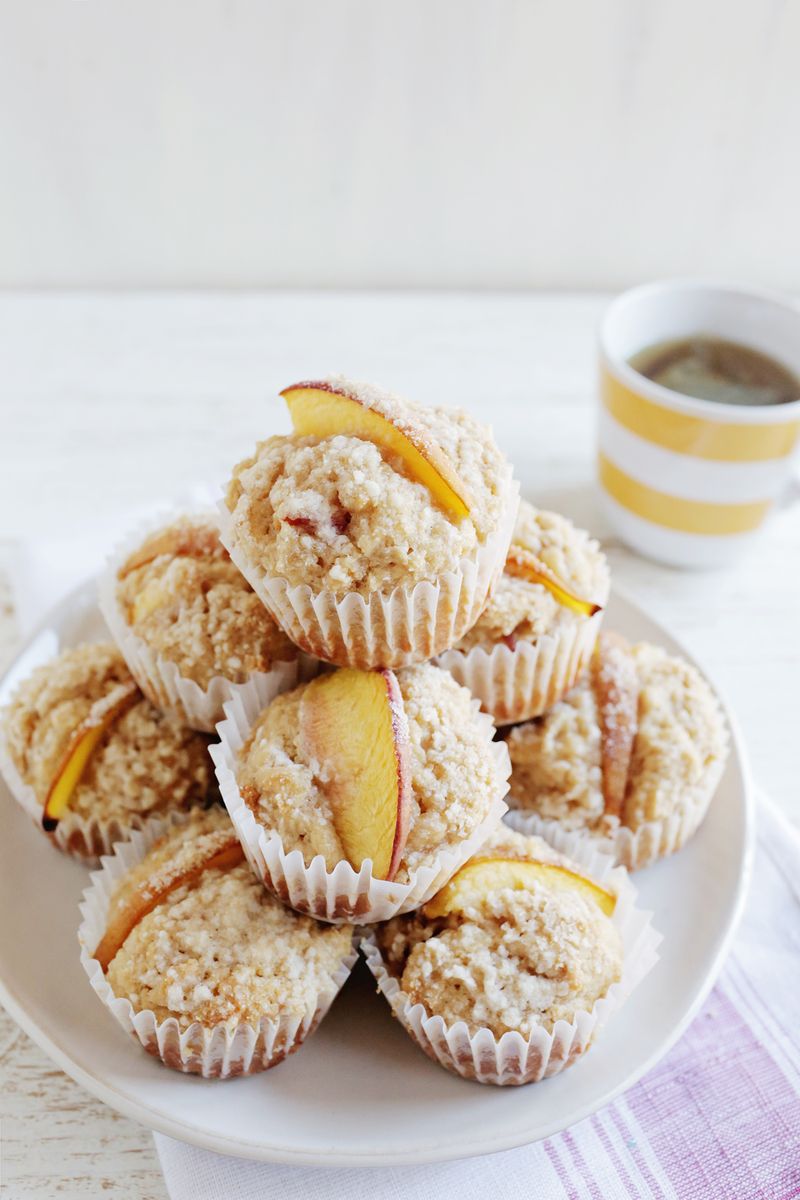
Peach Candied Ginger Muffins: A Sweet and Spicy Symphony for Your Palate
This article delves into the intricate world of crafting exceptional peach candied ginger muffins, exploring the science behind their textural appeal, the nuanced flavor profiles, and the strategic SEO elements that make this content discoverable. We will dissect the key ingredients, their roles in achieving optimal lift and moisture, and the synergistic interaction between the sweet, juicy peaches and the warm, spicy bite of candied ginger. Furthermore, we will discuss variations, baking techniques, and preservation methods, all while emphasizing the search engine optimization (SEO) strategies that ensure this culinary guide reaches a wide audience of home bakers and food enthusiasts.
The foundation of a superior peach candied ginger muffin lies in the quality and preparation of its primary components. Ripe, succulent peaches are paramount, their natural sweetness providing a delectable counterpoint to the ginger’s heat. Choosing freestone varieties simplifies the pitting process, and their inherent juiciness contributes essential moisture to the batter, preventing a dry, crumbly outcome. Freshly picked, in-season peaches will undoubtedly yield the most vibrant flavor. When selecting peaches, look for those with a slight give when gently pressed and a fragrant aroma. Overripe peaches, while intensely sweet, can sometimes lead to a mushy texture in baked goods. Underripe peaches, conversely, will lack the desired sweetness and may require additional sugar, potentially altering the intended flavor balance. For optimal results, it’s advisable to peel and dice the peaches into uniform, bite-sized pieces. This ensures even distribution throughout the muffins and prevents large, waterlogged pockets from forming during baking. Some bakers prefer to gently macerate the diced peaches with a tablespoon or two of sugar and a touch of lemon juice for about 15-30 minutes prior to incorporation. This process draws out some of their natural juices, intensifying their flavor and ensuring they don’t release too much moisture into the batter, which can lead to a gummy texture. This step also helps to prevent the peaches from sinking to the bottom of the muffin cups during baking.
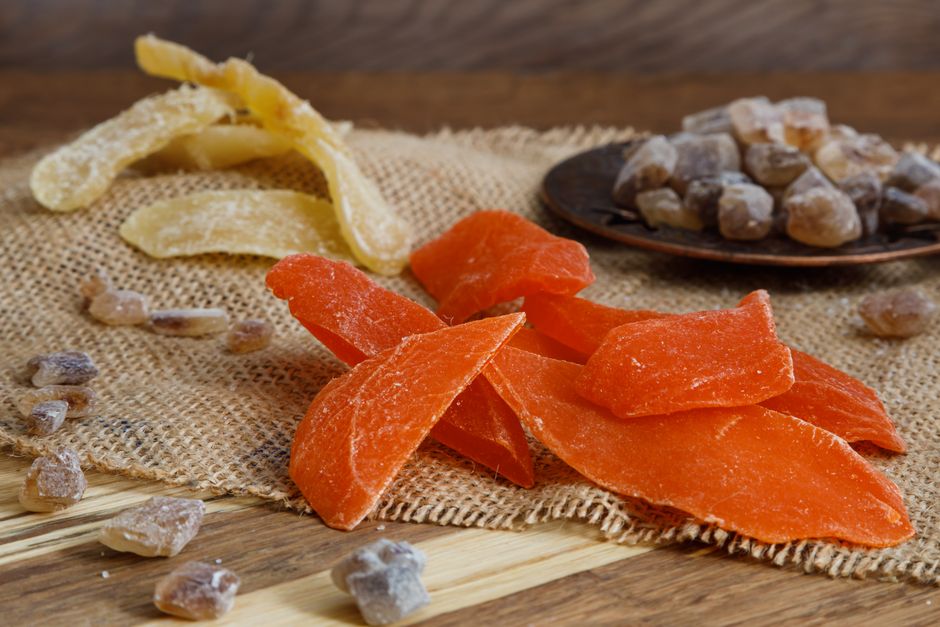
The inclusion of candied ginger elevates these muffins from merely good to truly extraordinary. Candied ginger, also known as crystallized ginger, offers a delightful chewiness and a potent, warming spice that beautifully complements the delicate sweetness of the peaches. The intensity of ginger’s heat can vary significantly between brands and even batches. It’s crucial to select a high-quality candied ginger, ideally one that is finely chopped to ensure even distribution and a pleasant texture within the muffin. Overly large pieces can create pockets of intense heat that may be overwhelming. Conversely, ginger that is too finely powdered might not provide the discernible chew and burst of flavor desired. The choice between store-bought and homemade candied ginger is also a consideration. Homemade candied ginger allows for greater control over the sugar content and the intensity of the ginger flavor. However, for convenience, many reputable brands offer excellent pre-candied ginger suitable for baking. The process of candying ginger involves simmering fresh ginger in sugar syrup until it becomes tender and coated, then drying it. This transformation mellows the raw sharpness of fresh ginger while concentrating its aromatic compounds. When incorporating chopped candied ginger, consider tossing it with a small amount of the dry ingredients (flour) before adding it to the wet ingredients. This coating technique helps to prevent the candied ginger from clumping together during mixing and ensures it remains suspended within the batter.
The structural integrity and rise of peach candied ginger muffins are largely determined by the dry ingredients. A well-balanced flour-to-leavening agent ratio is essential for achieving a tender crumb and a satisfying dome. All-purpose flour is the standard choice, providing a good balance of gluten development for structure without becoming tough. Baking powder is the primary leavening agent, responsible for the initial lift. Its double-acting nature means it activates when mixed with wet ingredients and again when exposed to heat in the oven. The amount of baking powder needs to be carefully calibrated; too little will result in flat muffins, while too much can lead to an unpleasant metallic taste and an overly rapid rise that causes the muffins to collapse. Baking soda, when used in conjunction with an acidic ingredient (such as buttermilk or yogurt), provides an additional boost of leavening and contributes to a tender crumb. The inclusion of sugar not only adds sweetness but also tenderizes the batter by interfering with gluten development and helps to promote browning through caramelization. Brown sugar, with its molasses content, can add a subtle depth of flavor and moisture, which is a welcome addition to peach-based baked goods. A pinch of salt is crucial for balancing sweetness and enhancing the overall flavor profile of both the peaches and the ginger.
The wet ingredients play a vital role in binding the dry ingredients, adding moisture, and contributing to the richness and tenderness of the muffin. Eggs, when properly incorporated, provide structure and richness. Overbeating the eggs can incorporate too much air, potentially leading to a tough muffin. Milk or buttermilk are common liquid bases. Buttermilk, with its acidity, reacts with baking soda to produce a lighter, more tender crumb and adds a subtle tang that can enhance the fruit and ginger flavors. Melted butter or vegetable oil serves as the fat component, contributing moisture and tenderness. Butter adds a richer flavor, while oil generally results in a more consistently moist muffin. The choice between the two often comes down to personal preference and the desired flavor profile. Vanilla extract is a ubiquitous flavor enhancer, rounding out the sweetness and complementing the fruity and spicy notes.
The meticulous process of combining wet and dry ingredients is critical. The “muffin method” dictates that dry ingredients are whisked together in one bowl, and wet ingredients are whisked together in another. The wet ingredients are then gently folded into the dry ingredients until just combined. Overmixing is the cardinal sin of muffin making. It develops the gluten in the flour excessively, resulting in tough, rubbery muffins. A few streaks of dry flour remaining in the batter are perfectly acceptable and even desirable, as they indicate that you haven’t overmixed. The incorporation of the peaches and candied ginger should be the final step, performed with a gentle hand to avoid bruising the fruit or overly agitating the batter.
The baking process itself demands precision. Preheat the oven to the correct temperature; typically around 375-400°F (190-200°C) for muffins, allowing for a good initial rise. Line muffin tins with paper liners or grease them thoroughly to prevent sticking. Overfilling the muffin cups can lead to overflow and uneven baking. Filling them about two-thirds to three-quarters full is generally recommended. The baking time will vary depending on the oven and the size of the muffins, but usually ranges from 20-25 minutes. A wooden skewer or toothpick inserted into the center of a muffin should come out clean when they are done. Allowing the muffins to cool in the tin for a few minutes before transferring them to a wire rack to cool completely is important. This allows them to set up and prevents them from becoming soggy from residual steam.
For those seeking to enhance their peach candied ginger muffins, several variations can be explored. A streusel topping, made from flour, sugar, butter, and perhaps some chopped nuts like pecans or walnuts, can add a delightful crunch and extra layer of sweetness. Incorporating a hint of cinnamon, nutmeg, or cardamom into the batter can further complement the peach and ginger flavors. For a more sophisticated twist, a touch of bourbon or rum can be added to the wet ingredients, lending a subtle warmth and complexity. If peaches are out of season, frozen peaches can be used, but it’s essential to thaw them completely and drain off any excess liquid before incorporating them into the batter. This prevents the batter from becoming too wet.
The SEO strategy for this content revolves around naturally integrating relevant keywords that potential bakers would use when searching for this recipe. Primary keywords include: "peach candied ginger muffins," "easy peach muffins," "spicy ginger muffins," "homemade peach ginger muffins," and "best peach muffin recipe." Secondary keywords and long-tail phrases that expand search reach include: "how to make peach muffins," "fruit muffin recipe," "ginger spice muffins," "moist peach muffins," "summer baking recipes," "fall baking recipes," and "vegan peach ginger muffins" (if a vegan variation is provided). Using these keywords in headings, subheadings, image alt text (describing the image content with keywords), and throughout the body of the article in a natural and informative way is crucial for search engine visibility. Structured data markup, such as recipe schema, can further enhance the discoverability of this content by providing search engines with detailed information about the recipe, including ingredients, cooking time, and instructions.
Understanding the nutritional profile of these muffins can also be a valuable SEO asset. Highlighting the presence of fruit (fiber, vitamins), ginger (potential anti-inflammatory properties), and the balanced carbohydrate and fat content appeals to a broader audience. While this is a treat, framing it as a relatively wholesome baked good can broaden its appeal.
The preservation and storage of peach candied ginger muffins are also important considerations for the home baker. Once completely cooled, they can be stored in an airtight container at room temperature for 2-3 days. For longer storage, they can be individually wrapped in plastic wrap and then placed in a freezer-safe bag or container for up to 3 months. Thaw overnight at room temperature or gently reheat in a low oven. This information, presented clearly, adds value to the user and can lead to longer engagement with the content, a positive signal for SEO.
In conclusion, mastering the art of peach candied ginger muffins involves a thoughtful understanding of ingredient synergy, precise baking techniques, and strategic SEO implementation. By focusing on quality ingredients, meticulous execution, and keyword-rich content, this guide aims to empower bakers to create truly exceptional muffins while ensuring this valuable recipe is easily discoverable by those seeking a delightful blend of sweet peach and warming ginger. The harmonious interplay of textures and flavors, from the tender crumb to the bursts of fruit and spice, makes these muffins a perennial favorite, worthy of a prominent place in any baker’s repertoire. The journey from ripe peach to perfectly domed muffin is a rewarding one, and with the right guidance, success is assured.
