The culmination of the 2025 FIFA World Cup, a tournament that captured the hearts of billions worldwide, was amplified by an unprecedented halftime spectacle at the iconic New York New Jersey Stadium. While the intense on-field battle between Spain and Argentina remained deadlocked at 0-0 during the break, the stadium’s atmosphere was ignited by a breathtaking, star-studded performance that seamlessly blended global music royalty, legendary athletes, and beloved cultural icons. This groundbreaking halftime show, a departure from traditional soccer event programming, was meticulously orchestrated by FIFA in partnership with Global Citizen, aiming to deliver a performance as monumental as the match it punctuated. The event was preceded by a vibrant pregame ceremony headlined by Post Malone, further cementing the tournament’s commitment to integrating world-class entertainment with the pinnacle of global football.
A Dazzling Mid-Game Extravaganza
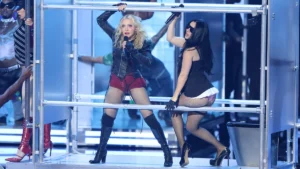
The halftime show, a tightly choreographed 11-minute sequence, featured an astonishing roster of talent. Pop icon Madonna kicked off the proceedings with a two-song set, her performance elevated by a unique entrance. Transported through the stadium’s subterranean tunnels in a golf cart driven by Brazilian football legends Ronaldo and Ronaldinho, she delivered a powerful rendition of her 2000 hit "Music" and her latest single, "Danceteria," from her recently released album Confessions II. This unexpected collaboration between a music legend and footballing titans set a tone of grandiosity for the entire segment.
Following Madonna’s electrifying performance, the stadium reverberated with the iconic riff of "Seven Nation Army." This universally recognized anthem was brought to life by the formidable talents of conductor Gustavo Dudamel, leading an ensemble that comprised select members of the New York Philharmonic, the Simón Bolívar Symphony Orchestra of Venezuela, and the renowned Iranian violinist Bijan Mortazavi. Adding a touch of whimsical nostalgia, The Electric Mayhem, the house band from the beloved Muppets, joined the orchestra, creating a truly eclectic and memorable musical fusion.
The momentum continued with a brief yet impactful appearance by BTS, the global phenomenon who had recently graced the cover of Rolling Stone. Performing a snippet of their chart-topping hit "Dynamite," their cameo, though short, was a significant moment for their legions of fans. Their presence, especially considering their recent commitments in Paris less than 24 hours prior, underscored the global reach and influence of both the World Cup and the participating artists.
A Touch of Hollywood and Pop Sensations
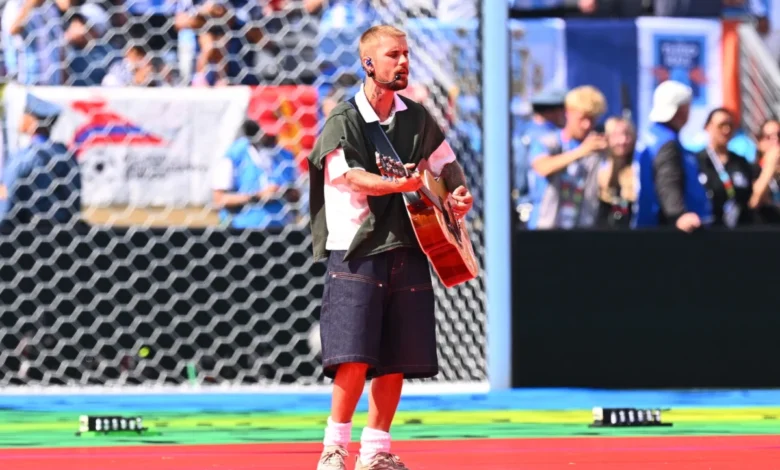
Injecting a dose of American sports optimism, actor Jason Sudeikis made a memorable appearance in character as the effervescent Coach Ted Lasso, accompanied by his loyal deputy, Coach Beard (Brendan Hunt). In a lighthearted segment, they offered an inspirational pep talk to pop superstar Justin Bieber, who then transitioned into a heartfelt performance of his song "Everything Hallelujah." This moment, blending the aspirational spirit of Lasso with Bieber’s global appeal, resonated with the diverse audience. Bieber’s performance followed his recent headline-grabbing set at Coachella, further solidifying his status as a leading live entertainer.
The musical journey continued with the official song of the tournament, "Dai Dai," a collaboration between global superstar Shakira and Nigerian artist Burna Boy. Their rendition of the anthem served as a powerful reminder of the unifying power of football and music, echoing the spirit of the competition.
A Unifying Finale and Philanthropic Undertones
The whirlwind halftime show concluded with a deeply moving and unifying performance by the PS 22 Chorus, a choir composed of talented fourth and fifth graders from a public elementary school in Staten Island. They performed "We Dance," a song penned by Coldplay, with frontman Chris Martin making a surprise guest appearance to join the young singers. This collaboration between established artists and emerging young talent underscored the event’s broader message of hope and collective spirit.
As the final notes faded, a spectacular fireworks display erupted from the stadium’s perimeter, synchronized with the ecstatic shouts of "GOOOLLLL" from Argentinian sports commentators. The swift removal of the field covering by a dedicated team of volunteers, the dissipating smoke, and the activation of the pitch sprinklers signaled the imminent return of the players to the field, ready to resume the intense contest.
Shakira, who had previously collaborated with Burna Boy on "Dai Dai" for the World Cup opening ceremony in Mexico City, expressed her delight on social media about the opportunity to have Uganda’s Ghetto Kids join her for a dance at the World Cup final. This personal touch added another layer of global connection to the event.
Beyond the entertainment, the halftime show was intrinsically linked to a significant philanthropic endeavor. The performances were designed to benefit the FIFA Global Citizen Education Fund. This initiative aims to raise $100 million to expand global access to education and football for children worldwide. The fund had already surpassed the halfway mark in its fundraising goal, with one dollar from every ticket sold throughout the tournament being donated to support its mission.
A Legacy of Musical Moments
The 2025 FIFA World Cup was punctuated by a series of memorable musical performances throughout its duration, with the halftime show serving as a grand crescendo. Earlier in the tournament, Ellie Goulding delivered a compelling halftime performance during a quarterfinal match between England and Norway. The opening ceremonies also set a high bar for entertainment, with Katy Perry and 10-year-old Norwegian singer Tius Luka performing "Wonder" at the opening match between the United States and Paraguay in Los Angeles. This event was preceded by a high-energy performance of "Game Time" by Future, Tyla, and Lisa from Blackpink, alongside Brazilian icon Anitta and Nigerian superstar Rema, who delivered "Goals." Additionally, Canada’s opening ceremony featured a star-studded lineup including Michael Bublé, Alanis Morissette, Alessia Cara, and others, showcasing the global appeal of music at this prestigious sporting event.
Pregame Pomp and Circumstance
The electrifying halftime show was preceded by a vibrant pregame ceremony that set an energetic tone for the final. Headlining this segment was global music sensation Post Malone, whose performance further amplified the excitement. The ceremony also featured appearances and performances by Laura Pausini, Nicole Scherzinger, IShowSpeed, and Robbie Williams. Adding a touch of Hollywood glamour, Tom Cruise made a special appearance, and Jennifer Hudson delivered a stirring rendition of the U.S. national anthem, underscoring the event’s multi-faceted appeal.
Analysis and Implications
The 2025 FIFA World Cup’s decision to integrate an elaborate halftime show, complete with a star-studded lineup and philanthropic objectives, marks a significant evolution in how major sporting events engage with their global audience. This approach not only enhances the entertainment value but also leverages the immense platform of the World Cup to champion important social causes. The success of this model suggests a potential shift in future sporting event programming, where the integration of music and entertainment becomes an increasingly integral component of the overall fan experience.
The collaboration between FIFA, Global Citizen, and a diverse array of artists and public figures highlights a growing trend of partnerships between major international organizations and the entertainment industry to promote social good. The substantial funds raised for the FIFA Global Citizen Education Fund demonstrate the power of such collaborations in driving tangible change. The widespread media coverage and social media engagement surrounding these performances underscore their ability to capture global attention and inspire action.
Furthermore, the inclusion of emerging artists and youth choirs alongside established global superstars provides a platform for diverse voices and reinforces the tournament’s commitment to inclusivity and future generations. The logistical feat of coordinating such a complex performance within the tight confines of a halftime break is a testament to the meticulous planning and execution by all involved parties, setting a new benchmark for halftime entertainment in global sports. The successful execution of this ambitious vision has undoubtedly left an indelible mark on the history of the FIFA World Cup, promising to inspire future events to embrace similar innovative and impactful entertainment strategies.