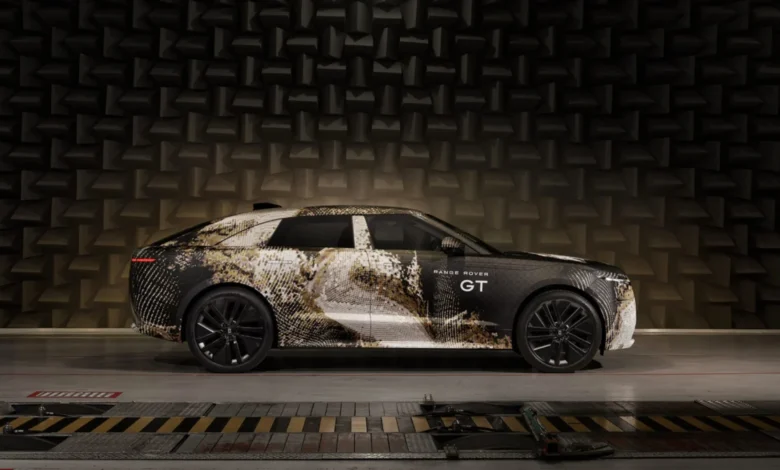
Range Rover, a brand synonymous with unparalleled luxury and formidable off-road capability, is poised to introduce a groundbreaking addition to its portfolio: an all-electric grand tourer (GT). This strategic move signifies a profound reinterpretation of the GT concept, fusing Range Rover’s hallmark sophistication with cutting-edge electric vehicle (EV) technology. Martin Limpert, managing director of Range Rover, underscored the intensive development behind this new model, stating, "We have spent the last few years working obsessively on the fundamentals of the GT formula, reinterpreted in a sophisticated, uniquely Range Rover way." He elaborated that the result is "the most car-like, yet unmistakably capable, Range Rover ever created," made possible by the brand’s advanced electrified EMA architecture. This new vehicle will complement Range Rover’s existing powertrain portfolio, aiming to provide a comprehensive suite of options tailored to diverse customer needs. Limpert emphasized the vehicle’s unique blend of effortless EV performance, first-class long-haul refinement, and quintessential Range Rover all-terrain capability, all housed within a calming interior that previews the brand’s vision for a modern grand tourer.
A Strategic Shift: The GT Vision and Brand Evolution
The introduction of an electric grand tourer marks a significant pivot for Range Rover, historically celebrated for its luxury SUVs. This new direction signals an intent to broaden the brand’s appeal beyond its traditional segment, venturing into the high-performance, long-distance luxury touring market. The description of the GT as "the most car-like" Range Rover ever created suggests a focus on dynamic on-road performance, lower center of gravity, and refined driving characteristics typically associated with sedans or coupes, while still retaining the brand’s core attributes of capability and commanding presence. This dual identity – embracing car-like dynamics without abandoning the Range Rover essence – is a delicate balance that the company aims to achieve through meticulous engineering and design. The strategic intent is to capture a new segment of affluent buyers who seek the refinement and performance of a traditional grand tourer but also appreciate the luxury, design language, and perceived robustness associated with Range Rover.
This move aligns with broader industry trends where luxury brands are diversifying their offerings to meet evolving consumer demands and regulatory pressures towards electrification. For Range Rover, a brand that has successfully cultivated an image of aspirational luxury and adventure, adapting the GT concept to its ethos means infusing it with attributes like elevated ride comfort, sophisticated technology, and a distinct aesthetic that sets it apart from traditional sports GTs. The emphasis on "effortless EV performance" points to the smooth, silent, and immediate torque delivery characteristic of electric powertrains, which inherently lends itself to the refined, high-speed cruising expected of a grand tourer.
Underpinning the Future: The EMA Architecture
At the heart of the new Range Rover GT lies the Electrified Modular Architecture (EMA), a crucial component of Jaguar Land Rover’s (JLR) "Reimagine" strategy. EMA is the company’s third dedicated electrifiable platform, alongside the existing Modular Longitudinal Architecture (MLA) and the forthcoming Jaguar Electric Architecture (JEA). The MLA platform currently underpins the latest generations of the Range Rover and Range Rover Sport, supporting mild-hybrid, plug-in hybrid, and eventually fully electric powertrains. The JEA platform is being developed specifically for Jaguar’s future all-electric models, starting with the Type 01.
The EMA platform is designed from the ground up to accommodate electric powertrains, prioritizing battery integration, motor packaging, and modularity for various vehicle types and sizes. This dedicated electric architecture is key to achieving the Range Rover GT’s performance targets, interior space optimization, and overall efficiency. Unlike platforms designed to accommodate both internal combustion engines (ICE) and electric powertrains (often referred to as ‘multi-energy’ or ‘flexible’ platforms), a ‘skateboard’ style dedicated EV platform like EMA allows for a flatter floor, more generous cabin volume, and optimized weight distribution, all of which are critical for an EV grand tourer. This commitment to dedicated EV platforms underscores JLR’s long-term vision for an electrified future, moving beyond simply adapting existing ICE architectures. The EMA platform is expected to deliver significant advancements in battery technology, charging speeds, and integrated digital services, positioning the Range Rover GT at the forefront of luxury EV innovation.
Performance and Refinement: A New Grand Tourer Paradigm
The Range Rover GT is engineered to embody a new paradigm of grand touring, blending the inherent advantages of EV technology with Range Rover’s signature refinement and a nuanced interpretation of all-terrain capability. The promise of "effortless EV performance" suggests instant torque delivery, smooth acceleration, and a serene driving experience devoid of engine noise and vibrations. This is a natural fit for a grand tourer, where long-distance comfort and relaxed high-speed cruising are paramount. Electric powertrains typically offer a lower center of gravity due to underfloor battery placement, which can enhance handling dynamics and reduce body roll, contributing to the "car-like" feel.
"First-class long-haul refinement" implies a cabin meticulously designed for acoustic isolation, superior ride quality, and ergonomic comfort over extended journeys. This will likely involve advanced noise, vibration, and harshness (NVH) suppression techniques, adaptive air suspension systems, and meticulously crafted seating. Range Rover’s heritage in luxury means customers will expect premium materials, exquisite craftsmanship, and advanced climate control systems to ensure an uncompromised experience.
Crucially, the phrase "all-terrain capability" hints that despite its car-like demeanor, the GT will not completely abandon the brand’s adventurous spirit. While it may not match the extreme off-road prowess of a full-sized Range Rover SUV, it is expected to offer a level of capability surpassing conventional GTs. This could manifest as enhanced traction control systems, adjustable ride height, and perhaps mild off-pavement suitability for challenging weather conditions or unpaved roads, consistent with the lifestyle of Range Rover owners who value versatility. This capability differentiates it from pure-bred sports GTs and aligns it more closely with the brand’s core identity.
Inside the Modern Grand Tourer: Design and Technology
The interior of the Range Rover GT represents a "clear departure" from the cabins of its SUV siblings, embracing an "ultraminimalist" aesthetic. This design philosophy aligns with a broader trend in luxury automotive interiors, favoring clean lines, uncluttered surfaces, and integrated technology to create a calming and spacious environment. The minimalist approach, however, must carefully balance aesthetics with functionality and safety. Range Rover has confirmed that the GT’s interior design still satisfies stringent safety regulators in Europe (such as Euro NCAP, which has recently emphasized the importance of physical controls for certain functions) and elsewhere, ensuring that critical operations remain intuitive and accessible.
A notable design choice is the eschewing of a third screen for the front passenger, a feature increasingly seen in some luxury vehicles. Instead, Range Rover has opted for a focused digital interface comprising a main instrument display and a central infotainment touchscreen, both utilizing advanced OLED technology. OLED screens offer superior contrast, deeper blacks, and vibrant colors compared to traditional LCDs, enhancing the visual experience and contributing to the premium feel of the cabin. Furthermore, a head-up display (HUD) will be standard for the GT, projecting essential driving information directly onto the windshield, allowing the driver to maintain focus on the road. This combination of high-quality digital displays and a minimalist physical interface underscores a thoughtful approach to in-car technology, prioritizing driver focus and passenger comfort without unnecessary digital clutter. The "calming interior" described by Limpert suggests an emphasis on sensory experience – quietness, ambient lighting, high-quality materials, and intuitive controls – all contributing to a relaxed and sophisticated atmosphere for grand touring.
JLR’s Broader Electrification Strategy: MLA and JEA Platforms
The development of the EMA platform and the Range Rover GT must be understood within the larger context of Jaguar Land Rover’s ambitious "Reimagine" strategy, announced in February 2021. This strategy outlines a clear path towards an all-electric future for Jaguar and a significantly electrified portfolio for Land Rover brands.
The MLA platform, which underpins the flagship Range Rover and Range Rover Sport, is a testament to JLR’s ability to integrate advanced powertrains. While currently supporting robust mild-hybrid and highly capable plug-in hybrid variants, MLA is also designed to accommodate full battery-electric powertrains in the future, with the Range Rover Electric already teased for a 2024 debut. This parallel development of electrification across different platforms showcases JLR’s multi-pronged approach to meet diverse market demands while transitioning towards a zero-emissions future.
Concurrently, the JEA platform is pivotal for the rejuvenation of the Jaguar brand. Jaguar is undergoing a dramatic transformation, aiming to become an all-electric luxury brand by 2025. The forthcoming Type 01, a four-door grand tourer also set to debut later this year, will be the first model built on the JEA architecture. This strategic move positions Jaguar as a direct competitor in the high-performance luxury EV segment, distinct from Range Rover’s luxury adventure niche. The existence of both the Range Rover GT and the Jaguar Type 01, both four-door electric grand tourers, highlights JLR’s strategy of brand differentiation even within similar segments. While the Range Rover GT will likely emphasize sophisticated comfort, subtle capability, and an understated aesthetic, the Jaguar Type 01 is expected to lean into sharper performance, more dynamic styling, and a sportier driving experience, appealing to different facets of the luxury EV market. This internal synergy and differentiation are crucial for JLR to maximize its market penetration in the burgeoning premium EV landscape.
Market Implications and Competitive Landscape
The entry of the Range Rover GT into the electric grand tourer segment carries significant market implications. This niche is becoming increasingly competitive, with established luxury marques and new EV players vying for discerning customers. Traditional competitors in the luxury GT space include vehicles like the Porsche Panamera, Mercedes-AMG GT 4-Door Coupe, and Bentley Continental GT. In the electric realm, the Range Rover GT will face rivals such as the Porsche Taycan, Audi e-tron GT, and potentially upcoming electric offerings from Mercedes-Benz (e.g., EQE/EQS AMG variants) and BMW (e.g., i5/i7 M models).
Range Rover’s unique selling proposition will be its distinct blend of "Range Roverness"—unmatched luxury, sophisticated design, and a degree of capability that other GTs might lack, even if it’s not full off-road prowess. This could attract buyers who appreciate the brand’s heritage but are looking for a more road-focused, electrified experience without compromising on space or comfort. The move into this segment also helps Range Rover diversify its portfolio and reduce its reliance on the SUV market, hedging against potential shifts in consumer preferences or regulatory landscapes. By offering an electric GT, Range Rover can tap into the growing demand for sustainable luxury mobility, catering to environmentally conscious high-net-worth individuals. The success of the GT will depend on its ability to deliver on the promises of effortless performance, unparalleled refinement, and a truly unique Range Rover experience that justifies its premium positioning.
Anticipation Builds: What’s Next for the Range Rover GT
As Range Rover continues its strategic rollout, the automotive world eagerly awaits further details about the GT. While the company has provided a glimpse into its interior and underlying architecture, the full exterior design remains under wraps, currently cloaked in camouflage. This phased reveal is a common practice in the automotive industry, designed to build anticipation and generate buzz leading up to a formal launch.
More comprehensive details, including the GT’s actual visual aesthetics, full performance specifications (e.g., power output, range, charging capabilities), pricing, and market availability, are expected to be revealed later this year. The timing of these announcements will be crucial, likely coinciding with major automotive shows or dedicated digital launch events, to maximize global impact. The Range Rover GT represents not just a new model but a bold statement of intent from the brand, signaling its commitment to innovation, electrification, and expanding its definition of luxury mobility in the 21st century. Its debut will undoubtedly be a pivotal moment for Range Rover and the broader luxury EV market.