
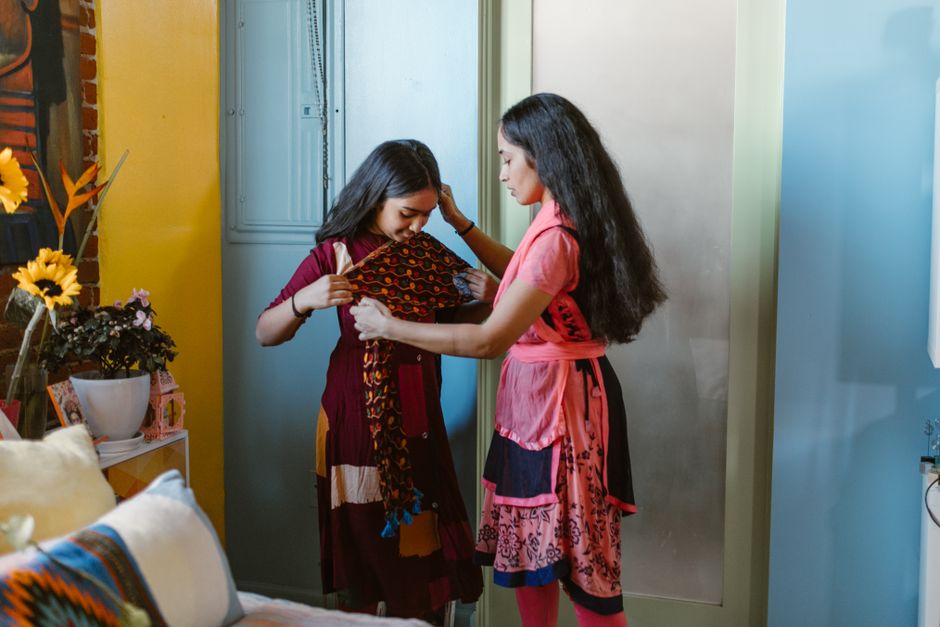
Sister Style: The Enchanting World of Playing Dress-Up
The timeless ritual of sisterly dress-up transcends mere play; it’s a profound exploration of identity, a shared narrative woven through fabric and fantasy. From the earliest giggles in front of a makeshift mirror to the more sophisticated styling sessions of adolescence, this sartorial playground fosters creativity, strengthens bonds, and offers a unique window into evolving self-perception. For sisters, a shared wardrobe, a treasure trove of forgotten gowns, and an insatiable desire to inhabit different personas transform ordinary clothing into portals of imagination. This article delves into the multifaceted world of sisterly dress-up, examining its developmental significance, creative outlets, and the lasting impact it has on sibling relationships, all while considering keywords relevant to fashion, childhood development, and family bonding for SEO optimization.
The developmental bedrock of sisterly dress-up lies in its multifaceted contribution to a child’s cognitive and emotional growth. Beyond the sheer joy of donning a princess gown or a superhero cape, this activity is a powerful engine for developing crucial life skills. Firstly, it fosters imaginative play, a cornerstone of healthy childhood development. When sisters step into new roles – a doctor, a ballet dancer, a famous movie star – they are not just mimicking; they are constructing narratives, experimenting with different behaviors, and understanding social dynamics through simulated experiences. This imaginative capacity is directly linked to problem-solving abilities, abstract thinking, and the development of a rich inner world. The act of selecting an outfit for a specific character also involves rudimentary decision-making and planning. Should the fairy queen wear glittery wings or a velvet cloak? Does the brave knight need a cardboard sword or a plastic shield? These choices, however trivial they may seem, teach children about cause and effect, preference, and the consequences of their decisions.
Furthermore, sisterly dress-up is an invaluable tool for exploring and expressing identity. For young girls, and increasingly for boys as gender norms evolve, clothing is a powerful non-verbal language. Through dress-up, sisters can safely experiment with different aspects of their personalities, trying on the bravado of a pirate, the elegance of a queen, or the nurturing spirit of a caregiver. This exploration is crucial for developing a sense of self, understanding personal preferences, and navigating the complex journey of self-discovery. It allows them to externalize their internal thoughts and feelings, giving form to abstract concepts of who they are or who they aspire to be. This is particularly important in sibling dynamics, where each sister might perceive herself differently and use dress-up to amplify or explore these perceived differences. One might consistently gravitate towards regal attire, while the other prefers adventurous costumes, each reinforcing and understanding the other’s emerging identity. This shared exploration validates each sister’s individual path while strengthening their shared experience.
The tangible aspects of sisterly dress-up are equally important. The act of physically manipulating clothing – buttoning, zipping, tying, layering – develops fine motor skills. This is especially true for younger children, where the dexterity required for intricate costume details contributes to their overall physical development. Beyond motor skills, it also introduces fundamental concepts of fashion and aesthetics. Sisters learn about color combinations, texture pairings, and the concept of accessorizing. They begin to understand how different garments can convey different messages or create different visual impressions. This nascent understanding of style can blossom into a lifelong appreciation for fashion, design, and personal presentation. The shared nature of this activity means that sisters learn from each other. A younger sister might admire and imitate the styling choices of her older sibling, while the older sister might be reminded of simpler, more whimsical approaches to fashion by her younger counterpart. This cross-pollination of ideas enriches their understanding of style and fosters a collaborative approach to aesthetics.
The emotional and social benefits of sisterly dress-up are profound and far-reaching. It serves as a powerful bonding activity, creating shared memories and fostering a sense of camaraderie. The laughter, the whispered secrets, the collaborative brainstorming of costume ideas – these are the threads that weave the tapestry of sibling relationships. When sisters engage in dress-up, they are practicing empathy, learning to understand and respond to each other’s desires and visions. They learn to negotiate, to compromise, and to share. If one sister wants to be the princess and the other wants to be the dragon, they must find a way to make both characters coexist in their imaginative world. This negotiation is a fundamental social skill that extends far beyond the confines of the playroom. It teaches them to value each other’s perspectives and to work together towards a common goal, even if that goal is simply to put on a dazzling imaginary fashion show.
This collaborative element also cultivates teamwork. Building a fantasy world, complete with elaborate costumes and backstories, requires a shared vision and coordinated effort. Sisters learn to delegate tasks (who holds the "crown" while the other ties the "robe"?), to support each other’s ideas, and to celebrate their collective achievements. The sheer joy of creating something together, even if it’s temporary, instills a powerful sense of accomplishment and strengthens their bond. The shared experience of being "in character" also creates a unique form of intimacy. They are privy to each other’s imaginative worlds, seeing and understanding aspects of their siblings’ personalities that might not be visible in everyday life. This shared imaginative space becomes a sanctuary for exploration and connection.
The evolution of sisterly dress-up mirrors the developmental trajectory of the sisters themselves. In early childhood, the focus is often on imitation and fantasy. They might raid their mother’s closet, donning oversized heels and flowing scarves, transforming into princesses, fairies, or movie stars. This stage is characterized by unbridled imagination and a less inhibited approach to style. The focus is less on looking "good" and more on embodying a character. As they grow, the act of dress-up can become more refined and self-aware. Adolescence might see the focus shift towards exploring personal style, experimenting with trends, and using clothing to express individuality and peer group affiliation. Sisters might start curating their own wardrobes, sharing clothes, and offering fashion advice to one another. This transition from pure fantasy to curated personal expression is a natural progression.
The "play dress-up" aspect itself signifies a crucial developmental milestone. It’s a deliberate act of stepping outside of one’s everyday self to inhabit another persona. This ability to detach from reality and engage in imaginative scenarios is a hallmark of cognitive development. For sisters, this shared detachment creates a unique space for understanding and bonding. They are both experiencing this imaginative escape together, creating a shared reality within their play. This is particularly potent when dealing with more complex themes or characters. A sister might dress up as a historical figure, learning about a different era through costume, or as an animal, exploring different forms of movement and behavior. These explorations, guided by imagination and often informed by educational resources or even just storybooks, further enhance cognitive development.
The longevity of sisterly dress-up as a cherished childhood activity highlights its inherent value. It’s a practice that can be sustained and adapted across different ages and stages. While the costumes might change from princess gowns to vintage clothing to trendy outfits, the underlying impulse to explore, create, and bond remains constant. The act of "playing dress-up" is not just about the clothes; it’s about the narrative, the performance, and the shared experience. It’s about the sister who can perfectly mimic a queen’s regal bearing or the one who imbues a simple scarf with the allure of a bohemian artist. These nuanced performances, born from imagination and shared understanding, are what make sisterly dress-up so enduring.
The visual and sensory elements of dress-up play a significant role in its appeal. The tactile experience of different fabrics – the smooth silk of a gown, the rough texture of denim, the soft fuzz of a faux fur coat – engages the senses and adds another layer of immersion to the imaginative play. The vibrant colors, the shimmering sequins, the elaborate patterns of clothing all contribute to a visually stimulating environment that sparks creativity. Sisters often have designated "dress-up boxes" or "costume closets," which become repositories of their sartorial adventures. These spaces, filled with a delightful jumble of hats, scarves, dresses, and accessories, are more than just storage; they are treasure chests of memories and inspiration. The act of rummaging through these collections, rediscovering forgotten pieces, and reimagining their possibilities is a ritual in itself, fostering a sense of continuity and shared history.
Furthermore, the development of a shared "sister style" can emerge organically from these dress-up sessions. As sisters experiment with different looks and personas, they begin to influence each other’s aesthetic preferences. They might develop a shared love for a particular color palette, a fondness for a certain type of accessory, or an appreciation for a specific era’s fashion. This shared style can extend beyond dress-up, influencing their everyday clothing choices and creating a visual representation of their bond. This is particularly evident in shared wardrobes where sisters might borrow, swap, and even collaboratively build a collection of clothing that reflects their combined tastes. This shared aesthetic not only strengthens their connection but also teaches them about collaboration and compromise in their personal style choices.
The psychological benefits of this form of play are also noteworthy. Dress-up allows sisters to explore and process emotions in a safe and controlled environment. If one sister is feeling shy, she might choose a bold costume to project confidence. If she is feeling frustrated, she might act out a powerful character to assert control. This emotional catharsis is a vital part of healthy development. The shared nature of this emotional exploration within the sibling dyad provides an additional layer of support. They can witness each other’s emotional processing, offer comfort, and learn from each other’s coping mechanisms. This fosters emotional intelligence and strengthens their ability to navigate complex feelings together.
The narrative potential of sisterly dress-up is limitless. Each outfit can become a starting point for a story. A knight’s armor might lead to an epic quest, a doctor’s coat to a mission of healing, and a glamorous gown to a red-carpet event. Sisters collaboratively build these narratives, developing dialogue, plotlines, and character arcs. This storytelling aspect is crucial for developing language skills, logical reasoning, and the ability to construct coherent arguments. They learn to think critically about character motivations, plot developments, and the consequences of actions within their fictional worlds. This imaginative narrative construction is a powerful tool for cognitive and creative growth.
In conclusion, sisterly dress-up is far more than a simple pastime; it is a rich and dynamic arena for developmental growth, creative expression, and profound sibling bonding. Through imaginative play, identity exploration, sensory engagement, and collaborative storytelling, sisters weave a unique tapestry of shared experiences. The evolution of their "dress-up style" mirrors their individual journeys while simultaneously forging an unbreakable sartorial and emotional connection. This timeless ritual, deeply rooted in childhood, continues to shape personalities, nurture creativity, and solidify the enduring bonds of sisterhood, offering valuable lessons in self-discovery, empathy, and the power of shared imagination.

