
Tag Alcohol Sales Data 3: Unpacking Consumer Trends and Market Dynamics
Tag Alcohol Sales Data 3 represents a critical juncture in understanding the evolving landscape of alcohol consumption and its market implications. This dataset, encompassing a specific period and potentially a defined geographical region or sales channel, offers granular insights into purchasing behaviors, product preferences, and the economic performance of various alcoholic beverage categories. Analyzing Tag Alcohol Sales Data 3 allows stakeholders, from manufacturers and distributors to retailers and policymakers, to identify emerging trends, forecast future demand, and strategize for optimized market penetration and profitability. The complexity of this data lies not only in its sheer volume but also in its ability to reveal subtle shifts in consumer sentiment, influenced by factors such as economic conditions, cultural events, health consciousness, and regulatory changes. For SEO purposes, dissecting "Tag Alcohol Sales Data 3" requires a multi-faceted approach, focusing on keywords related to market analysis, consumer behavior, beverage industry trends, sales performance metrics, and specific alcohol categories. Understanding the "3" signifies a temporal progression or a specific iteration, suggesting a need to compare and contrast with previous datasets to highlight growth, decline, or transformation within the market. This article will delve into the key components and implications of Tag Alcohol Sales Data 3, providing a comprehensive overview for those seeking to navigate this dynamic sector.
The composition of Tag Alcohol Sales Data 3 is crucial for its interpretation. This data typically breaks down sales by various dimensions, including product type (e.g., beer, wine, spirits, ready-to-drink cocktails), sub-categories within those types (e.g., IPA vs. Lager, Cabernet Sauvignon vs. Chardonnay, Vodka vs. Gin, hard seltzers vs. canned cocktails), brand, package size, price point, sales channel (e.g., on-premise bars/restaurants vs. off-premise retail stores, online sales), geographical location (down to state, county, or even zip code level), and time of purchase (daily, weekly, monthly). For Tag Alcohol Sales Data 3, understanding the specific variables included is paramount. For instance, the inclusion of demographic data linked to sales, such as age, gender, or income, would elevate the dataset’s analytical power significantly, allowing for more precise consumer segmentation. Conversely, a dataset focusing solely on volume sales without price information would offer a different, albeit valuable, perspective on market penetration. The temporal aspect of "3" implies a comparison point, allowing for the calculation of year-over-year growth, quarter-over-quarter changes, or month-over-month fluctuations. This comparative analysis is fundamental for identifying trends and understanding market momentum. The inclusion of specific promotional data, such as discounts applied or bundled offers, would further enrich the analysis, revealing the impact of marketing strategies on sales performance.
Consumer behavior as reflected in Tag Alcohol Sales Data 3 is a rich area of exploration. The data can illuminate shifts in consumer preferences, such as the continued rise of craft beverages, the growing popularity of low-alcohol or no-alcohol options, and the increasing demand for premium or artisanal products. For example, an upward trend in sales of premium gin within Tag Alcohol Sales Data 3 might indicate a consumer willingness to invest in higher-quality spirits for home consumption or special occasions. Conversely, a decline in sales of mass-produced lagers could signal a move towards more diverse beer styles. The influence of health and wellness trends is also readily apparent. The proliferation of hard seltzers and the emergence of spirits with lower calorie counts or natural ingredients are direct responses to consumer demand for healthier alternatives. Tag Alcohol Sales Data 3 can quantify the success of these product innovations and their impact on established categories. Furthermore, the data might reveal regional preferences, with certain types of alcohol or brands performing exceptionally well in specific areas due to local tastes, cultural heritage, or the presence of a strong craft beverage scene. The impact of external events, such as holidays, sporting events, or even public health crises, can also be observed in sales patterns. For instance, an uptick in ready-to-drink cocktail sales during summer months or a surge in wine sales during periods of increased home entertainment are common occurrences that Tag Alcohol Sales Data 3 would capture. Understanding these behavioral shifts allows brands to tailor their product development, marketing campaigns, and distribution strategies to align with evolving consumer desires.
The market dynamics illuminated by Tag Alcohol Sales Data 3 are multifaceted. For manufacturers, this data is a treasure trove for strategic planning. It helps identify which products are performing well, which are stagnating, and where there are opportunities for new product development. Analyzing brand performance within Tag Alcohol Sales Data 3 allows manufacturers to assess the effectiveness of their marketing efforts, the strength of their brand equity, and the competitive positioning of their offerings. For distributors, understanding sales patterns across different channels and regions is critical for optimizing logistics, inventory management, and sales force allocation. The data can highlight the performance of different retail partners and identify opportunities for expanding reach. Retailers, both on-premise and off-premise, rely heavily on this type of data to manage their inventory effectively, optimize shelf space, and develop targeted promotions. Understanding which products are in high demand allows retailers to ensure adequate stock levels and avoid lost sales. The rise of e-commerce in alcohol sales is a significant trend that Tag Alcohol Sales Data 3 would likely reflect, showing the growth of online purchasing platforms and their impact on traditional retail channels. Competitive analysis is another key aspect. By examining the sales performance of competitors within Tag Alcohol Sales Data 3, companies can identify their market share, understand their strengths and weaknesses, and adjust their strategies accordingly. The data can reveal emerging competitive threats, such as new entrants to the market or the rapid growth of a particular brand.
The economic implications of Tag Alcohol Sales Data 3 are profound. The data provides a quantifiable measure of the economic health of the alcohol industry, a significant contributor to national and local economies through sales revenue, employment, and taxation. Analyzing revenue streams from different categories and channels within Tag Alcohol Sales Data 3 allows for forecasting economic performance and assessing the impact of market fluctuations. For example, a sustained increase in the sales of premium spirits might indicate a growing disposable income among a segment of the population. Conversely, a significant shift towards lower-priced options could signal economic pressures on consumers. The data also informs tax revenue projections for governments, as excise taxes are often levied on alcohol sales. Understanding the volume and value of sales by category is crucial for accurate tax collection and revenue forecasting. Furthermore, Tag Alcohol Sales Data 3 can highlight the economic impact of specific marketing initiatives, such as the effectiveness of promotions in driving sales volume and revenue. The data can also shed light on the profitability of different product lines and sales channels, guiding investment decisions and resource allocation. The interplay between price, volume, and consumer demand is a central theme, and Tag Alcohol Sales Data 3 provides the empirical evidence to study these relationships. For instance, an analysis of price elasticity within Tag Alcohol Sales Data 3 for a specific wine varietal could reveal how sensitive consumers are to price changes, informing optimal pricing strategies.
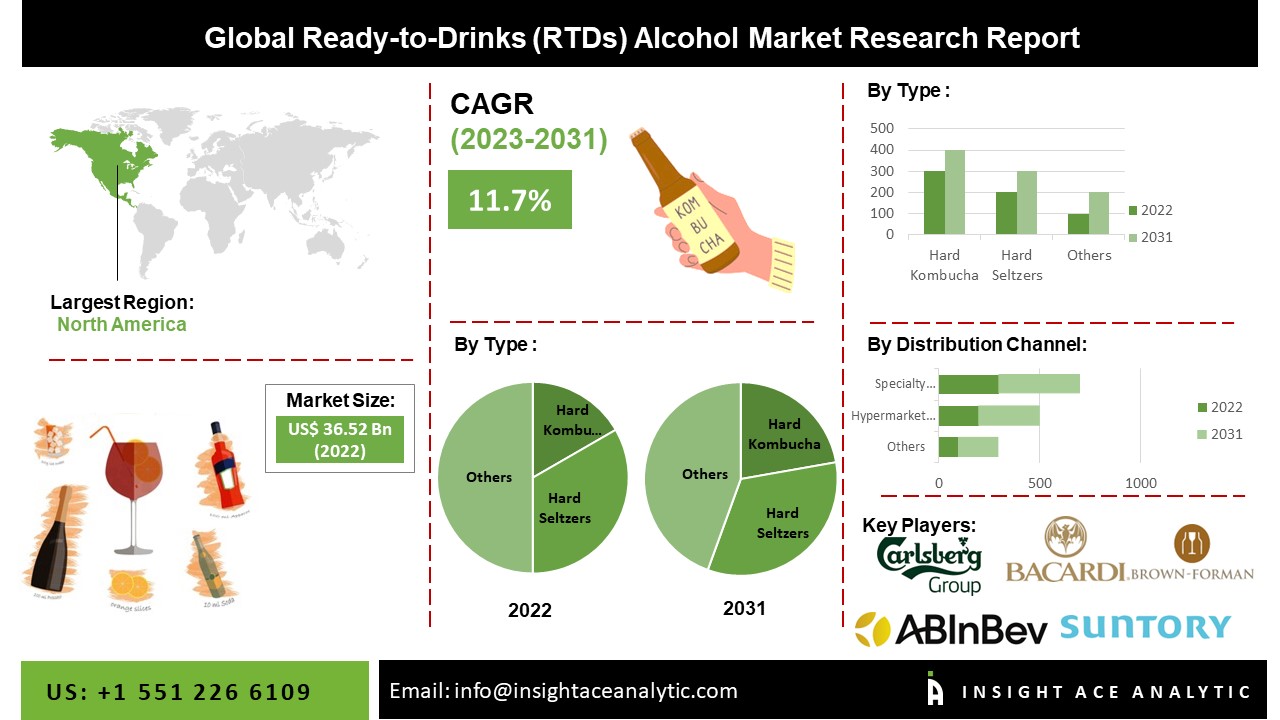
The granular breakdown of Tag Alcohol Sales Data 3 across various dimensions is essential for actionable insights. When examining beer sales, for instance, the data might reveal a strong performance for IPAs in urban markets while lagers dominate in more rural areas. Within the wine category, shifts in varietal preferences, such as a growing interest in rosés or sparkling wines, would be evident. For spirits, the data could highlight the ascendancy of gin and tequila over traditional favorites like vodka and whiskey, or the increasing demand for flavored spirits. Ready-to-drink (RTD) categories, encompassing hard seltzers, canned cocktails, and pre-mixed spirit beverages, are particularly dynamic, and Tag Alcohol Sales Data 3 would likely show significant growth and innovation within this segment. The performance of different package sizes is also a critical factor. A rise in single-serve cans might indicate a preference for convenience and portability, while an increase in larger format bottles could signal increased home consumption or value-seeking behavior. The analysis of price points is equally vital. Distinguishing between sales of value brands, mid-tier offerings, and premium or super-premium products allows for a nuanced understanding of consumer purchasing power and brand perception. Examining sales by channel is fundamental to understanding where and how consumers are purchasing alcohol. The data would differentiate between the robust volume often seen in off-premise retail (liquor stores, supermarkets) versus the higher average transaction value in on-premise establishments (bars, restaurants), and the rapidly expanding online retail sector. Geographical segmentation allows for the identification of regional market characteristics and the tailoring of strategies to local tastes and demographics.
Optimizing strategies based on Tag Alcohol Sales Data 3 involves a multi-pronged approach. For product development, manufacturers can use the data to identify gaps in the market or opportunities to refine existing products. If Tag Alcohol Sales Data 3 shows a declining trend for a particular flavor profile, product innovation might focus on developing new, more appealing flavor options. Marketing strategies can be refined to target specific consumer segments identified through the data. For example, if data suggests that younger consumers are driving the growth of canned cocktails, marketing campaigns can be tailored to appeal to this demographic through relevant social media platforms and influencer collaborations. Distribution networks can be optimized by identifying underperforming regions or channels and reallocating resources accordingly. If Tag Alcohol Sales Data 3 indicates a significant untapped market potential in a particular state, distributors might focus on expanding their reach and establishing new partnerships within that region. Pricing strategies can be informed by analyzing price elasticity and competitor pricing. If the data shows that consumers are highly price-sensitive for a particular product, promotional pricing or value-oriented offerings might be considered. Inventory management for retailers can be significantly improved by accurately forecasting demand based on historical sales patterns revealed in Tag Alcohol Sales Data 3. This reduces the risk of stockouts and minimizes costly overstocking. Finally, for policymakers, Tag Alcohol Sales Data 3 can inform decisions related to taxation, regulation, and public health initiatives, providing evidence-based insights into consumption patterns and their potential societal impacts.
The SEO value of an article discussing "Tag Alcohol Sales Data 3" stems from the direct relevance of these keywords to industry professionals, market analysts, and researchers. By thoroughly exploring the various facets of this data, including consumer behavior, market dynamics, economic implications, and strategic applications, the article naturally incorporates a wide range of related long-tail keywords. These include terms like "alcohol sales trends," "beverage market analysis," "consumer purchasing patterns alcohol," "wine sales data," "beer market insights," "spirit consumption statistics," "ready-to-drink market growth," "on-premise vs. off-premise sales," "alcohol retail performance," and "craft beverage market share." The structured approach, delving into specific categories and dimensions of the data, further enriches the SEO profile by naturally integrating keywords such as "IPA sales data," "Cabernet Sauvignon market trends," "gin consumption statistics," and "hard seltzer sales growth." The emphasis on actionable insights and strategic applications also attracts search queries related to "alcohol sales forecasting," "beverage marketing strategies," and "alcohol distribution optimization." By providing comprehensive, keyword-rich content that addresses the core questions and interests of stakeholders in the alcohol industry, this article aims to achieve high visibility in search engine results, driving organic traffic from relevant audiences. The inclusion of "3" in the title and throughout the article, while potentially referencing a specific dataset iteration, also serves as a unique identifier for users searching for that particular version of the data, further enhancing discoverability for those with specific information needs. The continuous refinement of keyword strategies in relation to the temporal or iterative nature of such datasets is essential for sustained SEO performance.

