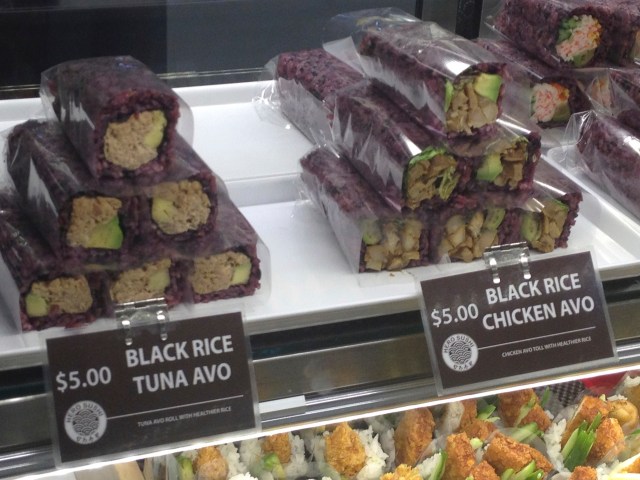

Black Rice Sushi: A Culinary Exploration of Flavor, Nutrition, and Sustainability
Black rice, also known as forbidden rice or emperor’s rice, is a culinary treasure with a rich history and a burgeoning popularity in modern cuisine, particularly within the realm of sushi. Its distinctive ebony hue, nutty flavor, and impressive nutritional profile make it a captivating alternative to traditional white sushi rice. This article delves deep into the world of black rice sushi, exploring its origins, culinary characteristics, health benefits, preparation techniques, and its growing appeal to discerning palates seeking both taste and well-being. By understanding the nuances of this ancient grain, chefs and home cooks alike can unlock a new dimension of sushi creation, offering visually stunning and nutritionally superior dishes.
The historical significance of black rice cannot be overstated. Originating in China, this nutrient-dense grain was once reserved exclusively for the imperial family and high-ranking officials. Its rarity and the associated prestige led to the moniker "forbidden rice," as commoners were forbidden from consuming it. This exclusivity not only cemented its status as a symbol of royalty but also ensured its cultivation was meticulously controlled, preserving its unique qualities. Over centuries, black rice cultivation spread to other parts of Asia, including Japan, Korea, and Southeast Asia, where it gradually became more accessible, though it always retained a certain mystique and was often used for special occasions. Its re-emergence in global cuisine, especially as a healthy food trend, has brought this ancient grain back into the culinary spotlight, allowing its inherent goodness to be appreciated by a wider audience. The traditional method of cooking black rice involves soaking, much like other whole grains, followed by simmering until tender. This process helps to unlock its complex flavors and makes it more digestible.
The sensory experience of black rice sushi is a significant part of its appeal. Unlike the mild, subtly sweet profile of sushi rice (short-grain Japonica rice), black rice offers a more robust and complex flavor. It possesses an inherent nuttiness, reminiscent of almonds or walnuts, with a slightly earthy undertone. This distinct flavor profile provides a delightful contrast to the typical components of sushi, such as fresh fish, vegetables, and vinegars. The texture of cooked black rice is also noteworthy. It is chewier and more toothsome than polished white rice, offering a satisfying bite that can elevate the overall mouthfeel of a sushi roll. When used in sushi, the deep, almost purplish-black grains provide a visually striking contrast to the vibrant colors of the fillings, creating an aesthetically pleasing presentation that is as appealing to the eyes as it is to the palate. This visual impact is crucial in the world of sushi, where presentation is an integral part of the dining experience. The unique color is attributed to anthocyanins, the same powerful antioxidants found in blueberries and blackberries, further enhancing its allure.
The nutritional superiority of black rice over its white counterpart is a primary driver of its growing popularity, especially within health-conscious communities. Black rice is a whole grain, meaning it retains all parts of the grain kernel, including the bran, germ, and endosperm. This makes it significantly richer in fiber, vitamins, and minerals. It is an excellent source of dietary fiber, which aids in digestion, promotes satiety, and helps regulate blood sugar levels. The fiber content contributes to its slightly chewier texture and slower digestion rate, preventing rapid spikes in blood glucose. Furthermore, black rice is packed with antioxidants, particularly anthocyanins, which are responsible for its dark pigmentation. Anthocyanins have been linked to a wide array of health benefits, including anti-inflammatory properties, protection against oxidative stress, and potential roles in cardiovascular health and cognitive function. It also contains essential minerals such as iron, which is vital for oxygen transport in the blood, and manganese, crucial for bone health and metabolism. Compared to white rice, which is largely stripped of its bran and germ during processing, black rice offers a much more comprehensive nutritional package.
Preparing black rice for sushi requires a slightly different approach than that for traditional sushi rice. Due to its whole grain nature and higher fiber content, black rice generally requires a longer cooking time. It is essential to rinse the rice thoroughly before cooking to remove any surface starch and impurities. Soaking the rice for at least 30 minutes, and sometimes up to a few hours, can significantly reduce cooking time and improve texture. The ideal ratio of water to rice is crucial; typically, a 1:2 or 1:2.5 ratio of rice to water is a good starting point, but this can be adjusted based on personal preference and the specific type of black rice. After cooking, much like sushi rice, black rice benefits from being seasoned with a sushi vinegar mixture. This mixture typically comprises rice vinegar, sugar, and salt, balanced to impart the characteristic tang and slight sweetness of sushi rice. However, when seasoning black rice, it is important to adjust the quantities of sugar and vinegar. The inherent nutty flavor of black rice can sometimes be masked by an overly sweet or acidic seasoning. Experimentation is key to finding the perfect balance that complements, rather than overpowers, the grain’s natural taste. The cooked and seasoned black rice should be cooled to room temperature before being used for sushi preparation, ensuring it has the right consistency for rolling.
The versatility of black rice sushi extends to its application in various sushi formats. Nigiri, a traditional form of sushi consisting of a hand-pressed mound of rice topped with a slice of raw fish or other seafood, can be reimagined with a base of seasoned black rice. The dark color of the rice provides a dramatic backdrop for the delicate pinks and oranges of salmon or tuna. Maki rolls, where rice and fillings are rolled up in a sheet of nori (seaweed), are another excellent canvas for black rice. The textural contrast between the chewy black rice, the crisp vegetables, and the tender seafood is particularly pronounced in maki. For a visually stunning presentation, consider a "inside-out" roll (uramaki), where the rice is on the outside, showcasing the beautiful black grains. Black rice can also be incorporated into temaki (hand rolls) or even used as a base for chirashi bowls, a deconstructed sushi dish featuring assorted toppings scattered over a bed of sushi rice. The earthy notes of black rice pair exceptionally well with ingredients like avocado, cucumber, shiitake mushrooms, and even seared scallops or duck. For vegan and vegetarian sushi options, black rice serves as a robust and flavorful foundation, allowing ingredients like marinated tofu, grilled portobello mushrooms, and pickled vegetables to shine.
The growing popularity of black rice sushi is also intertwined with broader trends in culinary sustainability and a conscious effort to incorporate nutrient-dense, ancient grains into the diet. As consumers become more aware of the environmental impact of food production and the importance of healthy eating, grains like black rice, which require less water and are often grown using more sustainable practices than highly processed white rice varieties, gain favor. The "ancient grains" movement emphasizes the nutritional benefits and historical significance of grains that have been cultivated for centuries, and black rice is a prime example of this. Its ability to thrive in diverse conditions and its resilience make it an appealing choice for both farmers and consumers. Furthermore, the increasing demand for visually appealing and innovative food experiences in the restaurant industry has propelled black rice sushi into the mainstream. Food bloggers, chefs, and home cooks are continuously exploring new ways to incorporate this unique ingredient, contributing to its ongoing recognition and appreciation.
The selection of high-quality black rice is paramount to achieving optimal results in black rice sushi. While many varieties exist, Japonica black rice is often preferred for sushi due to its stickiness and ability to hold its shape when seasoned and rolled. Look for rice that is free from broken grains and has a consistent deep color. Purchasing from reputable suppliers who can attest to the freshness and origin of the rice is also advisable. Storage of uncooked black rice is straightforward; it should be kept in an airtight container in a cool, dry place, similar to other dried grains. Once cooked, it is best used within a day or two, stored in the refrigerator, and reheated gently if necessary, though fresh preparation is always ideal for the best texture and flavor.
The culinary innovation associated with black rice sushi is boundless. Chefs are experimenting with unique flavor combinations, showcasing the grain’s adaptability. For instance, a roll featuring seared tuna with a yuzu-avocado sauce and black rice creates a harmonious blend of citrus, creamy, and nutty notes. Another exciting possibility is a roll with grilled eel (unagi) and a balsamic glaze, where the sweetness of the eel and the tang of the glaze complement the earthiness of the black rice. For a touch of luxury, consider topping black rice nigiri with a dollop of uni (sea urchin) or a sprinkle of ikura (salmon roe), where the rich, briny flavors of the seafood are beautifully balanced by the subtle nuttiness of the rice. The visual contrast remains a key element in these creative endeavors, with the deep black grains providing a sophisticated canvas for vibrant toppings. This focus on both aesthetic appeal and complex flavor profiles solidifies black rice sushi as a leading example of contemporary culinary artistry.
Beyond its direct use in sushi rolls and nigiri, black rice can also be creatively incorporated into other sushi-adjacent dishes. A small portion of seasoned black rice can be served as a side to a sushi platter, offering a textural and nutritional counterpoint. It can also be used to create colorful sushi bowls, layered with various toppings and sauces for a visually stunning and satisfying meal. The slightly firmer texture of cooked black rice also lends itself well to being formed into small patties or bases for canapés, offering a unique alternative to traditional cracker bases. The potential applications are limited only by culinary imagination, highlighting the adaptability and widespread appeal of this remarkable grain.
In conclusion, black rice sushi represents a compelling fusion of ancient tradition and modern culinary innovation. Its distinctive color, robust flavor, and impressive nutritional profile offer a captivating alternative to conventional sushi. From its imperial origins to its current status as a sought-after ingredient, black rice continues to impress with its versatility and health benefits. By understanding its unique characteristics and employing appropriate preparation techniques, chefs and home cooks can unlock the full potential of black rice sushi, creating dishes that are not only visually stunning but also deeply satisfying and remarkably nutritious, catering to the growing demand for both flavor and well-being in the global culinary landscape. The continued exploration of its applications promises to further solidify its place as a cherished component of contemporary cuisine.

