
DIY Sugar Scrub: Nourish & Exfoliate Your Skin at Home
The quest for smooth, radiant skin often leads to the beauty counter, a dizzying array of lotions, potions, and scrubs promising miracles. Yet, the secret to achieving that coveted glow might be simpler and more affordable than you imagine. Homemade sugar scrubs offer a powerful, customizable, and natural way to exfoliate, nourish, and revitalize your skin from the comfort of your own home. This comprehensive guide will delve deep into the world of DIY sugar scrubs, exploring their benefits, the essential ingredients, versatile recipes, application techniques, and tips for maximizing their effectiveness, all while ensuring you can easily find this information through optimized search terms.
The primary benefit of incorporating a homemade sugar scrub into your skincare routine is effective exfoliation. Our skin is constantly shedding dead cells, a natural process that can leave our complexion dull and rough if not assisted. Sugar, particularly granulated sugar, acts as a physical exfoliant. Its granules gently buff away these dead skin cells, revealing the fresh, healthy skin underneath. This process is crucial for improving skin texture, making it smoother and softer to the touch. Beyond the surface-level improvements, regular exfoliation with a sugar scrub stimulates cell turnover. This enhanced regeneration process can contribute to a more youthful appearance by diminishing the visibility of fine lines and wrinkles over time. Furthermore, by removing the layer of dead skin cells that can clog pores, sugar scrubs help to prevent breakouts, making them a valuable tool for acne-prone individuals. The improved circulation that results from the gentle massage during application also contributes to a healthy, rosy glow.
The customization aspect of homemade sugar scrubs is a significant advantage. Unlike pre-packaged products that cater to a broad audience, a DIY scrub can be tailored precisely to your individual skin type and concerns. Do you have dry, flaky skin? You can amp up the moisturizing ingredients. Is your skin sensitive? You can opt for gentler sugar types and carrier oils. Are you seeking specific benefits like anti-aging or brightening? You can incorporate targeted essential oils and other beneficial additions. This personalized approach ensures that you’re not just exfoliating, but also actively treating and nourishing your skin with ingredients that are most beneficial for you. This level of control over ingredients also appeals to those seeking natural and organic skincare solutions. Many commercial products contain synthetic fragrances, parabens, and other chemicals that some individuals prefer to avoid. With a homemade scrub, you are in complete control of what goes onto your skin, ensuring a pure and wholesome treatment.
The foundational ingredients for any sugar scrub are surprisingly simple: sugar and a carrier oil. Granulated sugar is the most common choice, but different types offer distinct exfoliating properties. Brown sugar, with its finer granules and molasses content, is gentler and more moisturizing, making it ideal for sensitive or dry skin. White granulated sugar offers a more vigorous exfoliation. Raw sugar or turbinado sugar, with their larger, coarser crystals, provide a more intense exfoliation, best suited for tougher skin areas like elbows, knees, and feet. For those seeking a superfine exfoliation, caster sugar can be used. The choice of sugar impacts the texture and intensity of the scrub, allowing for further personalization.
Carrier oils are the second essential component, acting as the binding agent and providing crucial moisturizing and nourishing benefits. These oils help the sugar granules glide over the skin, preventing harsh abrasion, and they deliver vitamins, fatty acids, and antioxidants that hydrate, soothe, and protect. Coconut oil is a popular and versatile choice, known for its antibacterial and moisturizing properties. It solidifies at room temperature, so it can create a thicker scrub, and it readily absorbs into the skin. Sweet almond oil is another excellent option, rich in vitamin E, which is a powerful antioxidant that helps to protect the skin from damage and promote a healthy complexion. It’s lightweight and absorbs well, making it suitable for most skin types. Jojoba oil closely mimics the skin’s natural sebum, making it excellent for balancing oil production and is highly compatible with all skin types, including oily and acne-prone skin. Grapeseed oil is a light, non-greasy oil that is rich in linoleic acid, which can help to strengthen the skin’s barrier function and is beneficial for acne-prone skin. Olive oil, particularly extra virgin olive oil, is deeply moisturizing and rich in antioxidants, making it a fantastic choice for very dry or mature skin. Avocado oil is exceptionally nourishing and rich in vitamins A, D, and E, ideal for dry, mature, or sun-damaged skin.
Beyond the basic sugar and oil combination, a world of beneficial additions awaits to elevate your DIY sugar scrub. Essential oils are potent plant extracts that can add therapeutic properties and delightful aromas. For example, lavender essential oil is renowned for its calming and soothing properties, perfect for a relaxing bedtime scrub. Tea tree oil possesses powerful antibacterial and antifungal properties, making it a great addition for acne-prone skin. Lemon essential oil can help to brighten the skin and has astringent properties, but it must be used with caution due to its phototoxicity (avoid sun exposure after use). Peppermint essential oil provides a refreshing and invigorating sensation, particularly beneficial for tired feet. For an anti-aging boost, frankincense or sandalwood essential oils can be incorporated. When using essential oils, always dilute them properly in the carrier oil; a general guideline is 10-15 drops of essential oil per half cup of carrier oil, adjusting based on individual sensitivity and the potency of the oil.
Other nourishing additions can further enhance your scrub. Honey, particularly raw or manuka honey, is a natural humectant, meaning it draws moisture to the skin, and it possesses antibacterial and anti-inflammatory properties. It can add a lovely sweetness and stickiness to the scrub. Ground oatmeal, particularly colloidal oatmeal, is incredibly soothing and can help to calm irritated or sensitive skin. It also provides a gentle exfoliation. Coffee grounds, especially used coffee grounds, are rich in antioxidants and caffeine, which can temporarily tighten the skin and improve circulation, making them excellent for cellulite-prone areas. Spices like cinnamon can add a warming and stimulating effect, but use sparingly as they can be irritating for some. Vanilla extract can add a comforting aroma and is packed with antioxidants. Vitamin E oil can be added to boost the antioxidant content and further nourish the skin.
Creating your own homemade sugar scrub is a simple and rewarding process. For a basic scrub, combine one cup of your chosen sugar with half a cup of your preferred carrier oil. Stir thoroughly until the sugar and oil are well combined, creating a paste-like consistency. If the mixture is too dry, add a little more oil, a teaspoon at a time. If it’s too oily, add a little more sugar. Once you have your base scrub, you can incorporate your chosen essential oils and other beneficial additions. Gently stir them in until evenly distributed. Store your finished scrub in an airtight container, preferably glass, in a cool, dry place. Properly stored, homemade sugar scrubs can last for several months.
When it comes to application, the process is straightforward and deeply satisfying. Begin by cleansing your skin. For a body scrub, this means stepping into a warm shower or bath. Apply a generous amount of your homemade sugar scrub to damp skin. Gently massage the scrub in circular motions, focusing on areas that tend to be drier or rougher, such as elbows, knees, and heels. Avoid applying excessive pressure; let the sugar granules do the work. For the face, use a much gentler approach, employing finer sugars like brown or caster sugar and using very light pressure. After massaging for a minute or two, rinse the scrub thoroughly with warm water. Pat your skin dry with a soft towel, and follow up with your favorite moisturizer to lock in hydration.
The frequency of using a sugar scrub depends on your skin type and sensitivity. For most individuals, exfoliating 1-2 times per week is sufficient. Over-exfoliation can lead to irritation, redness, and a compromised skin barrier. Those with very oily or resilient skin might tolerate more frequent exfoliation, while those with sensitive or dry skin should stick to once a week or even less. Pay attention to how your skin responds. If you experience any discomfort or irritation, reduce the frequency or choose a gentler formulation. It’s also advisable to perform a patch test on a small area of skin before applying a new scrub to your entire face or body, especially if you have sensitive skin or are using new essential oils.
For those specifically seeking an SEO-friendly approach to this information, consider the following keywords and phrases that would be naturally integrated throughout such an article: "DIY sugar scrub," "homemade body scrub," "exfoliating scrub recipe," "natural skincare," "DIY exfoliator," "sugar scrub for dry skin," "sugar scrub for face," "best homemade sugar scrub," "benefits of sugar scrub," "how to make sugar scrub," "sugar scrub ingredients," "easy sugar scrub recipe," "nourishing body scrub," "smooth skin DIY," "radiant skin secrets," "at-home spa treatments," "customizable skincare," "organic body scrub," and "gentle exfoliation." The detailed breakdown of ingredients, benefits, and application techniques naturally lends itself to these search terms, ensuring that individuals looking for effective and natural skincare solutions can easily discover the wealth of information provided.
Beyond the basic recipes, there are many variations to explore. A "coffee body scrub" is fantastic for stimulating circulation and tackling cellulite. Combine used coffee grounds with a carrier oil and a touch of brown sugar for added exfoliation. A "vanilla sugar scrub" offers a comforting and antioxidant-rich experience. A "lavender sugar scrub" is perfect for a relaxing evening routine, promoting a sense of calm. For a refreshing burst, a "citrus sugar scrub" using lemon or grapefruit essential oils can invigorate the senses. Remember to always use phototoxic citrus oils with caution, avoiding sun exposure afterward. For those looking to address dullness, a "brightening sugar scrub" might incorporate ingredients like vitamin C powder (used carefully) or turmeric (in small amounts to avoid staining).
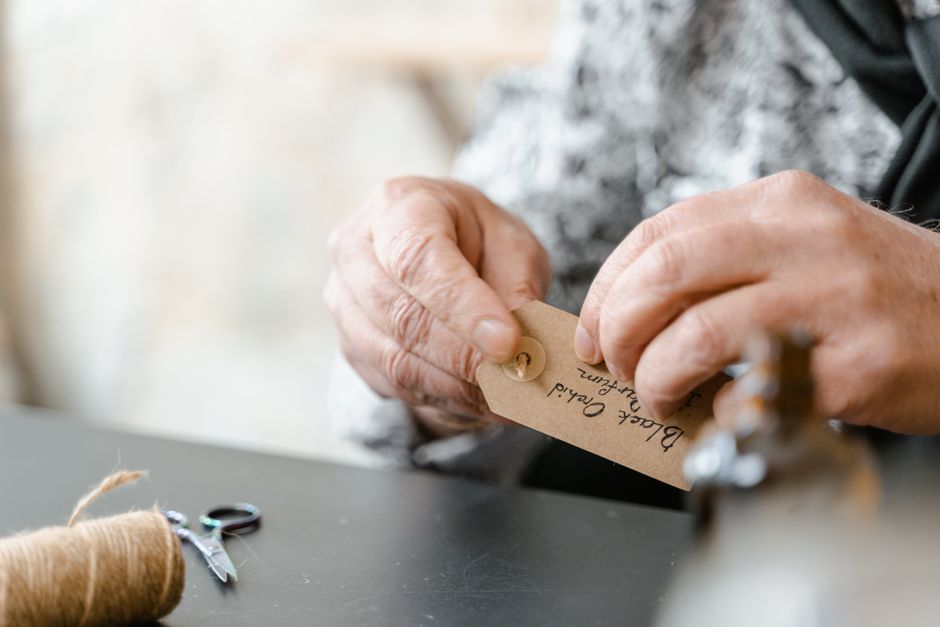
When it comes to storage, airtight containers are paramount to prevent the oil from oxidizing and to keep moisture out, which can lead to bacterial growth. Glass jars are often preferred as they are non-reactive and can be easily sterilized. Labeling your scrubs with the date of creation is also a good practice to keep track of freshness. If your scrub separates over time, it’s usually a sign that the oil and sugar haven’t fully emulsified. A gentle stir will typically resolve this. If you notice any mold or an off smell, it’s time to discard the batch and make a fresh one.
In conclusion, mastering the art of the homemade sugar scrub empowers you to take control of your skincare. It’s a journey of natural ingredients, personalized formulations, and ultimately, a path to achieving softer, smoother, and more radiant skin. By understanding the core components, experimenting with beneficial additions, and applying them mindfully, you unlock a powerful and affordable tool for self-care that rivals any salon treatment. Embrace the simplicity, revel in the customization, and enjoy the tangible results of your DIY exfoliating endeavors.

