How to refresh hollow core doors sets the stage for this enthralling narrative, offering readers a glimpse into a story that is rich in detail and brimming with originality from the outset. Whether you’re looking to breathe new life into your home’s interior or simply want to spruce up your entryway, refreshing your hollow core doors is a surprisingly rewarding project.
These doors, often found in budget-friendly homes, can easily be transformed with a few simple techniques and a touch of creativity.
From assessing the door’s condition to choosing the right refreshing techniques, this guide will walk you through every step, equipping you with the knowledge and confidence to tackle this project with ease. Whether you’re a seasoned DIY enthusiast or a first-time renovator, this comprehensive guide will help you achieve a stunning transformation that will enhance your home’s aesthetic appeal and elevate its overall ambiance.
Understanding Hollow Core Doors
Hollow core doors are a common and versatile type of door used in various residential and commercial settings. They are known for their affordability, lightweight nature, and ease of installation. Understanding the construction and features of hollow core doors can help you make informed decisions about their suitability for your specific needs.
Construction of Hollow Core Doors
Hollow core doors consist of a lightweight frame made of wood or composite materials. The core of the door is typically filled with a honeycomb-like structure made of cardboard or foam, providing structural integrity and insulation. This core is then covered with a thin veneer of wood or other materials, creating a smooth surface for painting or finishing.
Common Features of Hollow Core Doors
Hollow core doors are characterized by several key features that influence their performance and applications:
Advantages
- Lightweight and easy to handle:Their hollow core construction makes them significantly lighter than solid core doors, making them easier to install and handle, especially for DIY projects.
- Affordable:The use of less expensive materials and simpler construction methods makes hollow core doors a cost-effective option compared to solid core doors.
- Good sound insulation:The honeycomb core provides a degree of sound insulation, reducing noise transmission between rooms.
- Versatile finishes:Hollow core doors can be easily painted, stained, or covered with wallpaper, allowing for customization to match any décor.
Disadvantages
- Lower durability:Compared to solid core doors, hollow core doors are less resistant to damage and may dent or warp more easily.
- Limited soundproofing:While they offer some sound insulation, hollow core doors are not as effective at blocking noise as solid core doors.
- Lower fire resistance:The hollow core can contribute to faster fire spread compared to solid core doors.
Applications of Hollow Core Doors
Hollow core doors are widely used in various settings, including:
- Residential homes:They are commonly used as interior doors in bedrooms, bathrooms, and closets, offering a balance of affordability and functionality.
- Commercial buildings:Hollow core doors are often used in offices, retail spaces, and other commercial settings where cost and ease of installation are important considerations.
- Temporary structures:Their lightweight nature makes them suitable for temporary structures, such as construction trailers and portable offices.
Assessing the Need for Refreshing
Before diving into the refreshing process, it’s essential to assess whether your hollow core door truly needs a makeover or if a complete replacement is more suitable. A thorough evaluation will help you make an informed decision and avoid unnecessary work or expenses.
Signs Indicating a Need for Refreshing
Several signs can indicate that your hollow core door needs a refresh. These visual cues often point to wear and tear, highlighting the need for aesthetic or functional improvements. Here’s a checklist of common indicators:
- Scratches and Dents:These blemishes can detract from the door’s appearance and, in some cases, compromise its structural integrity. Scratches can be shallow or deep, while dents can be minor or significant, impacting the door’s overall look.
- Faded Paint:Over time, exposure to sunlight and environmental factors can cause the paint on your hollow core door to fade. This can make the door look dull and discolored, especially if it’s a lighter shade.
- Damaged Trim:The trim surrounding the door, including the casing and molding, can also show signs of wear. Chipped or cracked trim can affect the door’s overall appearance and may even create safety hazards.
- Loose or Damaged Hardware:The door’s hinges, knob, and other hardware can become loose or damaged over time. This can make the door difficult to open and close, and it can also create security concerns.
Factors to Consider When Deciding Between Refreshing or Replacing
Deciding whether to refresh or replace your hollow core door involves several considerations. Evaluating these factors will help you determine the best course of action based on your specific needs and circumstances.
- Severity of Damage:The extent of the damage to your door will play a significant role in your decision. If the damage is minor, such as a few scratches or a small dent, refreshing may be sufficient. However, if the door has extensive damage, including structural issues, replacement may be a better option.
- Cost:Refreshing a hollow core door is generally less expensive than replacing it. However, the cost of refreshing can vary depending on the extent of the work required. Replacing a door can be more expensive but may be the best option if the damage is severe or if you want a new style or material.
- Time Commitment:Refreshing a hollow core door can take some time, especially if you’re doing it yourself. Replacing a door can be a quicker process, but it may involve more labor and potentially longer lead times for materials.
- Personal Preferences:Ultimately, the decision of whether to refresh or replace your hollow core door comes down to your personal preferences. If you’re happy with the door’s style and functionality, refreshing may be the best option. However, if you’re looking for a change or a new style, replacing the door may be more desirable.
Reasons for Choosing to Refresh Hollow Core Doors, How to refresh hollow core doors
Many homeowners choose to refresh their hollow core doors rather than replace them for several reasons. These choices often stem from practical and economic considerations, as well as a desire to maintain the existing character of their homes.
- Cost Savings:Refreshing a hollow core door is generally less expensive than replacing it. This cost savings can be significant, especially if you’re working on a tight budget or have multiple doors to refresh.
- Preserving Existing Character:If you have older hollow core doors that contribute to the character of your home, refreshing them can help preserve their charm and historical significance. Replacing these doors with new ones could disrupt the aesthetic harmony of your home.
- Sustainability:Refreshing your existing doors rather than replacing them is a more sustainable option. It reduces waste and helps minimize the environmental impact of your home improvement project.
- DIY Potential:Refreshing a hollow core door is a relatively straightforward project that many homeowners can tackle themselves. This can save you money on labor costs and give you a sense of accomplishment.
Preparation and Cleaning
Preparing your hollow core door for refreshing is a crucial step in achieving a beautiful and long-lasting finish. It involves removing any existing hardware, sanding the surface, and thoroughly cleaning the door to ensure optimal adhesion for your new paint or stain.
Giving your hollow core doors a fresh look can be as simple as a coat of paint or a new door handle. But if you’re looking for something more substantial, you might consider the innovative technology behind the UBS Arena, home of the NHL’s New York Islanders.
Xtract One Technologies has partnered with the arena to create a cutting-edge experience, and that same ingenuity could be applied to updating your home’s doors, bringing a touch of modern flair to your space.
Removing Existing Hardware
Before starting any sanding or cleaning, remove all hardware from the door. This includes hinges, doorknobs, and any other attachments. Carefully unscrew the hardware using a screwdriver and place the screws in a safe place to avoid losing them.
Sanding the Door
Sanding the door is essential for creating a smooth surface for your new finish.
- Start with a coarse-grit sandpaper (80-100 grit) to remove any bumps, imperfections, or old paint layers.
- Progress to a medium-grit sandpaper (120-150 grit) to smooth out the surface further.
- Finally, use a fine-grit sandpaper (220-240 grit) to create a perfectly smooth finish.
Sanding in the direction of the wood grain will help to avoid scratches and ensure a consistent finish.
Cleaning the Door
After sanding, it is crucial to clean the door thoroughly to remove any dust, debris, or sanding residue. This will ensure that the new finish adheres properly and creates a smooth, even look.
- Use a damp cloth or sponge with mild soap and water to wipe down the entire surface of the door.
- Avoid using harsh chemicals or abrasive cleaners, as they can damage the door’s surface.
- Rinse the door with clean water and allow it to dry completely before applying any new finishes.
A clean and dry door will provide the best foundation for a successful refresh.
Refreshing Techniques

Refreshing your hollow core doors can significantly improve their appearance and enhance the overall aesthetic of your home. You have several options for refreshing your doors, each offering a unique look and level of effort.
Painting
Painting is a classic and versatile technique for refreshing hollow core doors. It allows you to change the color, cover blemishes, and give your doors a fresh, new look.#### Steps for Painting Hollow Core Doors:
1. Prepare the Surface
Begin by thoroughly cleaning the door surface with a damp cloth and mild detergent to remove dirt, dust, and grease. Allow the door to dry completely.
2. Sanding
Sand the entire door surface lightly with fine-grit sandpaper (120-180 grit) to create a smooth surface for the paint to adhere to. Pay particular attention to any rough spots or imperfections.
3. Prime the Door
Apply a primer specifically designed for doors and trim. This will help the paint adhere better and provide a smooth, even finish. Allow the primer to dry completely according to the manufacturer’s instructions.
4. Paint the Door
Apply two coats of high-quality interior paint, allowing each coat to dry completely before applying the next. Use a brush or roller for a smooth and even application.
5. Clean Up
Once the paint is dry, clean up any spills or drips with a damp cloth.#### Tools and Materials:* Paintbrush or roller
- Paint tray
- Drop cloths
- Sandpaper (120-180 grit)
- Primer for doors and trim
- Interior paint
- Painter’s tape (optional)
#### Safety Precautions:* Wear gloves and a mask to protect your hands and respiratory system from paint fumes.
- Ensure adequate ventilation while painting.
- Keep paint away from children and pets.
Staining
Staining is a technique that adds color and enhances the natural grain of the door’s surface. It’s a good option if you want to maintain a natural look while adding a touch of warmth and depth.#### Steps for Staining Hollow Core Doors:
1. Prepare the Surface
Clean the door thoroughly with a damp cloth and mild detergent to remove dirt, dust, and grease. Allow the door to dry completely.
Giving your hollow core doors a fresh look can be as simple as a coat of paint, but if you’re looking for a bolder transformation, consider adding some decorative trim or even wallpaper. While you’re deciding on your door makeover, why not also brighten up your spring wardrobe with some vibrant new lip colors?
Check out Trish McEvoy’s latest collection happy spring new lip colors trish mcevoy for some seriously inspiring shades. Once you’ve got your lips and doors looking their best, you’ll be ready to welcome spring in style!
2. Sanding
Sand the entire door surface lightly with fine-grit sandpaper (120-180 grit) to create a smooth surface for the stain to penetrate.
3. Apply Stain
Apply the stain evenly to the door surface using a brush or cloth. Follow the manufacturer’s instructions for application time and drying time.
4. Wipe Off Excess Stain
After the recommended application time, wipe off any excess stain with a clean cloth.
5. Apply Polyurethane
Apply a clear polyurethane finish to protect the stain and enhance its durability. Allow each coat to dry completely before applying the next.#### Tools and Materials:* Stain brush or cloth
- Stain remover (optional)
- Clear polyurethane finish
- Paint tray
- Drop cloths
- Sandpaper (120-180 grit)
#### Safety Precautions:* Wear gloves and eye protection to protect your hands and eyes from stain.
- Ensure adequate ventilation while staining.
- Keep stain away from children and pets.
Wallpapering
Wallpapering is a decorative technique that can transform the look of your hollow core doors with a variety of patterns, colors, and textures. It’s a great option if you want to add a unique and personalized touch to your doors.#### Steps for Wallpapering Hollow Core Doors:
1. Prepare the Surface
Clean the door thoroughly with a damp cloth and mild detergent to remove dirt, dust, and grease. Allow the door to dry completely.
2. Prime the Door
Apply a primer specifically designed for doors and trim. This will help the wallpaper adhere better and provide a smooth, even finish. Allow the primer to dry completely according to the manufacturer’s instructions.
3. Measure and Cut Wallpaper
Measure the door surface and cut the wallpaper strips accordingly, leaving an extra inch or two for overlap.
4. Apply Wallpaper Paste
Apply wallpaper paste to the back of the wallpaper strips according to the manufacturer’s instructions.
5. Apply Wallpaper
Carefully align the first strip of wallpaper with the top edge of the door and smooth it down with a wallpaper brush or smoothing tool.
6. Trim Excess Wallpaper
Trim any excess wallpaper with a sharp utility knife.
7. Repeat for Remaining Strips
Refreshing hollow core doors can be a fun and rewarding project. You can paint them, add wallpaper, or even cover them with fabric. While you’re looking for inspiration, be sure to check out 100 black owned kids shops for some unique and stylish ideas.
Once you’ve got your design planned, you can get started on your door refresh. A little creativity can go a long way in transforming those plain, boring doors into something truly special.
Repeat steps 4-6 for the remaining strips of wallpaper, ensuring that the strips overlap slightly.
8. Allow to Dry
Allow the wallpaper to dry completely according to the manufacturer’s instructions.#### Tools and Materials:* Wallpaper paste
- Wallpaper brush or smoothing tool
- Sharp utility knife
- Measuring tape
- Level
- Drop cloths
- Primer for doors and trim
#### Safety Precautions:* Wear gloves to protect your hands from wallpaper paste.
- Ensure adequate ventilation while wallpapering.
- Keep wallpaper paste away from children and pets.
Adding Decorative Elements
Adding decorative elements to your hollow core doors can enhance their visual appeal and create a unique statement. These elements can range from simple hardware changes to more elaborate designs.#### Techniques for Adding Decorative Elements:* Hardware Upgrades:Replacing existing door handles, knobs, hinges, and other hardware with stylish and modern options can significantly enhance the look of your doors.
Molding
Adding decorative molding around the edges of the door can create a more elegant and sophisticated look.
Stencils
Using stencils to create patterns or designs on the door surface is a creative way to add visual interest.
Decals
Applying decorative decals to the door surface is a quick and easy way to add a personalized touch.
Mirror Tiles
Installing mirror tiles on the door surface can create a unique and reflective effect.#### Tools and Materials:* New door hardware
- Decorative molding
- Stencils
- Decals
- Mirror tiles
- Adhesive
- Tools for installation (depending on the chosen element)
#### Safety Precautions:* Follow the manufacturer’s instructions for installing any decorative elements.
- Use appropriate safety gear when working with tools.
- Keep decorative elements away from children and pets.
Enhancing Door Aesthetics: How To Refresh Hollow Core Doors
Refreshing a hollow core door isn’t just about restoring its functionality; it’s also a fantastic opportunity to elevate its visual appeal and seamlessly integrate it into your home’s design. By strategically employing decorative elements and color choices, you can transform a plain door into a captivating focal point.
Decorative Elements
Adding decorative elements to a refreshed hollow core door can significantly enhance its aesthetic appeal. These elements can range from simple moldings to intricate panels, allowing you to personalize the door to complement your interior design.
- Moldings: Moldings, such as crown molding, chair rail, or picture frame molding, can add visual interest and sophistication to a door. These moldings can be applied around the door frame or directly to the door surface, creating a more elaborate look.
- Door Hardware: Door hardware, including door knobs, handles, and hinges, can have a dramatic impact on a door’s aesthetic. Choosing stylish and high-quality hardware can elevate the door’s appearance and create a cohesive design statement.
- Decorative Panels: Decorative panels, such as raised panels, recessed panels, or etched panels, can add texture and dimension to a door. These panels can be made from wood, metal, or even glass, allowing for a wide range of design possibilities.
Impact of Color and Finish
Color and finish play a crucial role in determining the overall aesthetic of a refreshed hollow core door. They can create a sense of warmth, coolness, or formality, depending on the chosen shade and finish.
- Warm Colors: Warm colors, such as reds, oranges, and yellows, can create a welcoming and inviting atmosphere. They can also make a room feel larger and brighter.
- Cool Colors: Cool colors, such as blues, greens, and purples, can create a calming and serene atmosphere. They can also make a room feel smaller and more intimate.
- Neutral Colors: Neutral colors, such as white, black, gray, and beige, can create a clean and modern look. They are also very versatile and can be easily paired with other colors and styles.
- Finishes: Finishes, such as gloss, matte, satin, or semi-gloss, can affect the way light reflects off the door and create different visual effects.
Choosing Decorative Elements
Selecting the right decorative elements for your refreshed hollow core door is essential for achieving a cohesive and stylish look. Consider the following factors:
- Existing Interior Design Style: The decorative elements should complement the existing interior design style of the room. For example, if the room has a traditional style, you might choose ornate moldings and door hardware. If the room has a modern style, you might choose sleek and minimalist elements.
- Personal Preferences: Ultimately, the choice of decorative elements should reflect your personal preferences. Choose elements that you find visually appealing and that will make you happy every time you see them.
- Budget: Decorative elements can range in price, so it’s important to set a budget before you start shopping. This will help you narrow down your options and avoid overspending.
Maintaining a Refreshed Door
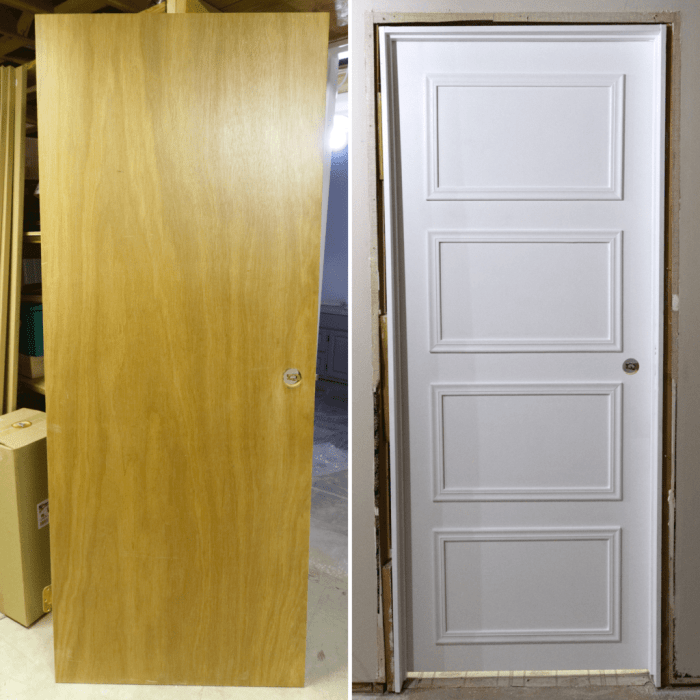
You’ve put in the effort to refresh your hollow core door, now it’s time to ensure its longevity. Maintaining a refreshed look requires a few simple steps to prevent wear and tear and keep your door looking its best.
Regular Inspection and Touch-Ups
Regular inspection is crucial for maintaining the refreshed look of your door. Over time, small scratches, chips, or faded areas can appear. Early detection allows for quick touch-ups before they become more noticeable. A quick wipe with a damp cloth can often remove dust and dirt, while a light sanding and re-application of paint or stain can address minor imperfections.
Recommended Cleaning Products and Tools
Maintaining a clean door is essential for preserving its refreshed look. Here’s a list of recommended cleaning products and tools:
- Microfiber cloths:These are ideal for gentle cleaning and dust removal. They are also effective for wiping down surfaces without leaving streaks.
- Mild soap and water:A solution of mild dish soap and warm water is sufficient for cleaning most dirt and grime. Avoid harsh chemicals that can damage the door’s finish.
- Soft-bristled brush:A soft-bristled brush is useful for cleaning crevices and hard-to-reach areas. Avoid using abrasive brushes that can scratch the surface.
- Vacuum cleaner with a brush attachment:A vacuum cleaner with a brush attachment is effective for removing dust and debris from the door’s surface and crevices.
- Furniture polish:A furniture polish can be used to add shine and protect the door’s finish. Choose a polish specifically designed for the type of finish on your door.
Avoiding Damage
Preventing damage is essential for maintaining the refreshed look of your door. Here are some tips to avoid common damage:
- Avoid using harsh chemicals:Harsh chemicals can damage the door’s finish and cause discoloration. Stick to mild cleaners and avoid using abrasive cleaners or solvents.
- Protect from moisture:Excess moisture can cause warping and damage to the door. Ensure proper ventilation and avoid placing wet objects against the door.
- Handle with care:Avoid slamming the door or using excessive force when opening or closing it. This can cause damage to the door’s frame and surface.
- Keep sharp objects away:Avoid placing sharp objects against the door, as they can scratch or dent the surface.
- Use door stops:Door stops can prevent the door from slamming into walls and damaging the door’s surface.