The island of Barbados, a cornerstone of Caribbean tourism, is currently undergoing a significant cultural and economic shift, moving away from a singular focus on ultra-high-net-worth seclusion toward a more diverse, community-centric model of travel. This transition, often described as a "renaissance," reflects a broader global trend where travelers prioritize authenticity, environmental connection, and local heritage over traditional "hustle culture" or detached luxury. While the island remains synonymous with top-tier service and pristine coastal beauty, the emerging narrative of 2026 highlights a growing interest in the rugged eastern coast, sustainable culinary practices, and a deeper engagement with the Bajan identity.
The Geographic and Cultural Landscape of Barbados
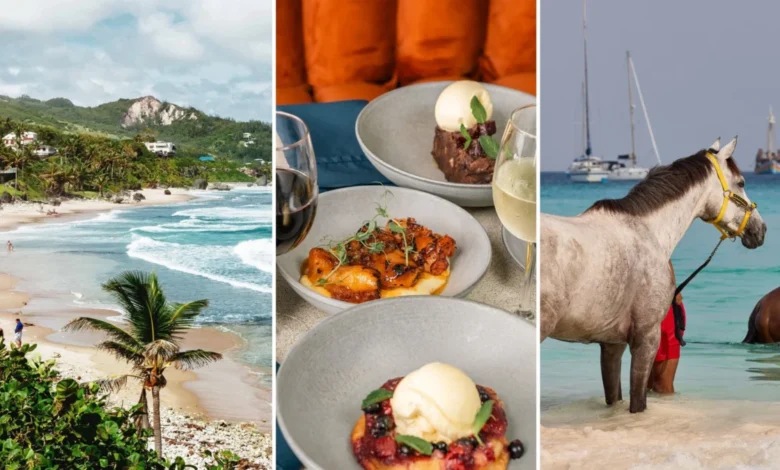
Barbados has historically been divided into distinct regions, each catering to a specific demographic. The West Coast, famously known as the "Platinum Coast," serves as the bastion of luxury, characterized by calm Caribbean waters and elite resorts. Conversely, the South Coast has evolved into a vibrant, "hipster" corridor featuring new boardwalks, casual eateries, and a burgeoning nightlife scene. The East Coast, once overlooked due to its volatile Atlantic waters and remote location—locally referred to as being "behind God’s back"—is now the epicenter of the island’s wellness and eco-tourism movement.

This geographic diversity is matched by the Bajan character, which observers describe as a blend of sharp wit, warmth, and a fierce commitment to community. This cultural bedrock has become a primary draw for a new generation of visitors who seek "real" experiences over the polished, often sterile, environments of international hotel chains.
A Chronology of the Barbadian Tourism Evolution
The trajectory of Barbados as a global destination can be traced through several pivotal eras:
- The Mid-1950s: The birth of independent luxury travel, marked by the establishment of family-owned estates like the Coral Reef Club.
- The 1970s and 1980s: Barbados becomes a creative sanctuary for international icons, including Eddy Grant, The Rolling Stones, and members of Monty Python, establishing the island’s "rock and roll" heritage.
- The 2020-2021 Transition: The introduction of the "Welcome Stamp" visa during the global pandemic allowed remote workers to reside on the island for a year, fundamentally shifting the visitor demographic from short-term vacationers to long-term residents. In late 2021, Barbados transitioned to a republic, further fueling a sense of national pride and a desire to showcase authentic Bajan culture.
- 2025-2026: The arrival of modern infrastructure, such as the launch of Uber on the island in 2025, and the opening of avant-garde boutique hotels like the Blue Monkey Hotel & Beach Club in June 2026.
The Hospitality Sector: From Legacy Estates to Boutique Innovations
The hospitality landscape in 2026 represents a duality of tradition and disruption. Sandy Lane remains the island’s most iconic institution, maintaining an exclusive clientele through decades of prestige. However, the market is increasingly being shared with boutique properties that emphasize design and personality.

Cobblers Cove and the Design-Forward Shift
Cobblers Cove, located in St. Peter, has emerged as a primary destination for a younger, affluent demographic, including Silicon Valley professionals and creative entrepreneurs. With only 40 suites and a signature pink-pastel aesthetic, the property focuses on "Insta-Eden" gardens and a highly curated, intimate atmosphere that contrasts with the sprawling scale of traditional resorts.
The Creative Heritage of Blue Monkey
Opened in June 2026 at Payne’s Bay, the Blue Monkey Hotel & Beach Club represents the "new wave" of Barbadian hospitality. Built on the site of a former hotel complex, the property leans into the island’s 1970s creative history. Its interior design—featuring retro leather sofas, Smeg appliances, and expressionist art—targets travelers seeking a "mischievous" and modern aesthetic. Furthermore, it has introduced the island’s first Lebanese restaurant, Amara, signaling a diversification of the local culinary scene.
The Endurance of Family Ownership
Amidst the rise of global brands, the Coral Reef Club and its sister property, The Sandpiper, remain notable for their continued operation by the O’Hara family since the 1950s. These establishments provide a "singular community" feel, with 94-year-old matriarch Cynthia O’Hara still hosting guest cocktail parties. This model of hospitality acts as an antidote to the impersonal nature of modern corporate resorts, fostering generational loyalty among guests.

Data and Economic Impact of Diversified Tourism
Tourism remains the primary driver of the Barbadian economy, accounting for approximately 40% of the nation’s GDP and employing nearly 30% of its workforce. Recent data indicates a shift in spending patterns. While luxury accommodation remains a high-revenue generator, there has been a 15% increase in spending within "local experience" sectors, including farm-to-table dining, guided eco-tours, and heritage sites.
The 2026 "Best Places to Go" designation for the East Coast by major travel publications has led to a surge in infrastructure investment in the parishes of St. Joseph and St. Andrew. This development is carefully managed to maintain the "raw and elemental" appeal that defines the region.
The Culinary Renaissance: From Fine Dining to Street Food
The Barbadian food scene has expanded to include high-concept fine dining alongside elevated traditional fare. The annual Rum & Food Festival in November has become a critical platform for young Bajan chefs to showcase innovation.

- Fine Dining: The Cliff remains the island’s premier gastronomic destination, famous for its raw bar and dramatic cliffside setting. It continues to be a favorite for high-profile visitors, including Barbadian national hero Rihanna.
- Modern Bajan: Cocktail Kitchen in St. Lawrence Gap, led by award-winning chef Damian Leach, exemplifies the fusion of tradition and modernity. Signature dishes like ginger-infused BBQ pig tails and Parmesan-crusted catch of the day reflect a sophisticated take on local staples.
- Authentic Traditions: The Oistins Fish Fry remains a Friday night staple, where local vendors serve grilled seafood in a communal, open-air setting. However, critics and locals alike emphasize that the "heart" of Bajan cuisine is often found at smaller, informal trestle tables, such as those found at Browne’s Beach, which serve traditional fish cakes and flying-fish cutters.
Environmental Stewardship and Marine Conservation
As the island’s reefs face threats from climate change and invasive species, the tourism sector has integrated conservation into its offerings. Scuba diving has moved beyond mere recreation to include "citizen science" initiatives.
Local dive operators, such as Reefers & Wreckers in Speightstown, report an increase in divers interested in the island’s "thriving but threatened" marine life. This includes diving at unconventional sites like the cement plant pier, which has become a habitat for seahorses and octopuses. Additionally, the hunting of invasive lionfish has become a collaborative effort between locals and visitors, combining ecological preservation with culinary exploration.
Logistics and Strategic Travel Planning
For those planning a visit in the 2026-2027 season, several logistical updates are essential for a seamless experience:

- Transportation: While ZR buses (government-run) remain the primary mode of transport for locals, the 2025 launch of Uber has provided a new layer of convenience for tourists. For high-end travelers, private chauffeur services remain the standard for navigating the island’s often-complex road networks.
- Timing: The "sweet spot" for travel is identified as May through June. This period offers a balance of lower crowds and competitive pricing, just before the onset of the peak rainy season. Mid-December through April remains the high season, characterized by maximum occupancy and premium rates.
- Sustainability Trends: Travelers are increasingly encouraged to visit "EcoLodges" and farm-to-table establishments on the East Coast to support sustainable land use and local agriculture.
Broader Implications for the Caribbean Region
The evolution of Barbados serves as a blueprint for other Caribbean nations. By diversifying its "product" to include wellness, creative heritage, and authentic local engagement, Barbados is insulating itself against the volatility of the luxury-only market.
The shift suggests that the future of Caribbean travel lies in a "complementary" approach—maintaining the "oyster grit" of raw, authentic experiences to produce the "pearl" of a high-value, sustainable tourism industry. As Barbados continues to attract a broader demographic, from Silicon Valley tech workers to wellness seekers, it reinforces its position not just as a seasonal retreat, but as a dynamic, year-round cultural hub.