The journey from the urban center of Paris to the rolling viticultural landscapes of Reims represents one of the most significant corridors for international enotourism, facilitating a deep immersion into the heritage of the world’s most prestigious sparkling wine. For many travelers, including industry professionals and culinary writers, this transition from the Seine to the Marne Valley is not merely a geographic shift but a sensory initiation into the rigorous standards of the Champagne Appellation d’Origine Contrôlée (AOC). This region, characterized by its chalky soils and cool climate, serves as the backdrop for a complex interplay between traditional production methods and the subjective experience of the consumer. As global interest in "grower" Champagnes rises, the distinction between large-scale "Maisons" and small-family producers has become a focal point for modern travelers seeking authenticity and a deeper understanding of the relationship between memory, culture, and taste.
The Geography of Viticulture: From Paris to the Grand Est
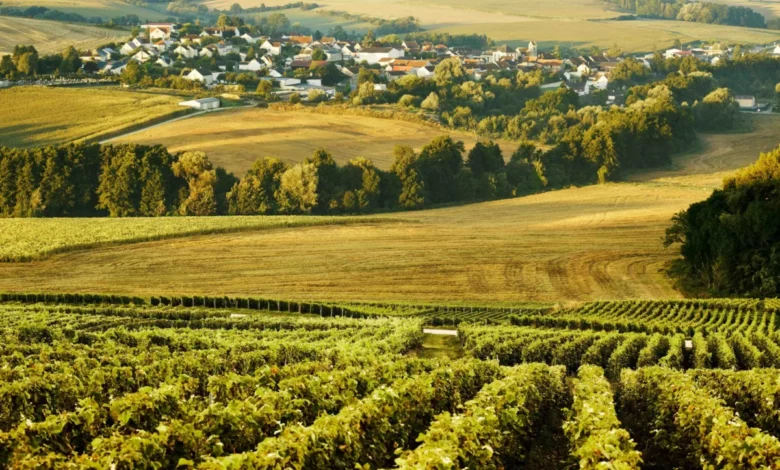
The Champagne region, situated approximately 90 miles east of Paris, is a meticulously regulated area where the term "Champagne" is legally protected under international law. Only sparkling wines produced within this specific 34,000-hectare appellation, adhering to the méthode traditionelle, can bear the name. The region’s topography is defined by undulating hills and a unique subsoil of limestone and chalk, which provides both natural drainage for the vines and a constant temperature for the subterranean aging process.
Tourism in this region has seen a marked evolution. While the city of Reims and the town of Épernay remain the primary hubs, travelers are increasingly venturing into smaller villages like Ludes and Aÿ to visit "grower" estates. These producers, known in French as Récoltant-Manipulants (indicated by the initials RM on bottle labels), are distinct from the larger "Negociant-Distributeurs" because they grow 100% of the grapes used in their wines. This micro-focus on terroir offers a different sensory profile than the standardized "house style" of larger brands, often resulting in wines that emphasize salinity, minerality, and the specific characteristics of a single harvest year.

Grower Champagne vs. Grande Marque: A Study in Production Methods
The visit to Bérèche et Fils, a family-owned estate established in 1847, highlights the technical nuances of grower-led production. Unlike the industrial scale of larger houses, these operations often utilize traditional wooden barrels for fermentation, a practice that imparts a specific texture and complexity to the wine. During the post-harvest period, the cellars of these estates become active laboratories of fermentation. The presence of yeast, uncooked dough, and ripe fruit scents are indicators of the primary and secondary fermentation stages.
Safety protocols in these cellars are stringent due to the accumulation of carbon dioxide (CO2), a natural byproduct of fermentation. In the enclosed environment of a stone cellar, CO2 levels can become hazardous, requiring staff and visitors to exercise caution when inspecting open barrels. The sensory experience of "tasting" the air—detecting the sharp, prickly sensation of the gas alongside the developing bouquet of the wine—is a fundamental part of the enological education provided during these tours.
In contrast, a visit to a "Grande Marque" like Champagne Bollinger, founded in 1829 in Aÿ, provides a perspective on historical continuity and prestige. Bollinger is one of the few remaining independent family-owned houses and is famous for its "La Côte aux Enfants" vineyard. This specific plot, located on a steep south-facing slope, was historically so difficult to harvest that legend suggests only children were agile enough to navigate the terrain. Today, it remains a symbol of the region’s commitment to preserving specific parcels of land that produce Pinot Noir of exceptional power and longevity.
Historical Preservation and the Role of the Cooperage
A significant aspect of the Champagne industry that often escapes public notice is the maintenance of wooden barrels. Many high-end Champagnes mature in oak barrels sourced from regions such as Burgundy. These barrels, some of which are over a century old, require specialized care to prevent leakage and ensure the proper micro-oxygenation of the wine.

The role of the "cooper" (tonnelier) is essential to this process. Large estates often employ dedicated coopers to manufacture, repair, and maintain the wooden staves. This craft, which dates back centuries, involves selecting the right oak, charring the interior of the barrel to influence flavor, and ensuring an airtight fit without the use of glue or nails. The preservation of these barrels is not just a matter of utility but of historical continuity, as the wood retains the "memory" of previous vintages, subtly influencing the wines of the future.
The Science of Sensory Perception: Linking Flavor to Memory
The challenge many visitors face during a professional wine tasting is the translation of liquid sensations into descriptive language. While sommeliers and cellar masters may identify notes of "hazelnut," "flint," or "sun-ripened cherries," these descriptions are rooted in a "flavor library" built through years of comparative tasting. For the average consumer, the experience is often more visceral and less categorized.
Scientific research into olfaction suggests that the sense of smell is more closely linked to the hippocampus and amygdala—the areas of the brain responsible for memory and emotion—than any other sense. This explains why a particular scent can trigger a vivid recollection of a childhood event or a specific location. In the context of wine tasting, the "palate" is not merely a physical tool but a psychological record of an individual’s cultural and culinary history.
For a writer or a non-expert, the pressure to identify specific "fruit notes" can result in sensory fatigue. However, the true value of the experience often lies in the "imagistic reach"—the ability of a flavor to evoke a personal memory that may be entirely unrelated to the formal tasting notes of the sommelier. This subjectivity is what makes the study of wine both an art and a science.

Cultural Intersectionality in Modern Parisian Gastronomy
The final leg of a typical Champagne-focused itinerary often returns to Paris, where the globalized nature of modern taste is on full display. In neighborhoods like the 10th Arrondissement and Canal Saint-Martin, a new wave of gastronomic establishments is blending traditional French techniques with international influences.
A notable example of this trend is the rise of specialty coffee and tea houses, such as the Taiwanese-inspired Laïzé. These establishments treat coffee and tea with the same analytical rigor as wine. Baristas often provide tasting notes that include floral, fermented, or earthy profiles. The discovery of a "fermented" note in a coffee—reminiscent of traditional Taiwanese ingredients like stinky tofu—illustrates the profound impact of cultural heritage on sensory perception.
While a French sommelier might look for "stone fruit" in a glass of Viognier, an individual with a different cultural background might find a completely different set of associations. This divergence highlights a key truth in the world of gastronomy: taste is not a universal constant but a localized expression of identity. The "stinky tofu" note found in a Tainan coffee blend serves as a reminder that the most powerful flavors are those that connect us to our personal histories.
The Economic Impact of Enology Tourism
The economic significance of the Champagne region cannot be overstated. According to the Comité Champagne, the region exported over 320 million bottles in 2022, with a total turnover exceeding €6 billion. Enotourism plays a vital role in this ecosystem, drawing millions of visitors annually who contribute to the local economy through tours, hospitality, and direct-to-consumer sales.
.PNG)
The 2015 designation of the "Champagne Hillsides, Houses and Cellars" as a UNESCO World Heritage site further solidified the region’s status as a global cultural treasure. This recognition has led to increased investment in sustainable tourism and the preservation of historic sites, including the Gallo-Roman chalk pits (crayères) used for wine storage.
As the industry moves forward, the focus is shifting toward environmental sustainability. The Comité Champagne has set a goal for the entire appellation to be 100% "environmentally certified" by 2030. This initiative includes reducing carbon footprints, eliminating herbicides, and improving water management. For the traveler, this means that the future of Champagne will not only be defined by the quality of the wine in the glass but by the health of the landscape from which it springs.
Conclusion: The Enduring Legacy of the Champagne Experience
The experience of visiting Champagne is a study in contrasts: the silence of the underground caves versus the vibrant activity of the harvest; the technical precision of the cellar master versus the subjective memory of the taster; and the deep roots of French tradition versus the globalized palate of the modern traveler.
Ultimately, the value of such a journey is found in the synthesis of these elements. Whether one is standing in a vineyard in Aÿ or sitting in a coffee shop in Paris, the act of paying attention to one’s senses provides a bridge between the present moment and the past. For the sommelier, the writer, and the casual tourist alike, the region of Champagne offers more than just a luxury product; it offers a framework for understanding how we perceive the world around us. The "salty" finish of a grower Champagne or the "stinky tofu" note in a cup of coffee are more than mere flavors—they are the markers of a life lived with sensory intention.