The vast, sweeping landscapes of the American West—the jagged peaks of the Rockies, the temperate rainforests of the Pacific Northwest, and the sprawling tundra of Alaska—have long served as the iconic imagery associated with the United States National Forest system. However, beyond the 100th meridian, millions of acres of federal woodlands are interspersed across the densely populated eastern half of the country. For over two decades, these vibrant ecosystems have been shielded from industrial development and fragmentation by a landmark environmental policy known as the "Roadless Rule." Today, that protection faces an existential threat as the federal government moves to dismantle these safeguards, sparking a fierce debate over the future of American conservation, wildfire management, and climate resilience.
Formally known as the Roadless Area Conservation Rule, the policy was adopted in 2001 during the final days of the Clinton administration. It was born not only from an environmentalist impulse but from a pragmatic realization within the U.S. Forest Service (USFS). By the turn of the millennium, the agency had constructed more roads than it could afford to maintain, resulting in a multibillion-dollar maintenance backlog. Many of these roads were crumbling into sensitive watersheds, fragmenting critical wildlife habitats, and degrading the drinking water supplies of downstream communities. The 2001 rule effectively barred road construction and commercial timber harvesting across nearly 60 million acres of undeveloped national forest land in 39 states. In the Eastern U.S., where development is relentless, these roadless areas represent rare pockets of ecological integrity and natural relief.
A Shift in Federal Priorities
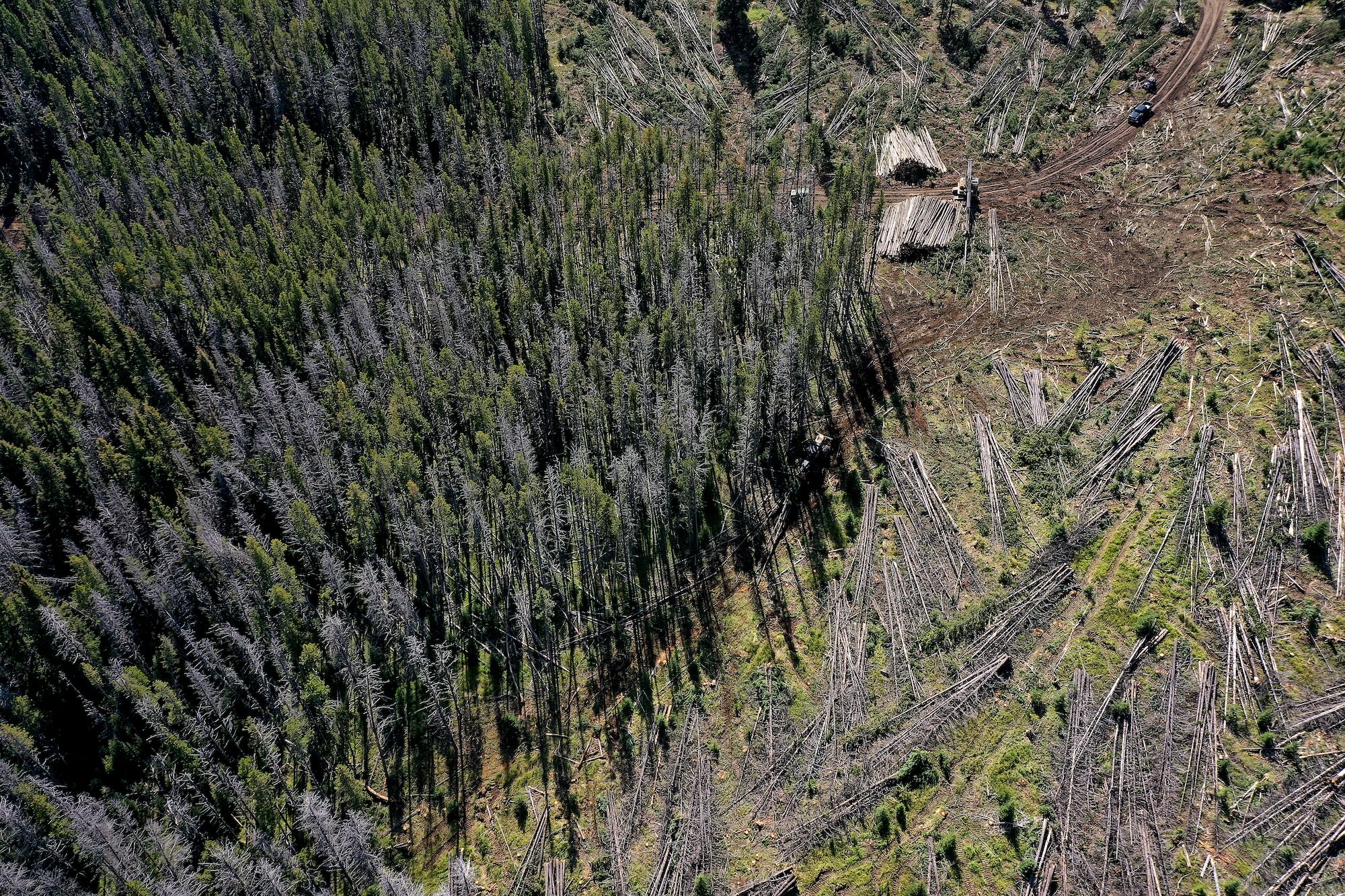
The current administration has characterized the Roadless Rule as a bureaucratic shackle that prevents proactive forest management. Agriculture Secretary Brooke Rollins has been vocal in her criticism, labeling the policy an "absurd obstruction" and "overly restrictive." The Department of Agriculture, which oversees the Forest Service, argues that the lack of road access hinders the agency’s ability to reduce wildfire risk, maintain accessibility for firefighting equipment, and promote general forest health through active thinning. According to the administration, repealing the rule would provide the Forest Service with the "flexibility" required to protect woodlands from catastrophic events while simultaneously supporting rural economies through expanded logging and mining opportunities.
This perspective is sharply contested by conservationists, scientists, and even former leaders of the Forest Service itself. Critics of the repeal argue that the administration’s stance ignores the unique ecological services provided by pristine forest expanses. Garrett Rose, a representative of the Natural Resources Defense Council (NRDC), emphasizes that these areas are a finite resource. "They are our last best stretches of national forest land," Rose noted, highlighting their role in sheltering endangered species, supporting a multi-billion dollar outdoor recreation economy, and protecting the drinking water of millions of Americans.
The opposition is bolstered by a rare consensus among former agency heads. Four former Chiefs of the Forest Service, representing a combined 150 years of experience, have formally urged the administration to preserve the rule. Vicki Christiansen, who led the agency from 2018 to 2021, warned that removing protections from these public lands would be an "irreparable tragedy" for all citizens, regardless of their economic standing.
The Geography of Protection
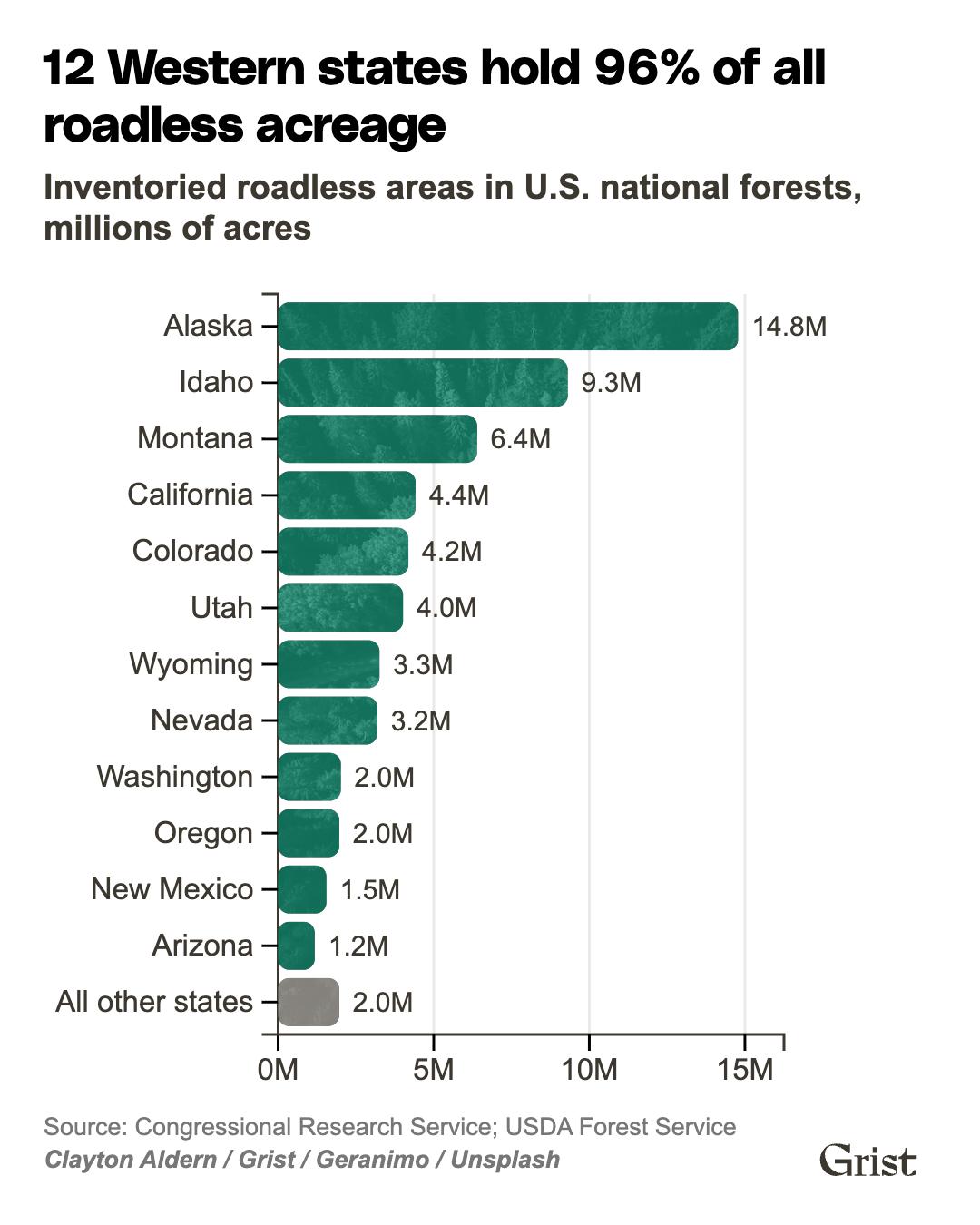
The Roadless Rule safeguards approximately one-third of all national forest land in the United States. However, the distribution of these protected areas is heavily skewed. Roughly 96 percent of roadless acreage is located in 12 Western states, where vast, contiguous forests remain the norm. East of the Mississippi River, the policy protects much smaller, more isolated, and therefore more vulnerable parcels of land.
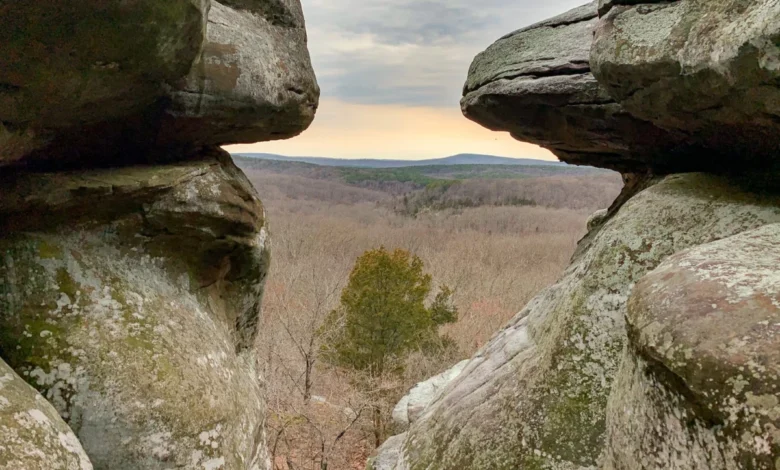
In states like Illinois, the Shawnee National Forest contains only about 4,000 acres of road-free land. Across the entire Southeast, the total is approximately 416,000 acres. While these numbers seem small compared to the millions of acres in Alaska’s Tongass National Forest, their ecological value is disproportionately high due to their scarcity in a landscape dominated by private development and infrastructure.
The administration’s effort to roll back these protections began in earnest last fall with a 21-day public comment period. This timeframe was notably shorter than the standard 60- to 90-day periods typically allotted for major regulatory changes. Despite the abbreviated window, the proposal drew more than 220,000 responses. An analysis by the advocacy group Roadless Defense found that over 99 percent of the comments were in opposition to the repeal, with citizens citing concerns over water quality, tourism, and the loss of wildlife corridors.
Case Study: Shawnee National Forest, Illinois
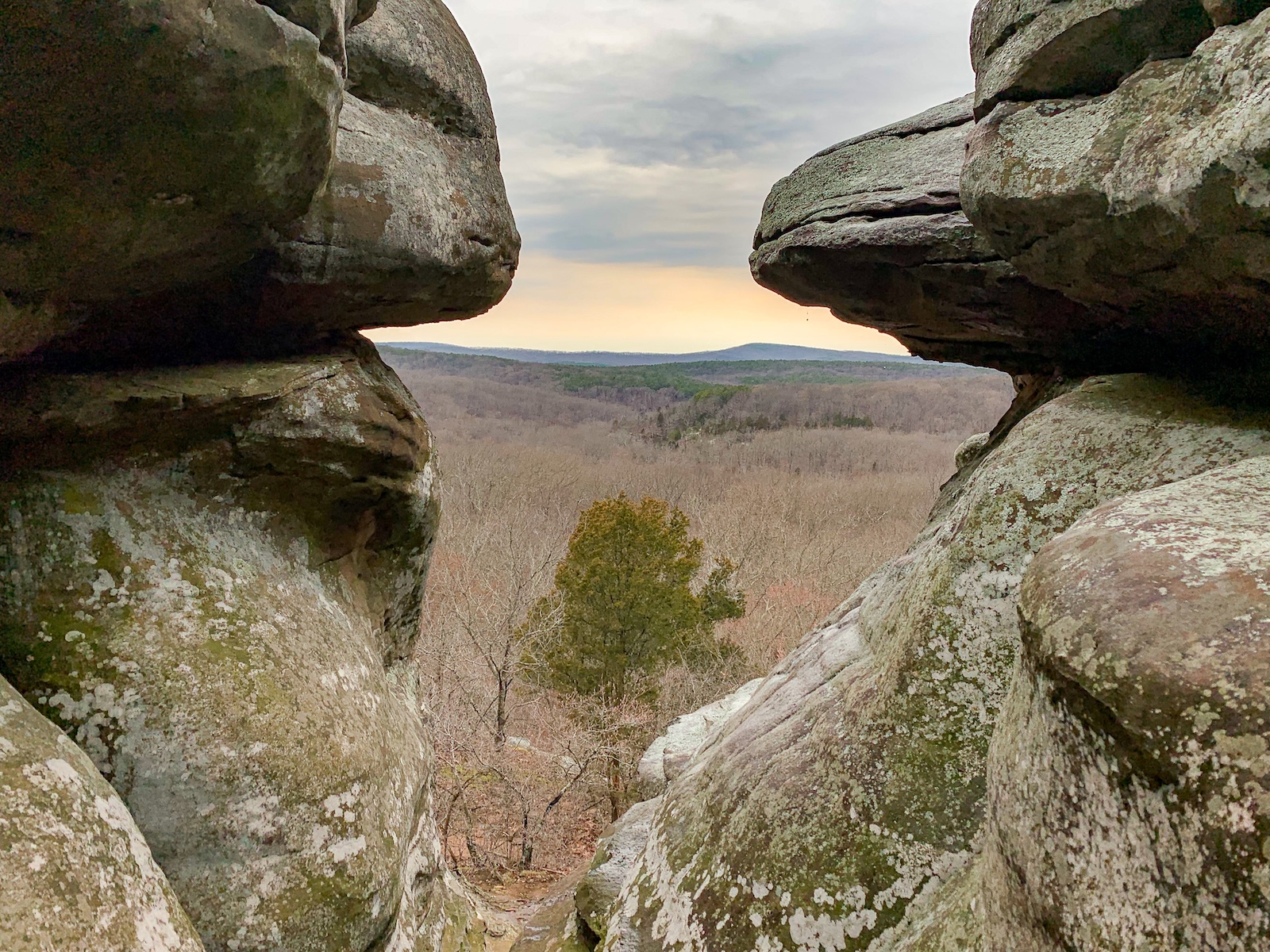
In the southern tip of Illinois, the Shawnee National Forest spans 289,000 acres of sandstone bluffs and hardwood ridges. For activists like John Wallace, the fight to protect this land is decades old. In 1990, Wallace celebrated his 31st birthday by locking himself to a log skidder to protest timber sales, a campaign that eventually led to a long-term injunction on commercial logging in the forest.
While the injunction expired in 2013, the Roadless Rule remained a final line of defense for the forest’s most sensitive areas. "The Trump administration is determined to open up our public land to industrial exploitation," Wallace said. For the Shawnee, the stakes are tied to both biodiversity and climate change. The forest’s roadless areas are critical for the cerulean warbler and the Indiana bat, species that require deep, undisturbed forest interiors to thrive.
Furthermore, the Shawnee serves as a vital carbon sink. Richard Birdsey, a senior scientist at the Woodwell Climate Research Center, explains that Eastern forests are currently in a "middle-aged" phase, typically between 80 and 120 years old. This is the biological window during which trees are most efficient at removing carbon dioxide from the atmosphere and sequestering it in their biomass and soil. A 2023 study co-authored by Birdsey found that Eastern forests have reached only about half of their carbon storage potential. If left intact, these forests could absorb an estimated 117 million metric tons of CO2 annually by 2050. Accelerating timber harvests would not only stop this sequestration but would likely turn these forests into net carbon emitters.
Case Study: Chattahoochee National Forest, Georgia
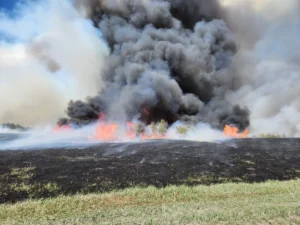
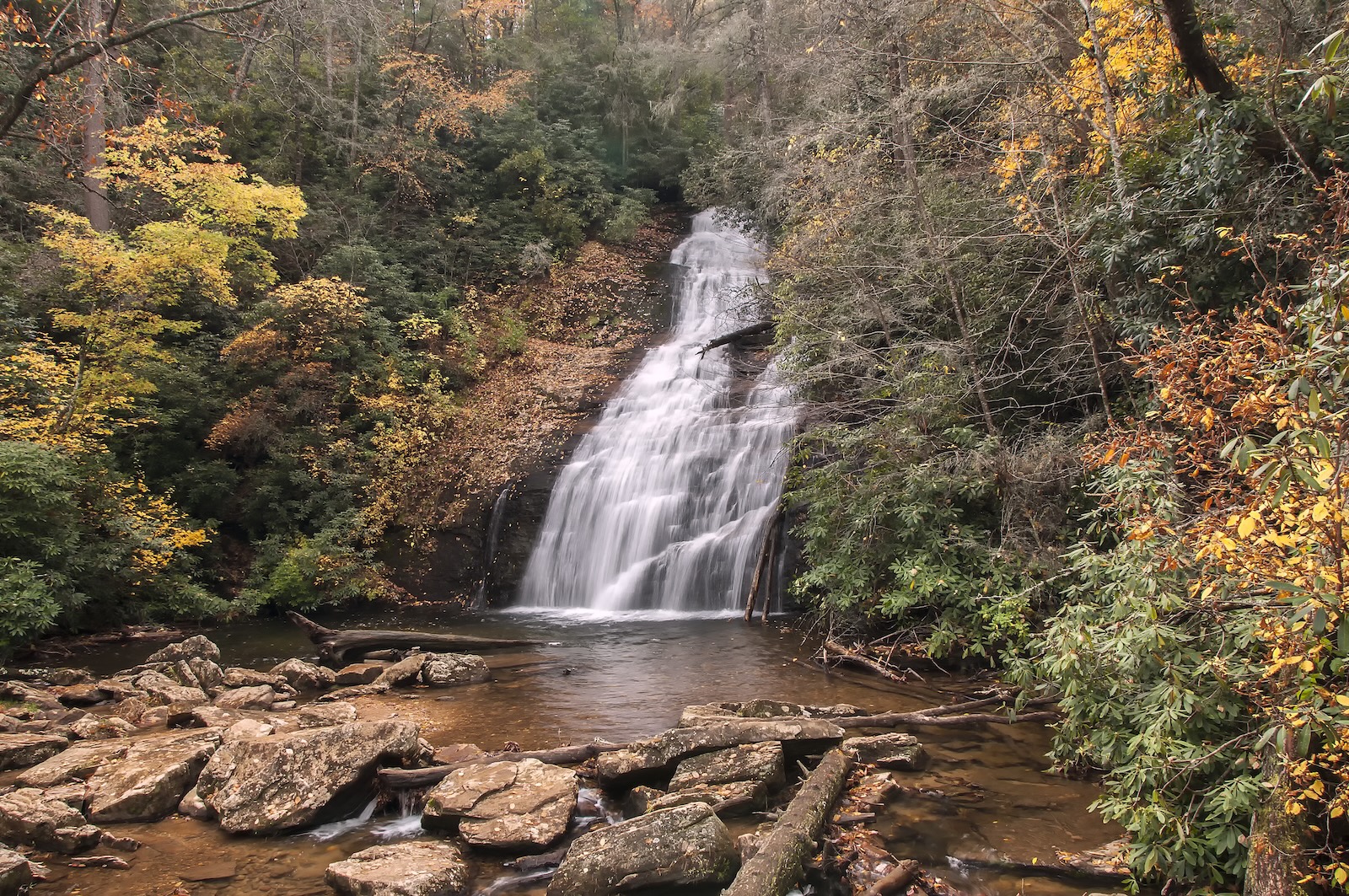
In the Appalachian foothills of northern Georgia, the Chattahoochee National Forest presents a different set of challenges. Only about 7 percent of the 751,000-acre forest is roadless. Here, the federal government’s argument centers on wildfire access. In 2016, the Rough Ridge fire burned through 28,000 acres of the forest, a blaze that officials say was difficult to manage due to the lack of infrastructure.
However, ecologists like JP Schmidt of Georgia Forest Watch argue that roads are a double-edged sword. While they provide access for fire trucks, they also provide access for humans—the primary cause of wildfires. Data from the National Interagency Fire Center shows that in 2024, humans sparked nearly 24,000 fires in the Southern region, while lightning strikes caused just 809.
"If there were more roads, there would be more access, and people might start fires, purposely or accidentally," Schmidt said. Roads facilitate the tossing of cigarettes, the sparking of exhaust pipes, and the abandonment of campfires in remote areas. Sam Evans of the Southern Environmental Law Center dismissed the administration’s wildfire safety argument as "malarkey," noting that the existing Roadless Rule already contains exemptions for emergency firefighting activities.
Case Study: Green Mountain National Forest, Vermont
In Vermont, the Green Mountain National Forest provides a sobering preview of what a post-Roadless Rule future might look like. Zack Porter, co-founder of the nonprofit Standing Trees, points to areas like Homer Stone, where 11,619 acres were labeled as roadless but lacked the full protection of the 2001 rule because they were designated later.
In recent years, the Forest Service has authorized "early successional habitat creation" in these areas—a term Porter calls "shorthand for logging." These projects have transformed century-old stands of maple and beech into what Porter describes as "moonscapes" of stumps and brambles. While the Forest Service argues that clear-cutting helps songbirds that prefer young vegetation, Porter argues it destroys the habitat of the American Marten and northern long-eared bats, while increasing the risk of runoff and flooding in a state already battered by extreme weather.
Broader Implications and Institutional Shakeups
The push to repeal the Roadless Rule is part of a wider restructuring of federal land management. In recent months, the administration shuttered 57 of the 77 research stations operated by the Forest Service, many of which were dedicated to studying invasive species and the impacts of climate change. Plans are also underway to relocate the agency’s headquarters from Washington, D.C., to Salt Lake City, Utah, a move critics say is designed to trigger a "brain drain" of experienced career scientists and policy experts.
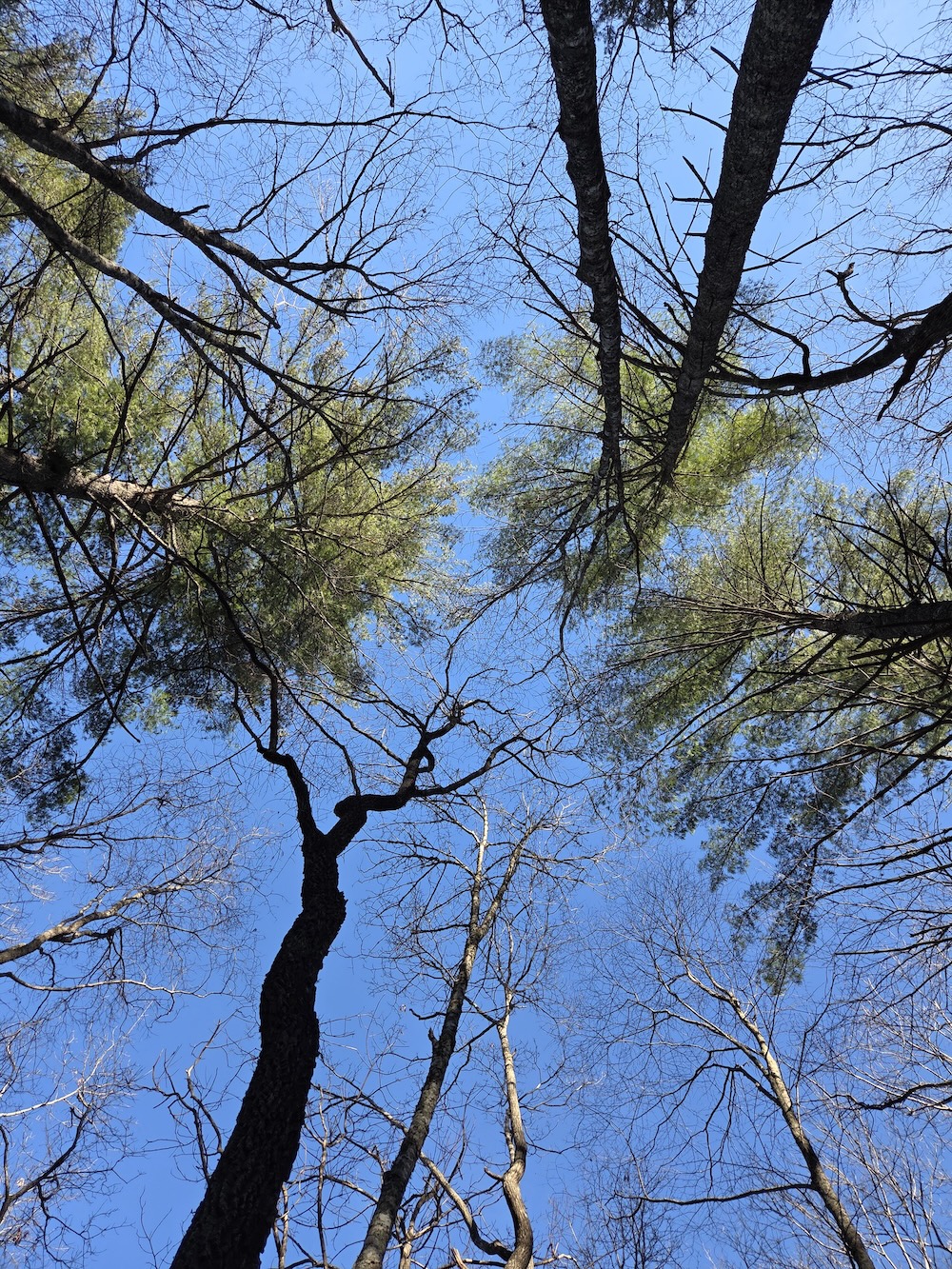
As the Department of Agriculture moves toward a final decision on the repeal this year, the debate has shifted from the halls of Congress to the local communities that border these forests. For residents like Mark Donham, who has lived on the edge of the Shawnee for 45 years, the loss of roadless protections is more than a policy shift—it is a threat to a way of life. "You can take off walking that way, go four or five miles and just be in the wilderness," Donham said, gesturing toward the Burke Branch area. "Roads mean access—and access rarely brings good things."
The outcome of this regulatory battle will determine whether the "last best stretches" of the Eastern United States remain as biological strongholds and carbon reservoirs, or whether they will be integrated into the industrial footprint of a changing federal landscape. With millions of acres at stake, the legacy of the 2001 Roadless Rule hangs in the balance, representing one of the most significant shifts in American land management policy in a generation.