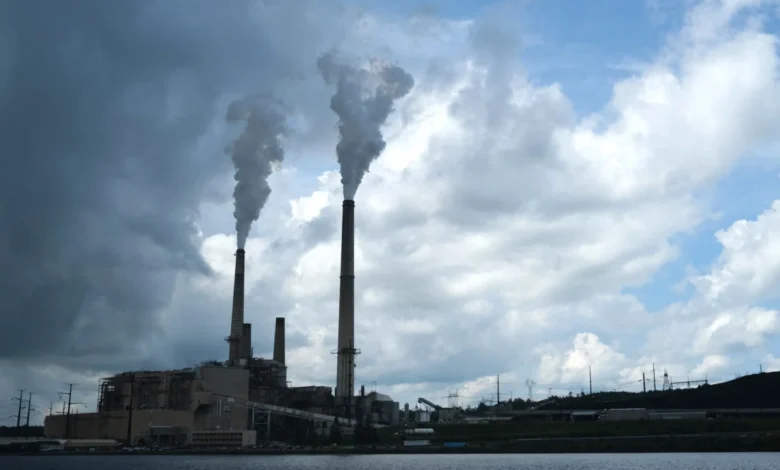
While tech industry titans capture global headlines with high-stakes warnings regarding the existential risks of artificial intelligence superintelligence, a coalition of former Environmental Protection Agency (EPA) officials is drawing attention to a more immediate and tangible danger: the physical infrastructure required to sustain the AI revolution. A new report released by the Environmental Protection Network (EPN) warns that the current administration’s aggressive deregulation of the energy and data sectors is creating a public health crisis that could result in thousands of preventable deaths annually.
Since January 2025, the EPA has initiated at least 30 distinct regulatory actions designed to streamline the construction and operation of data centers. By weakening pollution safeguards, loosening inspection requirements, and accelerating the permitting process, the agency is prioritizing the rapid growth of the nation’s AI computing capacity over long-standing environmental health standards. This pivot represents a fundamental shift in the mission of the EPA, moving from a role of oversight and protection to one of industry facilitation.
The Anatomy of a Regulatory Rollback
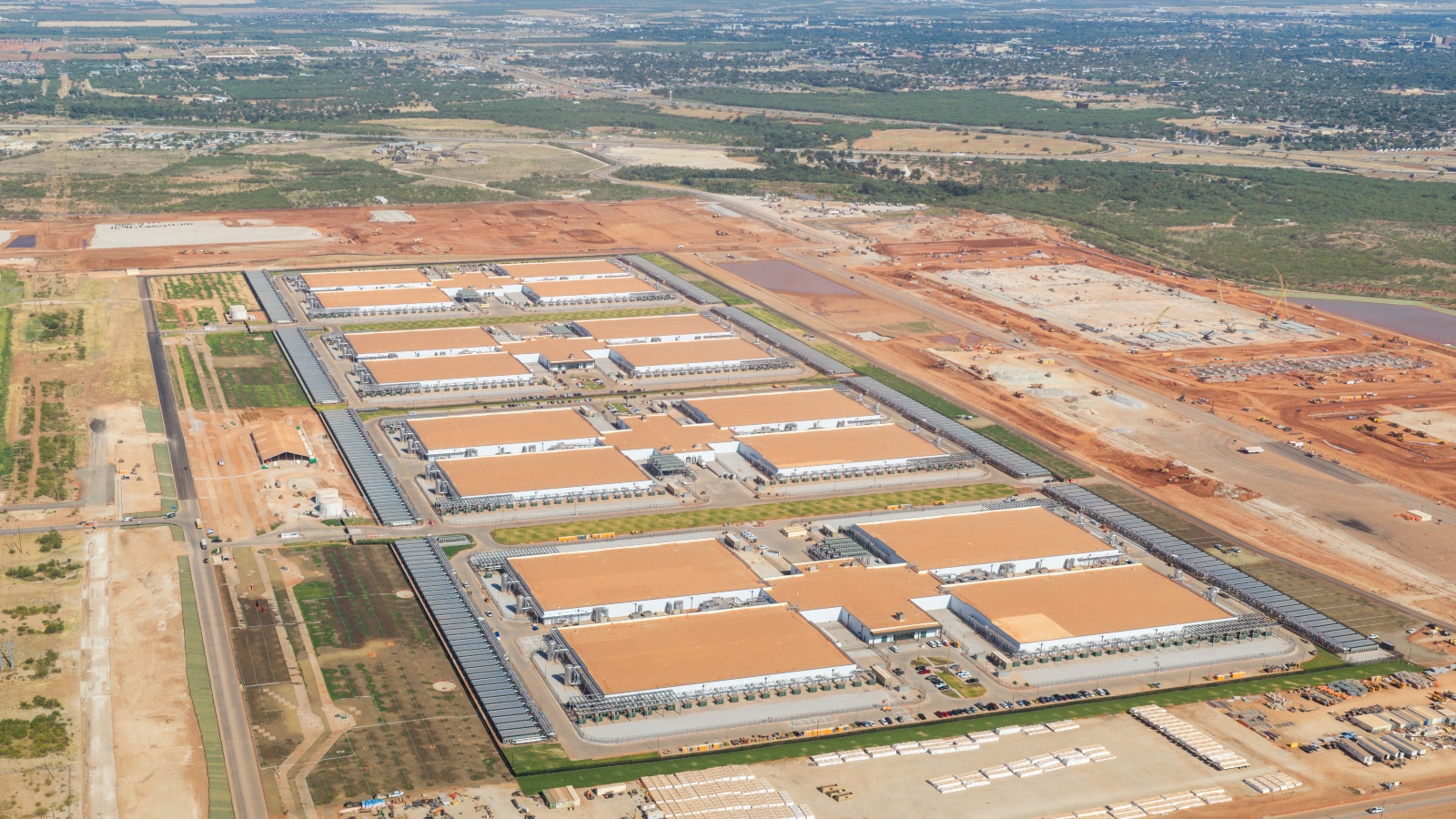
The United States currently hosts approximately 3,000 data centers, with over 1,500 additional facilities currently in various stages of planning and development. These facilities are notoriously energy-intensive, requiring constant, high-capacity electricity to power rows of graphics processing units (GPUs) and server racks.
The EPA’s recent policy shifts have focused on removing the "bottlenecks" that developers claim hinder progress. Among the most significant changes is a proposed rule that would permit developers to commence construction on data centers and their dedicated power plants before obtaining necessary air pollution permits. By decoupling construction from environmental compliance, the agency effectively creates a "build now, permit later" environment.
Furthermore, the agency has issued internal directives to enforcement staff, explicitly instructing them to avoid any regulatory actions that might "unduly burden or significantly disrupt" energy production. This directive effectively neutralizes the EPA’s ability to levy fines or stop operations at facilities that exceed emissions thresholds, essentially providing an open-ended pass to the companies operating these massive, energy-hungry hubs.
Chronology of the AI Infrastructure Gold Rush
The trajectory of this policy shift can be traced back to the early months of the current administration.
- January 2025: The new administration signals a clear intent to prioritize AI development as a matter of national security and economic competition.
- March 2025: EPA Administrator Lee Zeldin begins a series of meetings with major tech firms to identify regulatory "friction points" in the construction of hyperscale data centers.
- July 2025: The administration completes a sweeping reorganization that effectively dismantles the EPA’s primary scientific research office, stripping the agency of its internal capacity to model the health impacts of industrial pollution.
- December 2025: The EPA issues a formal memorandum outlining a "compliance-first" orientation, which prioritizes voluntary industry cooperation over punitive enforcement of existing Clean Air Act standards.
- 2026: The current phase of rapid, largely unchecked infrastructure deployment continues, characterized by the continued operation of aging fossil fuel plants and the integration of onsite gas turbines to bypass stressed power grids.
The Fossil Fuel Rebound
A particularly concerning aspect of this expansion is the reversal of the trend toward decarbonization. In several regions, data center demand has forced utility companies to keep coal-fired power plants online well past their scheduled decommissioning dates. These plants are among the primary contributors to particulate matter (PM2.5) and sulfur dioxide emissions, which are directly linked to respiratory and cardiovascular ailments.
In other instances, companies are opting for "behind-the-meter" power generation. For example, large-scale facilities, such as those associated with xAI’s Colossus project, have sought to utilize onsite natural gas turbines to ensure a steady power supply. While this ensures the data center remains operational during grid instability, it creates localized, unregulated sources of air pollution that bypass the rigorous oversight typically required for utility-scale power generation.
Scientific Capacity and the "Gutting" of the EPA
The loss of scientific oversight at the EPA is a point of profound concern for veteran researchers. Dan Costa, who served at the EPA for 35 years, notes that the agency was once the gold standard for environmental science, employing a multidisciplinary team of toxicologists, chemists, and atmospheric scientists.
"The collaborative work performed by these experts was never intended to serve industry interests; it was designed to protect the American people," Costa stated during a recent press briefing. The current administration’s decision to dismantle the primary research office has left a vacuum in understanding how the surge in local energy production will affect regional air quality.
The implications of this loss are severe. When the agency no longer conducts independent modeling of cumulative pollution, the public is left with industry-funded assessments that often underestimate the health impacts of concentrated emissions. Without a robust, independent scientific arm, the EPA is effectively flying blind, unable to assess whether a cluster of new data centers will cause local air quality to deteriorate below federal safety standards.
Public Health Consequences
The human toll of this industrial expansion is the most contentious element of the EPN report. Research cited in the report suggests that the surge in pollution associated with the AI data center boom could lead to as many as 1,300 additional deaths per year.
Dr. Lynn Goldman, a physician and former EPA administrative official, emphasizes that these health outcomes are not abstract projections. Particulate matter and nitrogen oxides—byproducts of burning fossil fuels for electricity—are known to trigger acute health events. "We are talking about increased incidences of heart attacks, exacerbations of asthma, and complications related to premature births," Goldman stated. "These are immediate, life-altering impacts that fall disproportionately on communities located near these power plants and data centers."
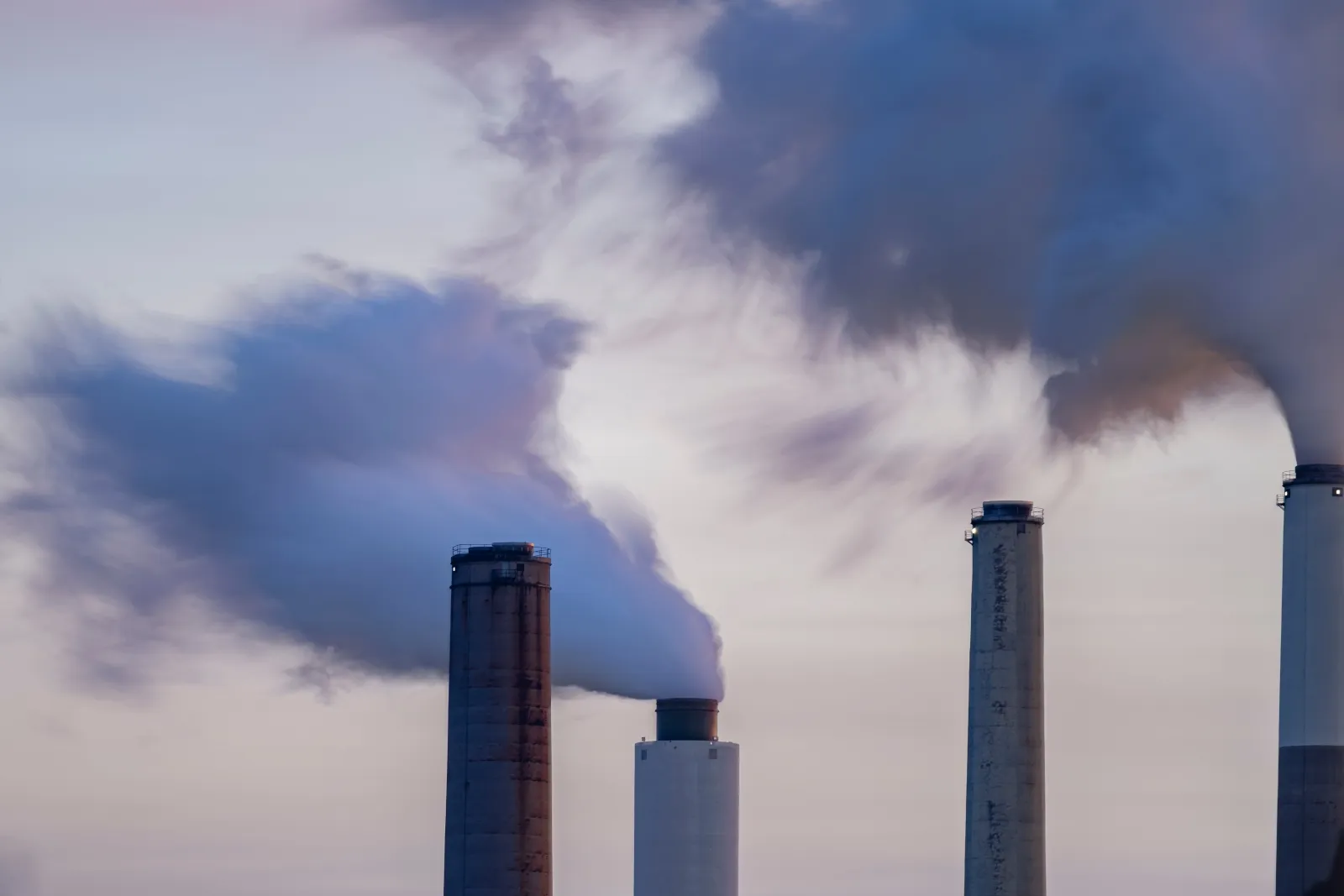
While some health effects, such as respiratory distress, are observed almost immediately, other long-term consequences, including elevated cancer risks, may not manifest for years. The current policy framework appears to be banking on the hope that these health costs will be offset by the economic benefits of AI dominance, a calculation that public health advocates argue is morally and economically flawed.
Official Stance and Industry Perspective
The administration maintains that these regulatory changes are essential to maintain America’s position as the "AI Capital of the World." In a 2025 memo, Administrator Zeldin articulated this vision, framing the regulatory rollback as a necessary step to "bolster" the nation’s infrastructure. The official position is that the speed of AI deployment is a geopolitical imperative, and that the "heavy-handed" regulations of the past were a liability in the face of international competition.
Industry lobbyists have largely echoed this sentiment, arguing that the existing permitting process is outdated and ill-suited for the rapid pace of technological innovation. They argue that "clean energy" alternatives, such as nuclear or renewables, will eventually replace fossil fuels, and that the current reliance on coal and gas is a temporary necessity. However, critics note that the EPA’s current policies provide no clear roadmap for transitioning away from these polluting sources, nor do they incentivize the adoption of cleaner energy alternatives.
Implications for the Future
The current situation represents a significant departure from the foundational principles of the 1970 Clean Air Act. If the regulatory environment remains in its current state, the United States faces a future where the physical footprint of the digital economy directly contradicts the public health goals established over the last half-century.
The lack of transparency regarding the environmental impact of the data center boom also raises questions about environmental justice. Many of these facilities are situated in rural or semi-rural areas, where residents may have fewer resources to contest the construction of power plants or the zoning of massive computing complexes. As the infrastructure continues to expand without federal guardrails, the burden of this technological shift will likely be borne by the most vulnerable populations.
As the debate over AI safety continues to focus on hypothetical "existential" risks, the EPA’s own history and the warnings of its former staff suggest that the true danger is already present. The question for policymakers is whether the economic and strategic benefits of being the leader in AI are worth the cost of deteriorating air quality and the long-term health of the American public. With the current trajectory, that calculation is being made without the necessary scientific input, leaving the health of millions to be determined by the speed of the next technological breakthrough.