The Omaha Public Power District (OPPD), a foundational pillar of Nebraska’s economic engine, is currently navigating an unprecedented energy bottleneck that threatens to stifle the state’s industrial growth. Serving approximately 419,000 customers across the eastern portion of the state, the utility is now signaling that its available power capacity for new or expanding major industrial projects is dwindling to less than 100 megawatts. This constraint places Nebraska at a critical juncture: as the demand for electricity—driven by the rapid proliferation of data centers and the broader electrification of the American economy—surges, the state must reconcile its immediate need for high-growth economic development with the physical, financial, and political limitations of its aging energy infrastructure.
The situation has created a profound tension between the ambitions of economic developers, who seek to attract job-creating manufacturers and tech firms, and the operational realities faced by utility planners. For a region that relies on steady industrial expansion to bolster its tax base and curb "brain drain," the prospect of turning away investment due to a lack of power is not merely a logistical hurdle—it is a competitive disadvantage.
A Chronology of Constraints: From Winter Storm Uri to the Modern Boom
The roots of the current capacity crisis can be traced back to February 2021, when Winter Storm Uri paralyzed the energy infrastructure of the central United States. As temperatures plummeted, a massive surge in demand for electricity and natural gas collided with frozen equipment and failing fuel supply chains. The Southwest Power Pool (SPP), which manages the grid across 14 states, was forced to call for rolling blackouts to prevent a total collapse of the system. In Nebraska, OPPD was among the utilities tasked with implementing these emergency measures.
The aftermath of Uri served as a wake-up call for grid operators. The SPP subsequently mandated that its member utilities maintain significantly higher reserve margins of power capacity to ensure resilience during extreme weather events. While this move strengthened the grid against future climate-driven volatility, it also absorbed much of the "cushion" that utilities previously held.
Following the 2021 crisis, the national landscape shifted. The post-pandemic economic recovery, coupled with the rapid development of large-scale data centers—which can consume as much as 1,000 megawatts of capacity in a single facility—has triggered a, historic spike in electricity demand. By the time the current expansion phase reached full momentum, utilities like OPPD found themselves in a race against time, struggling to bring new generation online while simultaneously managing an aging infrastructure that was never designed for the load requirements of the digital age.
The Math of Modern Industry and the Capacity Gap
The scale of the current demand is staggering. OPPD’s total energy capacity currently stands at approximately 4,583 megawatts. While the utility maintains that it possesses sufficient power for standard residential and commercial growth, the outlook for large-scale economic development is restrictive. Any project requiring more than 2 megawatts of power—a threshold easily met by modern manufacturing plants or small-to-mid-sized data facilities—faces an uncertain timeline for service.
According to internal reports and presentations from 2026, companies with nearly 2,000 megawatts of proposed economic development projects are currently in the queue through 2031. Furthermore, another 5,000 megawatts of potential projects are currently under consideration for the region. As OPPD President and CEO Javier Fernandez has noted, while not all these projects will ultimately materialize, the sheer volume of interest underscores the severity of the shortage.
The shift in the composition of energy users is also stark. In a March 2024 analysis, industrial customers accounted for 32% of peak demand, with residential customers at 41% and commercial at 27%. Projections suggest that by 2035, industrial load will surge to represent 52% of the utility’s total peak demand. This pivot is largely attributed to the massive power requirements of data centers, which have become a primary driver of the capacity crunch.
Official Responses and the Strategic Dilemma
The leadership at OPPD is now facing a high-stakes decision: how much to expand the utility’s energy portfolio. Planning documents indicate a range of possibilities, from a conservative addition of 1,000 megawatts to an aggressive plan that could more than double the current portfolio size.
Javier Fernandez, who is set to step down from his role at the end of the year, has been vocal about the precarious nature of this planning. "The biggest question my board is likely going to have to answer is going to be how big of a plan we approve," Fernandez said in recent discussions. "And that is going to be informed by state, counties, cities, chambers: How much do you want us to grow?"
Economic development leaders, including those at the Greater Omaha Chamber, are pushing for an expansion that looks well beyond 2036. Heath Mello, president and CEO of the Chamber, has urged the utility to lean into higher growth projections. For the Chamber, the goal is clear: to attract high-value manufacturing that can solve broader state issues like the $208 million budget deficit and declining income tax revenues. However, they are competing in a national market where site selectors are increasingly prioritizing access to reliable, massive quantities of power above almost all other criteria.
The Political and Environmental Impasse
While the need for new power generation is widely acknowledged, the path to building it is fraught with political obstacles. OPPD is exploring a mix of natural gas and renewable energy sources, but each path presents distinct challenges.
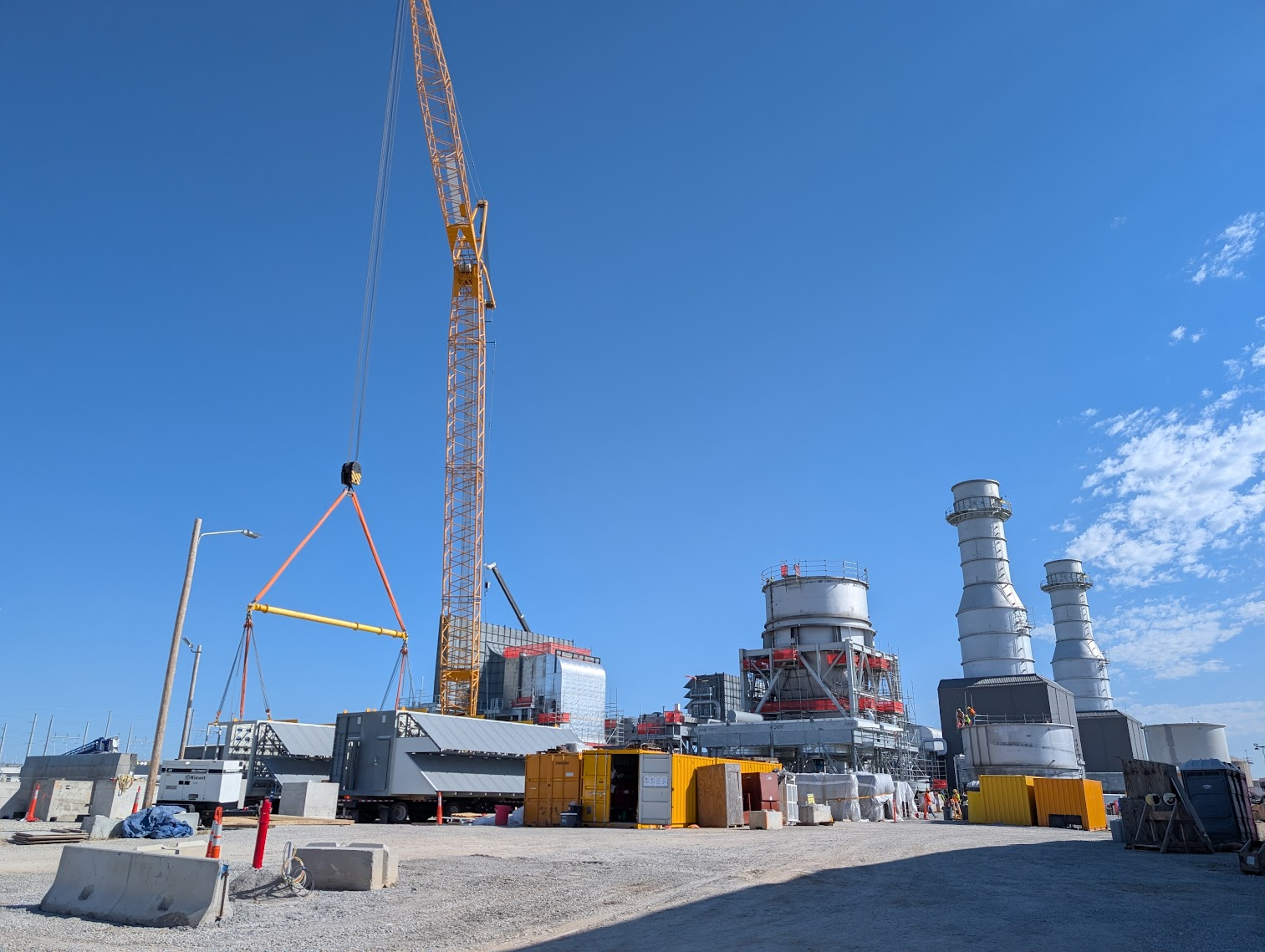
Natural gas, while providing reliable baseload power, is currently hampered by a constrained global supply chain for turbines and associated equipment, significantly extending project lead times. Renewable energy, such as wind and solar, offers the lowest operational costs, but it has faced significant local opposition. Across Nebraska, community groups have frequently blocked or challenged renewable energy projects, citing concerns over the use of prime agricultural land, potential infrastructure damage, and even misinformation regarding the safety of wind turbines.
This "not in my backyard" (NIMBY) sentiment has created a paradox: local leaders often reject renewable energy developments, only to later lobby the utility for increased capacity to attract economic development projects. Fernandez has characterized this disconnect as a significant barrier, noting that if communities continue to block generation, the utility will inevitably struggle to provide the power required to foster the very economic growth those same communities desire.
Implications for the Future of the State
The implications of this energy deficit are far-reaching. If Omaha—the state’s economic anchor—cannot guarantee the power requirements of prospective industries, those companies will inevitably look to other states. The competition for power has fundamentally altered the relationship between utilities and corporations. According to Larry Gigerich, chair of the Site Selectors Guild, manufacturers are no longer passive observers; they are becoming proactive, high-level participants in energy procurement, directly lobbying utilities and state governments to secure the power they need to compete.
For Nebraska, the path forward requires a unified strategy. If the state continues to operate with fragmented goals—where local municipalities, state-level economic developers, and utility planners hold misaligned expectations—the current bottleneck will persist. The economic reality is that energy is no longer just a utility; it is the primary commodity for economic survival.
As the state moves forward, the decision-making process will likely require a departure from traditional, localized planning. If the regional strategy remains under-built, taxpayers may ultimately bear the cost of an insufficient grid that limits growth. Conversely, if the utility overbuilds, the financial burden of stranded assets could fall on ratepayers. Balancing these risks in an era of climate-strained grids and rapid digital transformation remains the defining challenge for Nebraska’s leadership, serving as a cautionary tale for regions across the United States currently wrestling with the same volatile energy landscape.