
RetroBeat My Arcade1Up Experience: A Deep Dive into Nostalgia and Gaming Pleasure
My Arcade1Up experience began not with a singular purchase, but with a growing fascination for the resurgence of classic arcade games. The sheer audacity of fitting beloved 8-bit and 16-bit eras into a home-friendly, relatively affordable package was immediately appealing. My initial foray into the Arcade1Up ecosystem was driven by a yearning to recapture the magic of childhood arcades, a time characterized by sticky joysticks, flashing lights, and the communal joy of competing for high scores. The promise of authentic gameplay, albeit in a scaled-down form, was the primary draw, and the subsequent ownership has largely delivered on that promise, with nuances and considerations that I will explore in this comprehensive review.
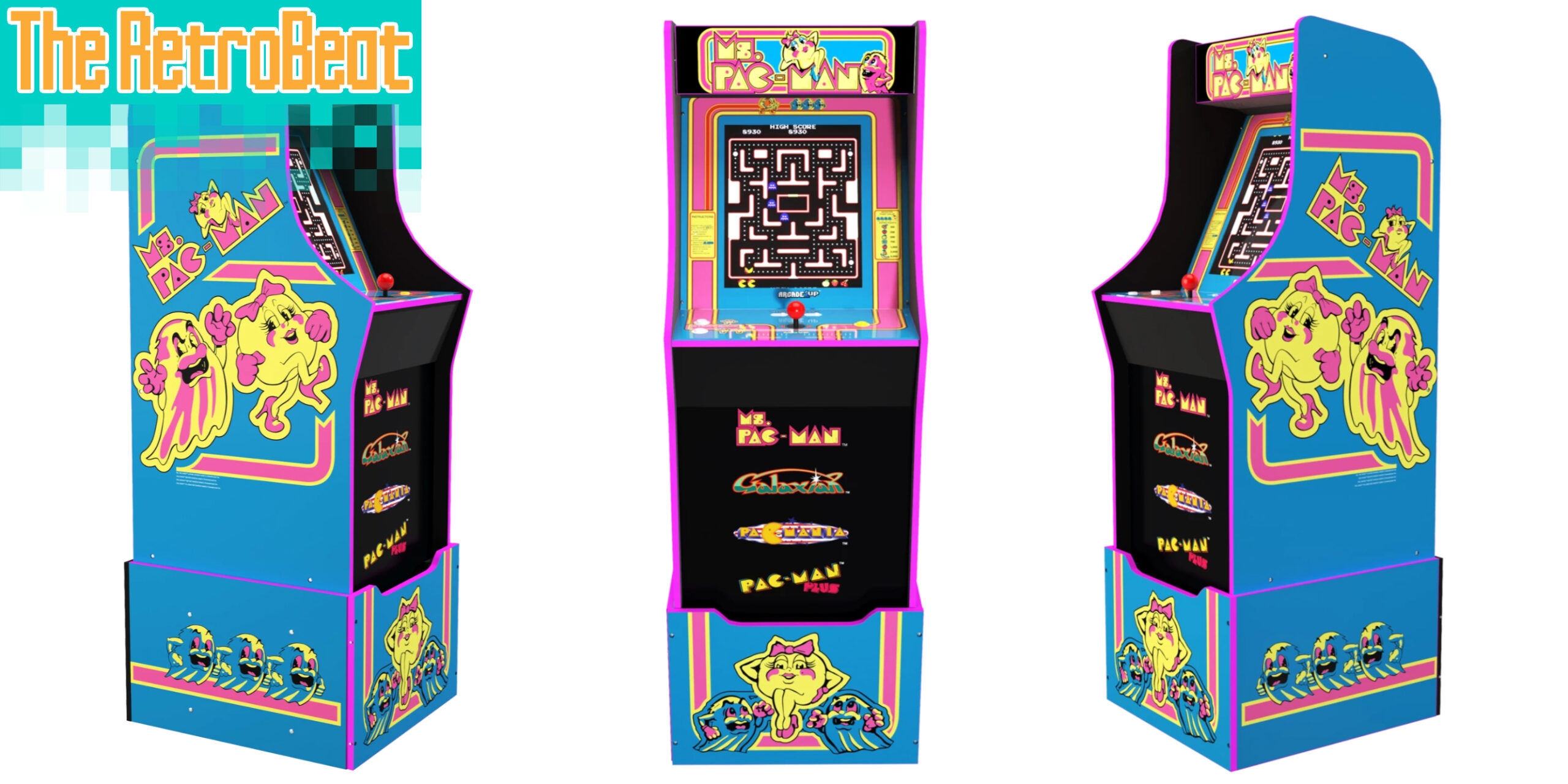
The initial unboxing and assembly of my first Arcade1Up unit – a Pac-Man cabinet – was a surprisingly straightforward process. While some online reviews hint at intricate assembly, the instructions provided were clear, and all necessary tools, including a Phillips head screwdriver, were included. The components are well-organized and largely intuitive to connect. The cabinet itself, a 3/4 scale replica, feels surprisingly sturdy once assembled. The materials, while not solid wood, are durable enough for home use and contribute to the authentic aesthetic. The artwork on the side panels and marquee is vibrant and evokes genuine nostalgia. The anticipation builds as each piece is connected, transforming a flat-packed box into a miniature arcade monument. This tactile experience of building the cabinet itself is part of the appeal, a step towards the ultimate goal of playable retro gaming.
The core of the Arcade1Up experience, of course, lies in the gameplay. My Pac-Man cabinet, featuring the original Pac-Man, Ms. Pac-Man, and a few other Namco classics, immediately transported me back in time. The joystick, while not arcade-grade professional quality, offers a decent tactile response. It’s responsive enough for the precise movements required in Pac-Man, and the buttons have a satisfying click. The screen, a 17-inch LCD, is bright and clear, though it does exhibit some minor ghosting in fast-paced sequences. This is a common observation for Arcade1Up units and is generally acceptable given the price point and target audience. The sound quality, emanating from the small onboard speakers, is adequate for casual play but lacks the booming bass and immersive quality of a full-sized arcade cabinet. However, for the purpose of experiencing the core gameplay loop, it’s more than sufficient. The nostalgia factor significantly outweighs these minor technical concessions.
Expanding my Arcade1Up collection became a natural progression. The "Galaga" cabinet, with its iconic shooter gameplay, was the next addition. The inclusion of Galaxian and Dig Dug on this particular unit offered even more variety. The joystick and button layout on the Galaga cabinet are optimized for its specific titles, providing a slightly different feel that caters to the shooting mechanics. The sense of accomplishment from mastering the patterns of alien invaders and achieving increasingly high scores is as addictive as it was decades ago. The dual-stick configuration on some cabinets, like the "Street Fighter II" model, further enhances the authenticity for fighting game enthusiasts. The responsiveness of these controls is crucial for executing complex combos, and Arcade1Up has generally done a commendable job in this regard, though serious competitors might still opt for aftermarket upgrades.
One of the most significant aspects of the Arcade1Up experience is the curated selection of games. Each cabinet focuses on a specific franchise or era, offering a concentrated dose of nostalgia. This approach allows enthusiasts to pick and choose cabinets based on their personal gaming preferences. For example, a fan of Atari will gravitate towards the Atari cabinets, which often feature titles like Asteroids, Centipede, and Breakout. These games, with their simple yet challenging mechanics, are perfectly suited for the Arcade1Up format. The decision-making process of which cabinet to purchase becomes a delightful exercise in revisiting gaming history and prioritizing beloved titles. The visual design of each cabinet also reflects the era of the games it houses, further enhancing the immersive experience.
The "form factor" of Arcade1Up cabinets is a key selling point for many. They are significantly smaller than original arcade machines, making them suitable for living rooms, bedrooms, or even home offices. This "just right" size allows for a sense of presence without overwhelming a living space. They are also relatively easy to move, unlike their full-sized counterparts. This portability, combined with the plug-and-play nature of the units, means that the joy of classic gaming can be brought to various areas of the home. The inclusion of a stool with some cabinet bundles further enhances the arcade-like feel, allowing players to sit at the correct height for optimal gameplay.
However, the Arcade1Up experience is not without its criticisms and areas for improvement. The relatively small screen size can sometimes make it difficult to fully appreciate the graphical details of certain games, especially those with intricate sprites. The viewing angles of the LCD can also be a limitation, requiring players to position themselves directly in front of the screen for the best experience. While the onboard speakers are functional, upgrading to external speakers or headphones can significantly improve the audio immersion. The joystick and button quality, while adequate for casual play, can feel a bit "plasticky" and may not satisfy hardcore retro gamers who are accustomed to the feel of Sanwa or Happ controls.
The decision to purchase additional Arcade1Up cabinets is often influenced by the desire for specific game titles and the appeal of the cabinet design. The "Mortal Kombat" cabinet, for example, is a must-have for fans of the iconic fighting game series. The inclusion of the original Mortal Kombat, Mortal Kombat II, and Ultimate Mortal Kombat 3 provides hours of competitive fun. The cabinet artwork and marquee are particularly well-done on this unit, capturing the gritty aesthetic of the game. Similarly, the "Space Invaders" cabinet offers a classic arcade shooter experience, with the simple yet addictive gameplay that made it a phenomenon. The choice often comes down to which iconic franchise best resonates with your personal gaming history.
Beyond the official releases, the burgeoning aftermarket for Arcade1Up modification has become a significant part of the experience for many enthusiasts. The availability of custom joysticks, buttons, Raspberry Pi kits, and even larger LCD screens allows users to transform their Arcade1Up cabinets into more powerful and versatile gaming machines. This modification scene speaks to the underlying potential of the Arcade1Up platform. While the out-of-the-box experience is designed for simplicity and plug-and-play nostalgia, the ability to customize and upgrade caters to a more tech-savvy and dedicated segment of the retro gaming community. This modding aspect adds a layer of longevity and customization to the initial investment.
The value proposition of Arcade1Up cabinets is a complex one. When compared to the cost of acquiring and maintaining original arcade machines, Arcade1Up offers a significantly more accessible entry point into retro gaming. The convenience, space-saving design, and inclusion of multiple games on a single unit contribute to its perceived value. However, for those who are highly sensitive to controller feel or screen quality, the cost might feel a bit high for what is essentially a novelty item. Yet, for the vast majority of casual retro gaming enthusiasts, the experience provided is well worth the investment, offering a tangible connection to a cherished past. The ability to share these games with younger generations, introducing them to the foundations of modern gaming, is also a significant benefit.
In conclusion, my Arcade1Up experience has been a predominantly positive one, marked by a deep sense of nostalgia, enjoyable gameplay, and a tangible connection to gaming history. The ease of assembly, the charming aesthetic, and the curated selection of classic titles make these cabinets a compelling option for anyone seeking to relive the golden age of arcades. While there are minor limitations in terms of screen quality and controller feel, these are largely overshadowed by the overwhelming joy of playing these beloved games in a dedicated, home-friendly format. The Arcade1Up phenomenon is a testament to the enduring appeal of retro gaming, and my personal journey with these cabinets continues to be a rewarding one, a constant reminder of simpler, yet profoundly entertaining, times.

