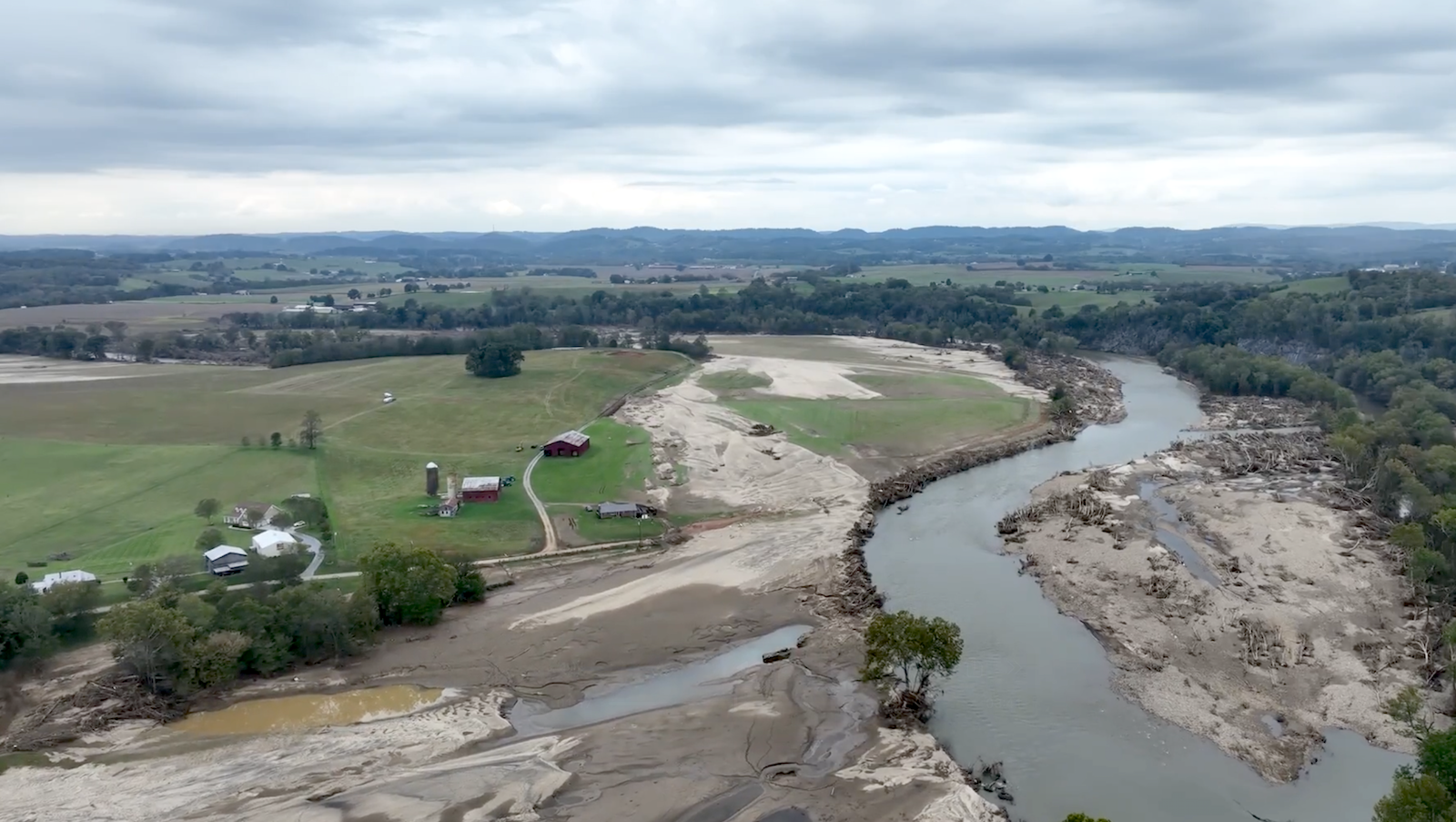
On the morning of Friday, September 27, 2024, Will Runion stood on his 736-acre cattle and hay farm, located within a horseshoe bend of the Nolichucky River in northeast Tennessee, watching a generational catastrophe unfold. As Hurricane Helene moved inland from the Gulf Coast, arcing through the Appalachian Mountains, it unleashed a volume of water that transformed the landscape of southern Appalachia. For Runion, who was in the midst of cutting the season’s final hay and constructing a riverfront campground to diversify his income, the rising water was initially a concern for his equipment and livestock. By that afternoon, however, the Nolichucky River had swollen to 1,200 feet wide—nearly ten times its normal size—resembling a vast, turbulent lake that swept away barns, homes, and the very foundation of his livelihood: the soil.
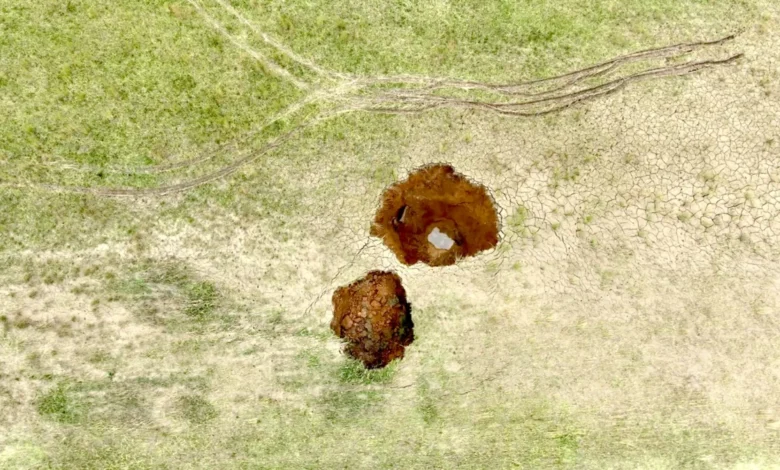
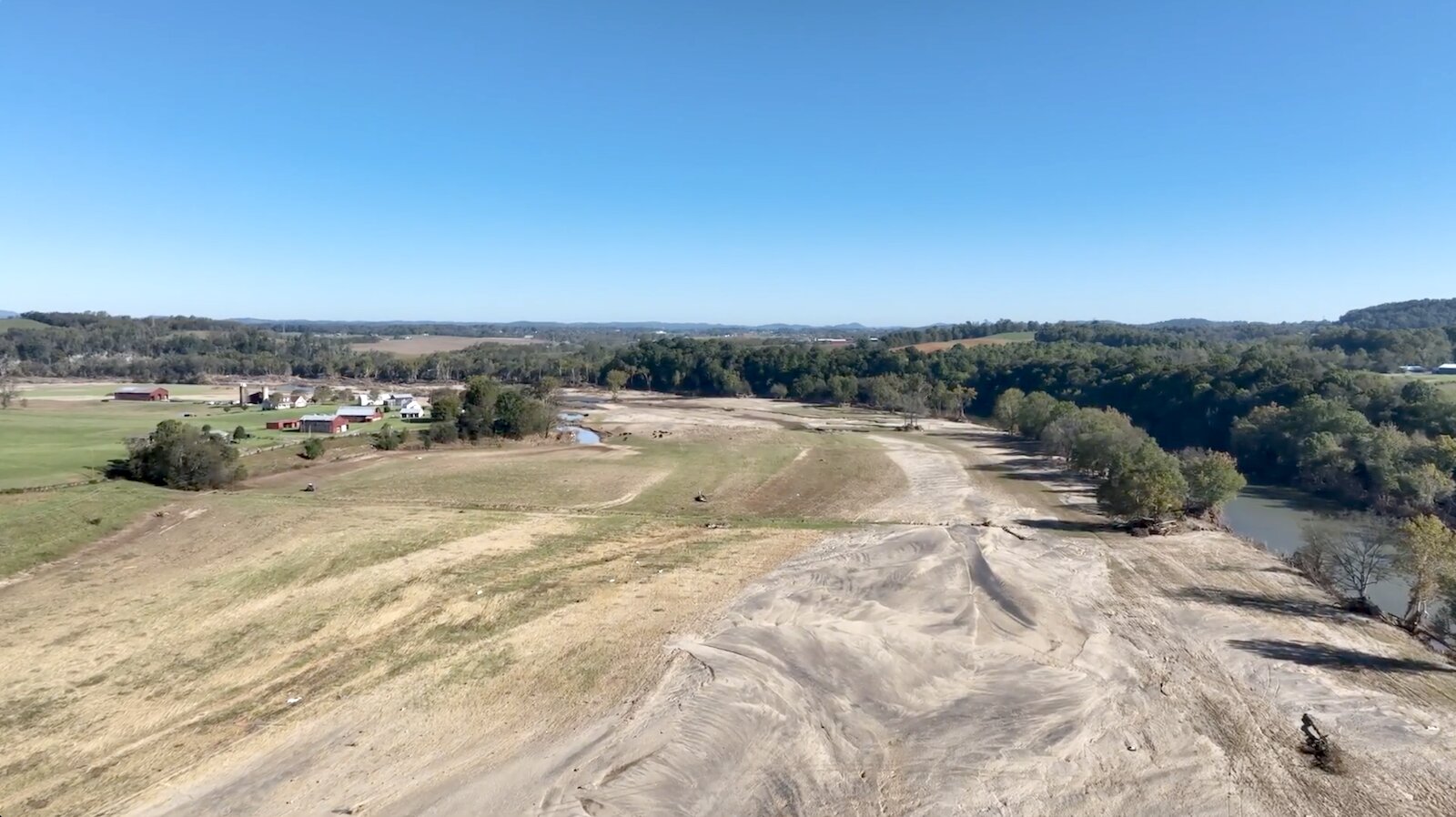
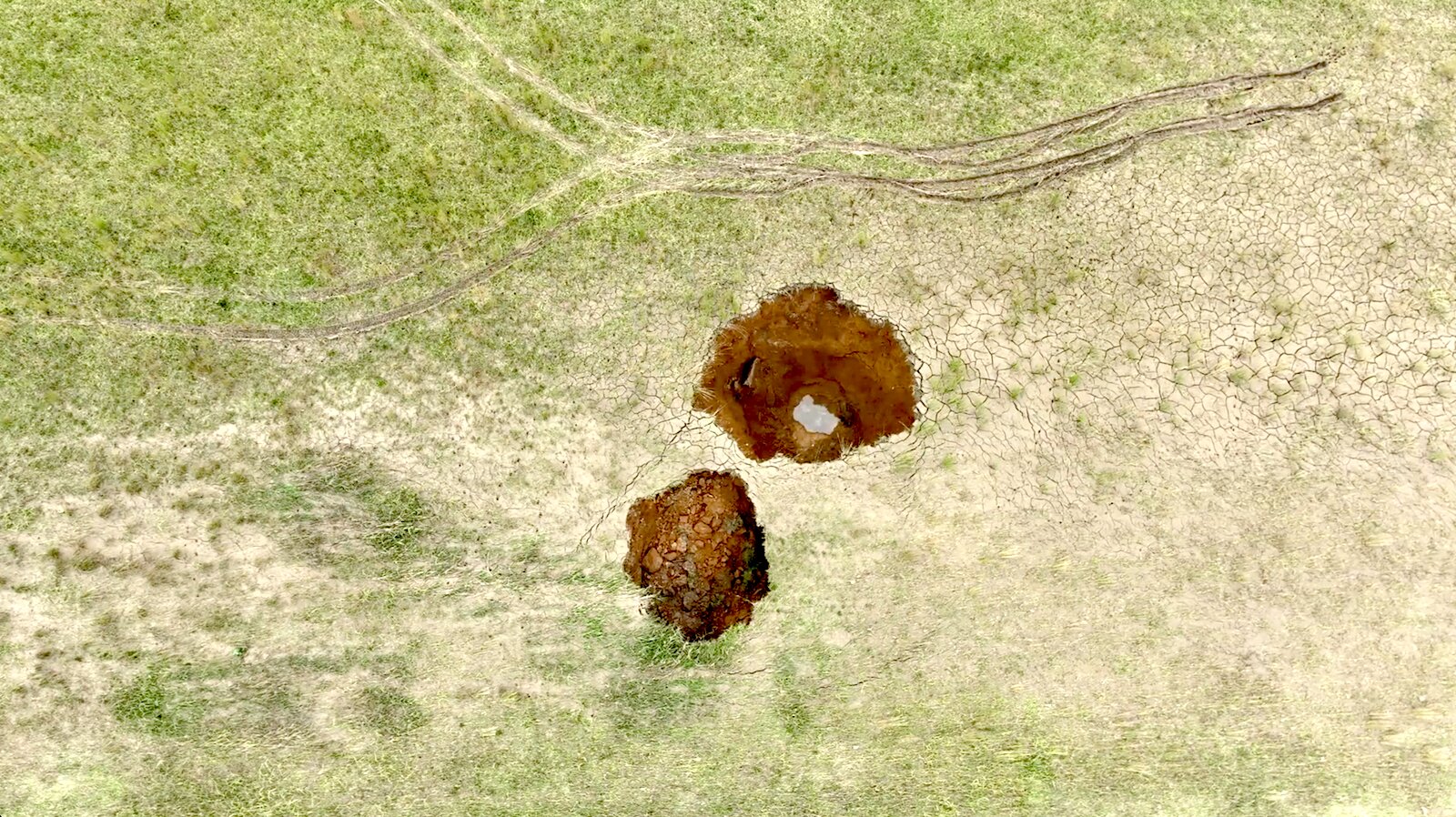
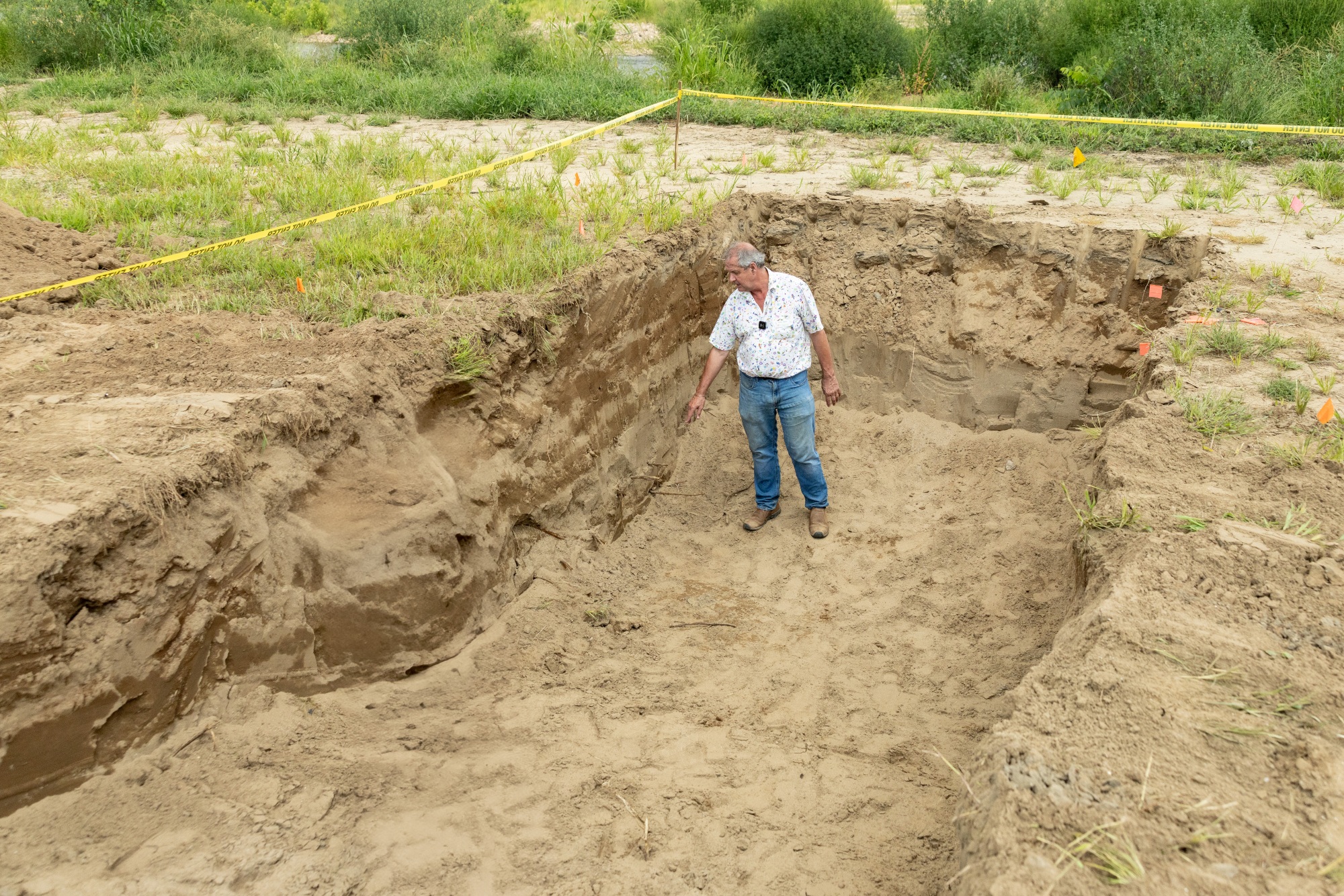
When the water finally receded at 8:00 p.m. that evening, the devastation was absolute. Runion found a third of his fields buried under debris, dead fish, and thousands of stray tomatoes washed down from upstream vegetable farms. More critically, the flood had gouged football-field-sized craters into his pastures, some reaching 12 feet deep, while other sections were entombed under eight feet of sand and silt. This scenario has played out across thousands of farms in Tennessee, North Carolina, Georgia, and Virginia, marking a turning point for Appalachian agriculture. While the immediate loss of machinery and structures was staggering, the more insidious threat is the loss of topsoil—a resource that takes millennia to form but can be erased in a single afternoon.
The Economic Toll on a Regional Cornerstone
Agriculture serves as the economic and cultural backbone of the Appalachian region. Due to the rugged topography of the mountains, flat, fertile land is a premium resource. Historically, farmers have utilized "bottomland"—the level areas adjacent to rivers—because of its high fertility and ease of cultivation. However, this proximity to water sources has made these farms uniquely vulnerable to the intensifying weather patterns driven by climate change.
In North Carolina alone, Hurricane Helene caused an estimated $4.9 billion in damage to the state’s agricultural sector. Tennessee reported losses exceeding $1.3 billion. These figures encompass the destruction of crops, the death of livestock, and the demolition of essential infrastructure such as fences, barns, and irrigation systems. Yet, economists and soil scientists warn that these numbers may underrepresent the long-term financial impact. The degradation of soil quality means that even if a farmer replaces their tractor, the land may not produce the same yields for years, if not decades.
According to the North Carolina Chamber of Commerce, the state’s agricultural industry operates on razor-thin margins. Of the 42,500 farms in the state, only about 8,000 produce annual gross sales exceeding $100,000. More than half of the state’s farms gross less than $10,000 annually, and only 40 percent reported a positive net income in 2022. For these small-scale producers, a single flood event that strips away topsoil is not just a temporary setback; it is a threat to their continued existence.
The Science of Soil Degradation and "Weather Whiplash"
Soil is a complex, living ecosystem. It is composed of weathered rock, decomposing organic matter, and a vast network of microorganisms that facilitate nutrient cycling and plant growth. For agricultural purposes, the "topsoil"—the uppermost layer rich in organic material—is the most vital. It rarely exceeds a foot in depth, yet it contains the nitrogen, phosphorus, and potassium necessary for crops to thrive.
When Hurricane Helene’s floodwaters surged over the Appalachian bottomlands, they exerted two types of pressure on the soil. In high-velocity areas, the water acted as a scour, stripping away the topsoil down to the bedrock or river rock. In slower-moving areas, the water deposited massive amounts of sediment. While some of this sediment was fertile silt, much of it was sterile sand.
"These aren’t soils yet," explained Stephanie Kulesza, a nutrient and soil scientist at North Carolina State University. "They are in their infancy now. The clock has been reset." Sand lacks the structure to hold water or nutrients, meaning that even if seeds are planted, they lack the biological support system required to reach maturity.
This phenomenon is part of a broader trend that scientists call "weather whiplash"—the rapid transition between extreme weather conditions. In many parts of the Southeast, Helene’s flooding followed periods of significant drought. Parched soil is less able to absorb sudden, heavy rainfall, leading to increased runoff and more severe erosion. Research from the U.S. National Science Foundation indicates that "100-year storms" are projected to become three times more likely and 20 percent more severe over the next 50 years. As a warmer atmosphere holds more moisture, the Appalachian region must prepare for a future where these catastrophic events are no longer "random" occurrences but recurring challenges.
A Chronology of Recovery: From Cleanup to Clinical Trials
The recovery process for farmers like Will Runion has been divided into distinct phases. The first six months, from October 2024 to April 2025, were dedicated to debris removal and basic land stabilization. Federal Emergency Management Agency (FEMA) crews worked to shred downed trees, while farmers utilized bulldozers to move feet of sand off their fields in a desperate attempt to reach the buried topsoil.
By the summer of 2025, the reality of the damage began to set in. Runion was able to harvest enough hay to feed his own herd of 125 cattle, but he had nothing left to sell—a loss representing one-third of his annual income. Realizing that traditional farming methods would not suffice to restore his land, he turned to academic experts for guidance.
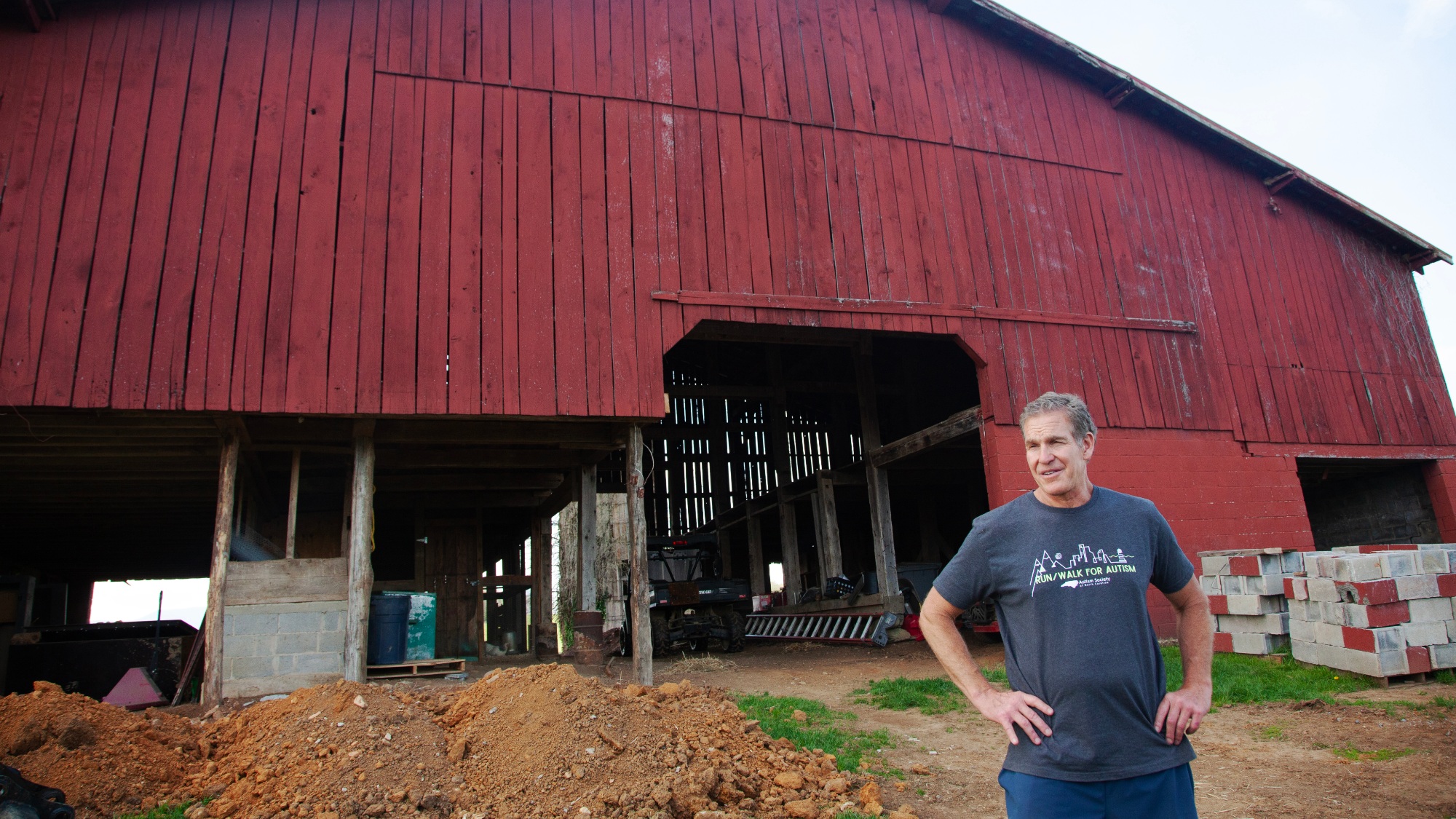
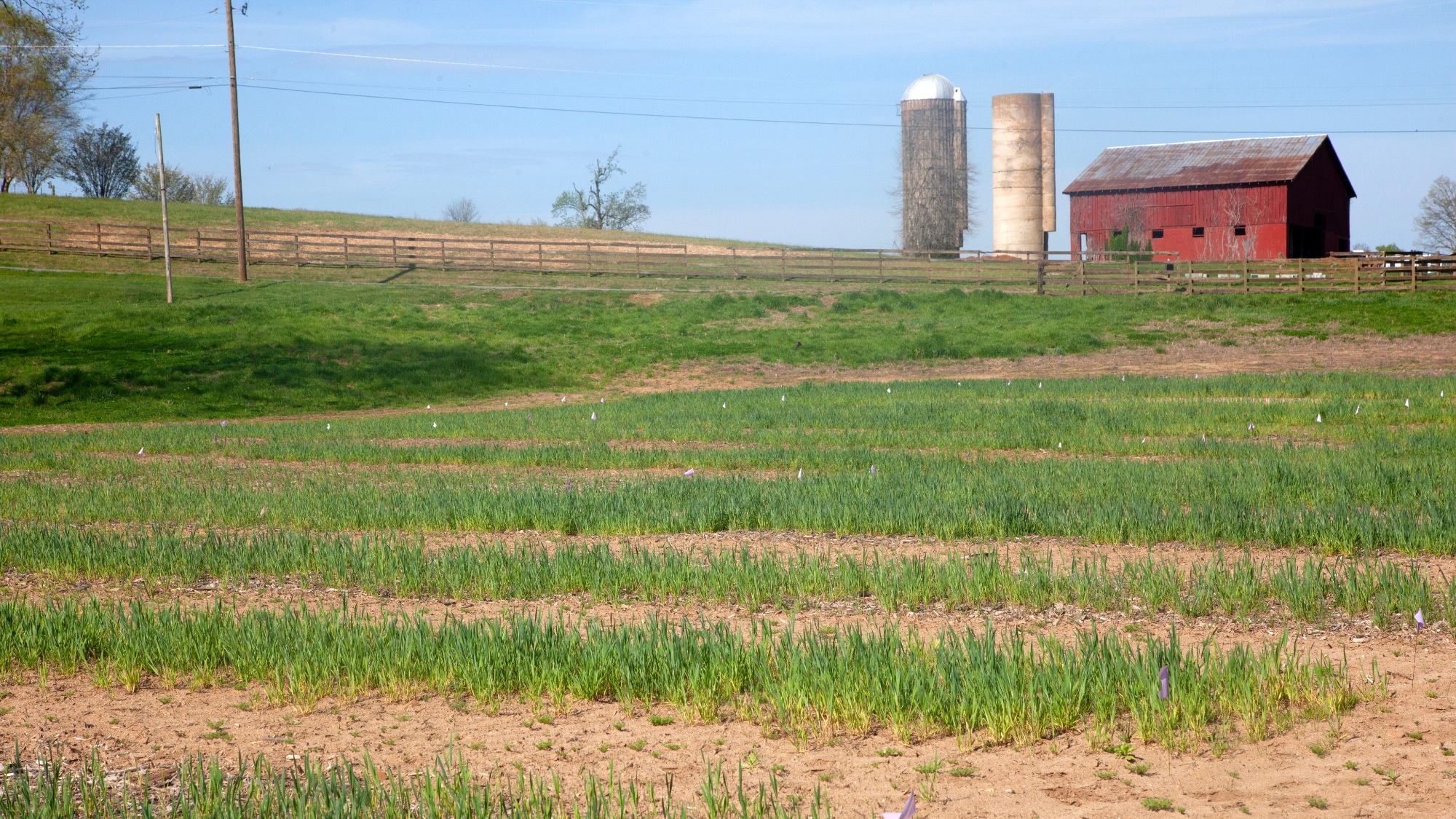
Forbes Walker, an environmental soil specialist with the University of Tennessee Extension, spearheaded a series of systematic investigations on Runion’s farm. Walker established four experiments across 300 test plots to determine which "soil amendments" could most effectively jumpstart the recovery process. These amendments included:
- Biochar: A charcoal-like substance used to help soil retain water and fertilizer.
- Poultry Litter: A nitrogen-rich manure sourced from nearby chicken houses.
- Wood Mulch: Repurposed debris from the storm used to reduce erosion.
- Triple 19: A standard synthetic fertilizer containing equal parts nitrogen, phosphorus, and potassium.
Preliminary results from these trials have been mixed but illuminating. Plots treated with decomposed wood mulch showed better seed germination, as the rough matrix of the wood chips protected the seeds from further erosion. However, Walker noted a significant gap in academic literature regarding mountain flood recovery. Most existing data on agricultural flooding comes from the Midwest or Asia, where the topography and soil compositions are vastly different from the Appalachian Highlands.
Adaptation and Resilience: The Path Forward
While researchers work on long-term solutions, some farmers have found success through trial and error and a commitment to organic practices. Nicole DelCogliano, who farms near Asheville, North Carolina, saw her 50-acre operation nearly wiped out by the South Toe River. After losing her barn, tractor, and infrastructure, she chose to focus entirely on "tending the dirt."
DelCogliano and her husband spread compost, lime, and blood meal on their least-damaged fields and sowed rye as a cover crop. Despite having to farm only four acres instead of her usual six, she reported one of her most productive seasons ever in the year following the storm. She attributes this resilience to years of prior organic soil management, which may have given her land a "biological head start" compared to more conventionally farmed plots.
However, for many, the path to recovery involves moving away from traditional agriculture altogether. Will Runion’s decision to prioritize his campground and music venue is a strategic move toward "agritourism." By shifting his primary income source to a location 450 feet upland from the river, he is insulating his family’s finances from the next inevitable flood.
Institutional Challenges and Research Gaps
The ability of American farmers to adapt to these changes is currently hampered by a lack of consistent data and funding. Aimé Messiga, a soil research scientist, noted that long-term monitoring of flood-impacted soils is rare. In the United States, this challenge is compounded by political shifts; the Trump administration’s reductions in climate-related research funding have left many extension offices without the resources needed to conduct multi-year studies.
Without data-driven recommendations, farmers are left to navigate the recovery process on their own, often spending limited aid money on fertilizers or treatments that may not work in sandy, post-flood conditions. Experts like Karen Blaedow, an agricultural educator in North Carolina, emphasize that soil restoration is a "long process" that requires at least three to five years of consistent cover cropping and monitoring before productivity returns to pre-storm levels.
Conclusion: The Future of the Appalachian Farm
The story of Hurricane Helene is not just one of a single storm, but a harbinger of a new era for Appalachian agriculture. The mountains that once provided a sense of isolation and protection now funnel catastrophic volumes of water into narrow valleys, where the region’s most productive land resides.
For Will Runion, the five-year plan for his farm is now a matter of survival and transformation. While the "struggling" green grass on his sandy fields serves as a reminder of what was lost, his work on the new campground represents a defiant optimism. The red Appalachian soil, though scarred and depleted, remains the foundation of his identity. As the climate continues to shift, the survival of these mountain farms will depend on a delicate balance of ancient soil wisdom, cutting-edge academic research, and the sheer, exhausting persistence of the people who work the land. The farm still has a lot to offer, but as Runion and his neighbors have learned, the river always has the final say.