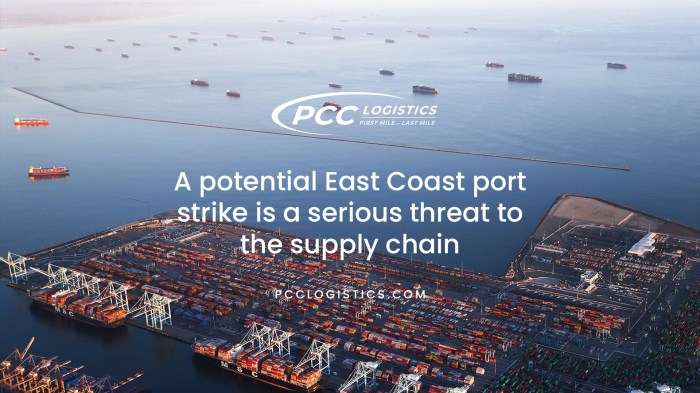
U s port dockworkers strike tuesday – U.S. port dockworkers strike Tuesday, bringing a significant disruption to the nation’s supply chain. This labor action, a result of ongoing negotiations between the International Longshore and Warehouse Union (ILWU) and the Pacific Maritime Association (PMA), highlights the complex issues at play in the maritime industry.
The strike’s impact extends beyond the immediate port operations, affecting businesses, consumers, and the broader economy.
The strike stems from a long history of labor relations between the ILWU and the PMA, marked by periods of both collaboration and conflict. The current negotiations focus on critical issues such as wages, benefits, automation, and job security, with both sides holding firm to their positions.
The strike’s potential economic impact is significant, with disruptions to shipping, manufacturing, and retail sectors, and the possibility of rising consumer prices and supply chain delays.
Background of the Strike: U S Port Dockworkers Strike Tuesday
The ongoing strike by dockworkers on the West Coast of the United States is a significant event in the maritime industry, impacting global supply chains and the economy. This strike, orchestrated by the International Longshore and Warehouse Union (ILWU), is a culmination of years of tension and negotiation with the Pacific Maritime Association (PMA), representing port employers.
Understanding the historical context and the key issues at stake is crucial to grasp the magnitude of this labor dispute.
History of Labor Relations Between ILWU and PMA
The relationship between the ILWU and the PMA has been marked by a history of both cooperation and conflict. Since their first contract in 1948, they have negotiated 15 collective bargaining agreements, most of which were reached without major disruptions.
However, the current negotiations are proving to be more challenging than previous ones, highlighting the changing dynamics in the maritime industry and the evolving needs of both parties. The ILWU, representing approximately 22,000 dockworkers at 29 West Coast ports, plays a vital role in the movement of goods across the Pacific.
The union has a long history of advocating for its members’ rights and working conditions. On the other side, the PMA, representing employers who operate container terminals, steamship lines, and other port-related businesses, is concerned with maintaining the competitiveness and efficiency of the ports.
“The history of the ILWU and the PMA is a history of labor and management working together to build the most productive port system in the world.”
The U.S. port dockworkers strike on Tuesday is causing major disruptions to the supply chain, and it’s a reminder of how vulnerable our economy is to these kinds of events. It also highlights the importance of having a solid financial plan in place, especially when it comes to covering potential tax liabilities.
A life insurance policy designed to cover tax liability can provide peace of mind and financial security for your loved ones in the event of your untimely passing. The strike’s impact on the economy underscores the need to be prepared for unexpected situations, both personal and professional.
ILWU Website
The U.S. port dockworkers strike on Tuesday is causing major disruptions to the supply chain, leaving many wondering how to keep their pantries stocked. While I’m waiting for my grocery delivery to arrive, I’m whipping up a batch of spaghetti squash with easy tomato sauce , a delicious and nutritious meal that’s perfect for these uncertain times.
Hopefully, the dockworkers strike will be resolved soon, but in the meantime, I’ll be keeping my kitchen stocked with easy-to-make, filling meals like this one.
Key Issues and Demands of the ILWU
The current contract negotiations have been marked by a number of contentious issues. The ILWU’s key demands include:
- Increased Wages and Benefits:The union is seeking significant increases in wages and benefits to compensate for rising inflation and the demanding nature of dockworkers’ jobs.
- Job Security:The ILWU is concerned about the potential for automation and outsourcing to erode job security for its members.
- Health and Safety:The union is pushing for improvements in health and safety standards at the ports, including measures to address the risks associated with hazardous materials and strenuous work conditions.
The ILWU argues that these demands are essential to maintain the quality of life and working conditions for its members, who play a crucial role in the smooth operation of the West Coast ports.
Timeline of Events Leading Up to the Strike
The current strike is the culmination of a protracted negotiation process that began in May 2022, when the previous contract expired. Key events leading up to the strike include:
- May 2022:Contract negotiations begin between the ILWU and the PMA.
- July 2022:The parties agree to extend the existing contract to prevent a strike.
- October 2022:The parties reach a tentative agreement, but it is rejected by the ILWU membership.
- February 2023:The parties fail to reach a new agreement, and the ILWU begins preparing for a strike.
- March 2023:The ILWU issues a 10-day strike notice, triggering a flurry of negotiations.
- March 2023:The parties reach a tentative agreement, but it is rejected by the ILWU membership.
- July 2023:The ILWU announces a strike, bringing operations at West Coast ports to a standstill.
The failure to reach a negotiated settlement after months of talks has led to the current strike, which is having a significant impact on the movement of goods across the Pacific.
Impact of the Strike
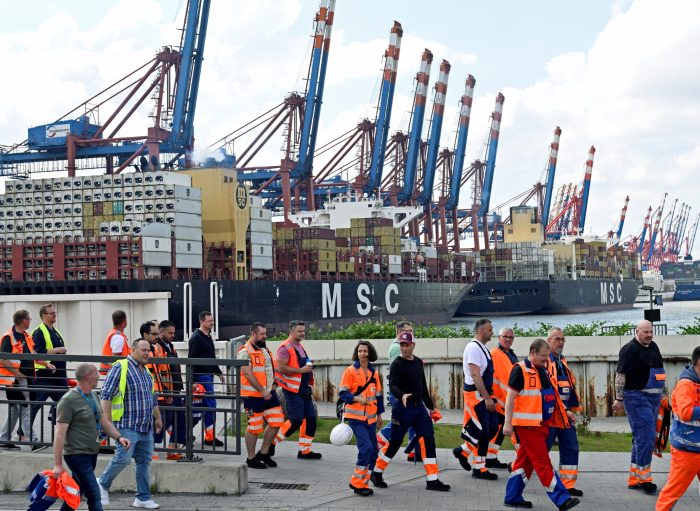
The potential economic impact of the strike on various industries and sectors is significant and far-reaching. The strike could disrupt supply chains, increase consumer prices, and harm businesses that rely on the efficient movement of goods through U.S. ports.
Impact on Shipping
The strike’s impact on the shipping industry is immediate and substantial. With dockworkers refusing to load and unload cargo, ships are being delayed, and the flow of goods through U.S. ports is significantly reduced. This disruption can lead to higher shipping costs, as companies scramble to find alternative transportation methods or wait for the strike to end.
- Shipping companies are facing significant delays in their schedules, leading to increased costs for fuel, crew wages, and port fees.
- Companies that rely on just-in-time inventory management are particularly vulnerable to the strike, as they may face shortages of essential goods.
- The strike is also impacting global supply chains, as goods from Asia and other regions are unable to reach their destinations in the U.S. on time.
Impact on Manufacturing
The strike is already having a noticeable impact on manufacturing companies that rely on imported materials or export finished goods. Many manufacturers are reporting delays in production and deliveries, as they struggle to obtain the necessary components or ship their products.
- Companies that rely on imported raw materials are facing shortages and higher prices, as the strike disrupts the flow of materials from overseas.
- Manufacturers are also struggling to export their goods, as the strike delays the movement of goods through U.S. ports.
- The strike is putting pressure on manufacturers to find alternative sources of materials or to delay production, which can lead to lost revenue and missed deadlines.
Impact on Retail
Retailers are facing the potential for empty shelves and higher prices as the strike continues. The strike is disrupting the supply chains that bring goods to stores, leading to shortages and potential delays in deliveries.
- Retailers are struggling to replenish their inventories, as the strike delays the arrival of goods from overseas.
- Consumers are facing higher prices for imported goods, as the strike increases shipping costs and leads to shortages.
- The strike could also lead to delays in online orders, as retailers struggle to keep up with demand and ship goods on time.
Impact on Consumer Prices
The strike is expected to have a significant impact on consumer prices, as the cost of goods is likely to rise. This is due to several factors, including increased shipping costs, shortages of goods, and the potential for companies to pass on their increased costs to consumers.
- Consumers are already seeing higher prices for imported goods, as the strike increases shipping costs and leads to shortages.
- The strike is likely to lead to further price increases in the coming weeks and months, as companies struggle to manage their costs and maintain their supply chains.
- The impact on consumer prices will depend on the duration of the strike and the extent to which companies are able to pass on their increased costs to consumers.
Impact on Supply Chains
The strike is a major disruption to the U.S. supply chain, which could have lasting effects on the economy. The strike is highlighting the fragility of global supply chains and the need for companies to diversify their sources of materials and production.
- The strike is forcing companies to rethink their reliance on just-in-time inventory management and to explore alternative sourcing strategies.
- The strike is also raising concerns about the vulnerability of U.S. ports to disruptions, and the need for increased investment in infrastructure and security.
- The strike is a reminder of the importance of strong labor relations and the need for both sides to work together to ensure the smooth flow of goods through U.S. ports.
Negotiations and Potential Solutions
The strike between the International Longshore and Warehouse Union (ILWU) and the Pacific Maritime Association (PMA) has brought significant disruptions to the West Coast ports, highlighting the complex negotiations between the two parties.
Negotiation Status and Potential Solutions
Negotiations have been ongoing for months, with both sides focusing on key issues such as wages, benefits, and automation. The ILWU seeks higher wages and improved healthcare benefits, while the PMA aims to address concerns regarding automation and the potential impact on jobs.
Potential solutions include:
- A multi-year contract with a phased-in wage increase, providing a balance between meeting worker demands and allowing businesses to adjust.
- A compromise on automation, where the ILWU accepts some automation while ensuring job security and retraining opportunities for displaced workers.
- An independent mediator to help facilitate negotiations and identify common ground between the parties.
Bargaining Positions and Likelihood of Agreement
The ILWU holds a strong bargaining position due to its control over labor at the ports. The PMA, on the other hand, faces pressure from businesses and consumers impacted by the strike. While both sides have shown a willingness to negotiate, the likelihood of a quick resolution remains uncertain.
The news of the U.S. port dockworkers strike on Tuesday is a reminder of how interconnected our global economy is. It’s interesting to think about how this strike might impact the supply chains of products we use every day, like the gadgets I used to write this blog post.
Speaking of gadgets, I recently saw a great ranking of the best tech from ParadoxCon, ranking the best of paradoxcon , which is a conference that focuses on the future of technology. While the strike might be disruptive in the short term, I’m confident that innovation will continue to drive progress, and we’ll find new ways to navigate these challenges.
It’s a good reminder to be aware of the complexities of the global economy and the impact of events like this strike on our everyday lives.
- The ILWU’s bargaining position is strengthened by the significant economic impact of the strike, forcing the PMA to consider their demands seriously.
- The PMA’s position is complicated by the need to balance worker demands with the need to remain competitive in the global market.
- The presence of a federal mediator could potentially facilitate a quicker resolution by providing a neutral platform for negotiations.
Public Opinion and Media Coverage
The U.S. port dockworkers strike has garnered significant public attention, sparking a diverse range of opinions from various stakeholders. The media has played a crucial role in shaping public perception of the strike, while social media has emerged as a platform for workers, businesses, and consumers to voice their concerns and perspectives.
Public Opinion on the Strike
The strike has generated a mix of opinions, with support for the workers’ demands and concerns intertwined with apprehension about the potential economic consequences.
- Workers: Dockworkers, who are represented by the International Longshore and Warehouse Union (ILWU), are seeking improved wages, benefits, and working conditions. They argue that their demands are justified given the demanding nature of their jobs and the significant role they play in the nation’s economy.
Many workers have expressed frustration with the lack of progress in negotiations and are determined to secure a fair contract.
- Businesses: Businesses, particularly those reliant on the efficient flow of goods through U.S. ports, have voiced concerns about the potential economic impact of the strike. Disruptions to the supply chain could lead to delays, higher costs, and potential shortages of essential goods.
Some businesses have expressed support for finding a compromise that addresses the concerns of both the workers and employers.
- Consumers: Consumers are also feeling the effects of the strike, as potential delays and shortages could lead to higher prices and reduced availability of goods. While some consumers sympathize with the workers’ demands, others are frustrated by the inconvenience and potential financial burden caused by the strike.
Media Coverage of the Strike
The media has played a significant role in informing the public about the strike and shaping public perception. News outlets have covered the strike extensively, reporting on the key issues, negotiations, and the impact on various stakeholders.
- News Coverage: Major news outlets have published articles, broadcast segments, and provided updates on the strike. These reports have often included interviews with workers, business leaders, and experts on labor relations. The media has also highlighted the potential economic consequences of the strike, including the impact on supply chains and consumer prices.
- Social Media Coverage: Social media platforms have become a key channel for disseminating information and opinions about the strike. Workers have used platforms like Twitter and Facebook to share their experiences, raise awareness about their demands, and mobilize public support. Businesses have also used social media to communicate with customers and stakeholders about the potential impact of the strike.
Impact of Social Media on the Strike
Social media has played a significant role in the U.S. port dockworkers strike, amplifying the voices of workers and potentially influencing negotiations.
- Public Awareness: Social media has helped to raise public awareness of the strike and the issues at stake. Workers have used social media to share their stories and perspectives, which has resonated with many people who might not have been aware of the strike otherwise.
- Mobilizing Support: Social media has also been instrumental in mobilizing support for the workers. Workers have used social media to organize rallies and protests, and to encourage consumers to boycott businesses that are perceived as being unfair to workers.
- Negotiation Pressure: The public attention generated by social media can potentially influence negotiations between the workers and employers. Public pressure from consumers and stakeholders could incentivize both sides to reach a compromise that addresses the concerns of all parties.
Historical Context and Labor Relations
The current strike by U.S. port dockworkers is not an isolated event but rather the latest chapter in a long history of labor disputes within the maritime industry. Throughout the 20th and 21st centuries, dockworkers have consistently fought for better wages, working conditions, and job security.
Understanding the historical context of these disputes provides crucial insights into the current situation and its potential ramifications.
Past Labor Disputes in the Maritime Industry, U s port dockworkers strike tuesday
The maritime industry has a long history of labor disputes, often characterized by strikes and lockouts. These disputes have frequently centered around issues such as wages, working conditions, automation, and the role of unions. Some notable examples include:
- The 1934 West Coast Longshore Strike:This strike, which lasted for 83 days, was a pivotal moment in the history of labor relations in the United States. It led to the creation of the International Longshore and Warehouse Union (ILWU), a powerful union that continues to represent dockworkers on the West Coast.
The strike also established a framework for collective bargaining in the industry, setting precedents for future negotiations.
- The 1949 New York City Waterfront Strike:This strike, which lasted for 103 days, was a major disruption to the East Coast economy. It highlighted the power of unions in the maritime industry and the importance of collective bargaining. The strike also led to the passage of the “New York City Waterfront Commission Act,” which aimed to combat corruption and improve working conditions.
- The 2002 West Coast Port Shutdown:This shutdown, which lasted for 10 days, was a result of a labor dispute between the ILWU and the Pacific Maritime Association (PMA), a group of shipping companies. The shutdown caused significant economic disruption, highlighting the importance of the maritime industry to the U.S.
economy. The dispute was eventually resolved through negotiations, but it demonstrated the ongoing challenges of labor relations in the industry.
Trends in Unionization and Worker Rights
The current strike occurs within a broader context of changing labor relations in the United States. In recent decades, there has been a decline in unionization rates, particularly in the private sector. This decline has been attributed to a number of factors, including globalization, automation, and changes in labor laws.
- Decline in Unionization Rates:The unionization rate in the United States has been steadily declining since the 1950s. In 2022, the unionization rate for the private sector was just 6.1%, down from a peak of 35.5% in 1954. This decline has been particularly pronounced in industries that have been heavily affected by globalization and automation, such as manufacturing and transportation.
- Changes in Labor Laws:The National Labor Relations Act (NLRA), which was passed in 1935, was designed to protect the rights of workers to organize and bargain collectively. However, in recent years, there have been efforts to weaken the NLRA, making it more difficult for workers to form unions and engage in collective bargaining.
This has contributed to the decline in unionization rates.
- Globalization and Automation:Globalization has led to increased competition from low-wage countries, putting pressure on American businesses to reduce labor costs. Automation has also displaced workers in many industries, leading to job losses and a decline in the bargaining power of unions. These factors have contributed to the decline in unionization rates and the erosion of worker rights.
Impact of Globalization and Automation on the Future of Port Dockworkers
The future of port dockworkers is intertwined with the broader trends of globalization and automation. While these forces have created challenges for the industry, they also present opportunities for innovation and growth.
- Increased Competition from Emerging Economies:The rise of emerging economies, such as China and India, has led to increased competition in the global shipping industry. This competition has put pressure on American ports to become more efficient and cost-effective, leading to the adoption of new technologies and the potential for job displacement.
- Automation and Technological Advancements:Automation is increasingly being used in the maritime industry, with automated container handling systems, autonomous vehicles, and other technologies being deployed at ports around the world. These advancements have the potential to increase efficiency and reduce labor costs, but they also raise concerns about job displacement and the future of port dockworkers.
- Reskilling and Upskilling:To adapt to the changing landscape of the maritime industry, port dockworkers will need to reskill and upskill to acquire the necessary knowledge and skills to operate new technologies and perform new tasks. This will require investment in training and education programs to ensure that workers have the skills needed to succeed in the future.