
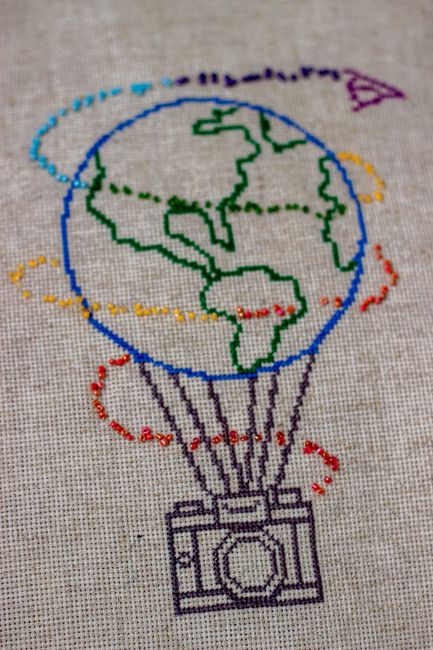
Unveiling the Art of Stitched Photography: A Comprehensive Guide to Creating Textured Visual Narratives
Stitched photography, a unique and deeply tactile art form, transcends the limitations of traditional flat images by weaving threads into the very fabric of photographic prints. This process transforms ordinary photographs into three-dimensional artworks, imbuing them with texture, depth, and a captivating sense of materiality. Unlike digital manipulation, stitched photography engages the artist’s hands directly with the image, creating a bridge between the digital realm and the physical world. It’s a practice that appeals to both photographers seeking to push the boundaries of their medium and textile artists looking for innovative ways to incorporate imagery into their work. The essence of this art form lies in the deliberate and artistic application of needle and thread to enhance, alter, or even reconstruct a photographic image. This can involve outlining key elements, filling in areas with color and texture, or creating entirely new visual narratives superimposed onto the original photograph. The result is a piece that not only tells a story through its imagery but also through its physical construction, inviting viewers to look closer and appreciate the intricate craftsmanship involved. Exploring stitched photography opens up a world of creative possibilities, allowing for a highly personal and expressive approach to art-making.
The Genesis and Evolution of Stitched Photography
The concept of merging threads with visual art is far from new. Embroidery and textile arts have a rich history dating back millennia, used for decoration, storytelling, and marking social status. Similarly, photography, in its nascent stages, was often enhanced with hand-coloring techniques to add vibrancy and detail. Stitched photography can be seen as a contemporary evolution of these practices, a natural progression where the tools and techniques of the digital age meet the enduring appeal of traditional craft. While pinpointing the exact origin of stitched photography is challenging, its resurgence in the contemporary art world can be attributed to a growing interest in handmade aesthetics and a desire to create unique, tangible artworks in an increasingly digital landscape. Artists began experimenting with applying thread to photographic prints, initially perhaps as an experimental enhancement, but soon realizing the profound impact it had on the visual and emotional resonance of the image. This exploration led to a diverse range of approaches, from subtle detailing to bold, graphic interventions. The accessibility of digital printing has also played a significant role, allowing artists to produce high-quality prints on various substrates that are conducive to stitching, further democratizing the medium. The rise of online platforms and social media has also facilitated the sharing and discovery of this unique art form, inspiring a new generation of practitioners.
Materials and Tools: The Essential Arsenal for Stitched Photography
Embarking on a stitched photography project requires a thoughtful selection of materials and tools, each contributing to the final aesthetic and technical execution. The core components are, of course, the photographic print and the stitching materials.
-
Photographic Prints: The choice of print material is crucial. Traditional photographic papers, particularly those with a matte or silk finish, are excellent for absorbing ink and holding stitches. Baryta papers offer a richer blacks and a more luminous surface, but can be trickier to stitch through without tearing. For a more durable and textural base, consider printing on canvas, fabric, or even wood. These substrates offer a unique starting point and can influence the stitching style. Digital printing offers immense flexibility in terms of size, paper type, and ink. Artists often choose archival inks for longevity and to ensure their work withstands the test of time. Experimentation is key here; different papers will react differently to the needle and thread.
-
Needles: A variety of needles are essential for different thread weights and fabric types. Sharpened embroidery needles, often with a longer eye for easier threading, are a common choice. Quilting needles are robust and can handle thicker threads and tougher substrates. Darning needles are useful for larger stitches and filling areas. The sharpness of the needle will determine how easily it pierces the print and how clean the stitch marks are.
-
Threads: The thread is the artist’s primary brushstroke. Embroidery floss, in its myriad of colors and sheens, offers a vast palette. Silk threads provide a luxurious sheen, while cotton floss offers a more matte, earthy feel. Wool yarns can create bold, textured lines and fills. Metallic threads add sparkle and highlight. The weight and texture of the thread will significantly impact the visual outcome. Consider how the thread will interact with the printed image and the chosen substrate.
-
Hoops/Frames: Depending on the substrate and the stitching technique, embroidery hoops or stretching frames can be beneficial. Hoops provide tension, making it easier to guide the needle and maintain consistent stitch tension. Frames can be used for larger pieces or when working on fabric-based prints, allowing for easier handling and a more professional finish.
-
Scissors: Sharp, precise scissors are vital for cutting threads cleanly. Small embroidery scissors are ideal for intricate work, while larger fabric shears are useful for trimming excess material.
-
Other Useful Tools: A thimble can protect your finger when pushing the needle through tougher materials. A needle threader can be a lifesaver for those with weaker eyesight or when working with fine threads. Pins are useful for securing the print to a backing or for marking areas. An awl can be used to pre-pierce holes in thicker materials, making stitching easier and preventing the print from tearing.
Techniques and Approaches: Weaving Your Narrative
The beauty of stitched photography lies in its versatility. Artists can adopt a multitude of techniques, ranging from subtle enhancements to radical re-interpretations of the original image.
-
Outline and Detail Enhancement: This is perhaps the most common and accessible approach. Threads are used to trace key lines, define contours, and highlight specific elements within the photograph. This can add a graphic quality, emphasizing forms and drawing the viewer’s eye to particular areas. For instance, stitching the outline of a flower’s petals or the branches of a tree can lend a delicate, hand-drawn feel.
-
Filling and Shading: Threads can be used to fill in areas of the photograph, creating new textures and visual interest. Varying stitch density, color, and direction can achieve a range of effects, from soft shading to bold blocks of color. This technique can be used to add depth, alter the mood, or introduce a tactile dimension to flat areas of the print. Imagine filling a sky with varying shades of blue thread to simulate clouds or adding texture to a portrait’s clothing.
-
Layering and Dimensionality: Stitched photography can create literal layers of meaning and visual depth. Threads can be built up to create raised textures, casting shadows and adding a sculptural quality to the artwork. This approach can transform a flat print into a relief sculpture, inviting tactile exploration.
-
Abstract Interventions: Artists can move beyond simply enhancing the existing image and use stitching to create abstract patterns, motifs, or even entirely new visual elements. This allows for a more expressive and subjective interpretation of the photograph, where the stitching becomes a dialogue with the original subject matter.
-
Deconstruction and Reconstruction: Some artists use stitching to deconstruct the original image, breaking it down into its constituent parts and reassembling them with thread. This can lead to fragmented or abstracted compositions, challenging the viewer’s perception of the photograph.
-
Color Work: The judicious use of colored threads can dramatically alter the mood and impact of a photograph. Warm threads can add vibrancy and energy, while cool threads can create a sense of calm or melancholy. Metallic threads can be used to draw attention to specific elements or to add a touch of glamour.
-
Mixed Media Integration: Stitched photography often blends seamlessly with other mixed media techniques. Artists might incorporate collage elements, paint, or even found objects alongside their stitching, creating rich and complex artworks.
Conceptual Considerations: Beyond the Stitch
While the technical aspects of stitched photography are important, the conceptual underpinnings elevate the work from craft to art.
-
Narrative Enhancement: The act of stitching can be used to reinforce or reframe the narrative of the photograph. A stitched line can guide the viewer’s eye through a story, or the texture of the thread can evoke a particular emotion or memory associated with the image.
-
Personal Connection and Memory: For many artists, stitched photography is a deeply personal practice, connecting them to the subject matter on a visceral level. The process can evoke memories, emotions, and a sense of embodiment with the image.
-
Critique of the Digital Image: In an era saturated with ephemeral digital imagery, stitched photography offers a tangible, enduring alternative. The deliberate, time-consuming nature of stitching stands in contrast to the instantaneity of digital consumption, highlighting the value of slow art and handmade objects.
-
Exploring Materiality and Tactility: Stitched photography inherently emphasizes the materiality of the artwork. The viewer is invited to consider not just what is seen, but also what can be felt (even if only visually), adding a crucial sensory dimension to the experience.
-
Challenging Perceptions of Photography: By introducing textile elements, artists push the boundaries of what photography can be. They challenge the traditional definition of the medium, inviting viewers to see photographs not just as flat representations, but as textured, three-dimensional objects.
Preparing Your Print for Stitching: A Crucial Step
Before the needle meets the print, careful preparation is paramount to ensure a smooth and successful stitching process.
-
Substrate Selection: As mentioned, the type of print material significantly impacts the stitching experience. For paper prints, ensure they are of sufficient weight and quality. If printing on fabric, consider pre-treating it for stability.
-
Mounting and Backing: Depending on the delicacy of the print and the intensity of the stitching, mounting the print onto a sturdy backing board or a piece of fabric can provide support and prevent tearing. Archival adhesives are recommended to preserve the integrity of the photograph.
-
Light Box or Transfer: For precise placement of stitches, especially when outlining or following specific lines, a light box can be invaluable. Place the print over the light box and a template or guide to accurately mark stitch points. Alternatively, for simpler designs, a pencil or fine-tip marker can be used to lightly sketch stitch lines.
-
Pre-Piercing (Optional but Recommended for Thick Materials): For thicker papers, cardstock, or canvas, using an awl to pre-pierce small holes at regular intervals can make stitching significantly easier and prevent the material from tearing or buckling under the needle. The size and spacing of these holes will depend on the thickness of the material and the weight of the thread.
Stitching Techniques in Detail: Mastering the Thread
Understanding various stitch types will unlock a wider range of artistic possibilities.
-
Running Stitch: The most basic stitch, a simple in-and-out motion. It can be used for outlines, to create dashed lines, or in dense rows for filling. Varying stitch length and spacing creates different visual effects.
-
Backstitch: A stronger stitch that appears as a solid line. It’s excellent for creating defined outlines and can mimic drawn lines effectively.
-
Satin Stitch: Used to fill areas with dense, smooth coverage. It’s achieved by laying parallel stitches closely together. This technique is ideal for creating solid blocks of color or for rendering smooth surfaces.
-
French Knots: Small, decorative knots that create raised textural elements. They are excellent for adding detail, highlights, or creating a starry effect.
-
Chain Stitch: Creates a series of looped stitches that form a continuous line. It can be used for decorative borders or to fill areas with a textured pattern.
-
Whip Stitch: Used to join edges, but can also be used decoratively to create textured lines.
-
Embroidery Stitches: Familiarity with a wider range of embroidery stitches, such as the stem stitch, split stitch, or long and short stitch, will offer even greater control over texture, color blending, and line quality.
The Creative Process: From Concept to Completion
Developing a stitched photography project involves a thoughtful and iterative process.
-
Image Selection: Choose photographs that resonate with you, either for their subject matter, composition, or the emotional response they evoke. Consider how the image might lend itself to textural interpretation.
-
Conceptualization: What do you want to achieve with your stitching? Are you aiming to enhance the existing image, introduce new elements, or transform its meaning? Sketching out your ideas, even loosely, can be beneficial.
-
Material Gathering: Assemble your chosen photographic print, needles, threads, and any other necessary tools.
-
Print Preparation: Prepare your print for stitching as described above.
-
Test Swatches: Before committing to the final piece, it’s highly recommended to create test swatches on a scrap piece of the same print material. Experiment with different needle types, thread weights and colors, and stitch densities to see how they interact with the print.
-
Begin Stitching: Start with smaller, less critical areas or simpler stitches to build confidence. Work methodically, ensuring consistent tension and clean execution.
-
Incorporate Color and Texture: Strategically use different colored threads and stitch types to build your visual narrative and introduce desired textures.
-
Refinement and Detail: As the piece progresses, pay attention to the details. Use finer stitches for delicate areas and bolder stitches for emphasis.
-
Finishing: Once stitching is complete, carefully trim any excess threads. Consider framing or mounting the finished piece to protect and display it.
Challenges and Solutions in Stitched Photography
Like any artistic endeavor, stitched photography presents its own set of challenges.
-
Tearing of the Print: This is a common issue, especially with thinner papers. Solutions include using a lighter weight needle, pre-piercing holes, mounting the print onto a backing, or using fabric-based prints.
-
Uneven Stitch Tension: Inconsistent tension can lead to puckering or loose stitches. Practice and consistent needlework are key. Embroidery hoops can help maintain even tension.
-
Thread Breakage: Delicate threads or rough substrates can cause threads to break. Use appropriate needles for your thread weight and be mindful of the material you are stitching through.
-
Color Bleeding: Some inks can bleed when exposed to moisture. While unlikely with dry stitching, it’s worth considering if using any wet adhesives during the preparation phase.
-
Achieving Desired Effects: It can sometimes be challenging to translate your conceptual vision into tangible stitching. Patience, experimentation, and a willingness to adapt your approach are crucial.
The SEO Advantage: Keywords and Discoverability
For artists looking to share their stitched photography and reach a wider audience, optimizing for search engines is essential. Incorporating relevant keywords naturally within the text is key.
-
Primary Keywords: "stitched photography," "textile art," "embroidery on photos," "mixed media photography," "fiber art photography," "hand-stitched photos."
-
Secondary Keywords: "photographic art," "contemporary craft," "unique art," "handmade artwork," "textured photographs," "photo embroidery," "needlepoint photography," "mixed media art," "visual storytelling," "tactile art."
-
Long-Tail Keywords: "how to stitch on photographs," "techniques for embroidery on prints," "materials for stitched photography," "ideas for stitched photo art," "selling stitched photography online," "artists who stitch on photos."
By using these keywords throughout your article, website, social media posts, and image descriptions, you increase the likelihood of potential collectors, curators, and fellow artists discovering your work.
Conclusion: The Enduring Appeal of Tangible Art
Stitched photography stands as a testament to the enduring power of the handmade in an increasingly digital world. It’s a practice that merges the ephemeral nature of the photographic image with the tangible reality of thread, creating artworks that are both visually captivating and deeply engaging. Through careful selection of materials, thoughtful application of techniques, and a clear conceptual vision, artists can transform ordinary photographs into extraordinary textile creations. The process invites a deeper connection with the image, a slower appreciation of art, and a richer experience for the viewer. As the appreciation for tactile and unique art continues to grow, stitched photography is poised to capture the imagination and inspire a new generation of creatives. It’s an art form that speaks to our innate desire for connection, for the beauty of imperfection, and for the stories woven into the very fabric of our lives.

